Health Benefits of Cranberry
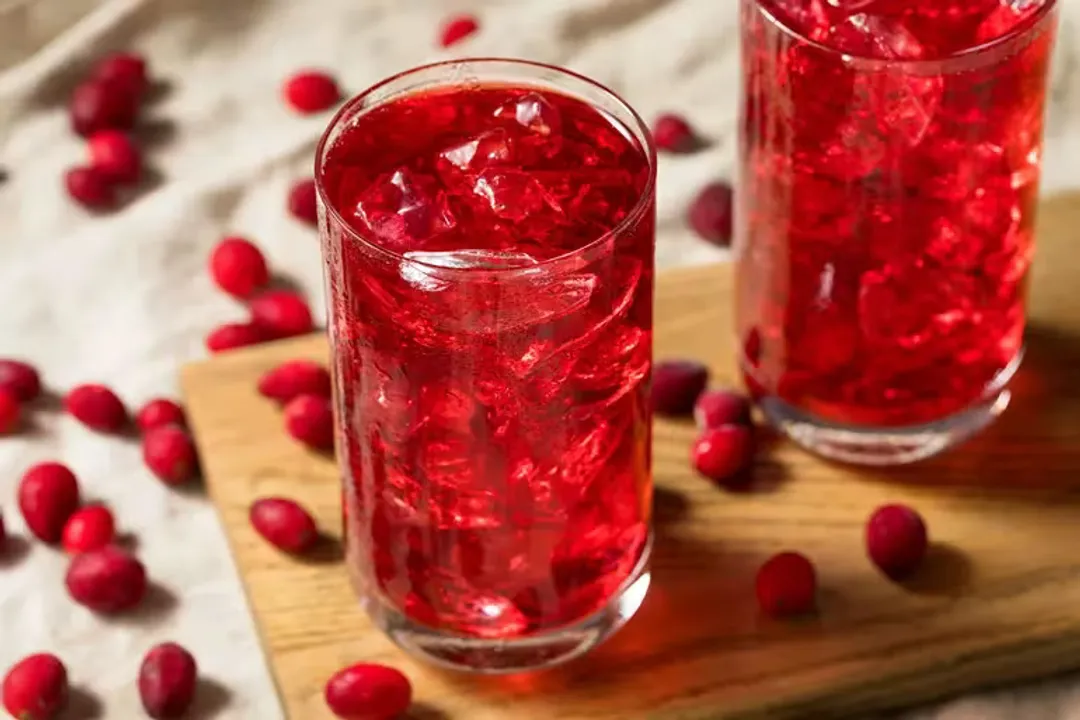
Cranberries, those small, tart jewels of the bog, hold a reputation in home remedies that often seems larger than the berry itself. Far from being just a side dish for holiday meals, these fruits have been studied for their unique chemical makeup, suggesting benefits that span from urinary tract care to supporting cardiovascular function. [1][2][3] Unlike many other fruits, the nutritional punch of the cranberry comes less from sheer volume of vitamins and more from specific, potent compounds that act in targeted ways within the body. [8]
# Nutrient Profile
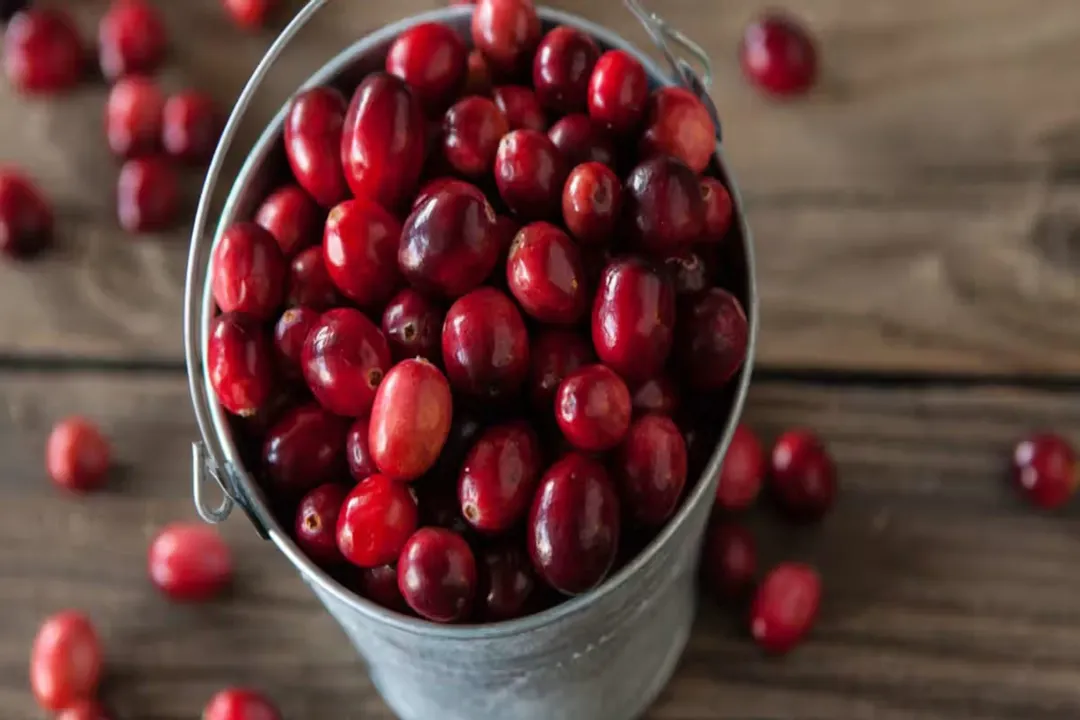
When examining the basic nutritional breakdown, fresh cranberries offer a modest amount of calories—about 46 per cup—and contribute essential vitamins and minerals to the diet. [1][8] They are a notable source of Vitamin C, a well-known antioxidant that supports immune function. [1][5][8] Beyond that, cranberries provide respectable amounts of Vitamin E and Vitamin K, the latter being vital for blood clotting and bone health. [1][8] Manganese, a trace mineral important for metabolism, is also present. [8]
Crucially, they are a good source of dietary fiber. [1][8] While this fiber content is beneficial for digestive regularity, the real health story of the cranberry often lies within its non-vitamin compounds, which are responsible for many of the more celebrated health effects. [8]
# PAC Action
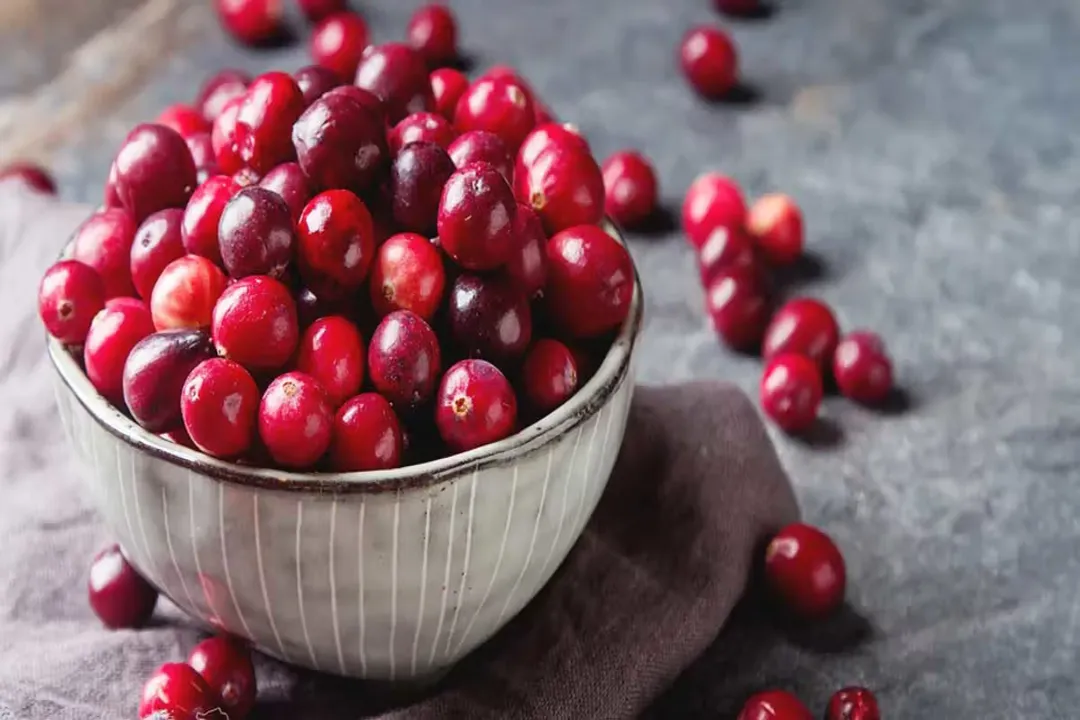
The most significant area of focus regarding cranberry health benefits centers on their unique concentration of proanthocyanidins (PACs). [1][4] These powerful antioxidants belong to the flavonoid family and are responsible for the deep red color of the fruit. [1][5] What sets A-type PACs found in cranberries apart from the B-type PACs found in other fruits is their specific molecular structure. [4][7]
These A-type PACs are particularly effective because they can inhibit the adherence of certain bacteria, most famously Escherichia coli (E. coli), to the walls of the urinary tract. [1][4][5] This mechanism is crucial; the bacteria cannot stick and colonize, meaning they are flushed out naturally during urination rather than causing an infection. [4][7] It’s important to note that while research strongly suggests this preventative effect against bacterial attachment, cranberries may not treat an existing infection, making them more of a proactive measure than a cure. [5][7]
If you are trying to optimize your intake of these key compounds, it is worth considering that the concentration of PACs can vary significantly depending on how the fruit is processed. A cup of whole cranberries provides a certain level, but highly concentrated extracts found in supplements are designed to deliver a standardized, high dose that may exceed what is easily consumed through diet alone. [7]

# Urinary Defense
The historical use of cranberries for urinary tract health is perhaps their most recognized application. [3][5] This reputation is directly tied to the PAC mechanism described above. [4] Studies have shown that regular consumption may help reduce the recurrence of urinary tract infections (UTIs), particularly in women. [1][5]
The effectiveness often depends on achieving a sufficient dose of PACs over time. [7] This leads to an interesting practical point for readers managing their intake: many commercial cranberry juices are heavily sweetened to counteract the fruit’s natural tartness. [2][8] While a glass of juice provides some PACs, it often comes bundled with a high amount of added sugar, which might offset other health goals. [2] Conversely, pure, unsweetened juice is extremely tart and difficult for many to drink in volume, meaning supplements or dried unsweetened varieties sometimes offer a more accessible route to a consistent, therapeutic dose without excessive sugar intake. [2][7] Thinking critically about the sugar load versus the PAC dose is essential when choosing a preparation method.
# Cardio Gut
Beyond the urinary system, the antioxidant load in cranberries appears to offer advantages for other organ systems, specifically the heart and the digestive tract. [1][5]
# Heart Benefits
Cranberries contain various polyphenols that may contribute to better cardiovascular outcomes. [4] Some research indicates that regular consumption can positively influence risk factors associated with heart disease. [4] This includes helping to manage blood pressure and potentially improving levels of HDL (the "good") cholesterol. [1][4] The anti-inflammatory properties associated with the fruit’s compounds also lend support to overall vascular health, keeping blood vessels more pliable and responsive. [4]
# Gut Health
The fiber content already provides basic support for bowel regularity. [1][8] However, the bioactive compounds may extend their reach further into the digestive system. There is evidence suggesting that cranberry components can interfere with the adhesion of Helicobacter pylori (H. pylori) to the stomach lining. [4][5] H. pylori is a common bacterium linked to stomach ulcers and gastritis. [4][5] By preventing this attachment, cranberries might contribute to maintaining a healthier stomach environment, complementing the way PACs work in the bladder. [4]
For someone looking to maximize both heart and digestive support from this fruit, integrating raw or minimally processed forms—like tossing a handful of dried, lightly sweetened cranberries into a homemade trail mix or blending them into a breakfast smoothie—ensures you capture the full spectrum of fiber and polyphenols before heavy processing strips them away. [8]
# Other Gains
The spectrum of potential benefits suggested by initial research extends to other areas of wellness. [7]
# Oral Health
The anti-adhesion properties that protect the urinary tract also show promise in the mouth. [4] The PACs in cranberries may help prevent plaque-causing bacteria from sticking to teeth surfaces. [4][5] This concept translates to a potential reduction in the risk of dental caries, or cavities, though this area still warrants more extensive human trials. [4]
# Cellular Protection
As with many deeply colored fruits and vegetables, the high level of antioxidants—including Vitamin C, Vitamin E, and the PACs—helps combat oxidative stress throughout the body. [1][5] Oxidative stress, caused by an imbalance of free radicals, is implicated in aging and the development of various chronic diseases. [5] By neutralizing these unstable molecules, cranberries offer a measure of cellular defense. [1]
# Consumption Ways
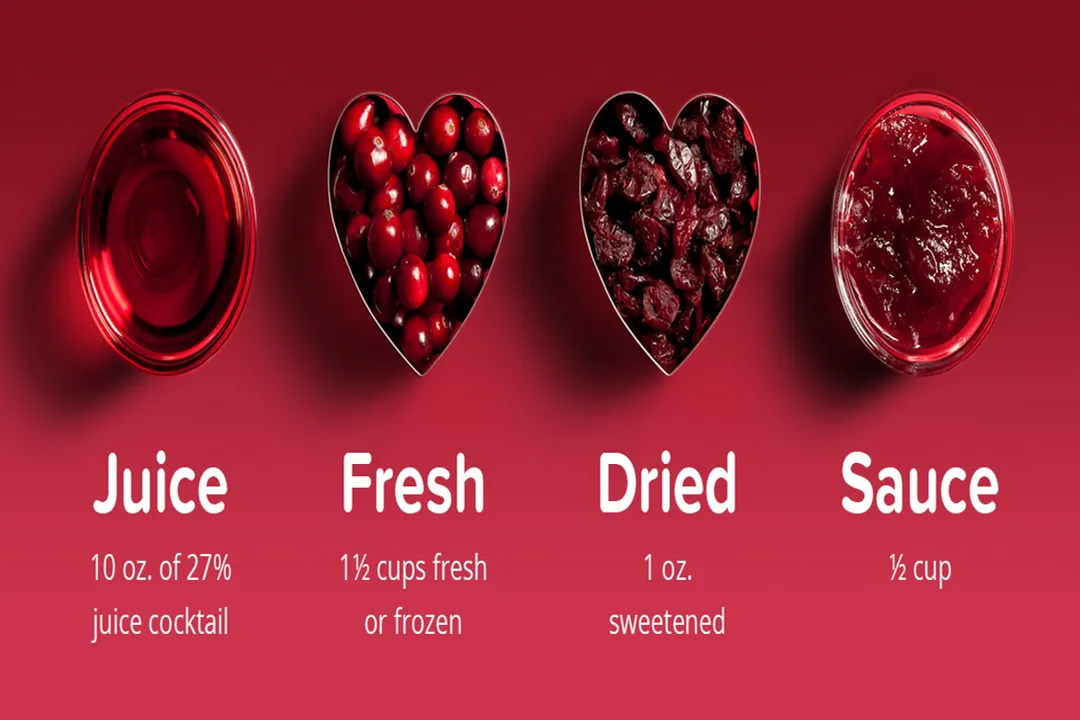
Translating these health benefits into daily practice requires understanding the various forms cranberries take once they leave the bog. [2]
- Fresh Cranberries: These are available seasonally, typically in the fall. They are very tart and generally too firm to eat raw by the handful. They are best used in cooking, baking, or making homemade sauces where sugar can be controlled. [2][8]
- Dried Cranberries (Craisins): Often sweetened, these are easy to carry and consume, making them a convenient snack or salad topping. [2][8] As noted, the added sugar must be factored into overall dietary goals. [2]
- Juices and Drinks: Juices vary widely in quality. Pure, unsweetened cranberry juice is extremely tart, while popular cranberry cocktail drinks are mostly water and added sweeteners with less beneficial content. [2][8] To ensure you are getting beneficial levels without excess sugar, it can be helpful to look for juices labeled as "100% cranberry juice" or "not from concentrate," though even these can sometimes be lower in PACs than dedicated extracts. [7]
- Supplements: Capsules or extracts are concentrated to deliver specific, measured amounts of PACs, often standardized to a particular concentration (e.g., 36 mg of PACs), which can be helpful for consistent dosing aimed at preventative care. [7]
When purchasing juice, a simple calculation can provide context: a standard serving of a sweetened cranberry beverage might contain 30 grams of sugar, whereas a cup of raw cranberries contains less than 4 grams of sugar but significantly more beneficial PACs per volume. Recognizing this difference means the source of the benefit—the PACs—is often best acquired outside of the most commonly marketed juice products.
Cranberries remain an intriguing addition to a health-conscious diet. While they are not a cure-all, their specific combination of fiber, vitamins, and, most importantly, their distinctive A-type proanthocyanidins provide tangible support for bodily systems, provided they are consumed in a form that delivers those active ingredients effectively. [4][7]
Related Questions
#Citations
Health Benefits of Cranberries - WebMD
Health Benefits - Massachusetts Cranberries
Are Cranberries Healthy? 6 Surprising Benefits - Tomah Health
Cranberries and Their Bioactive Constituents in Human Health - PMC
Top 10 health benefits of cranberries - BBC Good Food
Health Benefits of Cranberries - FepBlue
Are Cranberries Healthy? 6 Surprising Benefits
Cranberries 101: Nutrition Facts and Health Benefits - Healthline
Cranberries: Benefits, nutrition, and risks - Medical News Today