Health Benefits of Carnival Squash
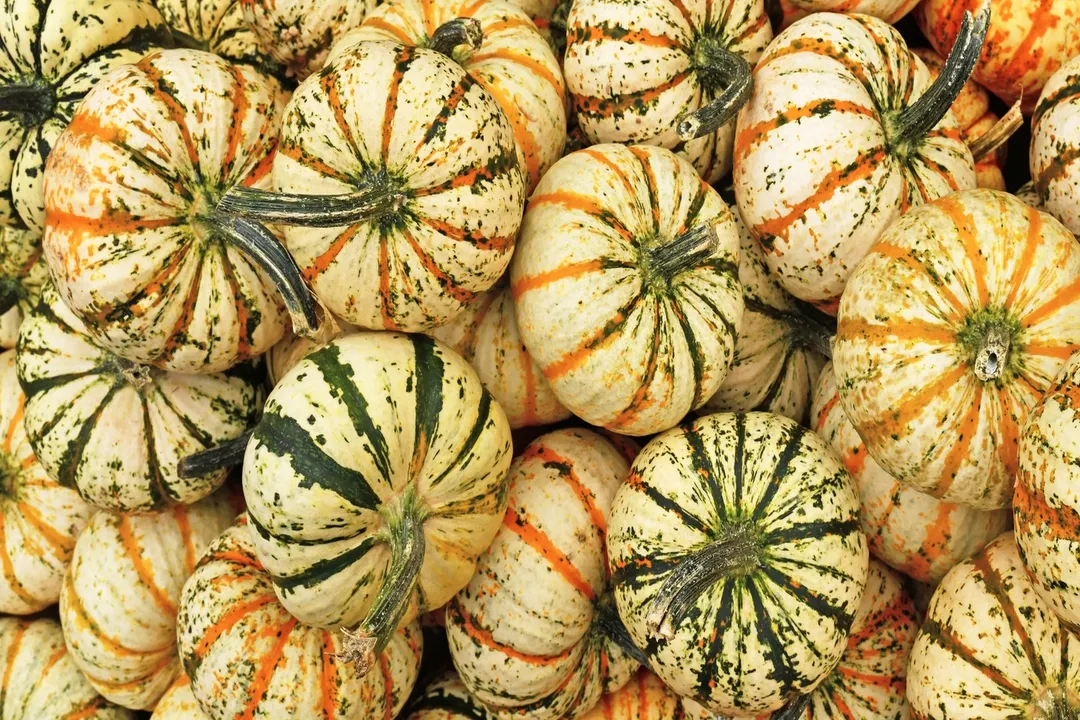
The arrival of cooler weather signals the time to shift our focus in the kitchen toward heartier, nutrient-packed produce, and the Carnival squash is a fantastic star of the autumn and winter seasons. This particular member of the Cucurbitaceae family, a cross between the acorn and sweet dumpling varieties, brings both vibrant color and surprising substance to the dinner table. [4] While many people default to butternut or pumpkin during the holidays, understanding the specific attributes of the Carnival variety reveals why it deserves more attention than just being a decorative gourd. [4] Its unique profile, combining tenderness with natural sweetness, makes it a powerhouse ingredient that supports everything from eyesight to the health of your gut biome. [1][2][4]
# Sweet Flavor
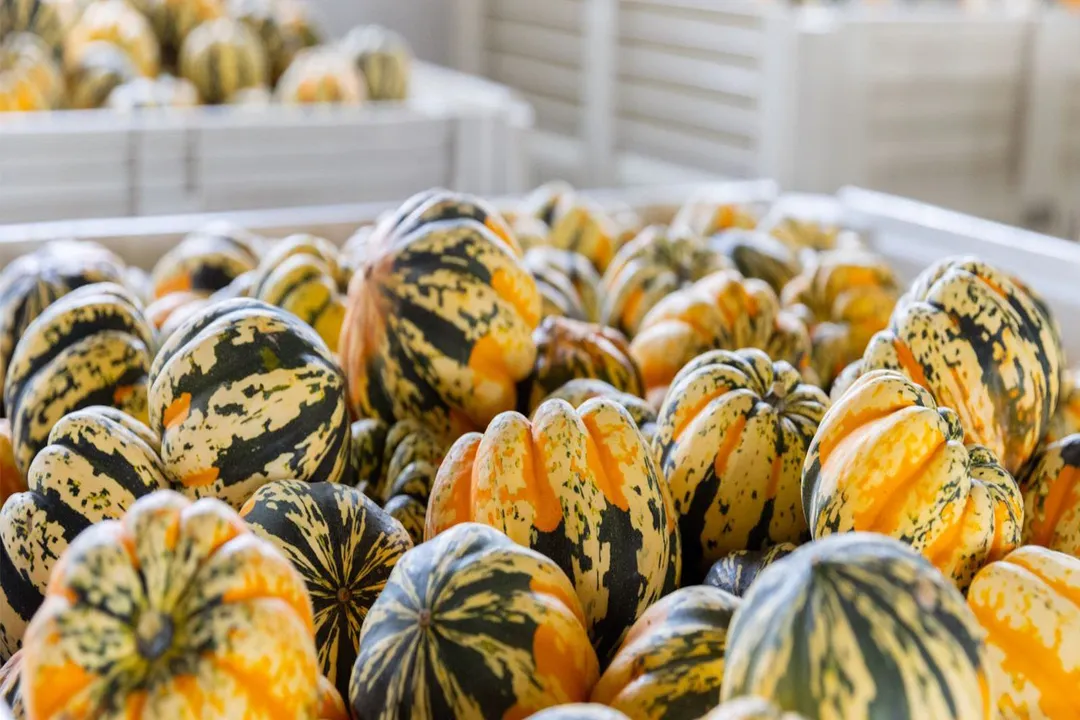
The flavor of the Carnival squash is what often surprises first-time cooks. It moves beyond the simple, earthy notes of some of its relatives, offering a taste that is distinctly slightly nutty and sweet. [4] Tasting notes frequently compare it to hints of maple syrup and pecan, sometimes even carrying a subtle echo of Christmas spice. [4] When you cook it properly, this sweetness is amplified, and the texture follows suit, becoming smooth and buttery. [4] This contrasts with some other winter squashes that can turn out starchier; the Carnival variety is often characterized as being more tender. [4]
# Striking Look
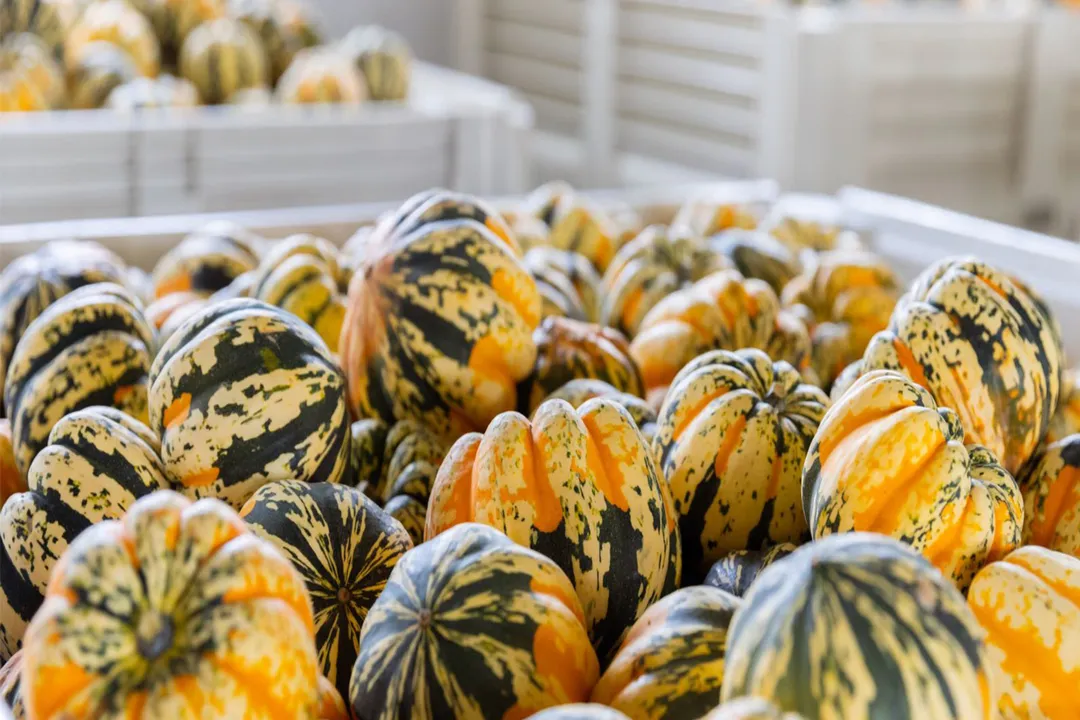
It is certainly easy to spot a Carnival squash in a market display. As the name suggests, its appearance is festive and visually striking. [4] The exterior is adorned with a vivid coloration, showcasing a pattern of bright orange, white, and green spots, with each individual squash exhibiting its own unique combination of hues determined by its growing environment. [4] Beyond the coloration, the fruit is typically round and of a manageable medium size, which contributes to its appeal as a decorative piece when not destined for the oven. [4] It is interesting to note that this variety is relatively new to commercial sales, having been introduced only in 1991, even though squash cultivation has deep roots in the Americas alongside corn and beans, forming part of the vital "three sisters" agricultural system. [4]
# Nutrient Profile
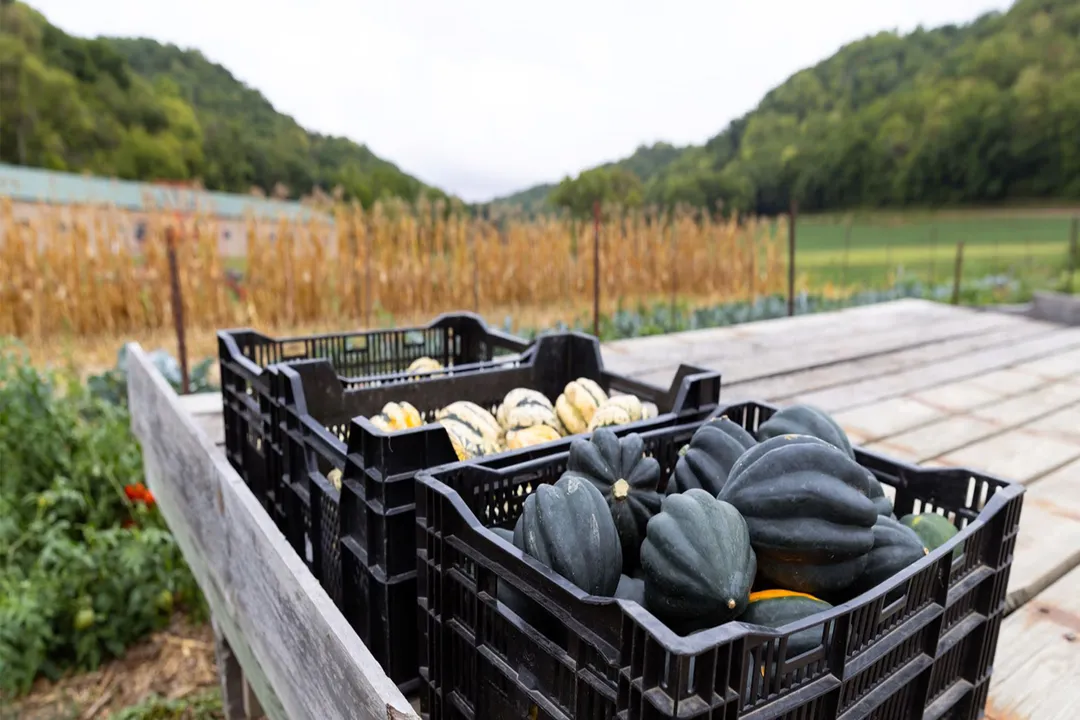
The health advantages of incorporating winter squash into your diet are extensive, and the Carnival squash carries a significant load of these benefits. [2] Because its flesh is generally orange or yellow, it signals a high presence of phytonutrients, the compounds that grant it its color and nutritional strength.
One of the most significant contributions is its substantial level of Vitamin A, primarily in the form of beta-carotene. [4] A single one-cup serving provides nearly a full day's requirement of this fat-soluble vitamin. [4] Vitamin A is well-known for its role in eyesight improvement, but it also assists in the cancer prevention process and may help slow down cognitive decline. [4] Furthermore, Carnival squash provides Vitamin C, an antioxidant essential for healing processes, and the maintenance of healthy bones and blood vessels. [4]
Another key takeaway from this squash is its contribution of potassium, an electrolyte crucial for many bodily functions, including regulating fluid balance and supporting healthy blood pressure. [2][4] The presence of omega-3 and omega-6 fatty acids is also noteworthy; these essential fats are celebrated for their potential to fight inflammation and bolster both heart and mental health. [4] While specific mineral contents can vary between squash types, Carnival squash contributes to the overall high nutrient density provided by the winter squash family, which often includes magnesium, folate, and various B vitamins. [1]
# Gut Support

The general category of winter squash is highly regarded for its contribution to digestive wellness, a benefit clearly carried over to the Carnival variety. [1][2] A major component here is fiber. Winter squashes typically deliver around 4 to 5 grams of mostly soluble fiber per cup. Fiber is indispensable for slowing down the digestion of carbohydrates, which aids in balancing blood sugar levels, and it promotes satiety after meals. More specifically, the prebiotic soluble fiber found in squash acts as nourishment for the beneficial bacteria residing in your gut, helping to balance the entire microbiome. When you consume the skin—which is an advantage for Carnival squash eaters—you increase your fiber intake even further. [2][4]
If you are someone who pays attention to dietary protocols for gut health or is following a paleo or gluten-free plan, incorporating these types of squash is often recommended because they are relatively easy to digest while being nutrient-rich.
# Simple Preparation
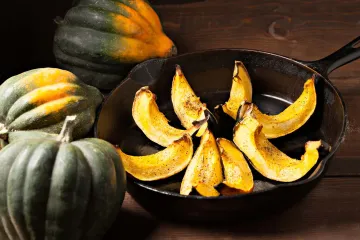
One of the aspects that makes the Carnival squash so accessible is its culinary flexibility and the fact that you do not need a dedicated peeling tool handy. Unlike varieties with very tough rinds, the skin of the Carnival squash is edible once cooked, meaning you can slice it, roast it, and eat the entire portion for maximum nutritional benefit. [4]
It handles a variety of cooking applications well, including roasting, sautéing, and boiling. [4] Slow-cooking methods like roasting are particularly effective because they coax out that inherent sweetness and develop the tender consistency. [4] A simple preparation involves halving it, seasoning with salt, adding a bit of fat like butter, perhaps a dash of cinnamon for accentuation, and roasting until tender. [4] Because its flavor profile is adaptable and generally sweet, it pairs well with spices like turmeric or can be used in savory stuffing mixes containing tofu, lentils, or ground meats. [4] Moreover, since it shares characteristics with acorn and butternut squash, it can often be swapped directly into recipes calling for those more common varieties. [4]
An approach to maximizing the flavor profile of this particular squash involves combining its inherent sweetness with a contrasting element. For instance, instead of just butter and maple syrup, try dicing the roasted flesh and tossing it with a slightly spicy curry powder or a sprinkle of smoked paprika to craft a more multi-layered taste experience. [4]
# Storage Logic
Carnival squash is best secured when it is in season, usually from late fall through the winter months. [4] Due to its thick skin, it stores quite well, often remaining edible for up to a month when kept whole in a cool pantry setting with low humidity, near other root vegetables. [4] If you source a squash very shortly after harvest, some sources suggest you can even cure it by leaving it in the sun for up to ten days, a process that can increase its natural sweetness, though you must cap this period to avoid spoilage. [4]
However, the longevity drastically decreases once you begin preparation. After slicing, the exposed flesh is best used within about five days if wrapped tightly and refrigerated. [4] Because of its compact size and likeable flavor, it’s often recommended to plan to use the entire squash within one meal sitting or across a few days to prevent any of the nutrient-dense flesh from going bad. [4] When selecting one at the market, look for a heavy specimen free of soft patches or significant blemishes, ensuring it is properly matured for the best storage and eating quality. [4]
Related Questions
#Citations
The Head-to-Toe Health Benefits of Squash | Organic Valley
Health benefits of winter squash and ways you can cook them
Why Winter Squash Is So Good for You - EatingWell
What Is Carnival Squash And What Does It Taste Like?