Health Benefits of Buddha's hand (fingered citron)

The moment one encounters a Buddha’s hand (or Fingered Citron), its appearance is instantly striking, resembling an unusual, pale yellow or bright orange citrus fruit that has sprouted numerous thick fingers. [4][6] This enigmatic fruit, scientifically classified as Citrus medica var. sarcodactylis, is distinct from common citrus varieties because it typically develops little to no pulp or juice, meaning its value lies almost entirely in its highly fragrant rind and zest. [1][6][7] Historically, this fruit has held cultural significance, frequently used as an offering in Buddhist temples, which contributes to its distinctive name. [4] While it may look exotic, integrating this unique fruit into a modern wellness routine reveals a surprising array of potential health advantages derived from its concentrated essential oils and phytochemicals. [4]
# Distinct Nature

The physical characteristics of the Buddha’s hand set it apart immediately from an orange or lemon. Instead of a typical round or oval shape, its segments branch out, often looking somewhat like tentacles or fingers reaching outward. [4] It is noted for having a much thicker pith, the white, spongy layer beneath the colored zest, compared to other citrus fruits. [7] One key difference, which impacts its culinary use, is the lack of juice; people generally do not squeeze it for liquid refreshment. [6] This structural anomaly means that when utilized in cooking or beverages, the focus is entirely on extracting the aromatic compounds held within the peel, making it an exceptional source of zest. [1][7] The aroma itself is powerfully fragrant, often described as intensely floral, reminiscent of violet or lilac, which is why it is frequently employed in perfumes and scented products in addition to culinary arts. [4][6]
# Rich Composition
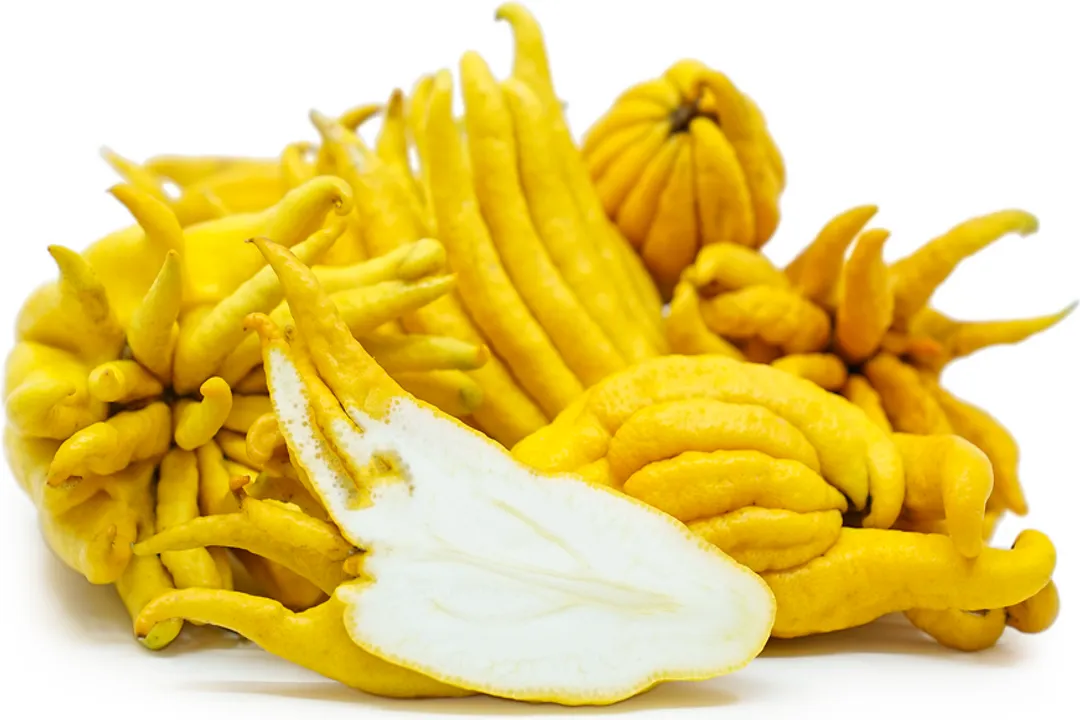
Despite lacking substantial juice, the Buddha’s hand is quite nutrient-dense, particularly concerning micronutrients and bioactive compounds that support bodily functions. [2] Like many members of the citrus family, it provides a good dose of Vitamin C. [1][2] Vitamin C is an essential nutrient known for its role in bolstering the immune system and acting as a potent antioxidant within the body. [1][2]
The fruit is also a source of dietary fiber. [2] Fiber plays a key role in maintaining digestive regularity and overall gut health. [1] Furthermore, the rind is rich in beneficial plant compounds, including flavonoids and other antioxidants. [1][2] These compounds are crucial because they help combat oxidative stress caused by free radicals, which contributes to cellular damage and aging. [2]
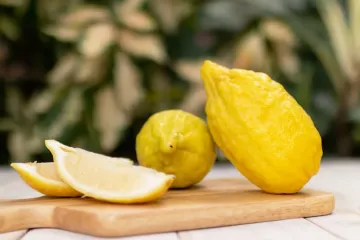
When considering its nutritional profile against a common lemon, where the pulp and juice contribute the majority of intake, the Buddha’s hand offers a different kind of density. For instance, a typical lemon's primary nutritional contribution comes from its acidic liquid; the Buddha's hand shifts that entire contribution to the zest and pith. This means that when you are consciously seeking the benefits of the peel—like those antioxidants—the Buddha's hand provides them in a concentrated, almost pure form, unlike other citrus where the zest is just one component of the usable mass. [1]
# Digestive Support
Traditional uses of Buddha’s hand often point toward its benefits for the digestive system. [1][9] The presence of dietary fiber contributes positively to gut motility and can assist in relieving indigestion or constipation. [1] Beyond the fiber content, specific compounds within the fruit may help soothe the stomach lining and promote healthy digestion. [9]
In traditional medicinal practices, citrus peels have long been employed to help manage symptoms related to poor digestion, often through infusions or teas made from the dried zest. [9] If one were to steep thin strips of the dried rind in hot water, the resulting beverage would carry both the warming, soothing properties of the infusion process and the mild digestive aids from the fruit’s components. [9] This method avoids the acidity that pure juice might cause, making it a gentler option for sensitive stomachs. [1]
# Managing Inflammation
One of the frequently cited and compelling health advantages of consuming the Buddha’s hand is its potential to help reduce inflammation throughout the body. [9] Chronic inflammation is a driver for many modern ailments, so finding natural anti-inflammatory agents is highly valued. [9] The high concentration of antioxidants and flavonoids found in the rind is believed to be responsible for this effect. [2][9]
These specific plant compounds interact with the body’s inflammatory pathways, helping to temper an overactive immune response that leads to chronic inflammation. [9] For instance, incorporating the zest into one’s diet, perhaps by grating it over salads or infusing spirits, provides a consistent, low-dose intake of these protective agents. [1] While it is not a substitute for prescribed anti-inflammatory medications, utilizing it as a dietary tool can complement overall health efforts aimed at keeping systemic inflammation levels low. [9]

# Essential Oils Benefits
The robust fragrance of the Buddha’s hand is not just pleasant; it stems from high concentrations of essential oils, which carry their own set of therapeutic properties. [4][6] These oils are traditionally extracted and used in aromatherapy and perfume manufacturing. [4][6]
When inhaled, the aroma from these oils can have a calming effect on the nervous system. [4] Many people find that the scent helps in reducing stress and anxiety, offering a moment of mental calm, which aligns with its historical use in quiet, contemplative settings like temples. [4]
A practical application derived from this aromatic quality involves simple home extraction. If you have access to fresh fruit, you can gently peel the zest, ensuring you avoid too much of the bitter white pith, and cover it completely with a neutral carrier oil, such as grapeseed or fractionated coconut oil. Allowing this mixture to infuse in a dark, cool place for several weeks will create a scented massage oil, capturing the fruit's calming volatile compounds for topical use. [4] This harnesses the essence of the fruit without needing commercial distillation equipment. [6]
# Culinary Uses
Because the Buddha’s hand is prized for its zest rather than its flesh, its culinary applications revolve around flavoring and decoration. [7] Its intense, sweet, and floral perfume makes it an excellent addition to both sweet and savory dishes. [1]
Popular methods for utilizing this fruit include:
- Candying: The thick peel, once properly processed, can be sliced and candied, resulting in a sweet, highly aromatic treat. [1][2]
- Infusions: The zest is perfect for infusing spirits like vodka, gin, or simple syrups, lending a sophisticated, bright citrus note without the sourness of juice. [1][6]
- Baking and Zesting: Grating the zest directly into cake batters, custards, or fruit salads introduces powerful flavor and aroma. [1][7] Because the pith is often less bitter than other citruses, the margin for error when zesting is slightly more forgiving, though bitterness can still develop if too much white material is included. [7]
- Aromatic Garnish: Even when not consumed in large quantities, placing the whole fruit in a bowl serves as a beautiful, natural air freshener due to its long-lasting scent. [4]
When deciding how much zest to use, remember that the flavor intensity is high due to the concentration of essential oils. A good starting point for a standard loaf of quick bread or a quart of simple syrup might be the zest of one medium finger, but always taste cautiously until you understand the potency of the specific fruit you have. [1]
# Blood Pressure Management
Some research suggests a connection between regular consumption of the fruit’s components and better management of blood pressure. [1] This benefit is often linked back to the overall antioxidant and flavonoid content. [1] Certain flavonoids found in citrus fruits are known to support vascular health, helping blood vessels relax and maintain proper function, which is a key factor in keeping blood pressure within a healthy range. [1] While this fruit should not replace necessary medical interventions for hypertension, integrating more flavonoid-rich foods into the diet is a foundational strategy for long-term cardiovascular wellness. [1]
# Immune System Support
The presence of Vitamin C immediately suggests a benefit to the immune system. [1][2] Vitamin C plays multiple roles in immune function, from supporting the production of white blood cells to acting as a shield against cellular damage. [2] Consuming foods rich in this vitamin, such as Buddha’s hand zest used in teas or baked goods, helps ensure the body has the necessary building blocks to defend itself, particularly during cold and flu seasons. [1]
# Comparative Health Value
When comparing the Buddha’s hand to a standard lemon or orange, the main difference in health benefit delivery is the carrier medium. For instance, if you are specifically looking to benefit from the bioflavonoids known to support blood pressure, using the zest of Buddha's hand may be more efficient than trying to squeeze a small amount of juice from a lemon while minimizing the overall intake of sugar or excessive acidity that comes with consuming the pulp. [1] The fruit essentially streamlines the delivery of beneficial peel compounds. If you were to create a powder from the dried zest, you would have a shelf-stable ingredient packed with antioxidants and fiber, easily added by the teaspoon to morning oatmeal or smoothies—a highly concentrated source of its primary benefits. [2]
Related Questions
#Citations
Health Benefits of Buddha's Hand / Fingered Citron - Medindia
Buddha's Hand Fruit – Health Benefits, Uses and Important Facts
"Buddha's Hand", An Unknown Fruit That Will Amaze You
Buddha's Hand Tree: Unlocking the Mystical Benefits and Unique ...
BUDDHAS HAND FRUIT (Citrus medica var. Sarcodactylis)
What Do You Do with Buddha's Hand Citron & Is It Good for You?
Buddha's Hand Citron Information and Facts - Specialty Produce
Ingredient: Flesh-Finger Citron - Caring Sunshine
Inflammation Nation + The Buddha's Hand Remedy. - Love Grace Inc.