Health Benefits of Broccoflower
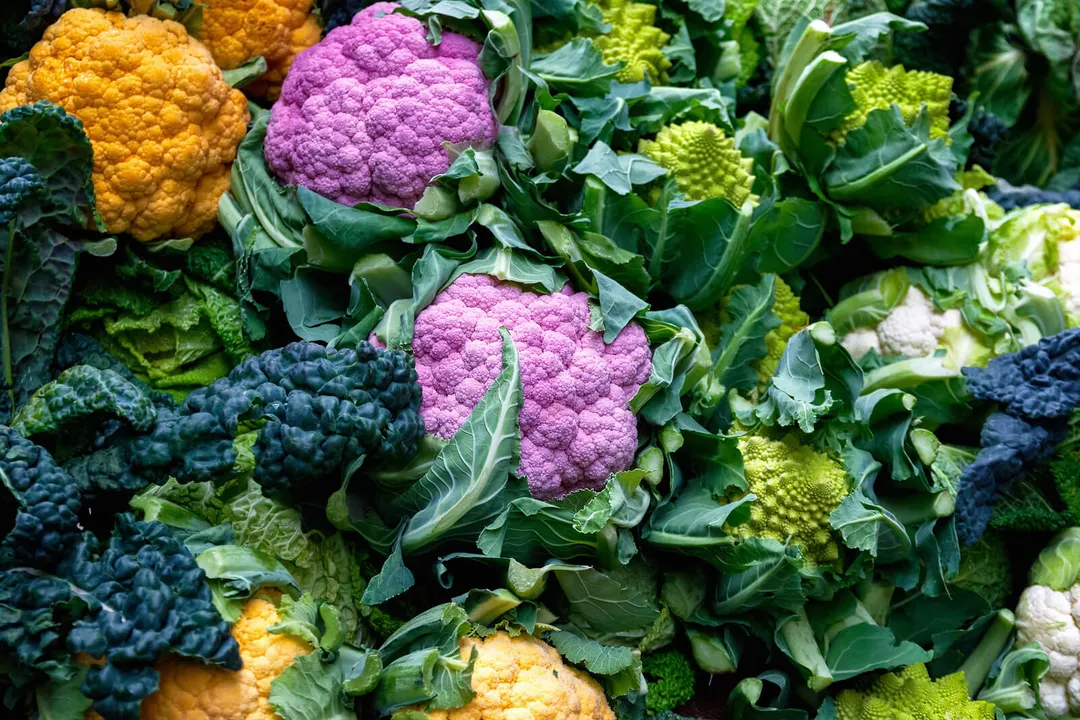
Broccoflower, with its captivating, geometrically perfect spirals, immediately draws the eye, often earning comparisons to its parent vegetables, broccoli and cauliflower, or its close relative, Romanesco. This vegetable, sometimes called Romanesco cauliflower or simply Romanesco, is a striking example of how nature creates edible art. While visually distinct due to its logarithmic spiral structure—a natural fractal pattern—its health profile benefits readers much like its more common cruciferous cousins, offering a dense package of essential vitamins and beneficial plant compounds. Understanding what this vibrant green or pale yellow head contributes to the diet involves looking at the nutritional strengths it inherits from both broccoli and cauliflower.
# Visual Chemistry
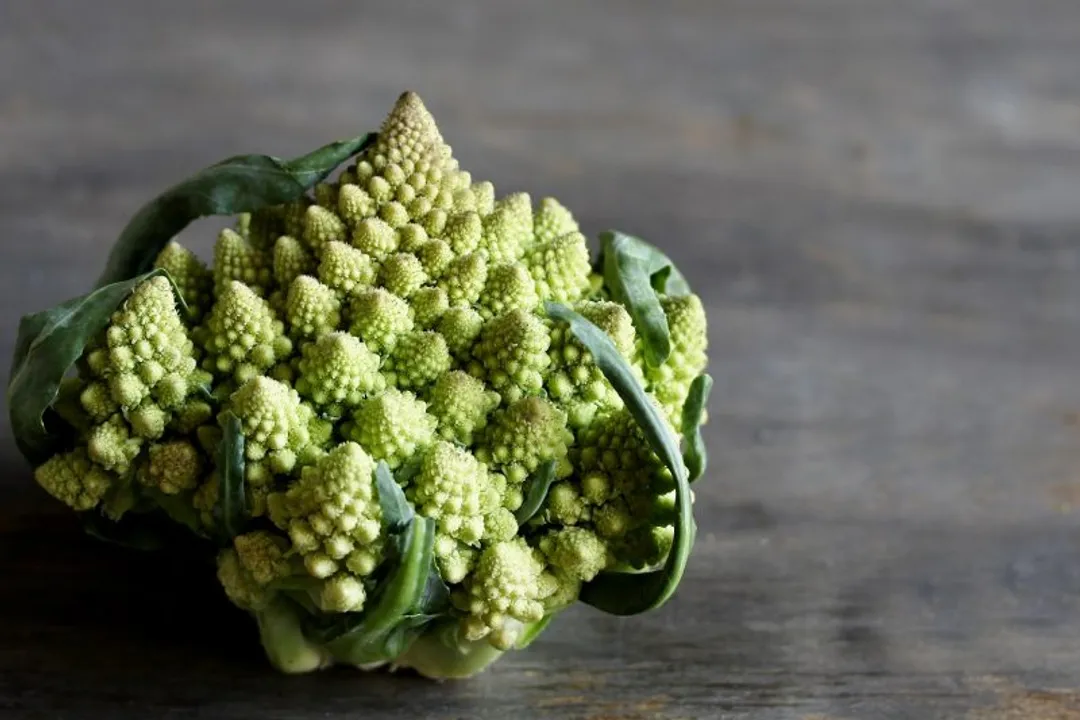
The appearance of broccoflower is perhaps its most memorable feature. It exhibits a repeating, self-similar pattern, a characteristic shared by Romanesco broccoli, which is often considered the same vegetable or a closely related variant. This visual appeal is a positive starting point for incorporating more vegetables into one's routine, especially for those looking for novelty on their plate. Interestingly, while Romanesco is sometimes grouped with cauliflower, its flavor profile is often described as lying somewhere in the middle: perhaps slightly nuttier than cauliflower but milder than standard broccoli. This unique taste makes it versatile for various culinary applications, from raw snacking to light steaming.
# Nutritional Density
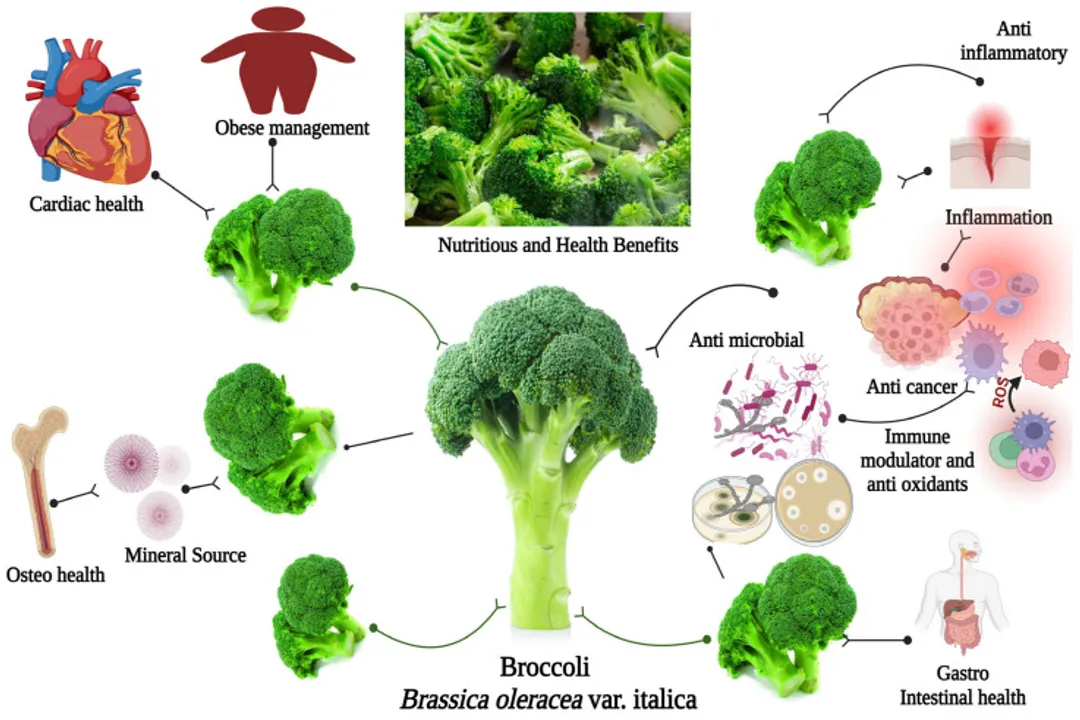
As a member of the Brassica family, broccoflower is inherently nutrient-dense without carrying a significant caloric load. Cauliflower, its close relative, is known for being low in carbohydrates and calories. Broccoflower shares this trait, making it an excellent choice for volume eating and weight management.
Examining the known components inherited from its lineage gives us a clear picture of its value. It is a powerhouse of certain key micronutrients. For instance, it provides significant amounts of Vitamin C, an essential antioxidant crucial for immune function and collagen production. Furthermore, it offers substantial amounts of Vitamin K, which plays a critical role in blood clotting and bone health.
To better illustrate the nutritional context, consider how the parent vegetables stack up against each other in certain areas. While broccoflower unites these traits, understanding the baseline helps appreciate its combined benefit:
| Nutrient/Compound | Primary Contribution (Inferred from Relatives) | Reference Parent |
|---|---|---|
| Vitamin C | High | Cauliflower, Broccoli |
| Vitamin K | High | Cauliflower, Broccoli |
| Folate (Vitamin B9) | Significant | Cauliflower, Broccoli |
| Fiber | Aids digestion/satiety | Cauliflower |
| Sulforaphane Precursors | Cancer-fighting potential | Broccoli |
Broccoflower also contains important minerals such as magnesium and zinc. Folate, another B vitamin present in high amounts in cauliflower, is vital for cell division and DNA formation. By consuming this vegetable, one is effectively securing a broad spectrum of essential building blocks that support general bodily maintenance.

# Compounds Fighting Disease
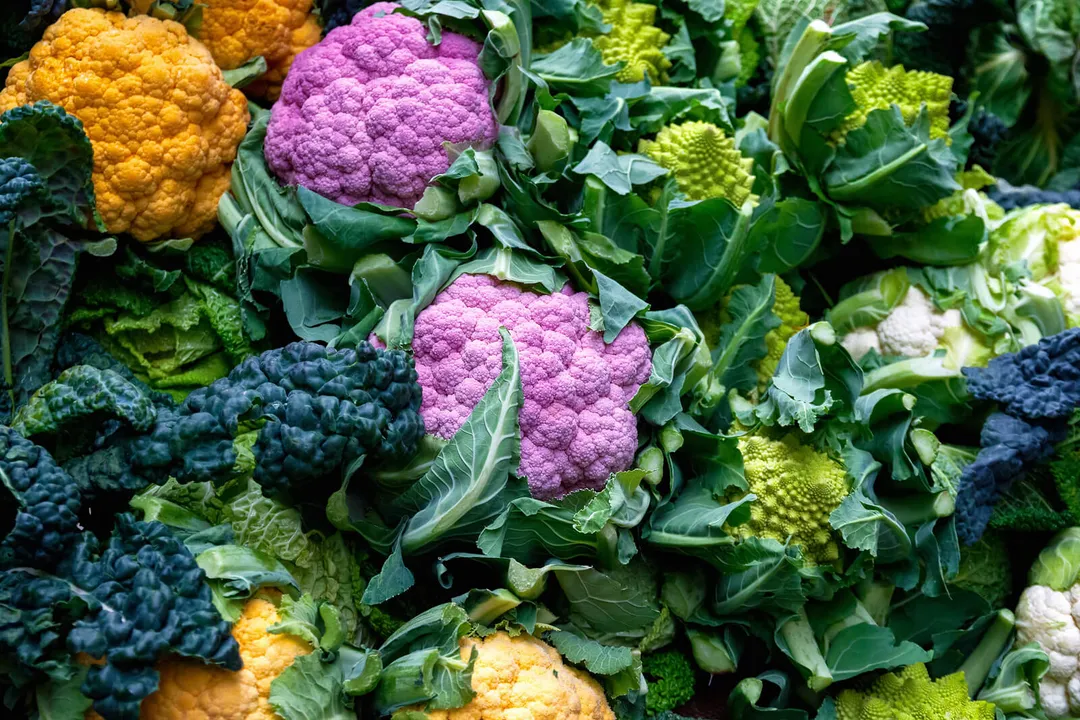
The most compelling health argument for eating cruciferous vegetables like broccoflower lies in their sulfur-containing compounds. These vegetables are rich in glucosinolates. When the plant cells are damaged—through chopping, chewing, or blending—an enzyme called myrosinase converts these glucosinolates into biologically active compounds, most famously sulforaphane.
Sulforaphane is heavily studied for its potential to influence detoxification pathways in the body and its anti-cancer properties. This protective mechanism is not unique to broccoli; cauliflower also contains these beneficial components, suggesting broccoflower benefits from this shared biochemical defense system. The activity of these phytochemicals in reducing cancer risk is a significant area of research for the entire cruciferous family.
Beyond glucosinolates, broccoflower inherits antioxidant properties from both sides. Cauliflower provides antioxidants such as carotenoids and isothiocyanates. Broccoli is also noted for containing antioxidants such as lutein and zeaxanthin, which are known for supporting eye health. While specific studies on the exact antioxidant profile of broccoflower might be limited, its membership in this group strongly suggests a similar protective function against oxidative stress in the body.
# Digestive Support

The role of fiber cannot be overstated when discussing vegetables, and broccoflower delivers on this front, much like cauliflower. Fiber is essential for maintaining a healthy digestive system, promoting regular bowel movements, and helping to manage blood sugar levels. A diet rich in fiber contributes significantly to feelings of fullness, which can naturally assist in controlling overall calorie intake and supporting a healthy weight. Because broccoflower is low in calories and carbohydrates, it allows individuals to consume a larger volume of food for satiety without excessive energy intake, supporting fitness goals.
# Cardiovascular Health Focus
The nutritional components within broccoflower also extend support to the cardiovascular system. Fiber, for example, can assist in managing cholesterol levels. Furthermore, the potassium and manganese found in its close relative, cauliflower, are minerals important for maintaining healthy blood pressure. Broccoli is also specifically credited with heart-health benefits, partly through its cholesterol-lowering potential. By consuming broccoflower, you are taking in a mix of vitamins (like Vitamin K, essential for vascular health) and phytochemicals that work together to support the circulatory system.
# Preparing for Maximum Benefit
The way one prepares broccoflower can influence the nutrient availability, a concept that applies broadly to cruciferous vegetables. For example, while cooking is often necessary for taste and texture, certain vitamins, particularly Vitamin C, are water-soluble and heat-sensitive. Prolonged boiling can lead to nutrient leaching.
A very effective strategy for maximizing the benefits, especially the sulforaphane precursors, is to allow chopped or cut broccoflower to sit for about 40 minutes before cooking it lightly, or to use a quick steaming method. This resting period gives the myrosinase enzyme time to work on converting glucosinolates into sulforaphane before the heat deactivates the enzyme. When considering preparation, roasting the florets brings out a lovely nutty sweetness, a texture change that contrasts nicely with its raw crunch. If you prefer to eat it raw to capture the highest concentration of heat-sensitive vitamins, ensure the vegetable is thoroughly washed first.
One practical way to approach cooking this vegetable is to consider it a textural swap. If a recipe calls for standard roasted cauliflower, substitute broccoflower to introduce a slightly greener hue and a milder, nuttier flavor without altering the cooking time or overall structure of the dish. This simple substitution ensures you gain the benefits of the different nutrient ratios present in this unique cultivar.
# Bone Strength Integration
Bone maintenance is a long-term health goal that requires consistent nutrient intake, and broccoflower contributes positively here through its Vitamin K content. Vitamin K is not just involved in clotting; it also plays a role in bone metabolism, potentially by supporting the function of osteocalcin, a protein necessary for bone mineralization. When you pair this with the calcium and magnesium that are often found in high concentrations in cruciferous vegetables, you have a food component actively contributing to skeletal strength.
# A Note on Variety and Sourcing
Finding broccoflower might require looking in specialty sections or during peak seasons, as it is not always as widely available as standard white cauliflower or green broccoli. When selecting any brassica, freshness is key to nutrient retention. Look for heads that feel heavy for their size and have tightly packed florets without any signs of browning or wilting. Because the nutrient profiles of broccoli and cauliflower vary slightly—for instance, broccoli typically has higher levels of Vitamin A than cauliflower—choosing broccoflower ensures you are getting a beneficial blend that bridges the gap between the two profiles. Incorporating this fractal vegetable regularly provides a diverse intake of the protective compounds associated with the entire Brassica family, supporting long-term wellness through consistent nutrition.
#Videos
Distinctions Between Medical And Health Benefits Of Broccoflower ...
Related Questions
#Citations
Health Benefits of Romanesco - MegUnprocessed
Broccoli vs. Cauliflower | Which is Better for Health? - Plushcare.com
Broccoli: A Multi-Faceted Vegetable for Health: An In-Depth Review ...
The Top 8 Health Benefits of Cauliflower - Healthline
Eat Colorfully! Try a Broccoflower! - Adelphi University
12 Broccoli Benefits for Health: Nutrition & Wellness Guide
Why to eat cruciferous vegetables - Mayo Clinic Health System
Broccoflower - A better choice!
Distinctions Between Medical And Health Benefits Of Broccoflower ...
5 Reasons Broccoli Is Good for You - Health Cleveland Clinic