Health Benefits of Boniato
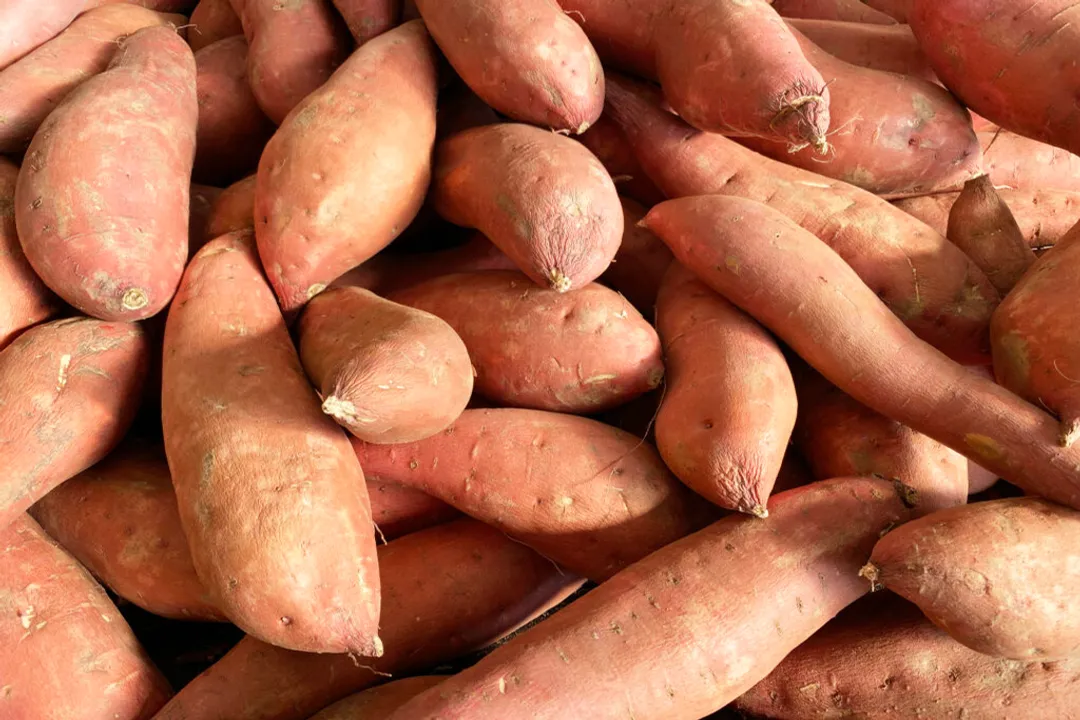
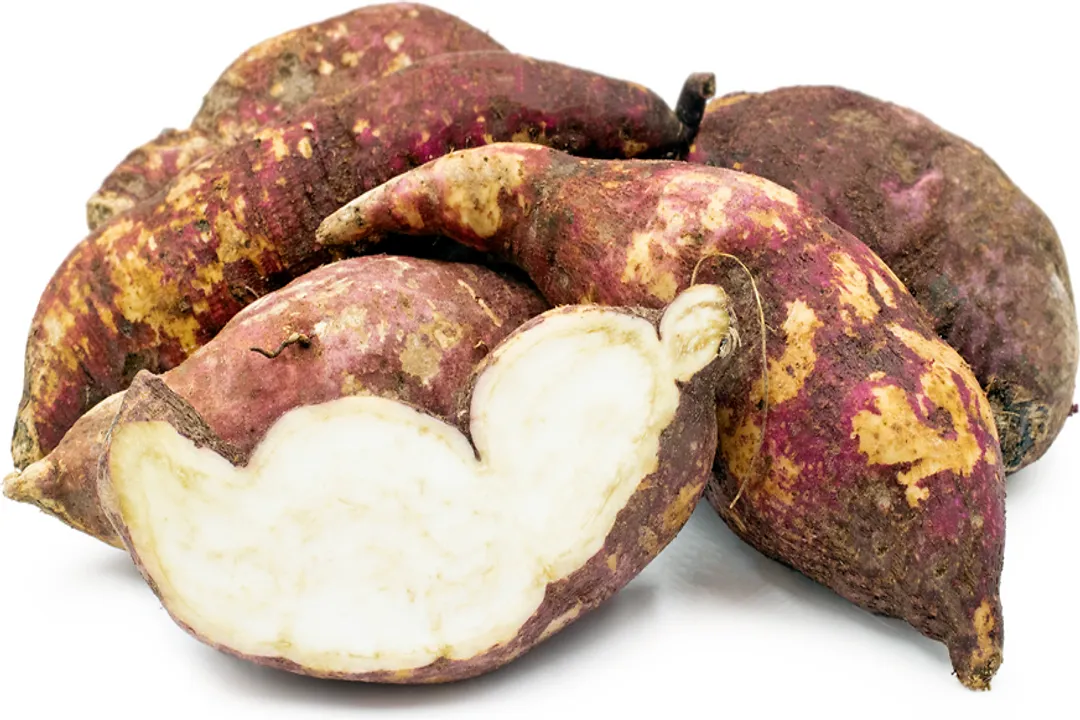
The subtle difference between a common orange sweet potato and its paler cousin, the boniato, often goes unnoticed outside of specific culinary circles, yet this distinction carries implications for both texture and nutritional impact. Boniato, sometimes called the Cuban or Caribbean sweet potato, presents itself with a drier, starchier flesh compared to the moist, sugary profile of the orange variety we frequently see in the supermarket. [7][9] This structural difference means that while both belong to the Ipomoea batatas species and share many core health advantages, the way they behave in the body and the kitchen sets them apart. [7] Understanding the benefits of incorporating Boniato means appreciating its unique contribution to a well-rounded diet, stemming from its inherent vitamin and mineral content to its beneficial impact on digestion and metabolism. [2][4]
# Root Identity
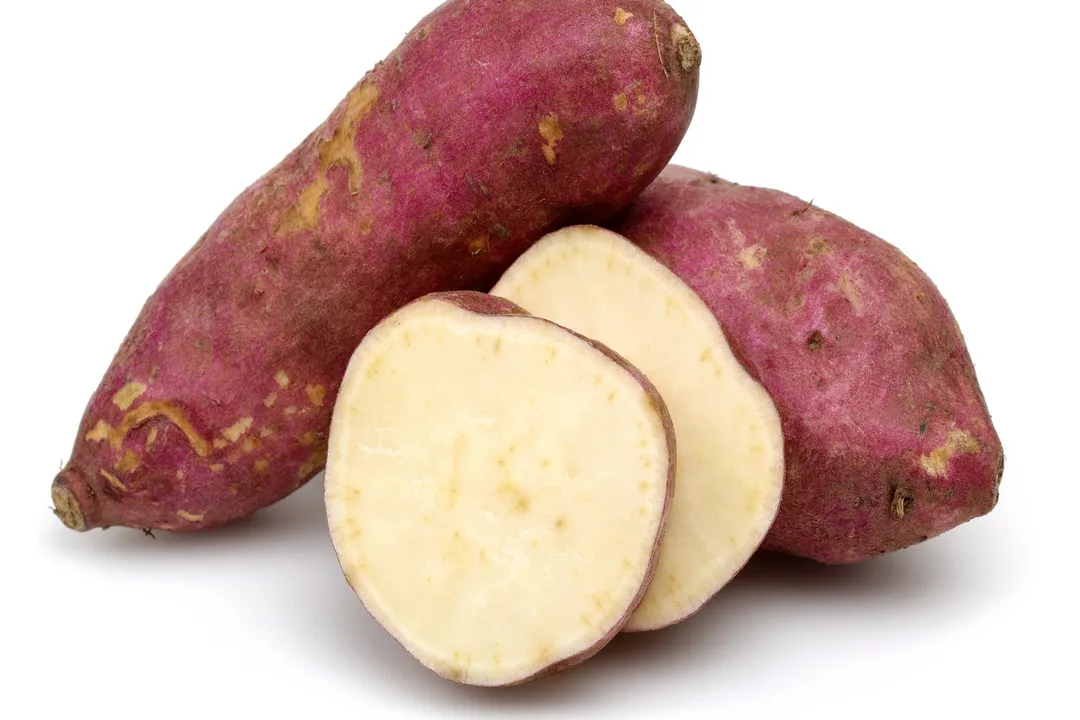
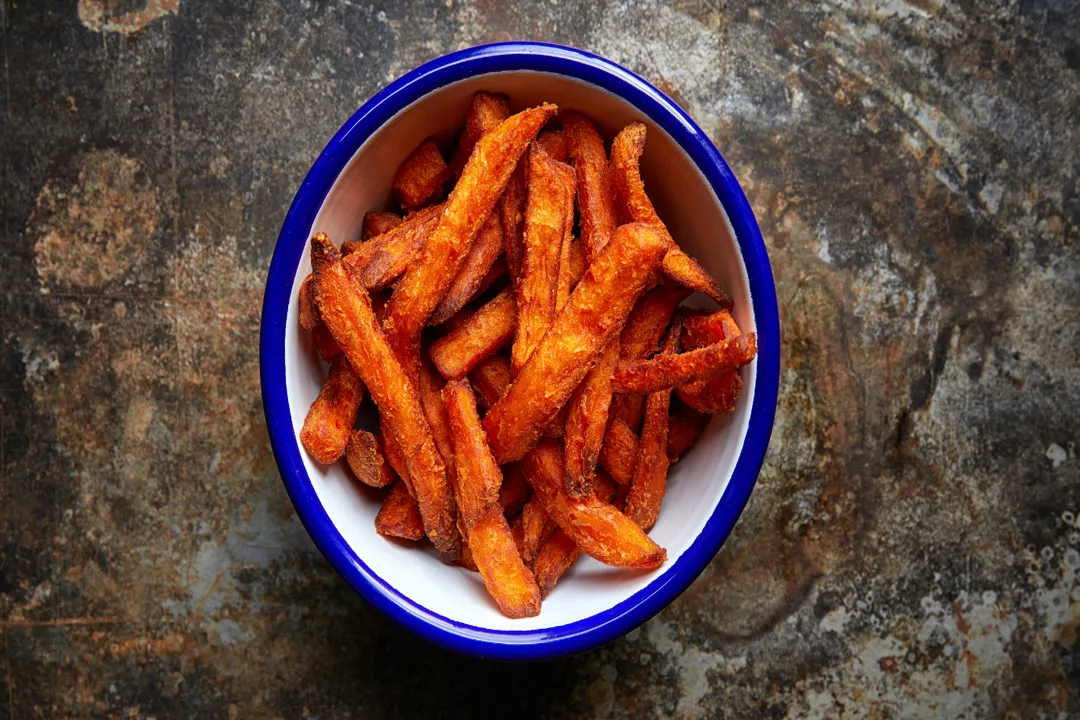
Boniato is generally recognized as a type of sweet potato that cooks up with a lighter, drier consistency than its more vibrant counterpart. [9] Where the orange sweet potato tends to caramelize and become very soft when baked, the Boniato holds its structure better, often described as similar to a white potato but with a distinctive, slightly earthy sweetness. [7] This textural difference is key; because it is starchier and less naturally sugary, it lends itself exceptionally well to savory preparations where a mashed, soft texture isn't the primary goal. [9] For instance, it works wonderfully when cut into sturdy fries or incorporated into baked goods where structural integrity is valued. [1][9] Recognizing Boniato as a separate entity, rather than just a pale orange sweet potato, allows us to appreciate its distinct place in the produce section and on the plate. [7]
# Nutrient Density
Like all sweet potatoes, the Boniato delivers a respectable package of essential micronutrients, serving as a good source of several vitamins and minerals vital for bodily functions. [4] A significant benefit often associated with this root vegetable is its high concentration of Vitamin C, an antioxidant that supports the immune system and aids in collagen production. [6][4] Furthermore, they are recognized for their potassium content, a mineral crucial for maintaining healthy blood pressure levels and proper muscle function. [4] While the darker, orange-fleshed sweet potatoes are famous for their massive doses of beta-carotene (Vitamin A precursor), the white or pale-fleshed varieties like Boniato still contribute positively to overall nutrient intake, even if their Vitamin A levels are lower. [2][4] They are also a source of B vitamins, including Vitamin B6, which is important for protein metabolism. [2] When considering incorporating this root vegetable regularly, remembering that a single medium serving can contribute substantially to your daily recommended intake of several key vitamins emphasizes its value. [4]
# Digestive Support
The contribution of Boniato to digestive health primarily stems from its substantial dietary fiber content. [2][4] Fiber is essential for maintaining regular bowel movements, preventing constipation, and promoting a feeling of fullness, which can assist in weight management. [2][6] This complex carbohydrate source feeds beneficial gut bacteria, supporting a healthy microbiome. [4] Interestingly, the starchiness that differentiates Boniato from other varieties might also influence digestion slightly; while high in fiber, the specific matrix of its starches interacts with the digestive process differently than the very sugary flesh of some orange types. [9]
If you were aiming to meet the general daily fiber recommendation of around 25 to 30 grams, understanding the contribution of a starchy root like Boniato is helpful. For context, a single medium sweet potato can provide between 3 to 5 grams of fiber. [2][4] This means that adding a side of roasted Boniato to a meal containing legumes or leafy greens immediately puts you on a much better track toward your daily fiber goal, providing a grounding, non-fermenting bulk that supports colon health. [4]
# Antioxidant Activity
The health halo surrounding sweet potatoes is often illuminated by their vivid color, linked directly to powerful antioxidants like beta-carotene. [2] However, Boniato, possessing a paler flesh, still offers significant antioxidant protection, though the types of compounds may differ slightly from its orange relative. [6] All sweet potatoes contain various antioxidants that combat free radicals in the body, protecting cells from oxidative stress. [2][6] Some research indicates that the skin and flesh contain phenolic compounds that possess beneficial biological activities. [8] Even in the absence of massive amounts of beta-carotene, the presence of Vitamin C and other less-pigmented polyphenols ensures Boniato remains a source of cellular defense. [2] For maximizing this benefit, a recommendation often surfaces: consuming the skin, where a significant portion of the nutrients and beneficial compounds resides. [8]
# Metabolic Balance
Managing blood sugar response is a common point of discussion when looking at starchy vegetables. Sweet potatoes, including the Boniato, generally have a lower Glycemic Index (GI) compared to white potatoes, which means they cause a slower, more gradual rise in blood sugar levels. [2][6] This characteristic is largely attributed to their high fiber content, which slows down the digestion and absorption of carbohydrates. [2] Although Boniato is starchier and less sweet than the standard orange sweet potato, which may suggest a marginally different GI profile, the underlying fiber and complex carbohydrate structure still support better metabolic control when eaten whole and prepared appropriately. [6][9] Cooking methods significantly alter this response; boiling or steaming tends to result in a lower GI than baking or roasting, a principle that applies equally to Boniato when you are making a conscious choice about your meal's impact. [2]
# Traditional Views
Diving into traditional or Ayurvedic perspectives often reveals deeper insights into how a food has been valued over time. [5] In Ayurvedic thought, certain root vegetables are categorized based on their inherent qualities, and sweet potatoes, including varieties like Boniato, are sometimes viewed as having a cooling effect on the system. [3] Furthermore, they are often considered balancing for conditions related to Kapha dosha, which is associated with earth and water elements, suggesting they provide grounding energy without being excessively heavy or overly heating. [3][5] This perspective suggests benefits extending beyond simple vitamin counts, touching on systemic balance, including positive effects on the skin and hair when consumed regularly. [3][5] While modern science focuses on vitamins and minerals, these traditional interpretations offer an alternative framework for understanding how regular consumption might contribute to overall well-being. [5]
# Vision and Skin Health
The role of specific vitamins in maintaining external health markers cannot be overlooked. The presence of Vitamin A (derived from carotenoids, even if lower in Boniato than orange types) and Vitamin C is directly linked to the maintenance of healthy skin and sharp eyesight. [5][6] Vitamin A is critical for vision, particularly in low light, and supports cell growth and differentiation throughout the body. [4] Vitamin C, as mentioned earlier, is essential for collagen synthesis, which keeps skin firm and supports the healing of wounds. [6] Choosing Boniato contributes to the daily quota of these protective factors, supporting the body's outer barrier and internal structures responsible for visual acuity. [5]
# Culinary Preparation Insights
The way Boniato is cooked directly impacts its nutrient availability and its health profile. Because it is drier and less sweet, it excels in recipes where a firmer texture is desired, such as roasting chunks or making fries—preparations where the natural sugars do not burn as quickly as they might in the softer, sweeter varieties. [9][7] When cooking, the inclusion of a healthy fat, such as olive oil, can actually enhance the absorption of fat-soluble nutrients, like any residual Vitamin A or Vitamin E present. [2]
To illustrate the impact of cooking on texture and potential GI effects, consider this simple comparison of how preparing Boniato can alter its immediate use:
| Preparation Method | Texture Result | Best Suited For | Potential GI Impact Note |
|---|---|---|---|
| Steaming/Boiling | Very soft, slightly pasty | Soups, purees | Generally lower GI compared to baking [2] |
| Roasting/Frying | Firm, crisp exterior | Fries, wedges [9] | Higher GI due to starch gelatinization [2] |
| Baking Whole | Drier, dense flesh | Stuffing, baking companion | Moderate GI, depends on internal moisture |
This shows that while the inherent fiber remains, how you treat the starch matrix through heat determines the final glycemic load and culinary role. [2][9] Opting to steam Boniato for a side dish, for example, maximizes its fiber's slowing effect on digestion compared to frying it in less healthy oils, linking preparation directly to metabolic benefits. [2] It’s worth noting that for an extra nutritional boost, washing the vegetable well and roasting or boiling it with the skin on ensures you retain the maximum amount of fiber and any beneficial compounds concentrated near the exterior. [8]
Related Questions
#Citations
What Is Boniato? Benefits, Recipes, Nutrition & More - Abasto
Sweet potatoes: Nutrition and Health Benefits - Healthline
What are the health benefits of consuming boniato?
Health Benefits of Sweet Potatoes - WebMD
Naturopathic Kitchen: Sweet Potatoes - AANMC
5 Benefits of sweet potato for health | Plameca, S.A.
Boniato Sweet Potatoes Information and Facts - Specialty Produce
Sweet Potato Is Not Simply an Abundant Food Crop - NIH
Boniato: The Caribbean Sweet Potato That You May Mistake For A ...