Health Benefits of Bok Choy
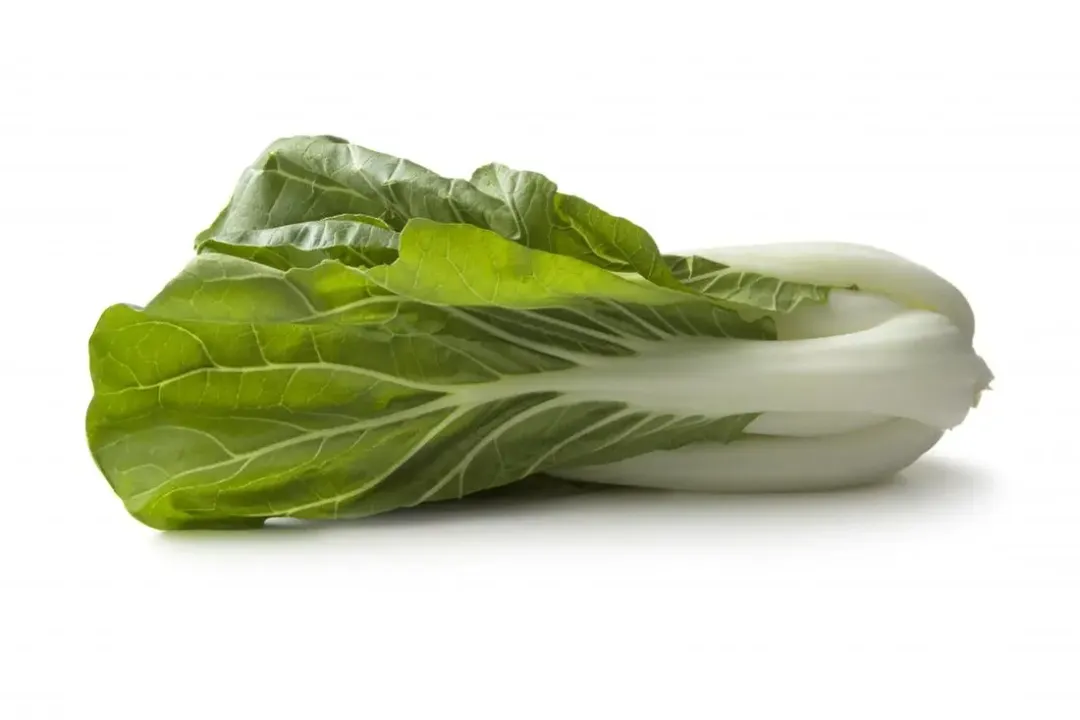
Bok Choy, often recognized as a staple in various Asian cuisines, is much more than just a leafy green addition to a stir-fry; it is a bona fide nutrient powerhouse packed into a crisp, edible package. [4] This specific type of Chinese cabbage, which features firm, white-to-pale-green stalks and dark green leaves, offers a range of advantages for overall health, making it a worthy addition to nearly any diet plan. [5][3] When examining its nutritional density, it becomes clear why this vegetable warrants attention from anyone focused on maintaining or improving their well-being, given its low caloric load relative to its vitamin and mineral concentration. [2][6][9]
# Nutrient Profile

The foundation of bok choy's health impact lies in its rich micronutrient composition. [4] It contains significant amounts of several essential vitamins and minerals that contribute to various bodily functions. [1][10] For instance, it is an excellent source of Vitamin K, which is vital for blood clotting processes and bone maintenance. [1][3] Beyond that, it supplies impressive quantities of Vitamin A, Vitamin C, and folate (Vitamin B9). [2][9]
When broken down, the key components read like a checklist for good health:
- Vitamin K: Crucial for proper bone mineralization and blood coagulation. [1][8]
- Vitamin C: An important antioxidant that supports immune system function. [2][7]
- Vitamin A: Contributes significantly to vision and immune health. [2][8]
- Folate: Essential for cell division and red blood cell formation. [1][3]
- Minerals: It provides notable amounts of calcium, potassium, manganese, and iron. [3][4][10]
Despite this concentration of beneficial substances, bok choy remains a very low-calorie food. [2][6] This characteristic makes it an ideal volume food—you can eat a good amount for satiety without accumulating excess calories or carbohydrates. [9]
# Bone Strength
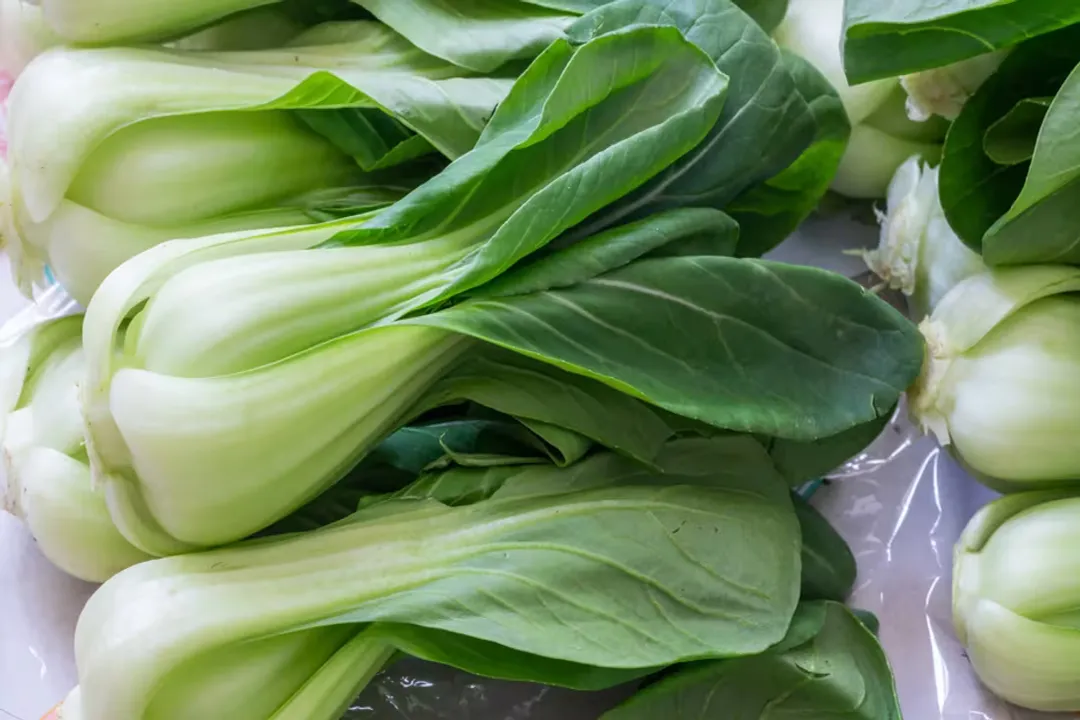
One of the most pronounced benefits associated with regular bok choy consumption centers around skeletal health, primarily driven by its high Vitamin K content. [10] Vitamin K is necessary for activating osteocalcin, a protein required for binding calcium within the bone matrix, essentially helping to solidify bone structure. [1] The presence of calcium itself further reinforces this benefit, as it is the primary building block of bones and teeth. [3][9]
It is worth noting the sheer concentration of this specific vitamin. Depending on the preparation and serving size, a single portion of bok choy can easily deliver several times the recommended daily intake of Vitamin K. [3] This level of bioavailability means that for individuals concerned about maintaining bone density, especially as they age, incorporating this brassica regularly can be a highly effective dietary strategy, potentially offering more concentrated support than some other common leafy greens might provide in a comparable portion. [1]

# Vision Support
Protecting our sight is another area where this vegetable shines, largely due to its Vitamin A content and specific carotenoids. [2][7] Vitamin A is fundamentally necessary for good vision, playing a role in the production of light-absorbing molecules in the retina. [1]
Bok choy is also a good source of lutein and zeaxanthin. [1] These two compounds are potent antioxidants known for accumulating in the macula of the eye. Their presence helps filter out harmful high-energy blue light, potentially reducing the risk of developing age-related macular degeneration (AMD) and cataracts over time. [1][8] For anyone spending significant time looking at screens, consciously consuming foods rich in lutein and zeaxanthin, like bok choy, is an easy step to support long-term ocular health. [1]
# Immune Function
The body's defense mechanisms receive a notable boost from the vitamins found abundantly in bok choy. [7][10] Vitamin C, a well-known immune supporter, is present in good supply, helping to stimulate the production of white blood cells and acting as an antioxidant to protect cells from damage during immune responses. [2][8]
In addition to the well-known vitamins, bok choy belongs to the cruciferous vegetable family, a group famous for its unique sulfur-containing compounds called glucosinolates. [3] While the sources focus on the general antioxidant properties, [8] these specific compounds are released when the vegetable is chopped or chewed and are associated with the plant's powerful protective capabilities, including anti-inflammatory effects that can generally support the body's overall wellness balance. [7]
# Heart Health
The impact of bok choy on cardiovascular health is multi-faceted, involving mineral balance, fiber, and anti-inflammatory properties. [7][10]
# Mineral Balance
Potassium, a mineral vital for regulating blood pressure, is present in bok choy. [3][9] Potassium works by counteracting the negative effects of sodium, helping to relax the walls of blood vessels and thereby lowering blood pressure. [2] Adequate intake of potassium-rich foods is a cornerstone of heart-healthy eating patterns. [10] Furthermore, the presence of magnesium and calcium also contributes to maintaining a normal heart rhythm. [4]
# Antioxidant Protection
The vitamins and antioxidants discussed previously also benefit the circulatory system by preventing oxidative stress on blood vessels, which can contribute to hardening of the arteries over time. [8] By reducing chronic inflammation, the compounds in bok choy help maintain the integrity and flexibility of the cardiovascular system. [7]
# Digestive Wellness
For those focusing on gut health or weight management, bok choy provides a beneficial source of dietary fiber. [6] Fiber is essential for promoting regular bowel movements and preventing constipation. [7]
Considering its use in diet planning, its low-calorie and low-carbohydrate profile is particularly advantageous. [9] Fiber-rich vegetables contribute significantly to feelings of fullness, or satiety, which can naturally lead to reduced overall calorie consumption throughout the day without feelings of deprivation. [6]

# Cooking and Preparation Insights
Bok choy is incredibly versatile. Its structure—a firm, water-storing stalk base and more tender, dark green leaves—means the two parts often cook at slightly different rates. [5] The stalks are crunchier and benefit from slightly longer cooking times, while the leaves wilt much faster. [5]
When preparing bok choy to maximize its nutritional value, consider the cooking method carefully. Because many of its beneficial vitamins, particularly Vitamin C and some B vitamins like folate, are water-soluble, boiling can lead to significant nutrient loss into the cooking water. [3] If you are using the water as part of a sauce or broth, you recapture some of those nutrients, but for maximum retention, quick methods like steaming, stir-frying, or light sautéing are preferable. [4] If you do choose to boil or blanch the vegetable briefly, be sure to use minimal water and save that liquid for use in soups or stocks; this simple act of incorporating the cooking liquid can make a noticeable difference in your daily nutrient harvest from the vegetable. [4]
# Mineral Content Comparison
To better understand the contribution of bok choy, comparing the major minerals it offers can be illuminating. While the exact figures vary slightly based on the specific type and growing conditions, a general overview demonstrates its mineral density. [4][9]
| Nutrient | Primary Role | Source of Benefit |
|---|---|---|
| Calcium | Bone Matrix, Muscle Function | Skeletal Strength [10] |
| Potassium | Blood Pressure Regulation | Cardiovascular Support [2] |
| Manganese | Metabolism, Antioxidant Defense | Enzyme Cofactor [4] |
| Iron | Oxygen Transport | Energy Levels [6] |
This combination of minerals supports everything from energy production (via iron) to the enzymatic processes required for countless bodily functions (supported by manganese). [4]
# Versatility in the Kitchen
The mild, slightly sweet, and subtly earthy flavor profile of bok choy makes it adaptable to many culinary styles beyond traditional Asian dishes. [5] The stalks offer a refreshing crunch when eaten raw or lightly steamed, similar to celery or iceberg lettuce, making them perfect for adding texture to salads or slaws. [5] The leaves, which are more delicate, incorporate easily into soups toward the end of cooking, where they soften quickly without losing all their structure. [5] This ease of integration, whether raw or cooked, ensures that integrating this nutrient-dense green into your diet requires minimal effort or extensive recipe changes. [7]
Related Questions
#Citations
Health Benefits of Bok Choy - WebMD
5 Bok Choy Benefits - Health Cleveland Clinic
Bok Choy: Nutrition, Benefits, Risks, and How to Cook It - Healthline
[PDF] Health Benefits of Bok Choy
What is Bok Choy? Benefits, Recipes, and Storage Tips
Bok Choy: Brimming with Nutritional Benefits
Bok Choy: Leverage The Astounding Benefits Of The Chinese ...
Bok choy: Benefits, nutrition, diet, vs spinach, and risks
Everything You Need to Know About Bok Choy - Diabetes Food Hub
Health Benefits of Bok Choy - ICICI Lombard