Health Benefits of Blueberry
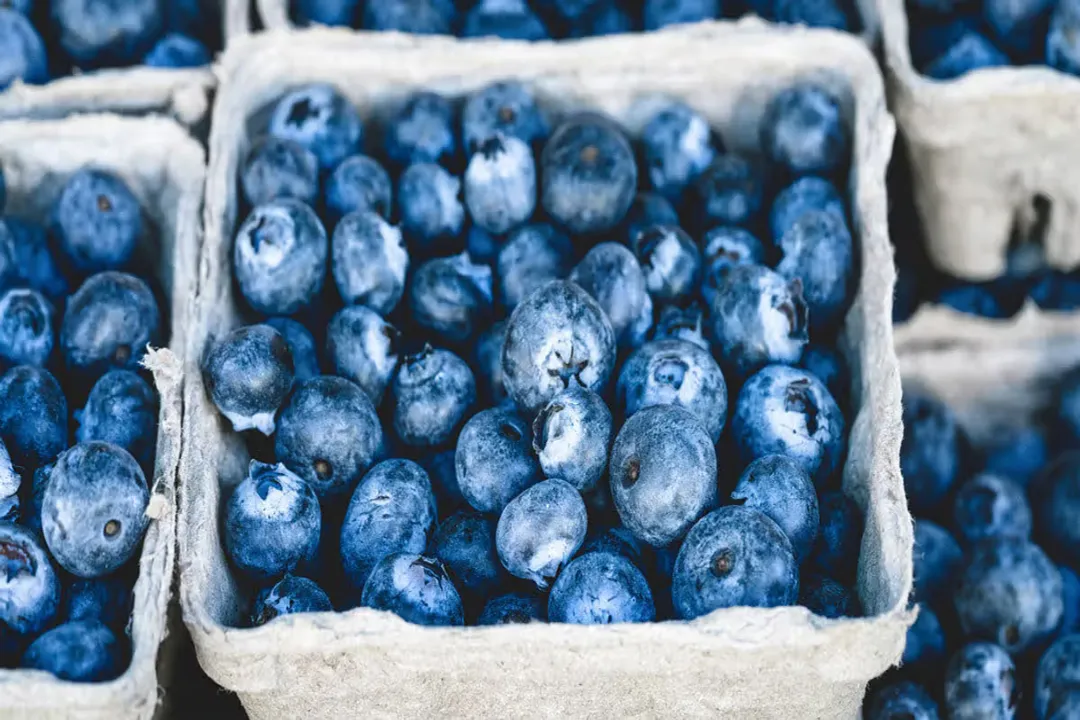
This small, intensely colored fruit, often crowned with the esteemed title of "superfood," offers a remarkable concentration of wellness packed into a sweet, convenient bite. Blueberries are more than just a delightful addition to morning cereal or yogurt; they represent a potent source of nutrients that researchers continue to find are linked to supporting nearly every major system in the body. [4][5] Native to North America, these berries owe their vibrant, deep blue-purple hue to powerful plant compounds, making them a food that benefits the body from the inside out. [1][6]
# Nutrient Density
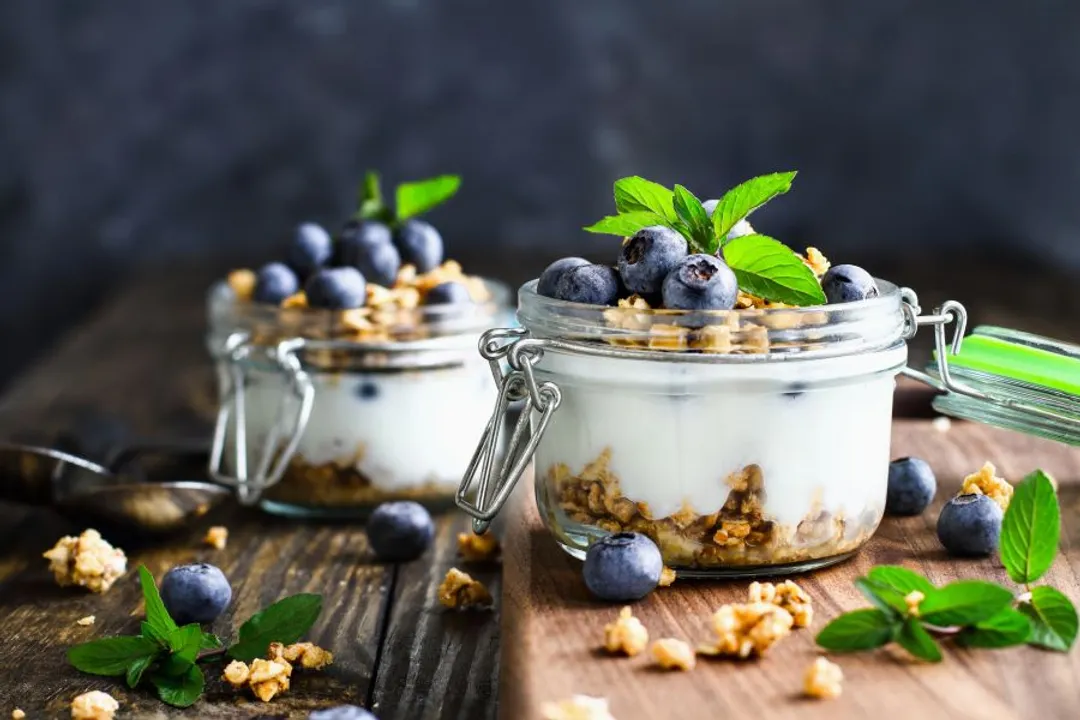
A single cup, approximately 150 grams, of these berries comes with a modest caloric load—often around 80 to 84 calories—while delivering essential micronutrients. [1][3][5] This favorable ratio of low calories to high nutrient content makes them excellent for weight management, as their high water content helps promote feelings of fullness quickly. [1] Nutritionally, a serving provides significant amounts of several key players. For instance, it delivers around 24% of the Daily Value (DV) for Vitamin K and about 13% of the DV for dietary fiber. [1][3] They also offer a good boost of Vitamin C, ranging from 14% to 25% of the DV, alongside essential minerals like manganese and potassium. [2][3][5][6]
# Antioxidant Power
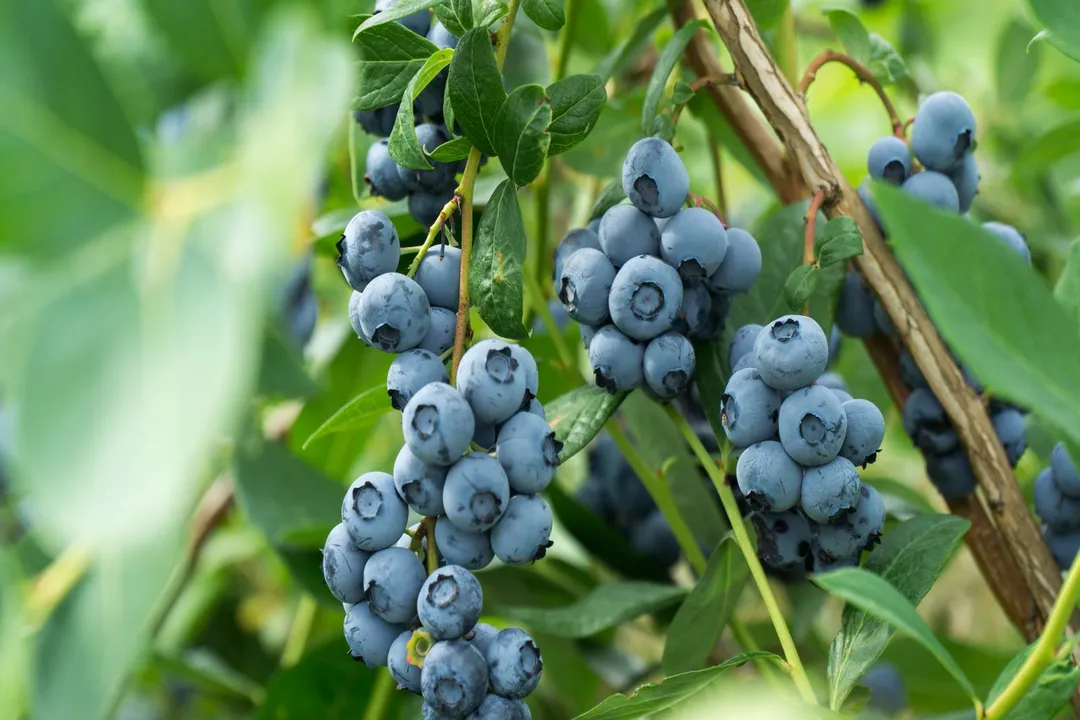
The true depth of the blueberry's reputation rests in its exceptional antioxidant capacity. [5] Blueberries rank among the highest in antioxidant activity when compared against many other commonly consumed fruits and vegetables. [6][8] These antioxidants work by neutralizing unstable molecules called free radicals, which are constantly being generated in the body and are implicated in cellular damage, the aging process, and the development of chronic diseases like cancer. [1][3][5]
The primary active agents belong to a family of polyphenols known as flavonoids. [1][3][4] Specifically, the pigment responsible for the berry's distinctive color—the anthocyanins—is thought to be the main driver behind many of their heralded health effects. [1][2][5][6] Because blueberries are rich in these compounds, laboratory research suggests they may help mitigate the unavoidable oxidative DNA damage that occurs daily in our cells, which is a factor in the development of cancer. [1][3]

# Heart Support
One of the most thoroughly investigated areas of blueberry research concerns cardiovascular health. [4] Population studies have indicated that higher, habitual consumption of these berries is associated with a reduced risk of heart issues, including myocardial infarction (heart attack), particularly in women. [1][6][8]
The mechanisms through which blueberries support the heart are multifaceted:
- Blood Pressure Regulation: Regular intake appears capable of reducing high blood pressure, a major risk factor for heart disease. [1][5][6] This benefit has been specifically noted in individuals who are sedentary, as well as in postmenopausal women experiencing elevated blood pressure or stage 1 hypertension. [1][4] It is worth noting, however, that research is not entirely uniform, and some controlled trials did not observe a significant impact on blood pressure levels. [4]
- Vascular Function: Studies strongly suggest that blueberries positively influence how blood vessels perform, leading to improvements in endothelial function and arterial stiffness. [1][4] In some cases, these improvements in blood vessel health have been directly linked to a reduction in oxidative stress. [4]
When looking at specific compounds, scientific reviews confirm that the anthocyanins present in blueberries—and the metabolites they form after consumption—are key mediators in providing these vascular-protective effects. [4] Interestingly, while general fruit intake is encouraged, data suggests that focusing on anthocyanin-rich berries might offer targeted benefits. Furthermore, data comparison indicates that in populations already managing risk factors, achieving a noted benefit might require a higher daily dose equivalent than what is needed for seemingly healthy adults. [4]
# Cognitive Preservation
Protecting the brain against the inevitable stress of aging is another area where these berries show potential. [4] Oxidative stress is known to accelerate the aging process in the brain, which can negatively impact cognitive function. [1]
Evidence suggests that consistent blueberry intake can act as a protective factor:
- Population studies have linked a higher intake of berries, including blueberries, to a slower rate of overall cognitive decline in older adults. [4]
- Clinical trials utilizing freeze-dried blueberry consumption have demonstrated improvements in cognitive performance over periods of 12 to 24 weeks in both cognitively unimpaired middle-aged and older adults, as well as those already experiencing mild cognitive impairment. [4]
- Animal models have shown that blueberry diets improved performance in memory tasks and reversed certain age-related cognitive deficits. [1][4]
The mechanisms thought to be involved include enhancing cerebral blood flow, improving vascular function, and reducing systemic inflammation and oxidative stress within the brain tissue. [1][4] If you are looking for a simple daily mental boost, consider this: adding blueberry powder equivalent to about one cup of fresh berries daily has been linked to maintaining brain function and boosting memory in older individuals. [1]
# Metabolic Harmony
For those concerned about blood sugar management, blueberries present a measured approach compared to some other fruits, containing moderate amounts of sugar (around 14 grams per cup). [1] Population data has consistently connected a higher intake of blueberries to a lower risk of developing Type 2 diabetes. [4][6]
In controlled trials focusing on glucose regulation and insulin resistance, the evidence points toward the bioactive compounds having beneficial effects on insulin sensitivity. [1][5] Some studies involving adults with obesity and insulin resistance showed measurable improvements in insulin sensitivity after just six weeks of daily blueberry consumption. [4] While not every study showed a change in long-term markers like HbA1c, there have been documented reductions in fasting blood insulin levels in some pre-diabetic groups. [4] Moreover, consuming the equivalent of one cup of fresh blueberries with a high-sugar, high-fat meal has been shown to temper the subsequent spike in both blood glucose and insulin concentrations over a 24-hour period. [4]
# Athletic Edge and Gut Realm
The benefits of blueberries extend into physical recovery and the often-overlooked world of the gut microbiome.
# Recovery Enhancement
Strenuous exercise inevitably leads to oxidative stress and inflammation in muscle tissue, causing soreness and fatigue. [1][2] Emerging research suggests that blueberry compounds may help mitigate this damage at a molecular level. [1] Specific studies have shown that consuming blueberries can counter post-exercise increases in pro-inflammatory signaling molecules (oxylipins) and may aid in the resolution of inflammation following demanding exercise bouts, like long cycling sessions. [4]
# Digestive Health
Blueberries contribute to a healthy digestive system largely through their fiber content, which keeps things moving smoothly. [2][5] Beyond the fiber, the presence of prebiotics is important; these compounds essentially act as food for the beneficial bacteria living in the gut. [2]
The extensive metabolism of blueberry anthocyanins by the gut microbiota is a rapidly developing research area, suggesting that the compounds produced after digestion may mediate significant health benefits. [4] While human trials show results can be modest and variable, consistent consumption has been linked to favorable shifts in gut bacteria composition, sometimes noting increases in beneficial types like Bifidobacteria. [4][6] In animal models, blueberry intake has been linked to reduced gut inflammation and improved barrier integrity. [4]

# Practical Choices
When incorporating these benefits into your routine, the form you choose matters, as does the variety.
# Wild Versus Cultivated
Blueberries are generally categorized as Highbush (the most common cultivated type) or Lowbush, often called wild blueberries. [3][5] Research suggests that these smaller wild varieties can sometimes possess an even higher concentration of anthocyanins compared to their larger, farmed counterparts. [3][5] Conversely, highbush varieties might edge out wild ones in Vitamin C content. [5] For consumers prioritizing the highest antioxidant punch, the wild option might be preferable, though both are excellent choices. [6]
# Freshness Paradox
The debate between fresh and frozen is less about superiority and more about convenience and nutrient retention timing. Fresh berries are traditionally in season from spring through early autumn in North America, but imports make them available year-round. [5]
Freezing, however, is done at peak ripeness. This process locks in nutrients that might otherwise degrade in fresh berries sitting on a shelf or in your refrigerator over several days. [2][3] While frozen berries might show slightly lower Vitamin C levels, they often retain robust levels of other components. [5] A simple practice to ensure year-round nutritional security is to buy fresh berries when they are plentiful and inexpensive, wash them, dry them thoroughly, and flash-freeze them in a single layer on a baking sheet before bagging for later use. [1][2] By adopting a primary strategy of relying on flash-frozen berries for smoothies and cooking, and reserving fresh berries for immediate, raw snacking to savor their texture, you can optimize both nutrient preservation and taste experience. [2]
# Dosing and Dietary Inclusion
While the data is promising across multiple health domains, one persistent gap is a precise, universally agreed-upon "optimal dose". [4] Some research suggests that a daily intake equivalent to roughly half a cup to two cups of fresh blueberries can deliver observable health improvements. [4][7] Given the complexity of human diets, focusing on a specific number might be less useful than ensuring consistent, regular inclusion.
It is crucial to remember that when studies investigate whole fruits like blueberries, they are assessing the effects of the entire food matrix—the fiber, the sugars, the vitamins, and the hundreds of polyphenols working together. Isolated supplements of anthocyanins, while convenient, do not necessarily replicate these synergistic whole-food effects, and safety regarding high-dose extracts has not been fully established. [4]
If you are focused on maximizing the benefit for specific conditions like pre-diabetes, an important consideration not always controlled for in initial studies is overall carbohydrate load. Since blueberries do contain carbohydrates, individuals aiming to manage glucose may need to consciously balance their blueberry intake by reducing other carbohydrate sources in that meal to maintain glycemic equilibrium. [4] The Nordic Nutrition Recommendations underscore the importance of berries, advising a total daily intake of 500–800 grams of combined fruits, vegetables, and berries. [4] This highlights the value of dietary patterns that regularly feature this fruit subgroup, whether fresh, frozen, or freeze-dried.
The evidence strongly points toward blueberries being a significant nutritional asset, capable of affecting everything from blood vessel elasticity to cognitive sharpness over time. As research continues to address gaps regarding long-term effects and personalized dosing, the immediate takeaway remains clear: making room for these small blue gems in your daily diet is a proactive step toward supporting long-term health.[4][7]
Related Questions
#Citations
7 Proven Health Benefits of Blueberries - Healthline
6 Reasons to Eat More Blueberries | St. Vincent's Medical Center
The state of the science on the health benefits of blueberries
Blueberries: Small Fruit, Big Benefits | Media and Public Relations
Health Benefits of Blueberries - WebMD
Blueberries and Health : USDA ARS
The nutritional power of blueberries - Mayo Clinic Health System
Health Benefits - BC Blueberry Council