Health Benefits of Blackberry
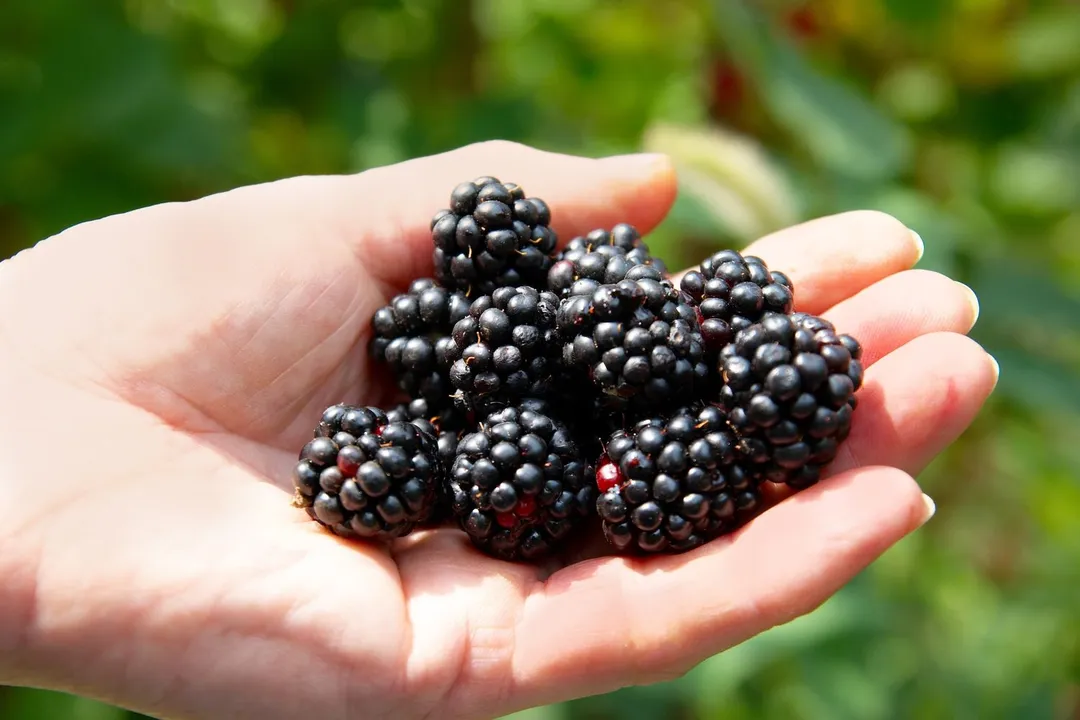
The deep, jewel-toned hue of blackberries is not just visually appealing; it signals a dense concentration of beneficial compounds ready to support various aspects of human health. These berries, often enjoyed fresh off the vine or baked into a rustic dessert, carry a nutritional profile that warrants closer examination, moving them beyond mere seasonal treats into the realm of functional foods. [1][5]
# Antioxidant Powerhouse
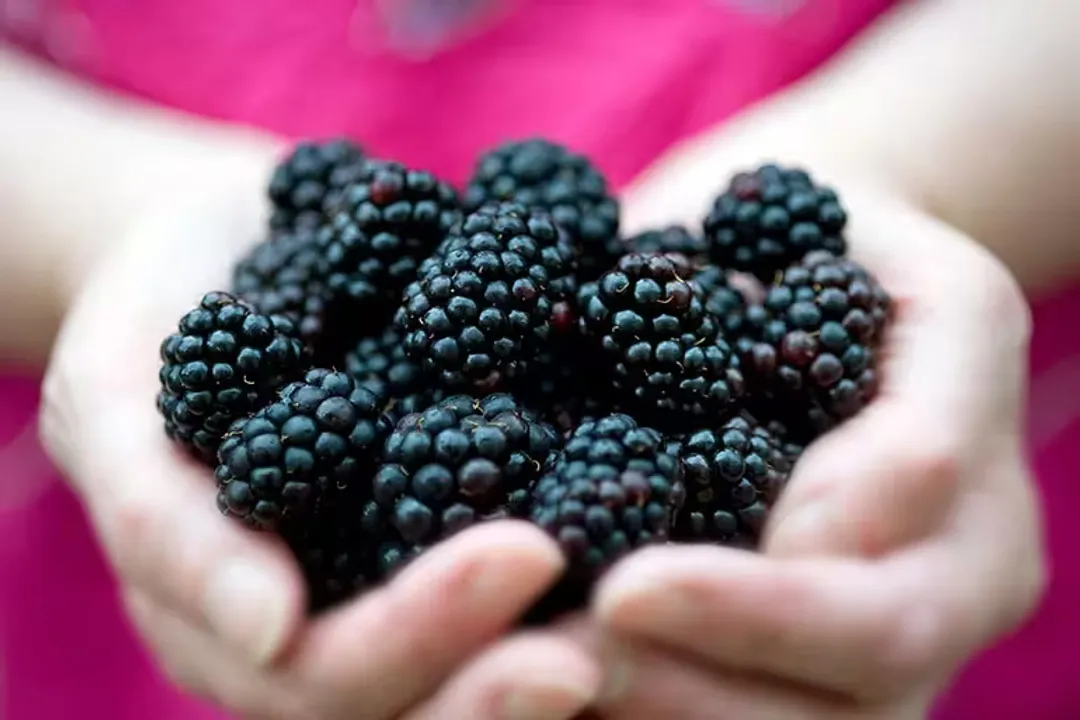
One of the most frequently highlighted attributes of blackberries is their exceptional antioxidant capacity. The dark pigmentation, ranging from deep purple to near-black, is directly linked to the presence of powerful phytochemicals, primarily anthocyanins. [1][6] These pigments belong to the flavonoid family, which acts as the plant’s defense mechanism, and they perform a similar protective role within the human body by neutralizing harmful free radicals. [3][6] Oxidative stress, caused by an imbalance between free radical production and the body’s ability to detoxify them, is implicated in the aging process and the development of various chronic diseases. [1][3] Consuming foods rich in these protective compounds helps mitigate this cellular damage. [1][3]
Blackberries contain various polyphenols, including ellagic acid, which has attracted significant scientific attention. [3][10] Research has indicated that ellagic acid may possess anti-proliferative effects against certain cancer cell lines in laboratory settings, though human studies confirming this benefit on a large scale are still developing. [3][10] The synergistic effect of all the polyphenols present means that the benefit derived from eating the whole berry is likely greater than consuming isolated components. [6] When considering which berries to prioritize for antioxidant intake, blackberries often rank highly due to their high ORAC (Oxygen Radical Absorbance Capacity) scores, frequently surpassing many more commonly consumed fruits. [1] If you are focused purely on maximizing polyphenol intake per serving size, focusing on blackberries when they are in peak season means you are likely consuming one of the most potent antioxidant sources available in fresh produce. [4]
# Vitamin Profile
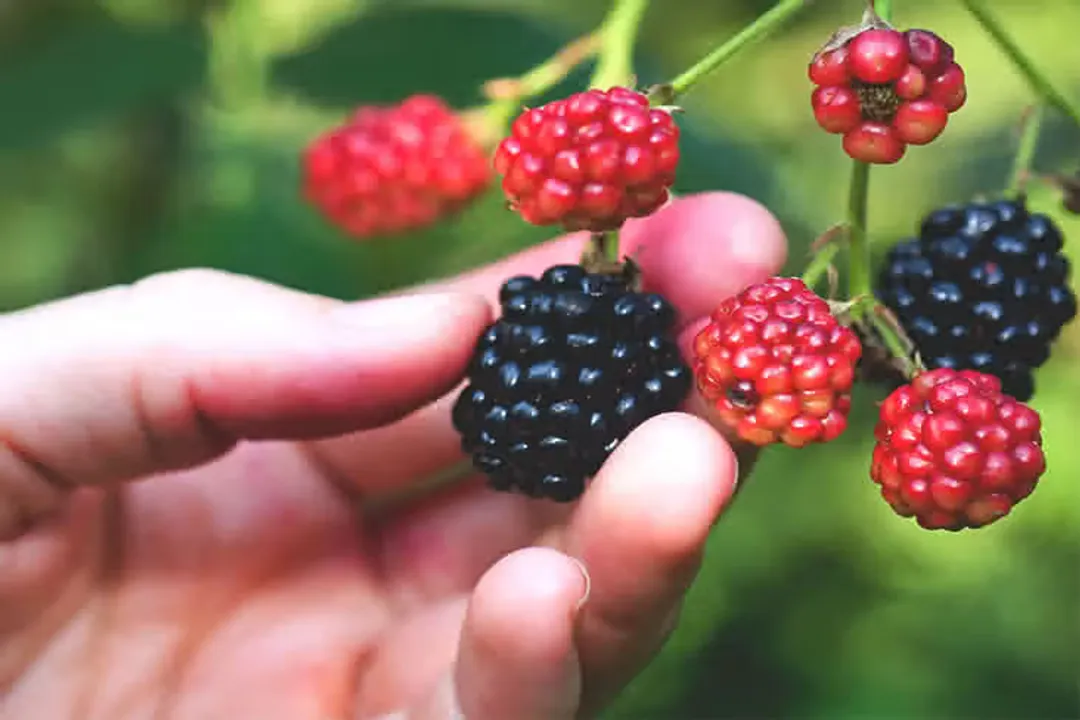
Beyond the powerful plant chemicals, blackberries offer a significant contribution of essential vitamins and minerals necessary for daily bodily functions. [1][5]
# Vitamin K and Bone Support
Blackberries are an excellent source of Vitamin K, a fat-soluble vitamin critical for blood health. [1][6] Vitamin K plays a necessary role in the process of blood coagulation, ensuring that wounds can clot properly. [5] Furthermore, this vitamin is increasingly recognized for its importance in maintaining bone density. It aids in the process of bone mineralization by helping to regulate calcium in the body, making it a key dietary component for skeletal strength, particularly as we age. [6]
# Ascorbic Acid Content
They also provide a healthy dose of Vitamin C (ascorbic acid). [1][5] Vitamin C is a well-known immune system supporter, but its functions extend much further into structural maintenance. [1] It is a necessary cofactor in the synthesis of collagen, the primary structural protein in connective tissues, which supports healthy skin, tendons, ligaments, and blood vessels. [1][6]
# Mineral Essentiality
The mineral content of blackberries is noteworthy, particularly their supply of manganese. [1][5] Manganese is an essential trace mineral involved in numerous metabolic pathways. [5] It acts as a cofactor for several enzymes involved in nutrient absorption and utilization, including those involved in carbohydrate and fat metabolism. [1] Crucially, manganese is also integrated into the body’s natural defense systems, supporting the activity of enzymes that help protect cells from oxidative damage. [5] While the amounts in a single serving are small, consistent dietary intake contributes substantially to meeting the daily requirements for this often-overlooked mineral. [1]

# Digestive Health
The dietary fiber content in blackberries contributes significantly to digestive wellness and overall satiety. [1][6] A single cup of fresh blackberries provides a notable amount of fiber, which is essential for maintaining regular bowel movements and preventing constipation. [1] This fiber largely consists of both soluble and insoluble types. [6] Insoluble fiber adds bulk to stool, helping food pass more quickly through the digestive tract. [6] Soluble fiber, conversely, dissolves in water to form a gel-like substance, which can slow digestion, leading to increased feelings of fullness after a meal. [1][6]
This interaction with digestion also has secondary benefits related to blood sugar management. By slowing down the rate at which carbohydrates are absorbed into the bloodstream, the fiber matrix in blackberries helps prevent sharp spikes in glucose levels after eating. [1]
When preparing blackberries, especially if you intend to process them into jams or bake them extensively, consider the effect on the fiber structure. While cooking softens the berry, which can make it easier for some people to digest, excessive processing can sometimes degrade the delicate structure of the fiber and other heat-sensitive nutrients. For maximum gut benefit, incorporating raw or lightly cooked berries into your diet is a sound strategy. [4]
# Heart and Brain Function
The combination of fiber, antioxidants, and low caloric density positions blackberries as a heart-friendly fruit choice. [6][7] The polyphenols, particularly anthocyanins, are associated with supporting healthy blood pressure levels, an important metric for cardiovascular wellness. [6][7] Furthermore, the consumption of these berries has been linked to favorable outcomes regarding cholesterol profiles. [6] By potentially reducing the oxidation of LDL (the "bad") cholesterol, blackberries help maintain the flexibility and health of arterial walls. [7]
The protective effects of the berry’s compounds are not limited to the circulatory system; they also extend to the central nervous system. The potent antioxidants help combat the oxidative stress that can accumulate in the brain over time. [1][6] Some research suggests that the regular inclusion of high-antioxidant berries like blackberries can be associated with improvements in cognitive function and memory, possibly helping to slow age-related mental decline. [1][6] The brain is an organ highly susceptible to oxidative damage due to its high oxygen consumption, making nutrient delivery from sources like blackberries particularly valuable. [1]
# Hydration and Weight Management
Blackberries are naturally low in calories, containing roughly 62 calories per cup, which is quite low for such a nutrient-dense food. [1] They also boast a high water content, typically around 85 percent. [1][5] This combination of high water and significant fiber contributes to feelings of satiety or fullness. [1][6] When you consume foods that are high in water and fiber, you naturally feel satisfied consuming fewer overall calories, which can be a practical advantage for anyone managing their weight. [1]
To put this into perspective: if you were to eat a standard 150-calorie snack, replacing it with a large cup and a half of blackberries would deliver significantly more essential vitamins (like C and K) and beneficial phytochemicals while still keeping the calorie count manageable, demonstrating an excellent nutrient-to-energy ratio. [5]
# Comparison with Other Produce
While many berries offer health rewards—strawberries offer high Vitamin C, blueberries are often cited for brain health—blackberries possess a unique balance that makes them stand out in the berry family. [4] For instance, comparing a standard cup of blackberries to a cup of raspberries, you will often find that blackberries possess a slightly higher concentration of certain essential minerals, such as manganese, and potentially a different profile of specific anthocyanin types, though both are excellent choices. [4] The key takeaway, supported by multiple analyses of fruit consumption, is that variety is essential, but the deep pigmentation of blackberries places them among the elite fruit choices for maximizing polyphenol intake. [1][6]
| Nutrient Group | Key Component | Primary Function Supported |
|---|---|---|
| Polyphenols | Anthocyanins, Ellagic Acid | Antioxidant defense, reduced oxidative stress [1][3] |
| Vitamins | Vitamin K | Blood clotting, bone mineralization [5][6] |
| Vitamins | Vitamin C | Collagen synthesis, immune support [1][6] |
| Minerals | Manganese | Enzyme cofactor, metabolism, antioxidant defense [1][5] |
| Macronutrients | Dietary Fiber | Digestive regularity, satiety, blood sugar control [1][6] |
# Considerations for Consumption
To fully capture the advantages blackberries offer, how they are incorporated into the diet matters. Because they are perishable, using them quickly after purchase is important, as their texture and nutritional quality can degrade over a few days. [4] Freezing is an excellent alternative; frozen berries generally retain their nutritional value quite well, making them accessible year-round. [4]
While raw consumption maximizes the intake of heat-sensitive vitamins like Vitamin C, many of the phenolic compounds, like anthocyanins, show reasonable stability under moderate heat, meaning that baked goods or lightly stewed berries still provide substantial benefits. [3] If you are incorporating blackberries into a smoothie, a good practice is to blend them with a source of healthy fat, such as a small spoonful of nut butter or avocado. Since Vitamin K is fat-soluble, pairing it with a lipid can help improve its absorption in the digestive system, ensuring you get the maximum systemic benefit from this essential vitamin. [5]
Furthermore, while the flavor of blackberries is often enjoyed fresh, they can be easily added to savory dishes. Tossing a few thawed blackberries into a vinaigrette for a green salad that includes spinach or kale introduces beneficial antioxidants alongside the greens, creating a multi-layered nutritional punch that goes beyond simple snacking. [7]
In summary, the case for blackberries is built on a foundation of proven micronutrients and potent, protective plant compounds. From supporting bone density with Vitamin K to fighting cellular stress with anthocyanins, integrating this dark fruit into one's regular eating pattern offers tangible, science-backed benefits for long-term health maintenance. [1][3][6]
#Videos
Why Blackberries Are The Superfood You Didn't Know About
Related Questions
#Citations
6 Benefits of Blackberries for Health and Nutrition - Healthline
[PDF] Blackberry Fruit: Nutrition Facts and Health Benefits - Virginia Tech
Blackberries and Mulberries: Berries with Significant Health ...
10 Berry Health Benefits - Oregon Raspberries & Blackberries
Top 10 health benefits of blackberries - BBC Good Food
Health Benefits of Blackberries - WebMD
6 Health Benefits of Blackberries - Health Cleveland Clinic
What Happens to Your Body When You Eat Blackberries Regularly
Why Blackberries Are The Superfood You Didn't Know About