Health Benefits of Beet
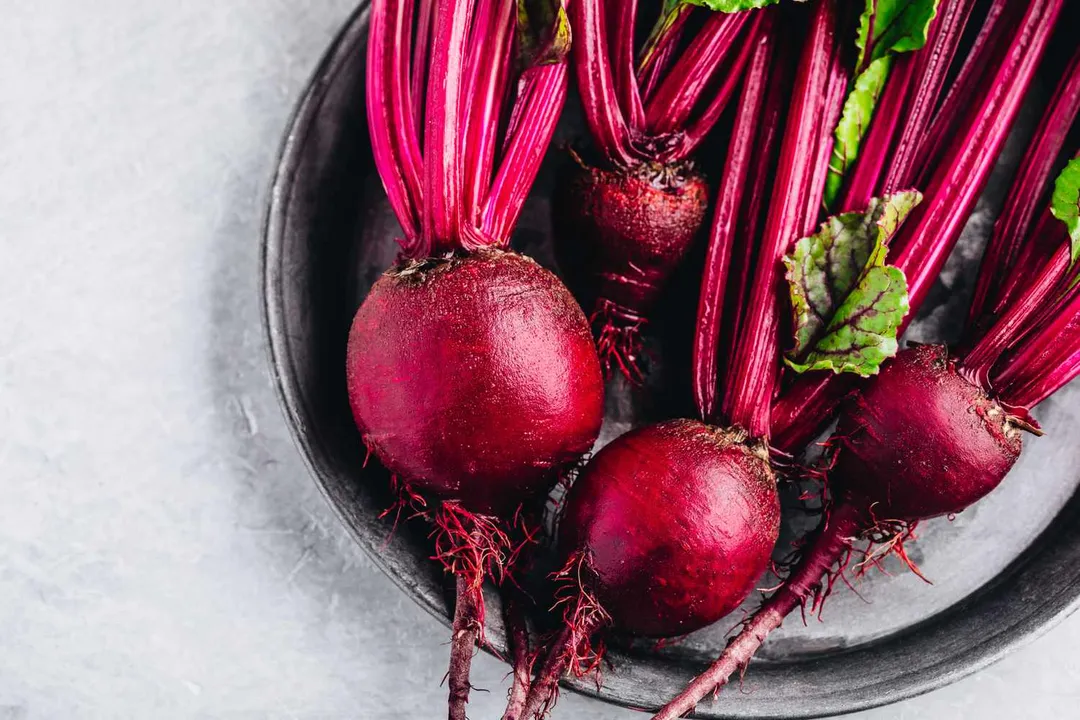
The vibrant, earthy root vegetable known as the beet—or beetroot—is more than just a culinary splash of color; it is a nutritional powerhouse that has garnered significant attention for its wide array of potential health effects. Native to Europe and the Mediterranean, this root vegetable, which shares family ties with chard and spinach, packs essential vitamins, minerals, and unique plant compounds into a low-calorie package. Whether you encounter it as a deep purple-pink root, or in its golden or candy-cane striped varieties, the benefits derived from consuming beets, their juice, or even their greens, are compelling, particularly for cardiovascular and athletic health.
# Nutrient Density
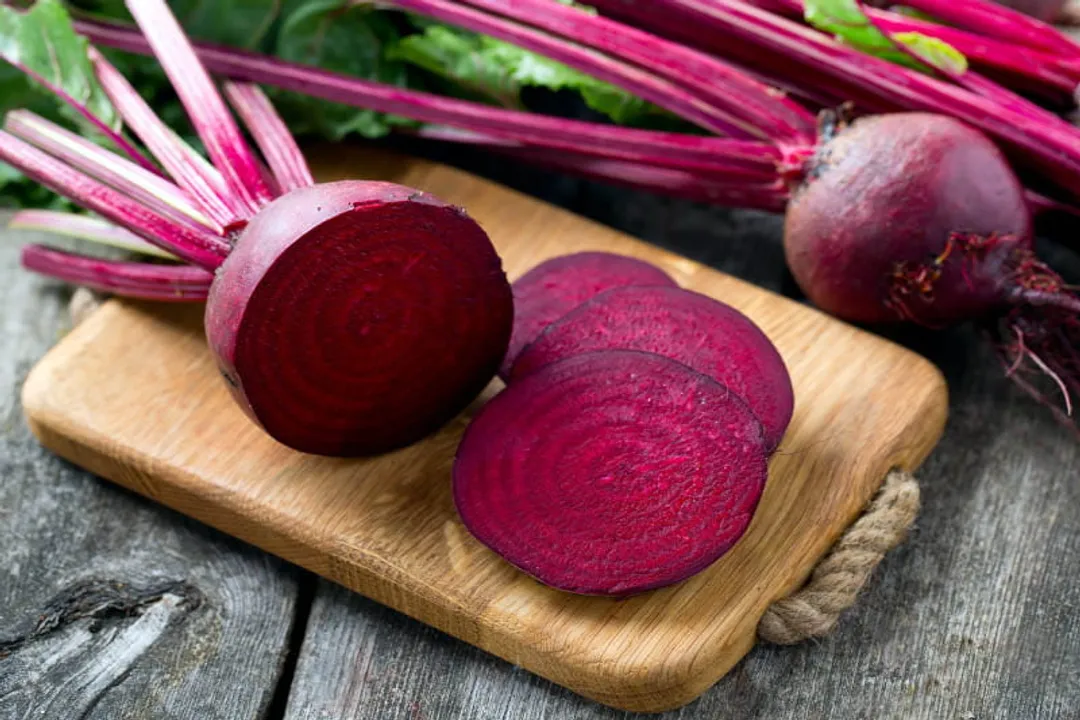
Beets boast an impressive profile relative to their low caloric content. A standard serving of about 100 grams of boiled beetroot contains only around 44 calories, virtually no fat, and no cholesterol. This same serving provides essential micronutrients, including a significant portion of your daily needs for folate (Vitamin B9), which is vital for growth, development, and heart health. They also deliver good amounts of manganese, important for bone formation and brain function, as well as copper and potassium. Furthermore, both the leaves and the roots are valuable; the deep green beet greens are recognized as a terrific source of beta-carotene, lutein, and zeaxanthin, beneficial for vision health.
# Blood Pressure

Perhaps the most well-researched benefit of beets relates to cardiovascular health, primarily due to their high concentration of dietary nitrates. In the body, these nitrates are converted into nitric oxide (NO), a molecule that signals the blood vessels to relax and widen, which in turn lowers blood pressure (BP). Small studies have indicated that beetroot juice can significantly reduce both systolic (contraction pressure) and diastolic (relaxation pressure) levels. This vasoprotective effect is so pronounced that nitrate-rich beetroot has been studied for its ability to improve arterial endothelial function in various groups, including healthy men and older adults. It is worth noting, however, that this effect is generally considered temporary, meaning consistent intake is required to maintain long-term benefits. Moreover, research suggests that the greatest anti-hypertensive impact may be seen in individuals who already have uncontrolled high blood pressure, as some trials in already treated hypertensive patients found no significant improvement.

# Athletic Performance
The same nitrate-to-nitric oxide pathway that benefits blood flow also translates into performance advantages for athletes. Nitrates in beets are recognized for enhancing athletic exercise performance by potentially improving the efficiency of mitochondria, the energy producers within cells. Studies have shown that beetroot juice can increase cardiorespiratory performance and endurance, sometimes leading to an improved oxygen use of up to 20%. This can translate to being able to exercise for longer before exhaustion sets in. Performance gains have been noted in activities ranging from cycling to high-intensity intermittent sprints, where nitrate-rich beetroot improved the time taken to reach peak power. The consensus suggests timing is key: blood nitrate levels peak about two to three hours after consumption, making it wise to consume beets or juice a couple of hours before training or competition to maximize this effect. Furthermore, some evidence indicates that the phytonutrients in beets may help attenuate muscle soreness following strenuous exercise, an effect possibly related to the interaction between phytonutrients and nitrate.
# Oxidation Defense
Beets are among the most antioxidant-rich vegetables available, largely due to the presence of pigments called betalains. These natural compounds give red beets their distinct hue and have powerful antioxidant and anti-inflammatory capabilities. Betalains, especially betanin, work by scavenging damaging free radicals, preventing DNA damage, and generally counteracting oxidative and nitrative stress. In fact, some research suggests the free radical scavenging ability of betanin can be nearly twice as high as certain anthocyanins under specific pH conditions. This protective action may help reduce the risk factors associated with chronic diseases where inflammation is a factor, such as heart disease, liver disease, and cancer. In controlled settings, beet juice consumption has been shown to significantly reduce systemic inflammation markers like C-reactive protein (CRP) and tumor necrosis factor-alpha (TNF-a) in hypertensive individuals.
When thinking about maximizing this antioxidant potential, preparation matters. One insight for the mindful consumer is to consider that nitrates, which are key to cardiovascular benefits, are water-soluble. While roasting can enhance sweetness, boiling may cause a significant loss of these water-soluble compounds into the cooking liquid. Therefore, for the greatest nitrate boost, consuming beets raw or lightly cooked (like steaming or microwaving tightly wrapped) might preserve more of these heart-healthy components than traditional boiling.
# Gut Function
A healthy digestive system is strongly supported by the fiber content of beets. A single cup of beets offers a respectable amount of fiber—around 3.4 to 3.8 grams depending on the source—which is essential for bulking up stool and promoting regularity, thereby preventing issues like constipation. Fiber acts as a prebiotic, feeding the beneficial bacteria in the colon, which contributes to a healthier gut environment. Beyond regulating bowel movements, fiber intake is broadly linked to a lower risk of several chronic conditions, including heart disease, Type 2 diabetes, and colon cancer. Furthermore, beets stand out as one of the richer vegetable sources of glutamine, an amino acid considered essential for maintaining the integrity of the gut lining and protecting it from stress or injury.
# Cognitive Flow
The brain benefits significantly from improved circulation, making the nitrate content of beets relevant to cognitive health. Since nitric oxide production helps dilate blood vessels, this process increases blood flow not just peripherally, but also centrally to the brain. Specifically, studies suggest beets can improve blood flow to the prefrontal cortex, the area of the brain associated with higher-level thinking, decision-making, and working memory. In older adults, high-nitrate beetroot consumption has been linked to increased regional cerebral blood flow. This enhanced blood flow may contribute to improved cognitive function, with one study in older adults with Type 2 diabetes showing a statistically significant improvement in reaction time after two weeks of daily beetroot juice consumption. While the overall picture on dementia risk reduction needs more broad investigation, the acute effect on cerebral blood flow suggests a tangible, immediate benefit.
# Cellular Protection
The power of betalains extends into cellular defense mechanisms beyond simple antioxidant activity. Research has pointed toward potential anti-cancer properties in beetroot extracts. Test-tube studies have shown that these compounds can inhibit the division and growth of cancer cells. Historical animal model work demonstrated that betanin administration significantly resisted the development of tumors caused by various chemical carcinogens in the skin and lungs of mice. More recent in vitro findings suggest betanin-enriched extracts induce apoptosis (programmed cell death) and autophagy in certain cancer cell lines (like MCF-7) while showing less toxicity toward normal cells. There is also interest in the chemosensitization potential, where beetroot compounds may work synergistically with conventional drugs like doxorubicin to improve efficacy against cancer cells.
This protective effect isn't limited to cancer. Beetroot extract has demonstrated the capacity to mitigate drug-induced damage in vital organs like the liver and kidneys in animal models, likely due to its combined anti-inflammatory, antioxidant, and anti-apoptosis properties. Specifically, it has been shown to reverse markers of toxicity and inflammation associated with certain drug exposures. Furthermore, a beetroot diet has been observed to boost the survival rate of mice exposed to gamma-ray irradiation, linked to promoting cell proliferation and minimizing DNA damage in immune cells.
When considering the specific bioactive color compounds, it’s useful to know that not all beets offer the same potential advantages. For instance, the intense red color comes from betacyanins, which are specifically noted for their potential cancer-fighting properties. If you are seeking this particular benefit, choosing the red variety is advisable, as the yellow or golden beets contain betaxanthins instead, meaning they may differ in their specific bioactive impact.
# Metabolic Health
Beets also show promise in managing metabolic markers often associated with chronic conditions. They may assist in managing hyperlipidemia (high blood lipids) by regulating peroxidation, scavenging lipid free radicals, and influencing the excretion of bile acids, which can lead to reduced serum total sterols and lower body fat content in experimental models. For those concerned with glucose homeostasis, consuming beetroot has been associated with a downregulation of the early-phase postprandial insulin and glucose responses in healthy individuals. In diabetic rat models, treatment with betanin helped restore plasma glucose and hemoglobin A1c levels by modulating key glycolytic and gluconeogenic enzymes.
# Culinary Versatility
Part of the ease of incorporating beets into one's routine lies in their versatility. They are delicious and adaptable to many cooking methods. Common preparations include roasting, boiling, steaming, or shredding them raw for salads. Roasting is particularly popular as the heat caramelizes the natural sugars, enhancing sweetness and reducing some of the root’s characteristic earthy flavor. You can transform them into chips, blend them into colorful dips (like hummus with a twist), or incorporate the puree into baked goods such as brownies for added moisture and color. Beet greens, which are often discarded, can be cooked and eaten like spinach.
# Considerations
While the benefits are extensive, there are a few points to keep in mind. A phenomenon known as beeturia, where urine or stool turns red or pink, is harmless and simply results from the red beet pigment, but it can be alarming if unexpected. On the caution side, beets are relatively high in oxalates. For individuals with a history of oxalate-containing kidney stones, or those at risk for gout, excessive consumption of beets should be avoided or limited. Furthermore, while beet juice is concentrated in nitrates for performance and BP benefits, it lacks the beneficial fiber found in the whole vegetable.
Finally, the quality of the product can vary significantly. While canned beets are convenient, it’s best to choose options without added salt. For supplements like powders or shots, quality is not strictly regulated by agencies like the FDA, meaning the nutrient content can be highly variable compared to eating the whole, recognizable vegetable.
#Videos
Mayo Clinic Minute: It's hard to beat the health benefits of beets
Related Questions
#Citations
9 Impressive Health Benefits of Beets - Healthline
Beetroot: Health Benefits, Nutrients, Preparation, and More - WebMD
The Health Benefits of Adding Beets to Your Diet | ColumbiaDoctors
Beetroot as a functional food with huge health benefits: Antioxidant ...
The Health Benefits of Beets, According to a Dietitian - Martha Stewart
5 Health Benefits of Beets - Health Cleveland Clinic
Mayo Clinic Minute: It's hard to beat the health benefits of beets
Top 10 health benefits of beetroot - BBC Good Food
Give me a beet: Why this root vegetable should be on your plate