Health Benefits of Basil
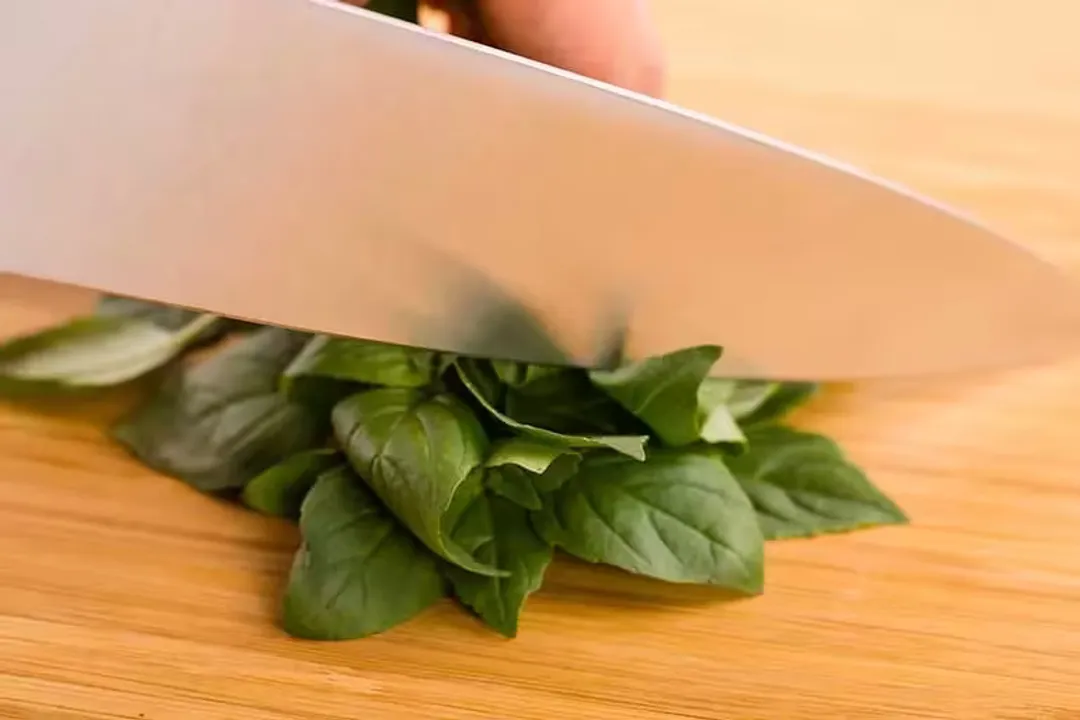
This fragrant herb, essential in Mediterranean cooking and Ayurvedic tradition, offers far more than just culinary delight; its potential health effects are quite compelling, stemming from a rich profile of vitamins, minerals, and bioactive compounds. From its historical reverence to modern scientific scrutiny, basil, particularly the sweet or Genovese variety, contains essential oils and phytochemicals that interact beneficially with the human body. Many people recognize basil primarily from pesto or tomato sauces, perhaps overlooking that incorporating even small, regular amounts into the diet can contribute positively to well-being, much like using olive oil or garlic regularly.
# Nutritional Value

Basil packs a surprising nutritional punch for such a lightly consumed herb. It provides essential vitamins like Vitamin K, which is key for blood clotting and bone health. Furthermore, it is a decent source of Vitamin A, necessary for good vision and immune function. Minerals present include manganese, important for metabolism and bone structure, and iron, vital for oxygen transport in the blood. While you wouldn't eat a whole cup of basil leaves in one sitting, understanding its nutrient density helps appreciate its value when it seasons a meal. For instance, a single cup of fresh basil contains substantial amounts of Vitamin K, often exceeding daily requirements, which is a point worth noting if one is managing medications sensitive to this vitamin.
# Powerful Antioxidants
The vibrant color and distinct aroma of basil are indicators of its high antioxidant content. These plant compounds help neutralize free radicals—unstable molecules that can cause cellular damage and contribute to aging and disease. Basil contains several potent antioxidants, including flavonoids and phenolic compounds. Specifically, compounds like eugenol, orientin, and vicenin are often highlighted for their role in protecting cells. Eugenol, which is also found in cloves, is one of the most studied components in basil's essential oil. This protective action is one of the primary reasons this herb garners attention in nutritional science.

# Anti-Inflammatory Effects
Chronic, low-grade inflammation is now linked to numerous modern health issues, making dietary sources of anti-inflammatory agents highly sought after. Basil appears to possess significant anti-inflammatory properties, largely attributed to its essential oils. These oils can help reduce inflammation by potentially inhibiting certain enzymes involved in the inflammatory cascade. Think of it as a gentle culinary modulator rather than a strong pharmaceutical intervention; consistent use may support the body’s natural ability to manage everyday wear and tear. If you are recovering from intense physical activity, incorporating basil into your recovery meals might offer a subtle, food-based advantage in managing soreness, similar to how turmeric is used.
# Managing Stress
In traditional medicine systems, basil is sometimes classified as an adaptogen, meaning it may help the body manage stress. While the term "adaptogen" is broad, research suggests that certain compounds in basil may have a calming effect on the nervous system. Studies have looked into basil's potential to reduce physical and emotional stress responses. For someone dealing with daily mental strain, switching from using less flavorful, highly processed snacks to one seasoned generously with fresh basil might offer a small, ritualistic shift toward better coping mechanisms, enhancing the experience of eating while providing potential biochemical support.
# Blood Sugar Support
Emerging research suggests that basil might play a supportive role in maintaining healthy blood sugar levels. This potential benefit is particularly interesting for those monitoring their glucose intake or managing pre-diabetes. Basil extracts have been studied for their effect on glucose metabolism, with some findings indicating a reduction in fasting blood sugar. While this does not replace necessary medical treatment or dietary adherence, sprinkling basil onto whole-grain toast or mixing it into legume-based dishes could be a smart, flavorful addition to a balanced diet aimed at steady energy release.
# Antimicrobial Properties
The essential oils within basil demonstrate notable antimicrobial activity. Specifically, studies have shown that basil extracts can inhibit the growth of certain bacteria and fungi. This natural defense mechanism is what helps the plant ward off pests in the garden, and it translates into potential benefits for human health. This property means that basil oil is sometimes explored for topical uses or as a natural preservative in food, although internal use for fighting infections should always be secondary to medically prescribed treatments.
# Supporting Gut Health
While the primary focus often rests on antioxidants and essential oils, basil contributes to digestive wellness through its general composition. It contains a small amount of dietary fiber, which is necessary for promoting regular bowel movements and supporting a healthy gut microbiome. Furthermore, some traditional uses point to basil helping to soothe indigestion and calm stomach upset. If you frequently make a simple, homemade soup, consider adding a handful of basil near the end of cooking; the slight bitterness can sometimes help stimulate digestive juices without overwhelming the palate.
# Specific Applications and Compound Comparison
Different types of basil, such as Holy Basil (Tulsi) and Sweet Basil (Genovese), possess slightly different chemical profiles and, therefore, distinct applications. While Sweet Basil is generally the culinary favorite, Holy Basil has received extensive attention in traditional Indian medicine for its adaptogenic and stress-relieving qualities.
To illustrate the chemical differences in a practical sense, imagine two common essential oil components:
| Compound | Primary Source | Noted Action | Culinary Use |
|---|---|---|---|
| Eugenol | Sweet Basil, Clove | Antioxidant, Anti-inflammatory | Pesto, Sauces |
| Ursolic Acid | Various Basils | Anti-inflammatory, potential anti-cancer effects | Present in most varieties |
This variation means that swapping out your usual sweet basil for a few leaves of Thai basil (which often has a more pronounced licorice or anise note due to different essential oil ratios) in a stir-fry might introduce a slightly different array of beneficial phytochemicals to your system. It encourages culinary experimentation grounded in phytochemical diversity.
# Considerations for Consumption and Safety
Basil is generally recognized as safe when consumed in amounts typically used in food. However, when considering concentrated forms, such as essential oils or high-dose supplements, caution is necessary. Essential oils, in particular, are highly concentrated and should not be ingested unless specifically directed by a qualified professional. For the average person, the safest and most effective way to reap the rewards is through regular culinary incorporation. It's important to use high-quality, fresh basil when possible, as its nutritional content can degrade over time or through harsh processing methods.
For those interested in maximizing the extractable benefits, quickly wilting basil into warm, but not boiling, oil (such as for a dipping oil) might be superior to prolonged boiling in water-based sauces, as heat and prolonged water exposure can degrade some volatile compounds. This gentle infusion technique helps preserve the delicate flavor and active ingredients simultaneously.
# Insights on Cancer Support
Specific research has noted basil's potential role in supporting health, particularly in contexts related to cancer studies. Compounds within basil have been investigated for their ability to influence cancer cell growth and promote cell death (apoptosis) in laboratory settings. This research is preliminary and focuses on isolated compounds, not the consumption of the fresh herb itself as a treatment. However, the study of these active constituents reinforces the idea that basil is a chemically rich plant capable of significant biological interaction. Any consideration of basil in a supportive role for serious conditions like cancer must be strictly discussed with oncologists, as dietary supplements are not substitutes for established treatments.
# Growing Your Own Supply
One way to ensure you have the freshest, most potent basil available is to grow it yourself, even in small spaces. Basil is relatively easy to cultivate in pots on a windowsill or balcony. Consistent harvesting is actually beneficial for the plant; pinching off the top leaves encourages bushier growth rather than tall, leggy stems, which results in a higher yield of nutrient-dense leaves for your kitchen. This direct experience with cultivating the herb—watching it grow, smelling its oils when you brush past it—adds an element of experiential connection to its healthful reputation that simply buying it pre-packaged lacks. If you notice the plant starting to flower, pinch those flowers off immediately, as flowering often signals the end of peak leaf production and can sometimes cause the leaves to taste more bitter.
#Videos
The Healing Power Of Basil They Never Told You About - YouTube
Related Questions
#Citations
Health Benefits of Basil - WebMD
5 Health Benefits of Basil - Health Cleveland Clinic
Is Basil Good for You? Health Benefits and Nutrition Facts
Basil: Nutrition, Health Benefits, Uses and More - Healthline
Not Your Basic Plant – The Wonderful Benefits of Basil - Urban Leaf
Basil: A Brief Summary of Potential Health Benefits - Nutrition Today
The 4 Unknown Health Benefits of Basil - Seattle Sutton's Healthy ...
The Healing Power Of Basil They Never Told You About - YouTube
Basil benefits: Nourishing cancer warriors