Are grilled limpets good?
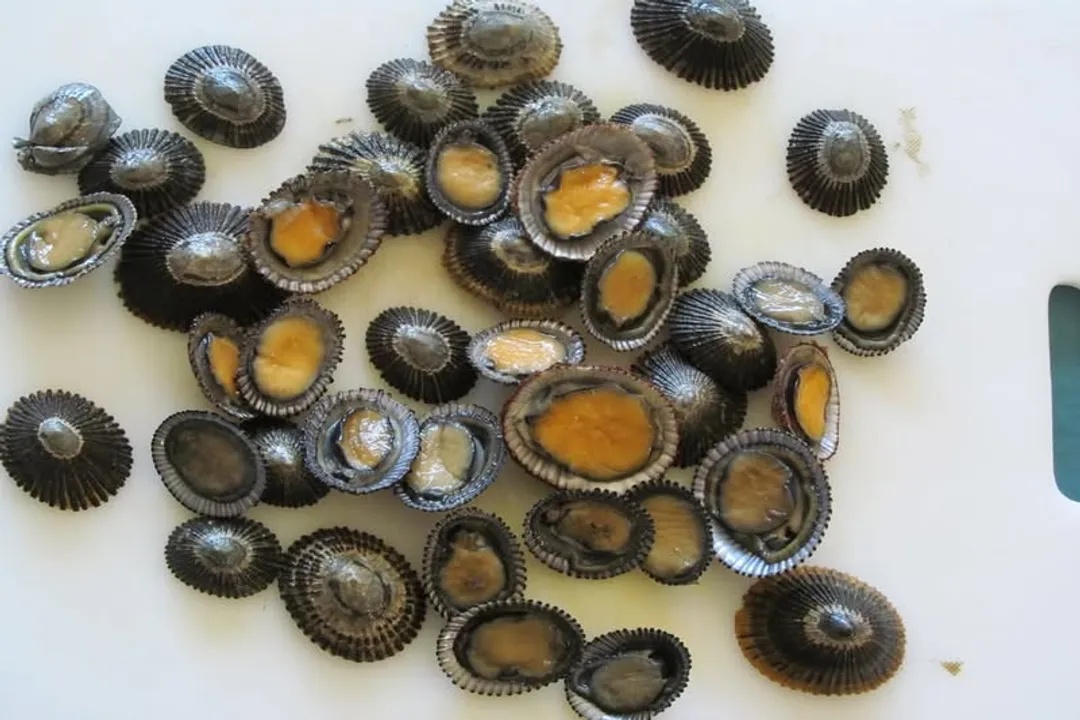
The immediate appeal of grilled limpets, or lapas as they are known in Portugal, often centers on the experience of eating them fresh, perhaps right by the coast where they were harvested. For many who encounter them, the answer to whether they are good depends heavily on how they are prepared, with grilling being the clear favorite method discussed among enthusiasts. [2][3][5] These small, cone-shaped mollusks cling tightly to rocks, making their collection a minor feat in itself, often requiring a sturdy knife or specialized tool to detach them from their substrate. [1][5] The conversation around their quality is less about a universal culinary consensus and more about specific regional preparation, particularly those perfected in the Azores, where they are a celebrated local delicacy. [4][6][9]
# Coastal Foraging
The journey to eating grilled limpets begins with their procurement. Limpets are not typically found in standard grocery aisles outside of specific seafood markets, making their consumption an occasional treat or an intentional foraging activity for some. [1][7] They adhere strongly to rocks in the intertidal zone, often requiring a bit of effort and patience to gather. [5] One key aspect of enjoying them is ensuring freshness. Unlike oysters or mussels, which might be enjoyed raw by the adventurous, limpets are almost universally cooked, with grilling being the preferred technique for most discussions regarding taste. [1][7] The texture and flavor, which can be quite chewy if overcooked, demand a quick, high-heat application. [2]
When foraging, recognizing the right species is important, though many people eating them as a delicacy are referring to the common species found along rocky shores. [7] For those new to this, the tools used for prying them off are critical. While a standard butter knife might suffice in a pinch, the adherence is strong enough that a more robust, flat-bladed tool is often necessary, sometimes one specifically designed for shellfish extraction, to avoid breaking the shell or damaging the meat during removal from the rock face. [1][5] This initial physical interaction sets the stage for the culinary reward that follows, linking the taste directly to the location and effort of the harvest.
# Grilling Method
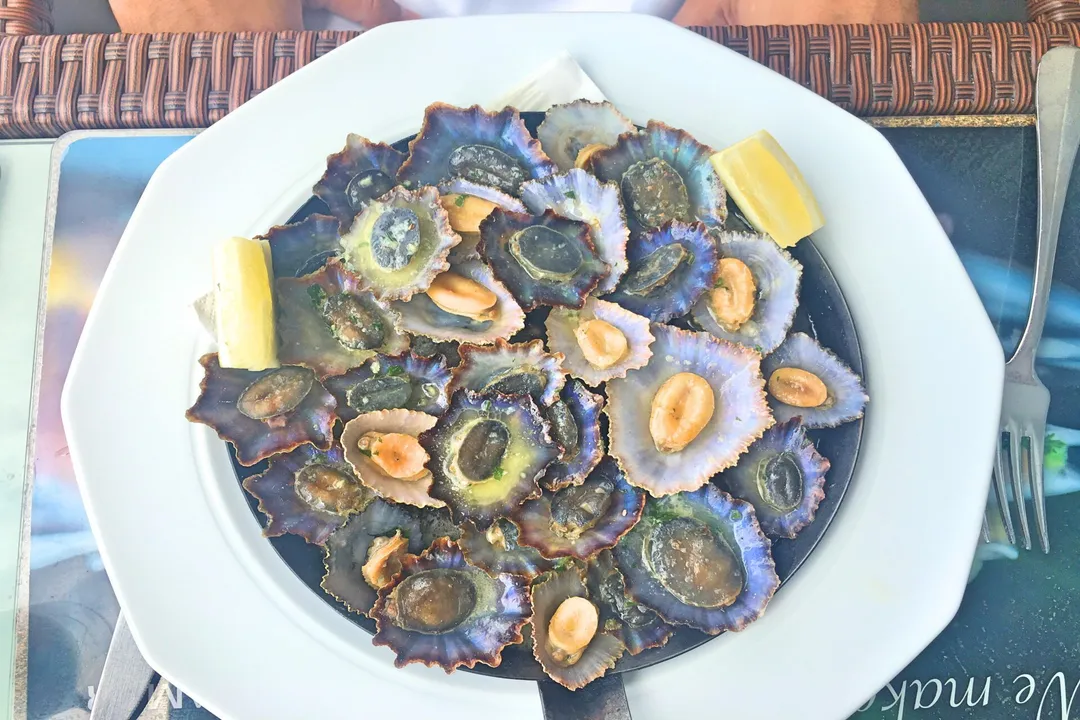
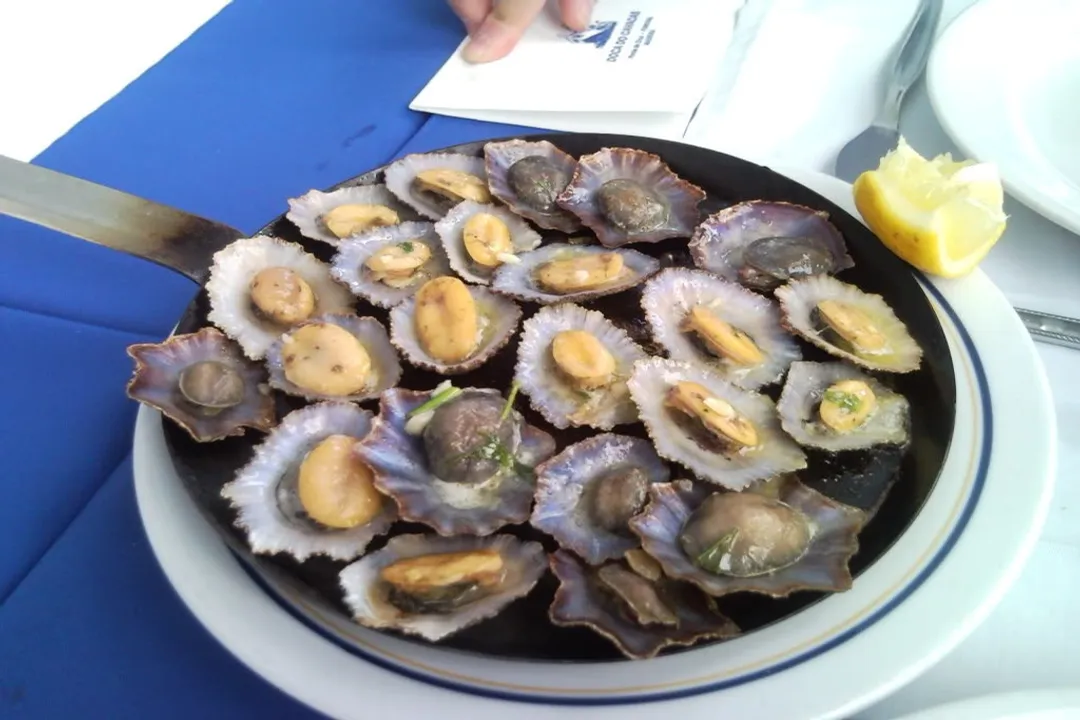
The quintessential way to enjoy limpets involves grilling them quickly over an open flame, often prepared in the style popularized in the Portuguese Azores. [3][6] This preparation method is favored because the heat sears the exterior while steaming the meat within its own shell, contributing significantly to the final texture and flavor profile. [2]
The process starts by placing the limpets, still in their shells, directly onto a hot grill or griddle. [3] The shells act as tiny cooking vessels. As they heat up, the meat releases juices and begins to cook. The key indicator that they are ready is often described as the meat pulling away from the shell, or simply cooking for a few minutes until they are heated through. [2][5] Overcooking is the primary pitfall here; if left too long, the texture quickly turns rubbery and unappetizing. [2] Some enthusiasts suggest a cooking time of only about three to five minutes on the heat source. [5]
A practical consideration when using a grill is the positioning of the limpets. Since they are cooked in their shells, which can easily tip over and spill the precious juices and butter mixture, using a specialized grill pan with indentations or carefully placing them on a wire rack that keeps them level is essential. [2][3]
# Flavor Profile
So, what do grilled limpets actually taste like? The consensus leans toward a mild, slightly salty, and somewhat metallic flavor, often likened to other bivalves but distinctly its own. [1][7] They are generally not described as having an intense, briny punch like an oyster, but rather a more subtle, oceanic taste. [4]
The magic of lapas grelhadas lies not just in the mollusk itself but in the accompanying butter bath. Before grilling, or immediately after removing them from the heat, they are typically drowned in, or basted with, a rich mixture of melted butter, garlic, and lemon juice. [2][3][6] This topping complements the natural salinity of the limpet meat. [4]
When prepared correctly—fresh, quickly grilled, and generously topped—the experience is described as delicious, addictive, and savory. [3][6] They are often eaten as an appetizer or a light lunch, frequently accompanied by simple bread to soak up the flavorful, garlicky butter left behind in the shell. [4] The contrasting textures—the slightly firm yet tender meat against the rich, acidic topping—is what converts skeptics.
# Traditional Toppings and Variations
The Portuguese style, particularly that from the islands, relies on simplicity to let the limpet shine through. [4][9] The standard preparation involves mixing soft butter with minced or pressed garlic and a healthy squeeze of lemon juice. [2][3] This mixture is often spooned over the limpets while they are still sizzling on the grill or right after they are plated. [6]
One variation mentioned suggests using a mix of garlic, parsley, and a good amount of olive oil instead of, or in addition to, butter, depending on local preference. [5] Another suggestion, aimed at boosting the richness, involves not just topping them, but perhaps mixing the butter/garlic compound before serving, allowing the residual heat of the mollusk to fully melt and integrate the flavors. [1]
Reflecting on the common flavor additions, the balance between the topping components is a delicate dance. If one approaches this as a chef rather than just a cook, the goal is calibrating the acidity of the lemon against the inherent saltiness of the sea creature, which averages around $2.5%$ sodium content in similar marine mollusks. [9] A dash too much lemon can overwhelm the subtle meat, while insufficient butter leaves the texture feeling dry, even if technically cooked through. The ideal preparation respects the limpet's natural salinity, using the garlic and butter as enhancers rather than maskers. [4]
| Topping Element | Primary Role | Common Form | Source Mention |
|---|---|---|---|
| Butter | Richness/Fat | Melted, soft | [2][3] |
| Garlic | Pungency/Aroma | Minced or pressed | [2][3][6] |
| Lemon Juice | Acidity/Brightness | Freshly squeezed | [2][3] |
| Parsley | Freshness/Color | Chopped | [5] |
# Serving and Context
Grilled limpets are deeply embedded in the food culture of places like the Azores, where they are considered a traditional food of the islands. [9] They represent more than just a meal; they are often a casual, seaside experience. [4] You find them served in taverns or enjoyed outdoors, often as a starter before a main seafood course. [4][6]
The context of consumption plays a large role in how "good" they taste. Eating lapas grelhadas alongside a cold Portuguese beer or a crisp white wine, while looking out at the Atlantic, elevates the experience beyond a simple taste test. [4] The informal nature of eating them—often scooping the meat out with a small fork or even the tip of a knife—adds to their charm. [3] In Scotland, where they might be encountered, the preparation tends to follow similar simple grilling lines, though perhaps with less institutionalized tradition than in the Portuguese islands. [1]
It’s worth noting that while they are widely consumed in Portugal, they are not the only mollusk of choice; however, they hold a specific, perhaps more beloved, status in the island regions. [9] When people discuss eating them in places like Scotland, there is often an element of adventurousness or local knowledge involved in sourcing and cooking them correctly for the first time. [1]
# Texture Concerns
The primary detractor for anyone trying limpets for the first time, or those who have had a poorly cooked batch, is the texture. Limpets are known to become tough and rubbery very easily. [2][5] This is directly tied to the cooking time. Because they are essentially small, tough muscles, overexposure to heat causes them to seize up. [2]
For a positive experience, one must aim for a texture that is firm yet yielding, not hard or chewy. This necessitates high heat for a short duration. [3] If you are cooking a large batch outdoors, managing the heat consistency becomes more crucial than if you were boiling them, as direct flames can create hot spots that ruin individual pieces quickly. [5] A good rule of thumb, derived from experience shared by cooks, is to remove any limpet whose meat appears to have fully contracted and hardened against the shell, even if others in the batch are not quite done; selective removal is sometimes necessary for quality control. [2]
# Practical Acquisition Tip
When sourcing these mollusks yourself, especially if you are not on a coastline known for them, the method of transport matters immensely if you intend to grill them later. Limpets need to stay cool and slightly moist but not submerged in water, as this can quickly deplete their freshness or cause them to die before cooking, leading to an off-flavor. [1] If keeping them for a few hours before grilling, storing them in a cooler with damp newspaper or cloth, rather than submerged in melting ice water, helps maintain their vitality and clean taste, preserving the subtle oceanic character that the Azorean preparation seeks to highlight. [4] This small logistical step ensures that the effort put into the perfect garlic-butter sauce is not wasted on sub-par raw material.
# Final Verdict on Taste
Are grilled limpets good? Based on the culinary discourse, yes, they are widely considered very good when treated with respect and cooked properly in the traditional manner. [3][6] They offer a unique, distinctly coastal flavor experience that is savory, slightly chewy in the best way, and richly complemented by garlic and butter. [2][4] If one expects the soft texture of a scallop or the intense brine of an oyster, they might be disappointed. [1][7] However, for those seeking an authentic taste of the rocky shores, particularly those influenced by Portuguese island cuisine, grilled limpets are an exceptionally rewarding, simple, and memorable dish. [9] The key takeaway is preparation: high heat, short time, and generous, high-quality toppings make all the difference between a culinary treasure and a rubbery disappointment. [2][5]
The tradition surrounding lapas grelhadas suggests a strong community appreciation, moving them from a simple foraged item to a celebrated appetizer. [9] Their ability to absorb the rich flavors of garlic and butter, while maintaining their unique marine essence, confirms their status among seafood lovers who favor direct, uncomplicated cooking methods. [3][6]
Related Questions
#Citations
Any one have any experience in preparing and cooking limpets, any ...
Grilled Lapas (Limpets) - Maria Lawton - The Azorean Greenbean
Azores-Style Grilled Limpets - Lapas Grelhadas - Photos & Food
Limpets... for Lunch? - A Portuguese Affair
Lapas...Limpets Portugese Style | BushcraftUK Community
Lapas Grelhadas- Grilled Limpets - Azoresgal~Life on an Island
Can you eat limpets? - Quora
Limpets in Madeira and Hawaii: Cooking Methods and Cultural ...
Limpets: The Chosen Mollusk of the Portuguese Islands - Ilhapeixe