Is amberjack a clean fish?
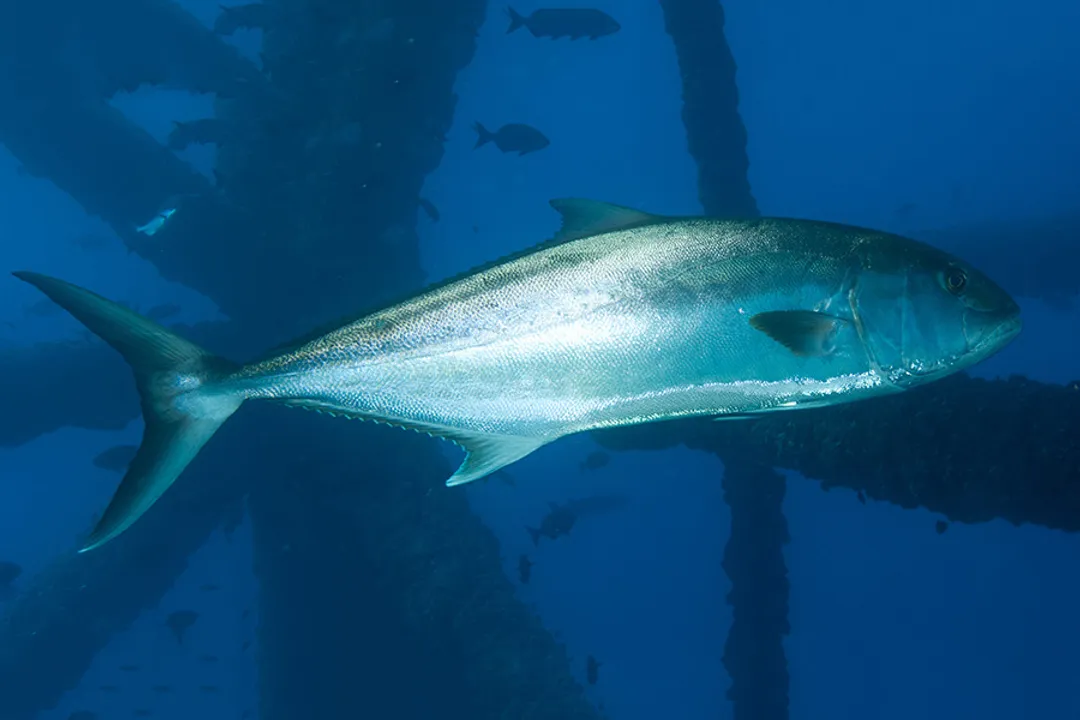
Deciding whether to bring an amberjack home from a fishing trip often sparks intense debate among anglers, especially when the definition of "clean" is put under the microscope. For many, the question of cleanliness touches on two distinct areas: the fish’s natural environment and purity, and its perceived quality on the dinner plate. While official governmental reports on mercury and contaminant loads might not be the primary focus of dockside conversations, the angling community has strong opinions on flavor, texture, and whether the fish is truly worth the effort of cleaning. [1][5]
# Species Identity
To understand any fish, it helps to know what species we are discussing. The Greater Amberjack (Seriola dumerili), for example, is a well-known species recognized by NOAA Fisheries. [8] These are large, powerful fish often found around reefs and offshore structures. [8] Their reputation in the culinary world is decidedly mixed, leading to the confusion surrounding their desirability. Some anglers consider them one of the best eating fish they catch, while others dismiss them entirely as "trash fish". [5]
# Flavor Controversy
The most immediate way anglers judge a fish is by taste, and amberjack seems to divide opinions sharply along flavor lines. [1][5] Some reports suggest that smaller amberjack are much better to eat than larger specimens. [1] One popular consensus points toward yellowtail amberjack being favored for eating over the standard greater amberjack. [7] For those who praise the eating quality, the flesh is often described as having a mild flavor, sometimes compared favorably to snapper or mahi-mahi when properly handled. [1]
Conversely, there is a contingent that finds the taste unacceptable, leading to the "trash fish" label. [5] The texture or flavor profile, depending on the individual's palate and perhaps the fish's diet, can be off-putting to some diners. [5] This high level of polarization means a single negative experience can quickly sour a person on the species for life, while another might swear by it. [3]
One analytical observation gathered from community discussions suggests that the freshness and handling immediately after the catch are far more critical for amberjack than perhaps for slower-moving reef fish. If an amberjack is left too long on a warm deck, the strong opinions against eating it seem to intensify, implying that quality degradation rapidly affects its flavor profile. [3][7] This suggests that the negative reviews might often stem from poor post-catch management rather than inherent fish quality.
# Preparation and Parasites
When discussing whether any wild-caught fish is "clean" to eat, the topic of parasites often arises. While specific details about the prevalence of parasites in amberjack are not explicitly detailed across all sources, proper handling and cooking are universal recommendations for any wild catch. [1] Preparation methods seem key to maximizing the eating experience for those who enjoy it. [1]
For instance, some cooks advise that the texture can be slightly off compared to other white fish, but that soaking the fillets can help mitigate this. [1] When preparing yellowtail amberjack, the general advice leans toward treating it like other quality fillets, perhaps favoring quick searing or grilling to maintain moisture. [7] One perspective suggests that the white meat of amberjack is fine, but the dark meat near the bloodline should be trimmed away, as this dark meat often has a stronger, less desirable flavor. [1]
Tip for the Angler: Since taste reports are so subjective, it is a worthwhile endeavor to process the first amberjack you keep very carefully. Immediately bleed and ice the fish, keep only a small portion of the best-looking fillets, and prepare them simply—perhaps pan-seared with butter and lemon. This allows you to judge the species based on your own fresh experience, rather than relying solely on anecdotal evidence from forums. [1][3]
# Environmental Context and Fat Content
The "clean fish" question often implies concerns about bioaccumulation of environmental toxins, such as heavy metals like mercury. Amberjack, being a larger, predatory species, naturally draws comparison to other ocean predators that can accumulate higher levels of these substances. [8] While the provided sources do not offer specific EPA or FDA mercury advisories for amberjack, one source does raise the question of whether amberjack is a fatty fish. [9]
Fish fat content is relevant because many persistent environmental contaminants, like PCBs or certain pesticides, are fat-soluble and can accumulate in the fatty tissues of marine life. [9] If amberjack is relatively lean, it might theoretically retain fewer of these fat-soluble contaminants compared to overtly oily fish like mackerel or herring. Conversely, if it stores significant fat, it could be a fish where moderate consumption is advised, especially for vulnerable populations. [9]
The NOAA description notes that Greater Amberjack are widely distributed, inhabiting offshore waters over reefs and rocky bottoms. [8] Their diet and location can influence their purity. A fish feeding heavily on smaller reef dwellers in a heavily trafficked or polluted coastal area might accumulate different residues than one caught far offshore in the Gulf Stream.
An interesting point to consider, derived from comparing species profiles, is that the smaller size often correlates with better flavor and potentially lower bioaccumulation rates for large, long-lived predators. [1] If a consumer is concerned about contaminants, prioritizing smaller specimens is a common, albeit unconfirmed, mitigation strategy in general seafood consumption guidelines.
# Charting Consumer Confidence
To help visualize the conflicting viewpoints gleaned from the community discussions, it helps to put the general sentiment side-by-side:
| Aspect | Positive View | Negative View |
|---|---|---|
| Flavor | Mild, comparable to Snapper/Mahi | Strong, undesirable "trash fish" taste [5] |
| Texture | Firm, decent when handled right | Can be off-putting if not prepared expertly [1] |
| Size | Smaller specimens are preferred [1] | Large ones are often avoided [3] |
| Handling | Requires immediate bleeding and icing [3] | Easily ruined by poor handling leading to bad flavor [7] |
It becomes clear that for many, "clean" translates directly to "delicious and safe to eat without worry." The abundance of YouTube videos showcasing catches suggests an active interest in consuming the species, contrasting the strong negative feedback found on forums. [2][4][6] This duality indicates that the fish can be excellent, but only if certain conditions—likely relating to immediate handling and specific species/size—are met.
In regions where amberjack are frequently caught, such as the Gulf of Mexico or the Atlantic coastlines popular with charter fishing operations, local knowledge on preparation likely dictates acceptance. [3][5] A successful charter captain, for instance, would likely only recommend keeping amberjack if they are properly iced immediately, suggesting that for them, cleanliness is a matter of process as much as biology. [3]
Ultimately, determining if amberjack is a truly "clean fish" requires aggregating official contaminant data, which is not fully present in these anecdotal sources, with the very real-world factor of taste and texture. For the responsible consumer, the immediate step is to rely on trusted local advisories regarding consumption limits for large predatory species, while ensuring that any amberjack destined for the grill is the freshest possible catch, expertly bled and iced right on the boat. [8]
#Videos
How To Clean Whole Amberjack Easy Filleting - YouTube
Amberjack {Catch Clean Cook} Tasty Tuesday - YouTube
How To Catch Clean Cook Parasite Infested Fish - Amberjack
Related Questions
#Citations
Anyone ever ate a Amberjack? : r/Fishing - Reddit
How To Clean Whole Amberjack Easy Filleting - YouTube
Amberjack?? - The Hull Truth - Boating and Fishing Forum
Amberjack is a trash fish? | 2 Cool Fishing Forum
Greater Amberjack | NOAA Fisheries
Is amberjack a fatty fish? - Quora