Health Benefits of Tomatillo
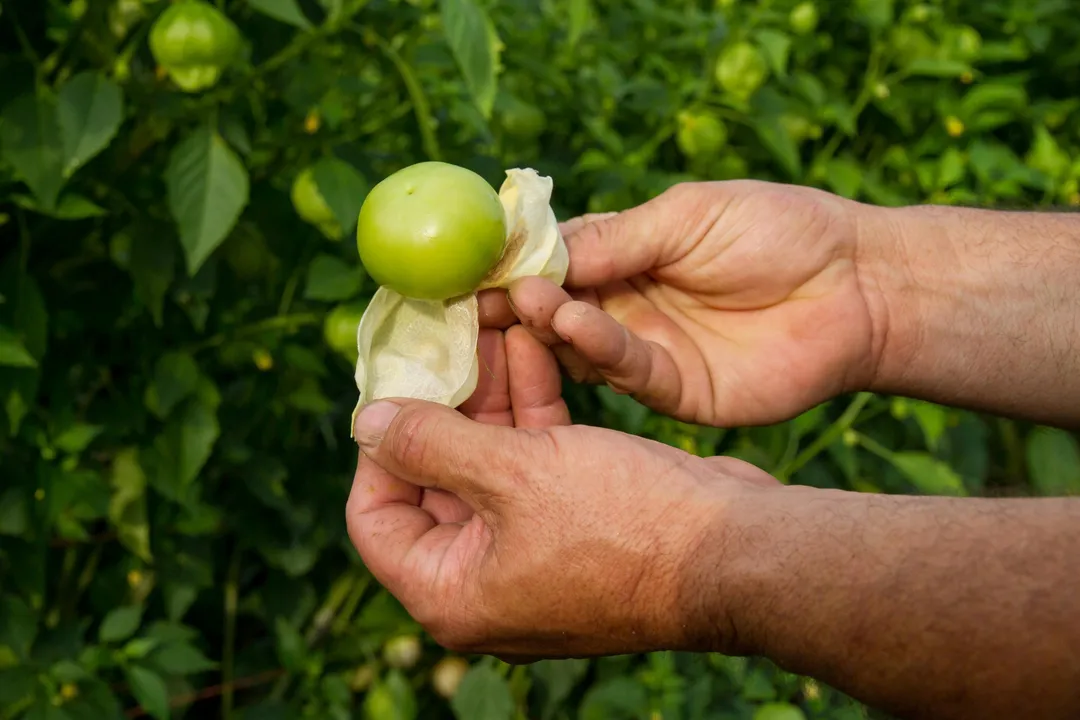
Tomatillos, those charming little fruits wrapped in papery husks, are often associated solely with making vibrant green salsa, yet their nutritional credentials deserve a much closer look. They aren't just a culinary staple; they offer a spectrum of advantages for overall well-being, making them an excellent addition to any balanced diet. [9][3] Moving past the initial appearance—frequently mistaken for unripe green tomatoes—reveals a fruit packed with essential vitamins, minerals, and beneficial plant compounds that support several bodily systems. [9][5]
# Nutrient Powerhouse

When you strip away the husk and prepare a tomatillo, you are revealing a food item that is remarkably low in undesirable elements while being rich in several key micronutrients. [5][7][8] Specifically, tomatillos stand out for their significant contributions of Vitamin C, Vitamin A, and Vitamin K. [1][4][5][7]
Vitamin C is a well-known ally for the body, and the tomatillo delivers a respectable amount of this powerful antioxidant. [4] This vitamin is critical for supporting the body's natural defenses, helping to keep the immune system functioning as it should. [1][4] Furthermore, Vitamin A plays an important role in maintaining healthy vision, which is supported by including foods like tomatillos in your regular eating pattern. [1] Vitamin K, often less discussed, is essential for proper blood clotting processes and maintaining strong, healthy bones. [1][5][7]
Beyond the major vitamins, the mineral profile adds further value. They provide notable amounts of potassium, which is important for regulating fluid balance and blood pressure. [5][8] Iron and phosphorus are also present, contributing to overall bodily function, including oxygen transport and cellular structure. [5][7][8] The inclusion of B vitamins, such as niacin, thiamine, and riboflavin, rounds out the profile, supporting energy production within the cells. [5][8]
One observation worth making when comparing tomatillos to their red tomato cousins is the natural sugar content. While both are fruits, the tomatillo generally presents a lower sugar profile. [1][4] For those monitoring carbohydrate or sugar intake, this difference means you can enjoy the bright, tangy flavor of salsa verde without the same concentration of natural sugars found in many tomato-based sauces. [4] This distinction makes the tomatillo a uniquely beneficial base for savory applications where sweetness is not the desired element. [9]
# Metabolic Aid

The components within tomatillos work together to offer support for metabolic health, particularly concerning blood sugar and weight management. [5][2] Because they are naturally low in calories, fat, and sodium, they are an inherently sound choice when aiming for a lighter overall diet without sacrificing flavor or nutrient density. [5][7][8]
The high levels of dietary fiber found in tomatillos are key to their digestive benefits, helping to keep the gut running smoothly. [4][7] Fiber promotes satiety, meaning you feel fuller for longer after eating, which can naturally aid in portion control and weight maintenance efforts. [2]
For individuals focused on maintaining stable blood glucose levels, tomatillos appear to offer assistance. [5][8] While they are not a replacement for medical treatment, the combination of their fiber content and the presence of certain bioactive compounds may help in managing blood sugar responses. [5][8] Think of this as a protective layer—when used as a base for sauces or eaten raw, they introduce beneficial components into meals without adding excessive caloric load or sugar spikes. [3]
To put their efficiency into perspective, consider that you are getting substantial doses of Vitamin K and decent potassium, alongside Vitamin C, for a very small caloric investment. If you were to create a simple table comparing the density of key micronutrients per 100 grams (assuming raw data consistency across sources), the value proposition becomes clearer:
| Nutrient | Role | Source Density (Relative) |
|---|---|---|
| Vitamin C | Immunity, Antioxidant | High [1][4] |
| Vitamin K | Blood Clotting, Bone Health | High [1][5] |
| Potassium | Blood Pressure Support | Moderate [5][8] |
| Calories/Fat | Weight Management | Very Low [5][7] |
This efficiency highlights why they are often cited as a healthy choice for those prioritizing heart health and overall dietary quality. [3]

# Antioxidant Protection
Like many brightly colored fruits and vegetables, tomatillos contain various plant compounds known as antioxidants, which help combat oxidative stress in the body. [5][4] These protective agents, including carotenoids and flavonoids, are present within the fruit's structure. [5]
Oxidative stress occurs when there is an imbalance between free radicals and antioxidants, potentially leading to cellular damage over time. By consuming foods rich in antioxidants, like tomatillos, you are providing the body with the tools to neutralize these unstable molecules. [4][5] This general protective action contributes to long-term cellular health and supports the functions already mentioned, such as immune defense. [1]
While Vitamin C is itself a potent antioxidant, the presence of other classes of antioxidants means the tomatillo offers a multi-pronged approach to cellular defense, rather than relying on a single compound. [5]
# Digestion and Safety
The role of tomatillos in supporting digestive health stems primarily from their fiber content. [7] Adequate dietary fiber is fundamental for maintaining regularity and encouraging the growth of beneficial gut bacteria. [7]
However, as with many members of the nightshade family, there are considerations regarding consumption. While generally safe and beneficial when eaten in moderation, some individuals might experience digestive upset after eating them. [2] If you are new to incorporating tomatillos into your diet, particularly in large quantities or in highly acidic preparations like traditional salsa verde, introducing them slowly can help your digestive system adjust to the increased fiber and natural acidity. [2]
# Culinary Context
The health benefits are easiest to realize when the food is regularly incorporated into the diet, and for many, this means salsa verde. [9] The tartness that tomatillos bring to cooked sauces is distinct from tomatoes, offering a brightness that complements savory dishes, often without needing added sugars or fats to achieve a complex flavor profile. [9]
If you are preparing homemade salsa, remember that the method matters for maximizing nutrient retention. While boiling or roasting tomatillos is traditional for softening them and developing flavor, extensive cooking times can diminish heat-sensitive nutrients, particularly Vitamin C. [1][4] A good approach to balance flavor development and nutrient preservation is to quickly blanch or roast the tomatillos just until the husk softens and the fruit is tender, rather than simmering them for extended periods. This small adjustment ensures that you are still getting a good dose of those vital vitamins along with the robust flavor. [5]
Related Questions
#Citations
What Are the Health Benefits of Tomatillos? - WebMD
Benefits of Tomatillo And Its Side Effects | Lybrate
Tomatillo – yes or no? For healthy eating, the answer is easy.
5 Benefits of Tomatillos - SALSAOLOGY
[PDF] Health Benefits of Tomatillos
Benefits and uses of tomatillos - Facebook
Health Benefits of Tomatillos
Tomatillos: Health Benefits And Nutritional Facts - El Paso Back Clinic
Dietitian Guide to Tomatillos - The Healthy Toast
Tomatillo—yes or no? For healthy eating, the answer is easy