Health Benefits of Skirret
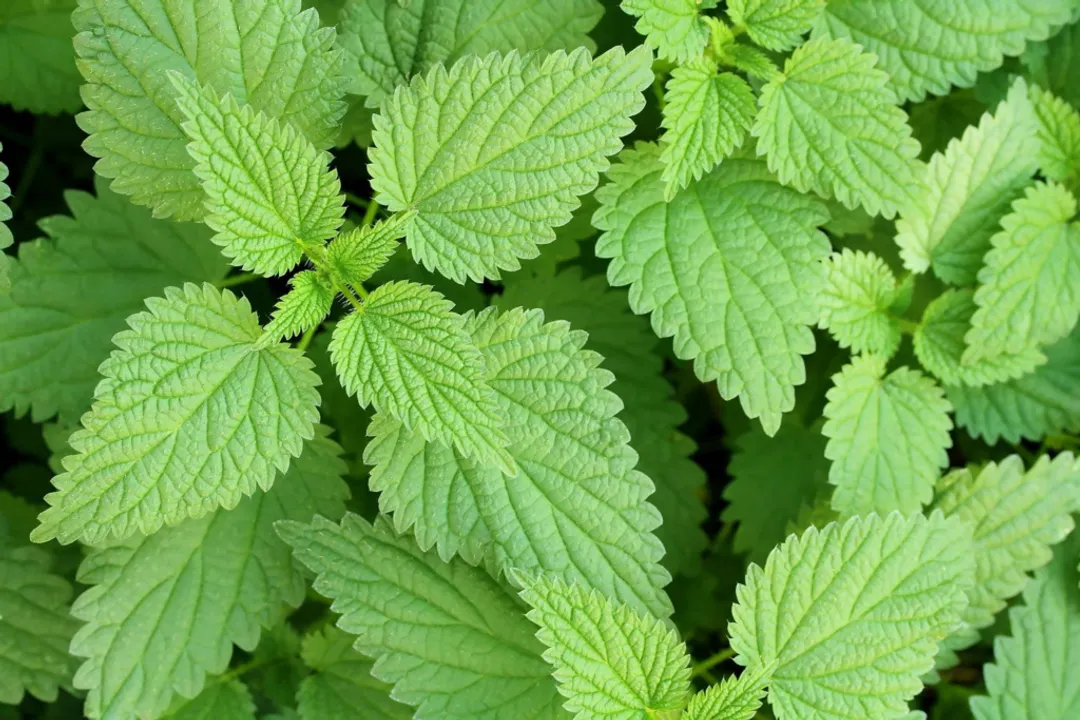
The unassuming skirret, scientifically known as Sium sisarum, is a root vegetable that has long faded from mainstream agricultural attention in many parts of the world, yet it holds a quiet history spanning centuries of cultivation across Europe and Asia. [5][9] Often referred to by nicknames like "sugar root" or "seselis", [4] this plant offers more than just historical curiosity; its root contains a profile of nutrients that positions it well as a beneficial addition to a modern diet. [2] Despite its limited visibility in contemporary grocery stores, the potential health advantages packed within this tuber are worth bringing back into the conversation. [4]
# Historical Roots

The story of skirret is one of ancient popularity giving way to modern neglect. [9] Cultivation of this particular root has been documented for hundreds of years, establishing it as a staple in various traditional cuisines. [5] The very fact that it was grown and relied upon for so long suggests an inherent value, whether culinary or nutritional, that modern food trends have overshadowed. [3] While it might be considered an exotic or forgotten item today, it thrives in temperate growing conditions, successfully cultivated in regions as diverse as New Zealand and Minnesota. [3][7] Understanding its background helps frame why this particular root deserves a second look, moving it from a historical footnote to a potentially relevant food source for contemporary health aims. [5]
# Key Nutrients

When examining the composition of the skirret root, we find it carries several beneficial components that contribute to its perceived health advantages. [2][4] It is notably a source of dietary fiber. [4] Furthermore, it supplies essential vitamins and minerals, with specific mention often made of its Vitamin C and potassium content. [4] Although not a calorie-dense food, its nutritional contribution per serving is significant given its mild flavor profile. [6]
To put its nutritional density into perspective, consider how a typical root vegetable might stack up. While many starchy roots offer energy, the skirret leans more toward providing structural benefits through fiber while keeping the caloric load relatively low. [4][6] For instance, if we look at fiber density—the amount of fiber relative to the total calories—skirret appears to be a smart choice for those prioritizing gut health without overloading on simple carbohydrates found in some other tubers. [4] This balance of micronutrients with high fiber content is what primarily drives interest in its wellness applications. [2]
# Digestive Benefits
The most frequently cited health benefit associated with consuming skirret relates directly to its fiber content. [4] Dietary fiber is fundamental for maintaining a healthy digestive tract, aiding in regularity and supporting the overall function of the gut biome. [4] Because skirret root is recognized as a good source of this component, regular consumption could assist in promoting smooth digestive transit. [4]
The impact of fiber goes beyond mere movement, however. Insoluble fiber adds bulk to stools, while soluble fiber can help regulate the pace at which food moves through the system. [4] For individuals managing digestive regularity or seeking gentle support for gut maintenance, incorporating a high-fiber vegetable like skirret—perhaps roasted or steamed—is a straightforward, natural intervention. [4] This is the cornerstone of many traditional uses for fibrous roots across different cultures. [5]
# Weight Management
The relationship between fiber, satiety, and weight management is well-established, and skirret benefits from this dynamic. [4] Foods high in fiber generally promote a feeling of fullness, or satiety, for longer periods after eating. [4] When you feel satisfied with a meal, you are less likely to reach for subsequent snacks or overeat at the next sitting. [4]
Since skirret is also described as being relatively low in calories, [6] it fits well into dietary plans aimed at energy deficit or balanced calorie intake. A practical way to integrate this is by substituting a portion of higher-calorie starches in a meal—such as replacing half the boiled potato side dish with an equal portion of cooked skirret—to effectively lower the overall calorie count of the meal while boosting its fiber contribution and nutrient yield. [4] This substitution tactic capitalizes on the vegetable’s inherent low-energy density. [6]
# Heart Support
Potassium often plays a significant part in maintaining cardiovascular wellness, particularly concerning blood pressure regulation. [4] Skirret is noted for containing this essential mineral. [4] Potassium helps balance the negative effects of sodium in the diet by promoting vasodilation, which can ease the tension in blood vessel walls. [4]
While no single food is a cure-all for heart conditions, ensuring adequate intake of key electrolytes like potassium is a recommended dietary practice for heart health. [4] When combined with a high-fiber diet, which is also generally associated with better cholesterol management, the skirret root offers a dual pathway toward supporting cardiovascular function through its mineral and fiber profile. [4]
# Preparation and Consumption
As a root vegetable, the skirret is typically enjoyed after some form of cooking, similar to how one might prepare carrots or parsnips. [9] The texture and flavor profile, while distinct, allow it to integrate into existing recipes that call for similar root vegetables. [3]
In terms of incorporating it into your weekly meals, consider its texture when cooked. If it retains a pleasant firmness, it can be chopped and added to hearty stews or roasted alongside other root crops. [9] If it becomes softer, it might lend itself well to mashing, perhaps blended with butter or herbs to enhance its natural, mild flavor profile. [4] The key to reintroducing a forgotten vegetable often lies in familiar preparation methods. For instance, instead of immediately seeking out a complex, ancient recipe, try peeling and boiling the roots until tender, then simply seasoning them with salt, pepper, and a drizzle of good olive oil—a simple preparation that lets the inherent qualities of the Sium sisarum shine through. [5]
#Videos
Skirret Vegetable Health Benefits - YouTube
Related Questions
#Citations
Skirret: Health Benefits, Side Effects, Uses, Dose & Precautions
Top Benefits of Skirret: Unveiling the Perks of This Versatile Plant
Skirret Crown - KoruKai Herb Farm
What Are the Health Benefits of Skirret? - Facty Health
MINERAL, SUGAR AND VITAMIN CONTENTS OF SKIRRET (SIUM ...
Skirret - Hello Doktor
Top 10 Most Underrated Perennial Edibles to Grow
Skirret Vegetable Health Benefits - YouTube
Introducing skirret – a long-forgotten vegetable - Morning Star
Skirret plants are cold hardy and nutritious - Facebook