Health Benefits of Scallion
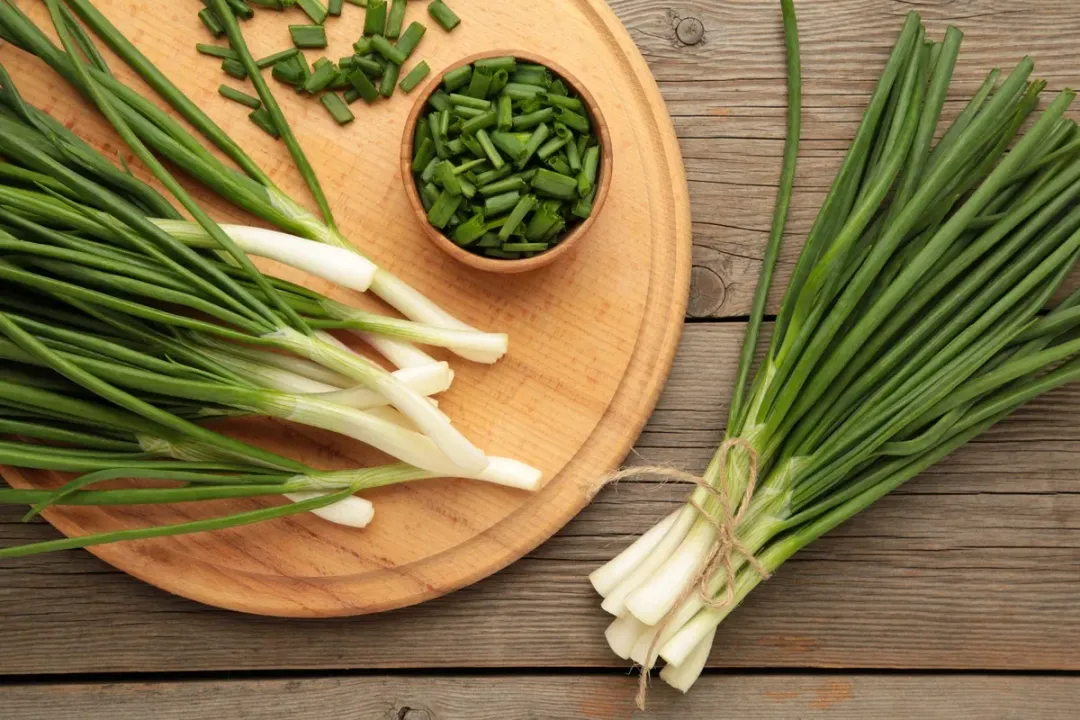
The delicate crunch and sharp, yet mild, flavor of scallions—often called green onions or spring onions depending on the region and maturity—make them a staple in kitchens worldwide. They add a fresh finishing note to countless dishes, but their culinary appeal masks a significant concentration of healthful compounds. Far from being mere garnishes, these slender alliums pack a powerful nutritional profile that supports several critical bodily functions, making them a worthy addition to the daily rotation. [1][3]
The distinction between scallions, green onions, and spring onions can sometimes cause confusion. In many contexts, the terms are used interchangeably to describe the immature onion, harvested before the bulb has fully developed. [6] While botanical specifics might differ based on the exact variety or growth stage, for the purpose of nutritional discussion, they share a common health profile derived from their low-calorie makeup rich in vitamins, minerals, and unique sulfur-based phytonutrients. [3][7]
# Nutrient Density
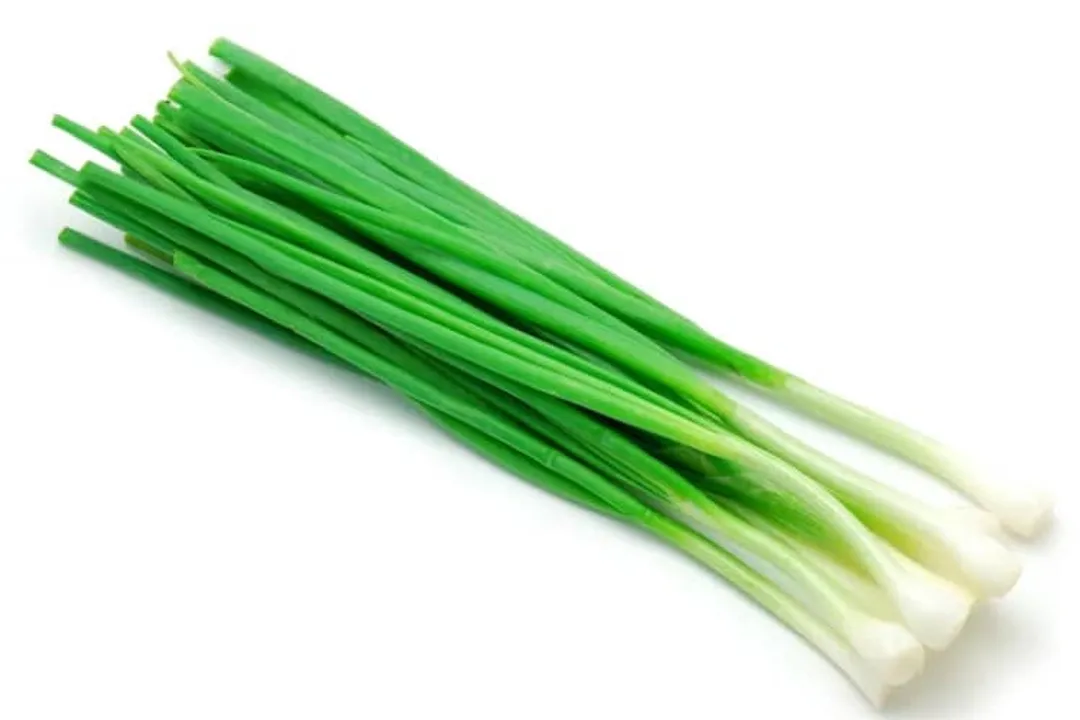
Looking at the makeup of scallions reveals why they are considered nutritionally valuable despite their low caloric count. A modest serving provides significant amounts of essential micronutrients. [3] They are particularly noted for their Vitamin K content, an essential fat-soluble vitamin. [1][7] Furthermore, they supply ample Vitamin A, often in the form of beta-carotene, and a good dose of Vitamin C. [1][3] Beyond vitamins, scallions contribute essential minerals such as iron and potassium. [7]
One unique aspect of the allium family, to which scallions belong, is the presence of sulfur compounds. [5] While these compounds are most famously concentrated in mature garlic and onions, scallions still possess these beneficial elements. When consumed, these compounds are metabolized into substances that contribute to various protective effects within the body. [5] It is interesting to consider how preparation affects nutrient retention. Since Vitamin K is fat-soluble, incorporating raw scallions into a salad dressed with a healthy oil, such as olive oil, could potentially enhance the body's ability to absorb this specific bone-supporting nutrient, even while raw consumption maximizes intake of more delicate vitamins like C. [1]
# Cardiac Support
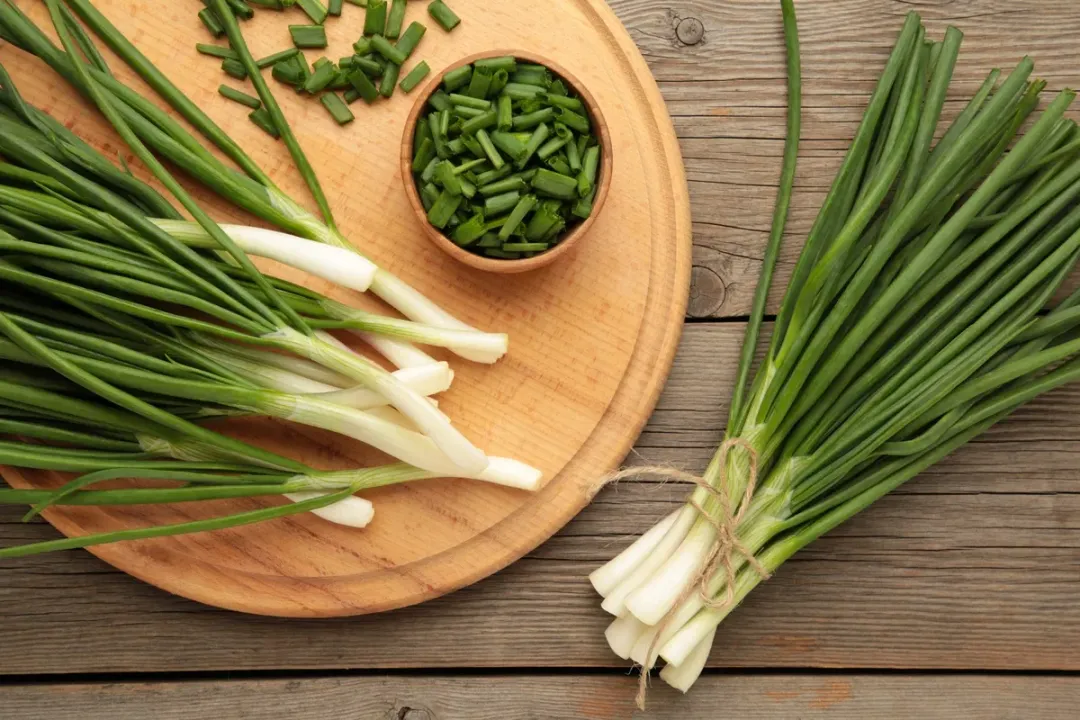
The compounds found in scallions contribute positively toward maintaining a healthy cardiovascular system, primarily through their influence on blood pressure and cholesterol levels. [1][5] The presence of potassium is significant here; this mineral is known for its role in counteracting the negative effects of excessive sodium intake, which helps regulate blood pressure. [1][3]
The sulfur components also play a part in heart health mechanisms. [5] In the broader allium family, these compounds are credited with potential cholesterol-lowering properties and actions that help keep blood flowing smoothly. [5] While the concentration might be lower than in cured garlic, regular, mild intake through foods like scallions provides a steady, manageable source of these beneficial phytochemicals, supporting cardiovascular function without the sharp intensity of other members of the onion family. [5]

# Gut Immunity
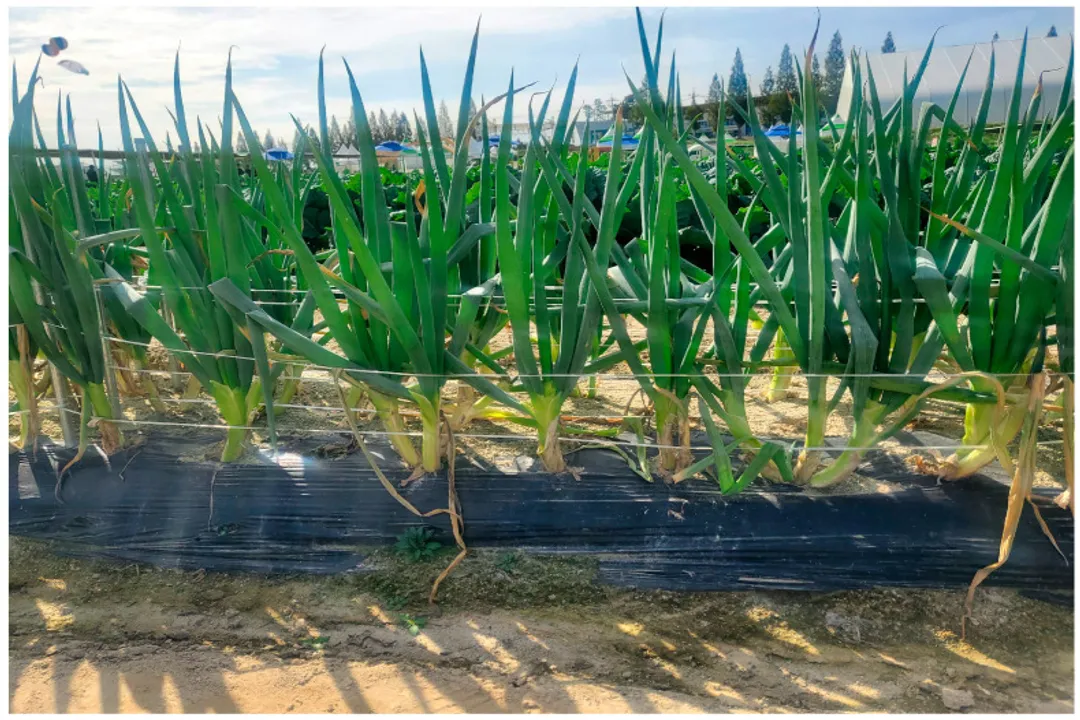
Scallions offer support to both the digestive system and the body's natural defenses. The fiber content, though modest, contributes to digestive regularity and feeds beneficial gut bacteria, which is a foundational aspect of overall wellness. [3] Moreover, the Vitamin C content inherent in raw scallions is a well-known component in bolstering the immune system. [1]
Beyond general vitamins, the flavor profile of scallions is tied to specific flavonoids, such as quercetin and kaempferol. [5] These phytonutrients act as powerful antioxidants, helping the body neutralize free radicals that cause cellular stress and inflammation. [5] For individuals who experience digestive sensitivity to very pungent foods, scallions present an excellent middle ground. They allow for daily consumption of allium-based benefits—like introducing prebiotic material or mild sulfur compounds—in a format that is typically much better tolerated than mature onions or raw garlic cloves. [3] This mildness translates into a more accessible way to incorporate daily vegetable intake for digestive maintenance.
# Skeletal Vision
Two key vitamins found in scallions directly target the health of our bones and eyes. [1] Vitamin K, which is quite abundant in green onions, is crucial for bone metabolism and plays a role in ensuring proper blood clotting mechanisms. [1][7] Consistently including Vitamin K-rich foods supports bone density over time, a factor that becomes increasingly important with age. [7]
Equally important is the contribution of Vitamin A. Scallions contain beta-carotene, which the body converts into Vitamin A. This nutrient is necessary for maintaining healthy vision, particularly in low-light conditions, and supports the integrity of mucous membranes throughout the body, which forms a key barrier for immune defense. [1] The combination of bone support from Vitamin K and visual maintenance from Vitamin A makes scallions a surprisingly well-rounded addition to the diet across the lifespan.
# Kitchen Use
The versatility of scallions allows them to be incorporated into meals in numerous ways, and the method of preparation can slightly alter the nutritional outcome. They are perhaps most frequently used raw—sliced thinly over soups, tacos, stir-fries, or mixed into dips and dressings. [1] Eating them raw ensures maximum retention of heat-sensitive nutrients like Vitamin C. [1]
However, cooking them gently, such as briefly wilting them into an egg scramble or adding them near the end of a simmering broth, also retains many benefits. While high heat exposure will inevitably reduce the levels of certain water-soluble vitamins, the mineral content and the beneficial sulfur compounds are generally more stable. [5] When utilizing scallions, remember that both the white bulb end and the green tops are edible and offer slightly different flavor intensities; the white parts are often sharper and sometimes treated more like a true onion base, while the green tops provide a fresher, herbaceous note. [3] Experimenting with using the white parts cooked into a base flavor and the green parts served raw as a finish can maximize both flavor and nutritional benefit in a single dish.
Related Questions
#Citations
Health Benefits of Scallions - WebMD
Green Onion (Allium fistulosum): An Aromatic Vegetable Crop ...
Green Onions: 10 Healthy Benefits, Types, Nutrition Info & Recipes
Are there any benefits/nutritional value to eating scallions? - Reddit
Scallions - Dr Earth
Green Onions or Scallions-Are They The Same Thing
Spring Onion/Scallion: Health Benefits, Nutrition Values, Recipes
What are your favorite uses for scallions and green onions?
Scallions vs. Green Onions, Plus Benefits, Nutrition and Recipes