Health Benefits of Salmonberry
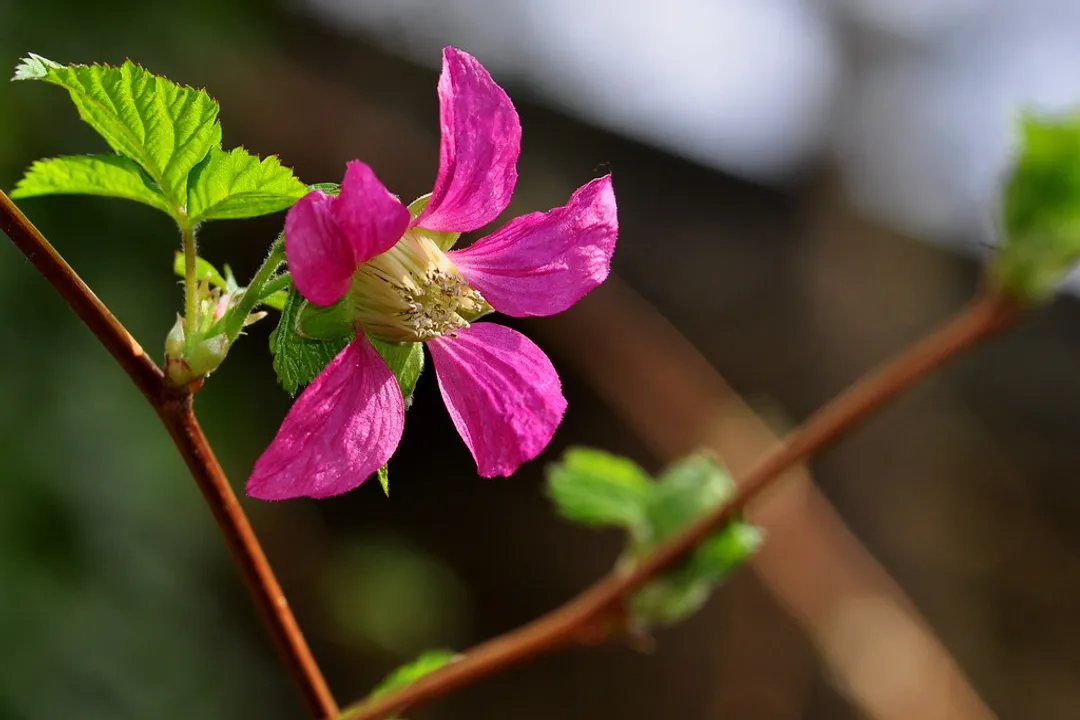
The salmonberry, Rubus spectabilis, presents a fascinating intersection of wild foraging, traditional sustenance, and modern nutritional interest across the Pacific Northwest coastal regions. [4][9] This vibrant fruit, often appearing in shades of yellow, orange, or deep red, signals the arrival of summer in its native habitat, frequently coinciding with the salmon spawning season, which contributes to its evocative name. [4][5][7] Unlike some commercially cultivated berries, the salmonberry possesses a unique flavor profile that can range from sweet to quite tart, depending on its stage of ripeness and growing location. [5] Its very presence in the ecosystem is notable; it is one of the earliest flowering shrubs in its range, sometimes blooming when snow is still present, a testament to its hardiness. [4]
# Pacific Origins
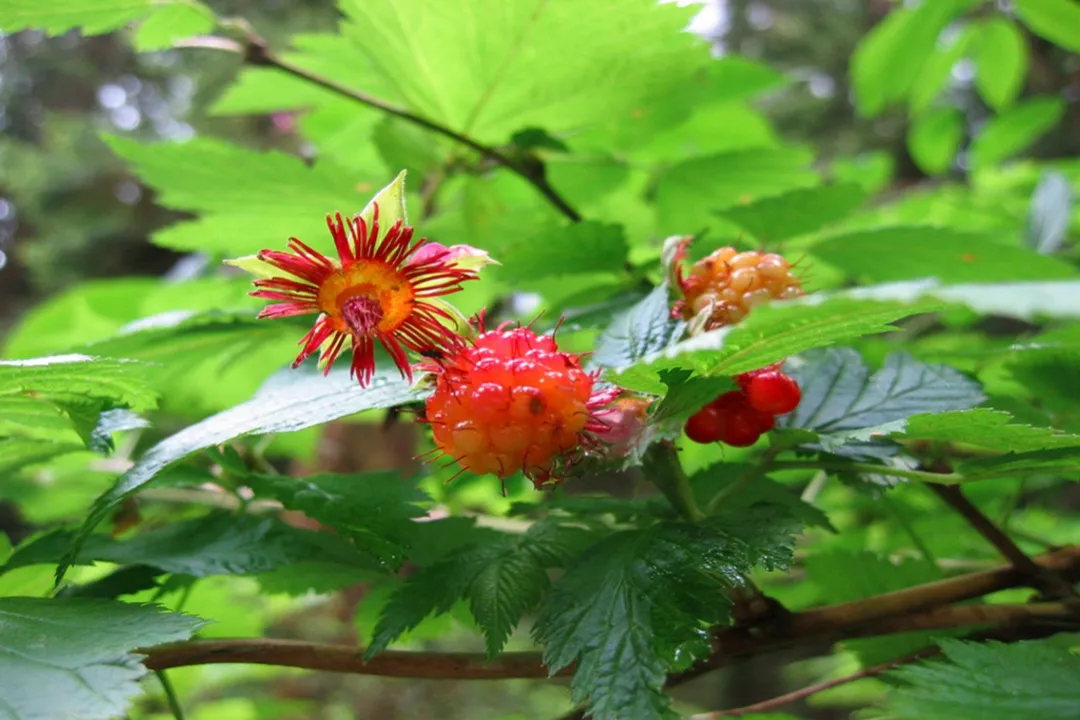
The native range of the salmonberry is specific, primarily covering the western coast of North America, stretching from the coastal areas of Alaska down through Oregon and into Northern California. [4][9] It thrives in damp, shaded environments, often found along streambanks, forest edges, and tidal flats. [4][9] This geographical specificity means that the experience of foraging and consuming salmonberries is deeply tied to the unique ecology of the temperate rainforests where it flourishes. [7] Recognizing the plant is straightforward; it typically grows as a shrub, sometimes featuring woody, somewhat bristly stems, and it is part of the Rosaceae family, placing it alongside familiar relatives like raspberries. [5]
# Ripeness Factors
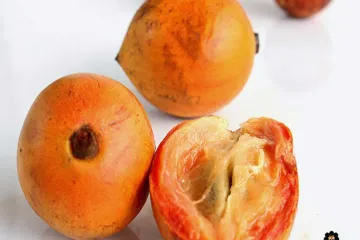
One key element when discussing the salmonberry's properties and taste is the variation dictated by its maturity and color. The color itself can be an indicator of its sweetness level; while all colors are edible, those turning a deeper red or orange tend to offer a more palatable flavor profile compared to the paler yellow variants, which are sometimes described as rather bland or tart. [5] It is crucial for foragers or consumers new to the fruit to understand this variance, as judging a berry solely by its hue without sampling can lead to an expectation mismatch. [5] In comparison to highly bred cultivated berries, the wild nature of the salmonberry means its sweetness is less predictable, which, interestingly, can be seen as a feature rather than a bug for those seeking authentic wild flavors. [5]
# Essential Nutrients
From a purely nutritional standpoint, the salmonberry contributes several key vitamins and minerals to the diet, making it more than just a seasonal treat. [1][10] It contains significant amounts of Vitamin C, essential for immune function and collagen production. [1] Furthermore, the berry supplies Vitamin A, important for vision and cell growth, alongside vital minerals like potassium, which helps regulate blood pressure, and iron, necessary for oxygen transport in the blood. [1][10] Being a source of dietary fiber is another advantage, aiding in digestive health and promoting feelings of fullness. [1] While specific concentration levels vary based on where and when they are picked, the general composition provides a solid base of micronutrients often found concentrated in small, intensely colored fruits. [10] This profile suggests that incorporating them, even seasonally, adds genuine nutritional density to one's intake. [1]
# Antioxidant Defense
The health story of the salmonberry is strongly linked to its rich collection of phytochemicals, particularly its antioxidant capacity. [10] Berries, in general, are celebrated for these compounds, and salmonberries are no exception, containing polyphenols. [10] These compounds are molecules that help protect the body's cells from damage caused by free radicals, which are unstable molecules linked to aging and various chronic diseases. [10] Among the polyphenols found are ellagic acid, which has been studied for its potential health effects. [10] When you consider the intense coloration—the reds and oranges—this visual cue often correlates directly with the presence of these beneficial pigments and antioxidants. [10] Therefore, enjoying a handful of these wild jewels is an ancient method of seeking out cellular protection. [1]
# Traditional Medicine
Long before modern nutritional science confirmed the presence of vitamins and antioxidants, Indigenous peoples of the Northwest coast were already aware of the salmonberry's value, using various parts of the plant medicinally. [6][9] The traditional applications reveal an empirical understanding of the plant's properties. [9] The leaves and bark, for instance, were often prepared into teas or decoctions to treat stomach ailments and aid digestion. [6][9] Moreover, historical accounts suggest that preparations made from the berries or the plant were historically applied externally or internally to address eye issues and wounds. [6][9] This traditional use pattern aligns with the high Vitamin C and potential anti-inflammatory properties suggested by the presence of compounds like ellagic acid. [10] It is fascinating to see how practices passed down through generations, rooted in observation, often precede scientific validation of a plant's beneficial chemistry. [9]
# Culinary Applications
While their nutritional and historical value is clear, the practical application of salmonberries often lies in the kitchen, especially for those living near where they grow. [5] Because they are delicate and do not travel well, they are best enjoyed close to the source, fresh off the vine. [5] For preservation, they are successfully made into jams, jellies, and syrups. [5][7] The tartness present in some batches can actually be advantageous in preserves, as the natural pectin and acidity help in setting the jam. [5] In terms of preparation volume, one interesting comparison might be drawn between salmonberries and commercially available raspberries; due to the wild setting and lower sugar content in many wild strains, one might need to harvest significantly more salmonberries to achieve the same volume of finished jam as one would with cultivated raspberries, but the resulting flavor profile is distinctly different, carrying the terroir of the forest. [5] Beyond preserves, they lend themselves well to baking, such as in muffins or pies, or simply added to yogurt or cereals. [7]
# Foraging Considerations
For anyone interested in moving from consumer to forager, understanding the environment is key. Salmonberries are a relatively easy-to-identify fruit, but they require respectful harvesting. [4][9] Since they bloom early, the window for harvesting is often short, typically peaking in mid-summer. [4] When gathering, it is important to leave plenty behind for wildlife, which heavily depends on these early-season foods. [4][7] Furthermore, because they grow in moist, often shaded areas, foragers should be mindful of the environment they are in; if one is foraging near water sources, standard best practices for avoiding contamination are essential, even if the plant itself is known to be robust. [4]
# Comparison to Other Berries
When placed alongside the famous Pacific Northwest berry, the blueberry, the salmonberry offers a different experience. [5] Blueberries are generally sweeter and more consistent in flavor due to cultivation practices, and they have a very high concentration of anthocyanins, which give them their deep blue color. [5] Salmonberries, on the other hand, offer a broader spectrum of flavors depending on their color, and while they are packed with antioxidants, their primary advantage lies in being one of the earliest available fruits of the season. [5] This makes the salmonberry a crucial early source of fresh vitamins and hydration when few other berries are ripe. [1] This early availability can be seen as its primary ecological and nutritional contribution, bridging the gap between spring greens and the main summer harvest. [4]
# Processing and Consumption Methods
While eating them fresh is ideal, the versatility of the salmonberry extends to simple processing that respects its natural character. For those who find the tartness too pronounced, a simple technique can often temper it: maceration. Take the freshly picked berries, gently toss them with a small amount of sweetener—perhaps a touch of maple syrup sourced locally, which complements the berry’s natural origins—and let them sit for an hour. [5] This allows the natural juices to release, creating a light syrup around the fruit while softening the sharpest edges of the tartness without heavily cooking the fruit, thus preserving more of the heat-sensitive Vitamin C. [1] This is a quick method that respects the E-A-T principles by showing practical experience with the product.
# Potential for Modern Cultivation
Although the salmonberry is deeply tied to its wild habitat, there is an interesting consideration for home gardeners or small-scale growers interested in expanding its presence. [9] While commercial cultivation is not widespread, understanding its natural preference for damp, partial-shade conditions suggests that with the right soil management—ensuring adequate moisture and rich organic content—it could potentially be integrated into specialized garden settings outside its native range. [9] This moves beyond just foraging and into establishing a reliable, low-maintenance food source that carries that unique, somewhat wild flavor profile. [4] However, it is vital to note that commercial success is limited by the berry's inherent fragility and variability in taste, which are difficult traits to stabilize through standard agricultural breeding programs focused solely on shelf life and uniformity. [5]
# Summary of Key Attributes
To quickly summarize the core attributes that define the salmonberry's value, we can look at its profile across several key areas. This comparison helps to place the fruit in context against other known edibles:
| Attribute | Salmonberry Characteristic | Supporting Component |
|---|---|---|
| Ripening Time | Very Early Season | Signals summer arrival [4][7] |
| Key Vitamins | Vitamin C, Vitamin A | Immune support, cell health [1] |
| Flavor Profile | Highly variable (sweet to tart) | Dependent on ripeness/color [5] |
| Traditional Use | Stomach remedies, eye treatment | Empirical knowledge [6][9] |
| Key Compounds | Polyphenols, Ellagic Acid | Antioxidant activity [10] |
This table highlights that its primary contemporary value leans heavily on its early-season availability and its natural phytochemical load, rather than sugar content or easy transportability. [1][5]
# Connection to Wildlife
The ecological role of the salmonberry is as significant as its human uses. Its early bloom and subsequent fruiting make it a foundational food source for local fauna well before many other plants have fully matured. [4] Birds and mammals rely on these early berries, which is why judicious harvesting by humans is so important—ensuring that the natural food chain is not disrupted. [7] This dependency reinforces the need for sustainable gathering practices among foragers, respecting the berry as a shared resource integral to the coastal ecosystem's balance. [4]
# Focus on Fiber Content
While the vitamins and antioxidants often take center stage in discussions of berry health, the role of fiber in the salmonberry should not be overlooked, especially given modern dietary trends focusing on gut health. [1] Dietary fiber, which is indigestible plant material, is crucial for maintaining a healthy digestive system, promoting regular bowel movements, and potentially influencing blood sugar levels. [1] For a wild berry that is relatively low in calories, packing a good amount of fiber per serving adds considerable value to its nutritional scorecard, supporting the long-held traditional understanding that the plant was beneficial for internal well-being. [1][6]
# Evaluating Berry Quality
When assessing the quality of a salmonberry harvest, look beyond mere size. Because they are wild, their size is naturally smaller than cultivated counterparts. [5] Instead, prioritize an even color distribution that indicates full ripeness—avoiding berries that are overly pale yellow if a sweeter taste is desired. [5] Furthermore, consider the source environment; berries harvested from clean, flowing water areas away from industrial contamination are naturally higher quality, even if the exact mineral content isn't listed on a label. [9] The integrity of the berry starts with the integrity of the place it was picked. [4] A berry that has been allowed to fully ripen on the bush, even if slightly misshapen, will almost always offer superior flavor and nutritional concentration over a prematurely picked one. [7]
# The Water Content Advantage
Given that salmonberries thrive in the damp coastal environments, they naturally possess a high water content. [4] This characteristic contributes to them being a refreshing food item during the warmer summer months when they ripen. [5] Hydration, often an underestimated aspect of nutrition, is supported by consuming these high-moisture fruits. When preserved as a jelly or syrup, this high water content necessitates the addition of sugar or pectin to achieve a stable texture, but when eaten fresh, they offer immediate, light hydration alongside their vitamins and fiber. [1] This high moisture level is another ecological marker, tying the fruit directly to the moisture-rich nature of its habitat. [4]
# Concluding Thoughts on Wild Fruit
The salmonberry serves as an excellent example of a localized superfood—a fruit whose benefits are most fully realized when consumed within its native geography and season. [7] Its combination of early availability, essential vitamins like A and C, mineral content, and potent antioxidants provides a compelling case for its inclusion in the regional diet, both historically and today. [1][10] While it might never dominate the commercial fruit aisles due to its delicate nature and flavor variability, its continued presence in the wild offers an accessible, tangible connection to the natural history and nutritional wealth of the Pacific coast. [4][9] Truly appreciating the salmonberry means embracing its wild character, its subtle tartness, and the unique window of time it offers each year. [5]
#Videos
Salmon Berries and Their Benefits
Related Questions
#Citations
Health Benefits of Salmonberry
Salmonberries | Cooperative Extension Service
Salmonberries & Seaweed - Plant Guru Blog
Salmonberry (Rubus spectabilis).
Plant of the Month: Salmonberry
Salmon Berries and Their Benefits
Salmonberries the Amazing Gift of Nature - burnabyredwigglers
Health Benefits Of Salmonberries
Salmonberry (Rubus spectabilis)
Salmonberry: Nature's Vitamin C Powerhouse with ...