Health Benefits of Redcurrant
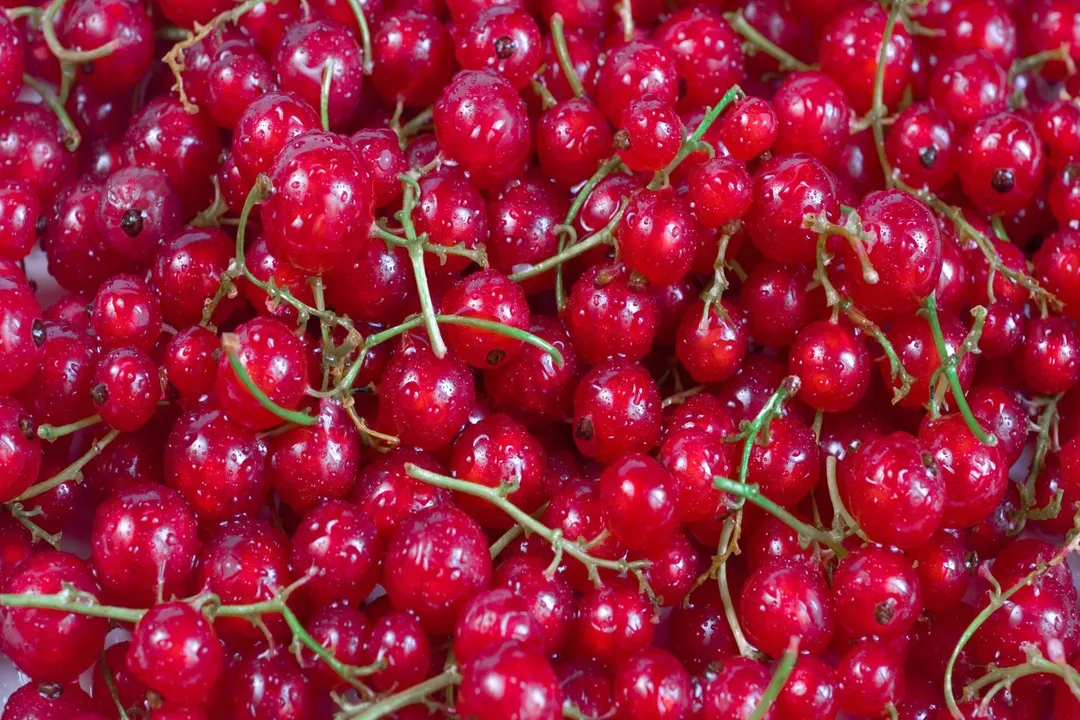
The small, jewel-like redcurrant, scientifically named Ribes rubrum, is a vibrant berry native to sections of Western Europe, yet it often hides in the shadow of more famous superfruits. This bright red cluster of vitality is far more than just a tart garnish for desserts; its dense nutritional composition makes it a powerful addition to any diet, offering substantial benefits ranging from metabolic support to skin protection. While some sources note its flavor is slightly tarter than the blackcurrant, its sweetness level is comparable, making it versatile for culinary uses like jams and cooked preparations, though it shines when consumed fresh or minimally processed.
# Core Nutrients
A close look at what these berries offer reveals why they earn the "superfruit" designation. They are fundamentally low in fat—reportedly containing only about 0.2g per 100g serving—and contain manageable amounts of sugar relative to their micronutrient load. Redcurrants deliver a significant punch of vitamins, minerals, and specialized plant compounds called polyphenols.
For a standard 100-gram serving of raw redcurrants, the nutritional breakdown highlights key contributions:
- Vitamin C: Approximately 41mg, meeting around 46% of the recommended daily intake (RDI). This positions redcurrants as an excellent source for immune support.
- Vitamin K: About 11μg, providing around 13% of the RDI, vital for bone health.
- Potassium: Delivering about 275mg, which contributes roughly 8% toward daily needs and plays a role in blood pressure regulation.
- Fiber: A healthy dose of dietary fiber, totaling about 4.3g, encompassing both soluble and insoluble types.
Beyond these macronutrients, redcurrants supply important minerals like calcium, magnesium, and iron, as well as Vitamin A and B vitamins. An interesting aspect to consider is the combination of these components: one cup provides 77% of the daily Vitamin C needs while only containing 10% of the necessary Manganese for antioxidant enzyme cofactors. The fruit’s near fat-free status, combined with its mineral profile, suggests that eating a bowl of these berries is an efficient way to supplement several key nutrients without adding significant caloric density to a meal. For those concerned about sugar spikes, the slow absorption rate means the sugars present are integrated gradually, avoiding the rapid blood sugar fluctuations associated with high-glycemic foods like white bread.
# Antioxidant Power
The reputation of redcurrants as a protector against cellular damage stems directly from their rich content of antioxidants, including Vitamin C, flavonoids, and anthocyanins. Anthocyanins are especially noteworthy as they are the pigments responsible for the berry's intense red color. These compounds create a protective shield, helping to guard the skin against damage and supporting a more youthful appearance.
The mechanism through which these antioxidants operate is complex and highly effective. They work to mitigate oxidative stress, a primary driver behind numerous chronic conditions, including certain cancers and neurodegenerative disorders. Specifically, anthocyanins demonstrate the ability to modulate inflammatory pathways by inhibiting nuclear factor kappa B (), which is a central regulator in the body's inflammatory response. Concurrently, the flavonoids present contribute by reducing oxidative damage and improving endothelial function—the health of the inner lining of blood vessels.
In the specialized world of nutraceuticals, redcurrants are noted for a unique polyphenol profile that includes Ribetril. This compound, described as having a stable and bioactive polyphenol alkaloid structure, has been observed in studies to have physiological effects, including boosting mitochondria, which can result in increased energy levels. This dual action—general antioxidant defense from common compounds like Vitamin C, coupled with unique, energy-related compounds like Ribetril—makes redcurrants a distinctive source of vitality.

# Vascular Health
The collective action of fiber, potassium, and high polyphenol content strongly supports the cardiovascular system. As noted, the anthocyanins found in redcurrants are directly linked to improved blood vessel function, helping to reduce arterial stiffness and consequently lower blood pressure.
The role of potassium is critical here; it actively works to counterbalance the effects of sodium in the body, encouraging the relaxation of blood vessels and reducing the overall risk of hypertension. Simultaneously, the soluble fiber component takes on the task of managing cholesterol. It works by binding to bile acids in the digestive tract, promoting their excretion, which in turn lowers circulating LDL ("bad") cholesterol levels—a key factor in preventing the buildup of plaque and reducing the risk of coronary artery disease. Furthermore, reports suggest that regular intake of redcurrants improves overall blood flow and can even decrease the risk associated with heart attacks.
If we consider the typical modern diet, which is often high in sodium and low in fiber, incorporating a low-GI fruit like the redcurrant becomes a simple yet powerful countermeasure for cardiovascular maintenance. You could easily toss a handful of fresh redcurrants into a morning bowl of oatmeal, which already contains soluble fiber, to create a synergistic effect that enhances both cholesterol management and provides potassium to offset dietary sodium intake.
# Metabolic Balance
Managing blood sugar is another area where redcurrants show promise, largely due to their fiber content and polyphenol activity. As previously established, they possess a low glycemic index, meaning they do not rapidly release glucose into the bloodstream, thus preventing the sharp peaks and subsequent energy "crashes" and mood swings that follow.
The polyphenols, particularly the anthocyanins, go a step further than just slowing absorption. Research indicates they can actively enhance insulin sensitivity and improve the body's overall glucose metabolism, making them a beneficial inclusion for those managing type 2 diabetes. Moreover, these compounds have been observed to regulate carbohydrate metabolism by modulating the activity of certain enzymes, which can reduce the amount of glucose taken up in the intestines. This regulation supports broader metabolic health. The combination of being nearly fat-free while actively supporting healthy glucose handling positions the redcurrant as a smart choice for sustained energy management.
# Digestive Support
The fiber content, which includes both soluble and insoluble types, is fundamental to promoting optimal digestive function. Dietary fiber is essential for maintaining bowel regularity and ensuring easier, more consistent bowel movements, effectively fighting constipation. Additionally, this fiber acts mechanically, helping to "scrape" cholesterol from the walls of arteries and blood vessels as it passes through.
However, the digestive benefits extend beyond roughage. The polyphenols present in redcurrants act as prebiotics. This means they feed the beneficial bacteria residing in the gut, such as Bifidobacteria and Lactobacilli. A thriving population of these good microbes is critical for immune modulation and maintaining the integrity of the gut barrier. By nurturing this internal ecosystem, regular consumption may also help reduce chronic inflammation within the gut lining, potentially lowering the risk factors associated with irritable bowel syndrome (IBS) and inflammatory bowel disease (IBD). Some traditions even view the fruit as a good natural detoxifier that helps purify the liver routes.
# Skeletal Integrity
Maintaining strong bones requires a precise balance of minerals and specific vitamins, and redcurrants contribute positively to this balance. They supply essential bone-building minerals like calcium and magnesium. Most significantly, they are a good source of Vitamin K.
Vitamin K is a key regulator in bone metabolism because it is crucial for the process of retaining calcium within the bone matrix, the scaffolding structure of the skeleton. Sufficient intake of Vitamin K may also help reduce the amount of calcium that is otherwise lost through urinary excretion. This function is paramount for reducing the risk of developing osteoporosis and subsequent fractures later in life.
It’s worth noting the synergistic potential here: in addition to providing the necessary Vitamin K, the polyphenols within the redcurrants may further enhance the body's ability to absorb the calcium that is already consumed, strengthening long-term skeletal health. For readers looking to naturally bolster their bone mineral density, focusing on incorporating Vitamin K-rich foods alongside calcium sources, like adding redcurrants to a yogurt or cottage cheese base, provides a concentrated, functional pairing.
# Immune Defense
The high concentration of Vitamin C is the cornerstone of redcurrant's role in immune support. Vitamin C is a potent, water-soluble antioxidant that assists the body in building resistance against infectious agents. Functionally, it helps bolster the immune response by enhancing the production of white blood cells and acts as a scavenger to protect these immune cells from oxidative stress damage. Furthermore, Vitamin C is indispensable for creating and maintaining collagen, a structural protein vital not only for skin health but also for strengthening the skin’s physical barrier against pathogens.
Beyond Vitamin C, the fruit’s profile of flavonoids and anthocyanins adds another layer of defense, as these compounds have demonstrated inherent antimicrobial and antiviral properties that can help bolster the body’s overall defense mechanisms against various infections. By fighting free radicals, they also help eliminate cancer-causing agents in the body. The overall effect is a fruit that supports immunity from multiple angles: structural repair, direct pathogen defense, and radical scavenging.
# Skin and Sight
The compounds that offer internal antioxidant defense also provide external benefits, specifically for the skin. The ability of Vitamin C to create and maintain collagen directly translates into better skin structure and appearance. This anti-damage action contributes to a complexion that appears more youthful and glowing.
Moreover, redcurrants are acknowledged for providing benefits to eyesight. While the specific mechanism isn't detailed in all sources, this is likely tied to the presence of Vitamin A and the potent antioxidants that protect the delicate cells of the eye from oxidative damage, much like they protect brain cells. Given their use in TCM for clearing heat and supporting fluid regeneration, and their documented antimicrobial properties, redcurrants offer a holistic set of benefits that touches upon cleansing, defense, and structural repair throughout the body, inside and out.
Related Questions
#Citations
What Are The Health Benefits Of Redcurrants? - Dale Pinnock
7 Health Benefits Of Redcurrant - DoveMed
Redcurrant, the new Nordic superfruit - Nutraceutical Business Review
Exploring the Wonders of Red Currants - VitaClay® Chef