Health Benefits of Raspberry
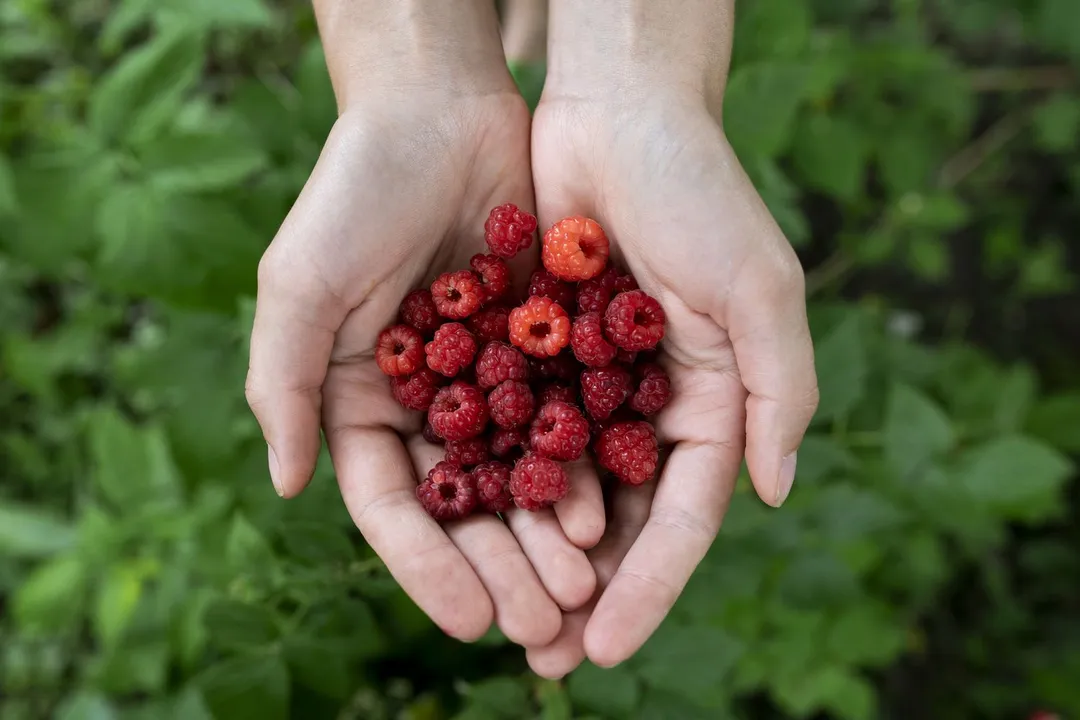
Raspberries, those delicate jewels of the cane fruit family, pack a remarkable nutritional punch relative to their modest size and calorie count. Often enjoyed casually tossed into breakfast cereal or as a simple snack, these berries deliver a dense concentration of vitamins, minerals, and powerful plant compounds that offer tangible benefits for overall health. [1][3] They stand out in the fruit aisle not just for their vibrant color but for their impressive composition that supports everything from blood sugar regulation to cellular defense mechanisms. [3][4]
# Nutrient Density
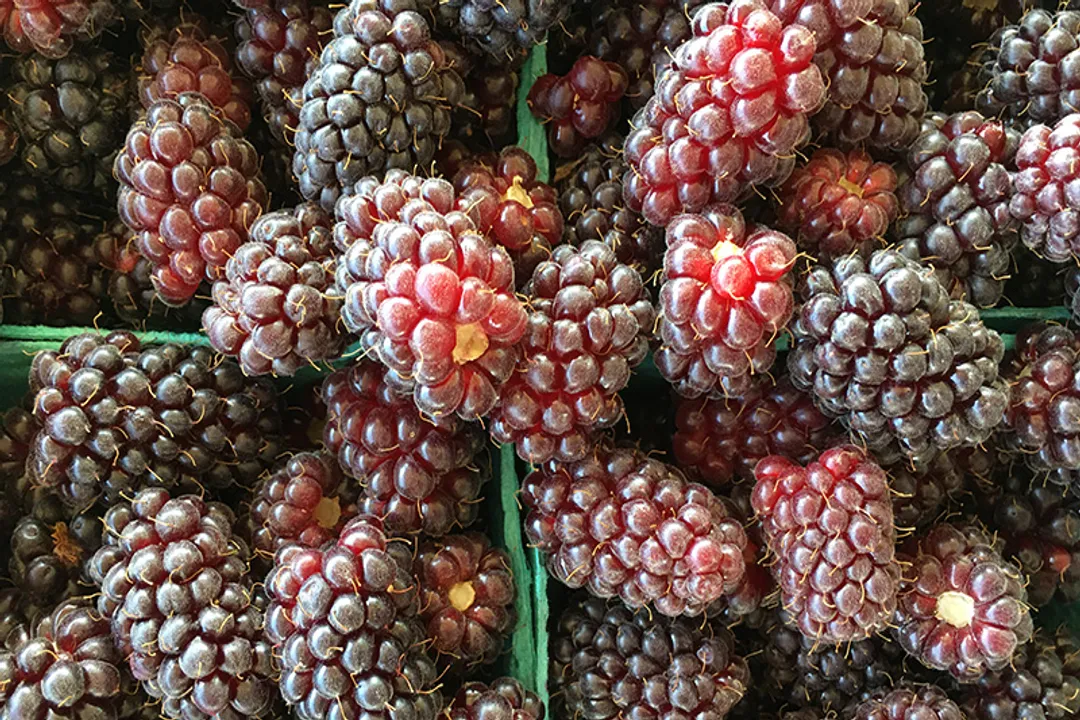
Digging into the specifics of a single cup of raspberries reveals an impressive nutrient lineup. This serving size delivers a significant amount of essential vitamins and minerals, making them a highly efficient food choice. [3] For instance, they are an excellent source of manganese, a trace mineral vital for metabolism and antioxidant defenses, and they provide notable amounts of Vitamin C, crucial for immune function. [3][4] Furthermore, they contribute meaningfully to the daily intake of Vitamin K, folate, iron, and potassium. [3] This combination of micronutrients means that enjoying a bowl of these berries contributes far more than just simple sweetness to the diet. [1]
# Sugar Balance
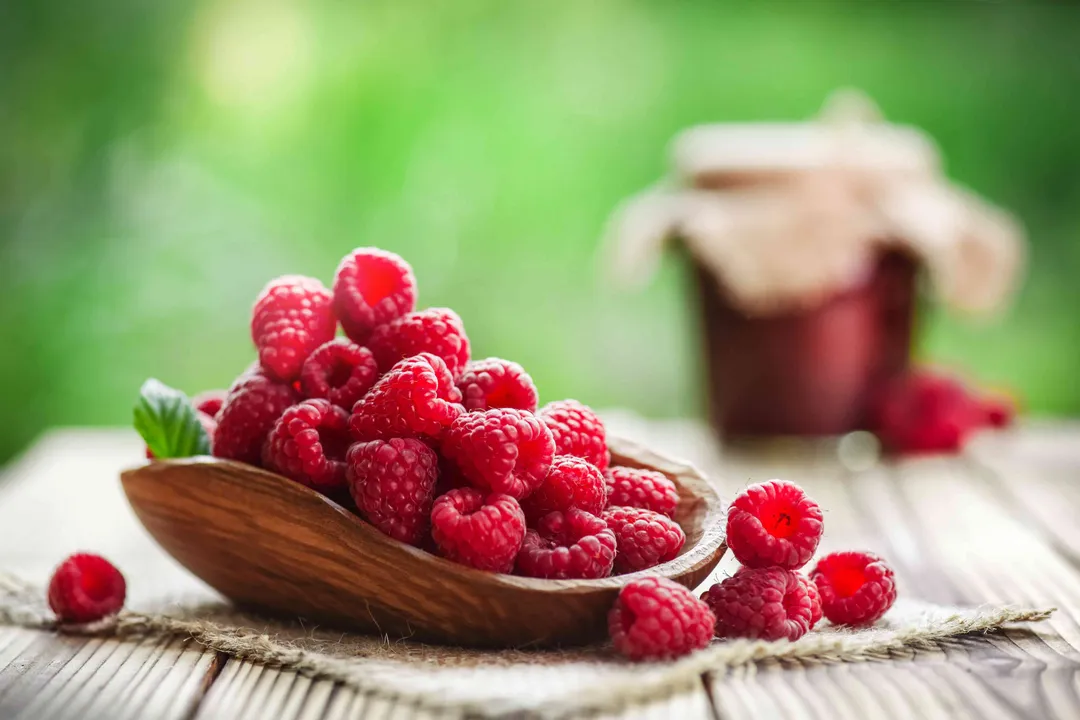
One of the most frequently lauded aspects of raspberries is their favorable sugar profile when compared to many other popular fruits. A cup of fresh raspberries contains a relatively low amount of sugar. [3] More importantly for metabolic health, they boast a very low Glycemic Index (GI), often cited around 26. [3] This low GI is not accidental; it is strongly linked to their high fiber content. [4] The fiber acts as a physical buffer, slowing down the rate at which any naturally occurring sugars are absorbed into the bloodstream, leading to a gentler, more sustained energy release rather than a sharp spike. [4] This synergistic effect, where high fiber works alongside low intrinsic sugar levels, is key to understanding their positive role in blood sugar management for the general population. [3]
When considering how this stacks up against other popular breakfast additions, it becomes clearer why dietitians often recommend them. For example, while dried fruits concentrate sugars, even fresh, high-sugar fruits like grapes or mangoes have a higher GI than raspberries, meaning a serving of raspberries provides far less immediate blood sugar impact for the same volume of fruit. [4] This makes them a preferred choice for anyone monitoring carbohydrate intake or seeking sustained energy throughout the morning. [3]

# Cell Protection
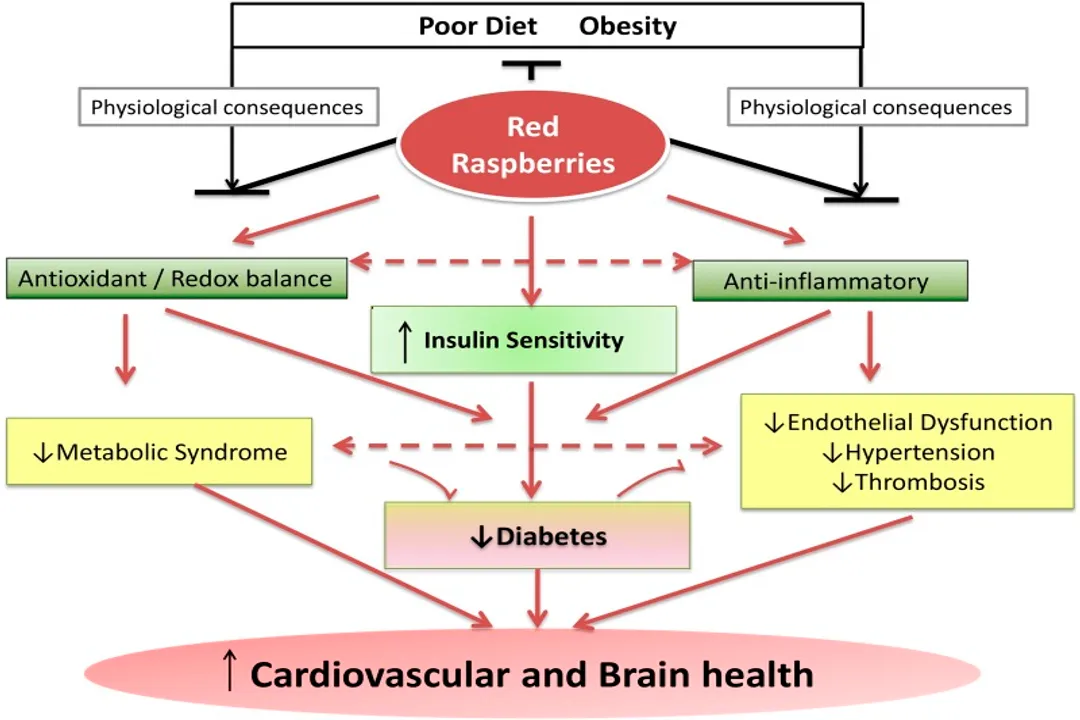
The deep red hue of raspberries is a visual cue to their richness in antioxidants. [1] These compounds are the body's internal cleanup crew, neutralizing unstable molecules known as free radicals, which contribute to inflammation and cell damage over time. [4] Among the specific antioxidants present, ellagic acid is frequently highlighted for its protective properties, with some research suggesting it may play a role in inhibiting cancer cell growth. [1] Another powerful player is quercetin, a flavonoid known for its potential to reduce inflammation and support blood pressure regulation. [1]
It’s worth noting the general principle of phytonutrient synergy here. While sources often point out the benefit of individual compounds like ellagic acid or quercetin, the true power likely comes from these molecules working in concert with the array of vitamins and minerals present. [1][4] For example, Vitamin C, abundant in raspberries, is itself a primary antioxidant, boosting the overall protective capability of the fruit beyond what the polyphenols offer alone. [3] Incorporating foods rich in these protective elements is a foundational strategy for promoting long-term cellular health and managing systemic inflammation. [4]
# Heart Function
The collection of beneficial components within raspberries strongly supports cardiovascular well-being through multiple pathways. [1] The high fiber acts directly on cholesterol management by binding to it in the digestive tract, promoting its excretion rather than absorption. [4] Simultaneously, the presence of potassium is critical for balancing fluid levels and relaxing blood vessel walls, which aids in maintaining healthy blood pressure levels. [1] When these effects are combined with the anti-inflammatory and vessel-supporting actions of antioxidants like quercetin, the raspberry emerges as a genuinely heart-conscious food choice. [1]
If you track your daily nutrient intake, you might notice that hitting the recommended daily allowance for potassium can be tricky without relying heavily on starchy vegetables or specialized supplements. A generous serving of raspberries offers a tasty, low-calorie way to boost this essential mineral while simultaneously providing fiber and antioxidants—a trifecta of cardiovascular support that fewer foods can match in one package. [3]
# Digestive Power
Fiber is perhaps the most frequently cited functional benefit of the raspberry, and for good reason. A single cup offers a substantial amount of dietary fiber—around 8 grams. [3][4] This is a significant contribution toward the daily recommendations for most adults. [4] This high fiber content serves two main functions in the gut: first, it adds bulk to stool, which promotes regular bowel movements and helps prevent constipation. [4] Second, the soluble fiber component acts as a prebiotic, feeding the beneficial bacteria in the colon. [4]
Thinking practically about daily intake, integrating this level of fiber can be challenging if relying only on grains or legumes, which sometimes come packaged with higher levels of less desirable components like sodium or saturated fats. Raspberries offer this significant fiber boost in its purest, whole-food form. [3] An easy way to ensure you hit your fiber goal is to swap out a low-fiber snack, like a handful of plain crackers, for a cup of fresh or frozen raspberries; you gain fiber and lose unnecessary refined carbohydrates in the process. [4]
# Immunity Boost
The significant presence of Vitamin C in raspberries directly contributes to immune system support. [1][3] Vitamin C is vital for various cellular functions of both the innate and adaptive immune systems, helping the body defend against pathogens. [3] Beyond Vitamin C, the general anti-inflammatory effects conferred by the antioxidants play an indirect but important role in immunity. Chronic, low-grade inflammation can divert resources away from a quick, effective immune response, so reducing that baseline stress through diet is beneficial. [4]
These berries are also noted for their positive impact on skin health, which is often an external marker of internal balance and hydration. [4] The combination of antioxidants protecting cells from environmental stressors, coupled with Vitamin C's essential role in collagen production, helps maintain skin integrity and appearance. [4]

# Versatility and Availability
While the fresh product is highly prized, the nutritional profile, especially the mineral and fiber content, remains largely intact when raspberries are frozen. [3] This aspect is important for accessibility and year-round consumption. Whether enjoyed plain, blended into smoothies, or used as a flavorful, slightly tart topping for yogurt or oatmeal, their ability to integrate into various meals makes consistent consumption simpler than relying on less versatile produce. [2] The natural sweetness, even without added sugars, means they can often substitute for processed sweeteners in recipes, making them a sensible addition to many different culinary applications. [3]
Related Questions
#Citations
Health Benefits of Raspberries - WebMD
Are Raspberries Good for You? 5 Benefits - Health Cleveland Clinic
Red Raspberries: Nutrition, Benefits, and How to Enjoy - Healthline
9 Health Benefits of Eating Raspberries Every Day
Health benefits of raspberries. - YouTube
The Health Benefits of Raspberries For Beautiful Skin and Hair
Red Raspberries and Their Bioactive Polyphenols - PubMed Central
6 Benefits of Raspberries, Plus Facts and Nutrition - Health
Health and Nutrition Benefits of Raspberries and Blackberries