Health Benefits of Raisin

This small, wrinkled fruit, derived from dried grapes, is a concentrated source of nutrition that many people overlook, often relegating it to trail mix or baking recipes. However, examining the components of raisins reveals a surprisingly dense package of health-supporting compounds that warrant a closer look at their role in a balanced diet. [2][9] They are not merely nature's candy; they represent a preserved essence of the original fruit, maintaining many of its beneficial properties while significantly increasing the concentration of certain nutrients, fiber, and energy. [7]
# Nutrients Profile

When assessing the true value of any food, breaking down its elemental makeup is key. Raisins are primarily known for their natural sugars, which contribute to their sweet taste and provide readily available energy. [7] A standard serving, often around one-quarter cup or about 1.5 ounces, packs significant carbohydrates. [1][9]
However, focusing only on the sugar overlooks other vital contributions. Raisins are a genuine source of dietary fiber, which is essential for digestive health and can influence satiety levels. [1][10] Furthermore, they are a notable contributor of several essential minerals. For instance, they provide a good dose of potassium, an electrolyte crucial for fluid balance and blood pressure regulation. [1][9] They also contain iron, which is necessary for the production of red blood cells. [1]
If we compare the mineral density, a small handful of raisins can offer a noticeable boost compared to other light snacks. For example, just a half-cup serving can provide around 10-15% of the recommended daily intake for iron and potassium, making them a highly efficient way to consume these micronutrients without consuming excessive bulk, which is something fresh fruit often requires. [1][2]
# Vitamin K
Another less-discussed nutritional component is Vitamin K, which plays a part in blood clotting and bone metabolism. [1][9] While not the single biggest source, the contribution from raisins is significant enough to consider when aiming for adequate daily intake, especially for those who do not regularly consume leafy green vegetables. [1]
# Bowel Regularity

One of the most consistently cited benefits of including raisins in your diet relates directly to digestive function. This effect is largely attributed to their fiber content. [9] Raisins contain both soluble and insoluble fiber, meaning they work in two primary ways to support the gut. [10] The insoluble fiber acts as a bulk-forming agent, helping to move material through the digestive tract at a steady pace. [10]
This natural mechanism can be particularly helpful for individuals experiencing occasional constipation. While many sources highlight the fiber, it is worth noting that the high concentration of sugars, coupled with the fiber, can sometimes lead to gas or bloating if consumed in very large quantities too quickly, as the body adjusts to the sudden influx of both fiber and natural sugar. [1] A gentle introduction, perhaps starting with just a tablespoon mixed into oatmeal, allows the digestive system to adapt smoothly. [10]

# Blood Pressure
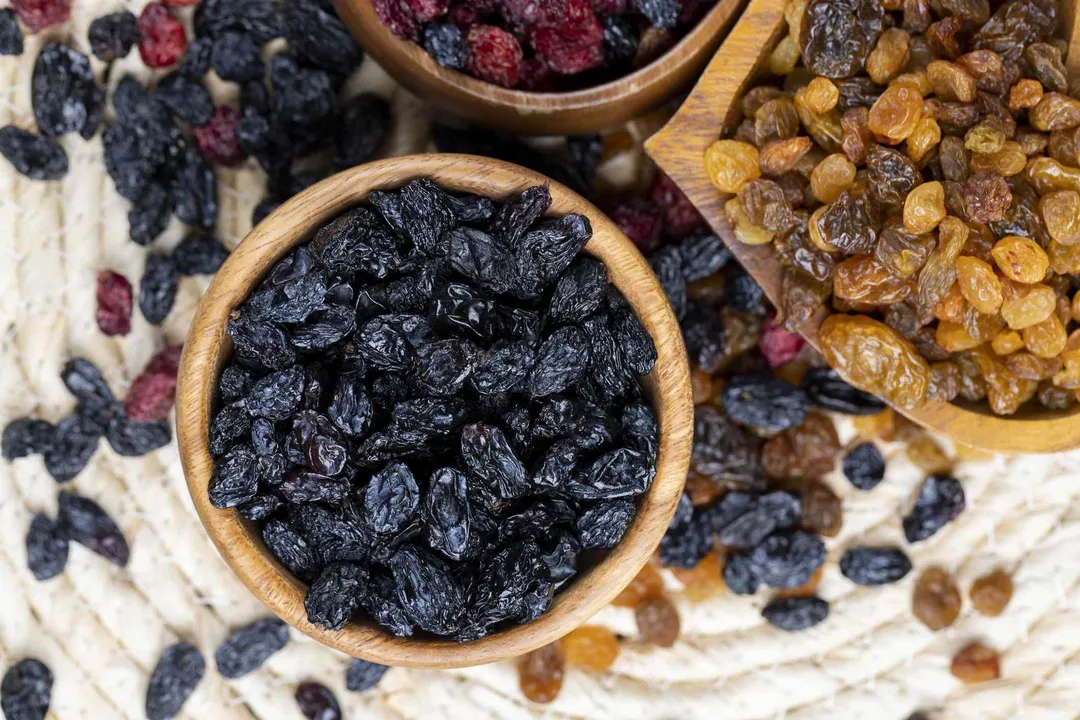
The presence of potassium in raisins points toward their positive influence on cardiovascular health, particularly concerning blood pressure management. [1][9] Potassium helps counterbalance the effects of sodium in the diet, encouraging the body to excrete excess sodium through urine, which can help keep blood vessel walls relaxed. [2]
For many adults, maintaining healthy blood pressure is a continuous effort. The soluble fiber found in raisins also plays a supportive role here, as studies suggest it may assist in reducing levels of low-density lipoprotein (LDL) cholesterol, often referred to as "bad" cholesterol, which is a risk factor for heart disease. [1][9] It’s important to view raisins not as a treatment, but as a supportive dietary component when managing cardiovascular wellness alongside other lifestyle factors. [2]
# Disease Fighters
The intense drying process concentrates the beneficial phytochemicals found in grapes, particularly antioxidants. [4][5] Raisins are packed with phenolic compounds, which are known for their ability to combat oxidative stress in the body. [1][5] Oxidative stress occurs when there is an imbalance between free radicals and antioxidants, leading to cellular damage that is implicated in aging and the development of chronic diseases. [5]
These compounds work by neutralizing unstable molecules, effectively acting as cellular bodyguards. [5] While the specific types and concentrations vary based on the grape variety and drying method, the general profile remains protective. [4] This antioxidant load is a significant reason why dried fruits, in general, are often included in recommendations for diets aimed at long-term health maintenance. [7]
# Dental Debate
A topic that often arises when discussing fruit sugars is dental health. It might seem counterintuitive that something so sweet could be beneficial for teeth, but research suggests a more nuanced interaction. [8] While the natural sugars (fructose and glucose) can feed harmful bacteria in the mouth if left unchecked, certain compounds within raisins may actually help inhibit the growth of some oral bacteria associated with cavities and gum disease. [8]
This is where moderation and eating habits come into play. Eating raisins as part of a balanced meal, rather than as a standalone, drawn-out snack, allows saliva production to increase, which helps wash away residue. If you are prone to snacking on them, rinsing your mouth with water afterward can naturally support better oral hygiene, negating the potential negative effects of the concentrated sugar. [8]
# Skeletal Strength
Maintaining strong, dense bones is critical throughout life, and while calcium and Vitamin D receive most of the attention, minerals like boron are also necessary cofactors in bone health. [1][9] Raisins provide a good source of this trace mineral. [1][9] Boron is thought to assist in the body's absorption and utilization of other essential bone-building nutrients, such as calcium and Vitamin D. [9]
When integrating raisins into a diet focused on bone density, it is best to pair them with other calcium-rich foods, like yogurt or fortified cereals. For instance, adding a quarter cup of raisins to a morning serving of Greek yogurt provides fiber, potassium, and boron alongside a major calcium source, creating a genuinely synergistic snack. [1]
# Quick Fuel
For active individuals, athletes, or anyone needing a fast, readily available source of energy, raisins are an excellent choice. [7] Because the water has been removed, the natural sugars are highly concentrated, making them easily digestible and quickly absorbed into the bloodstream to fuel muscles and the brain. [7] This rapid energy release contrasts with fats or proteins, which require more complex digestive processes. [7]
This characteristic makes them a favorite for endurance athletes who need portable, non-perishable carbohydrates during long events. Unlike many processed energy bars which might contain long lists of synthetic additives or high amounts of refined sugar, raisins offer their energy through whole-food sources. [7]
# Preparation Matters
It is important to remember that not all commercially available raisins are identical, and how they are processed can impact their final nutritional profile and health suitability. [6] Most commercial raisins are made from Thompson Seedless grapes and are treated with sulfur dioxide to preserve their golden color, which some individuals may be sensitive to. [6] Darker, naturally dried raisins often lack the sulfur dioxide treatment but may have a slightly different nutrient profile due to the different drying methods. [6]
A crucial consideration for those monitoring their intake is the addition of sugar or oil. While the natural sugars are inherent to the fruit, some manufacturers might add extra coatings or ingredients, especially for confectionery-style raisins. [6] Always check the ingredient label to ensure you are getting pure dried fruit, particularly if your primary goal is maximizing natural fiber and mineral intake without unnecessary additions. [6] Focusing on the plain, sun-dried versions ensures you receive the benefits derived directly from the grape itself.
# Portions and Balance
While the health advantages of raisins are clear, the conversation surrounding them must always circle back to portion control. [1][10] Because they are dried, they are significantly higher in calories and sugar by volume compared to their fresh grape counterparts. [1] A single cup of grapes, for example, yields only about one-third cup of raisins. [10]
This concentration means that enjoying the benefits—the fiber, the iron, the antioxidants—requires mindful consumption. Overindulging can easily lead to an excess calorie or sugar intake, which works against health goals, especially for those managing blood sugar levels. [1][10] A reasonable, consistent serving size helps to harness the good without tipping the scales toward excessive simple carbohydrate consumption. They are best viewed as a complement to a diet rich in varied fruits, vegetables, lean proteins, and whole grains, rather than a primary source of daily nutrition.
#Videos
Health Benefits of Raisins | Remedy to improve Blood Count
Related Questions
#Citations
9 Health Benefits of Eating Raisins Regularly
Raisins: Are They Good for You? - WebMD
California Raisins: Health and Nutrition Research
Health Benefits of Raisins | Remedy to improve Blood Count
Is Eating Raisins Healthy? - PMC - NIH
The Amazing Health Benefits of Raisins - California Grown
The Health Benefits of Dried Fruit - SUN-MAID
Are raisins good for you? - BBC Good Food
What Happens to Your Body When You Eat Raisins Regularly - Health
Are Raisins Good for You? - Healthline