Health Benefits of Potato
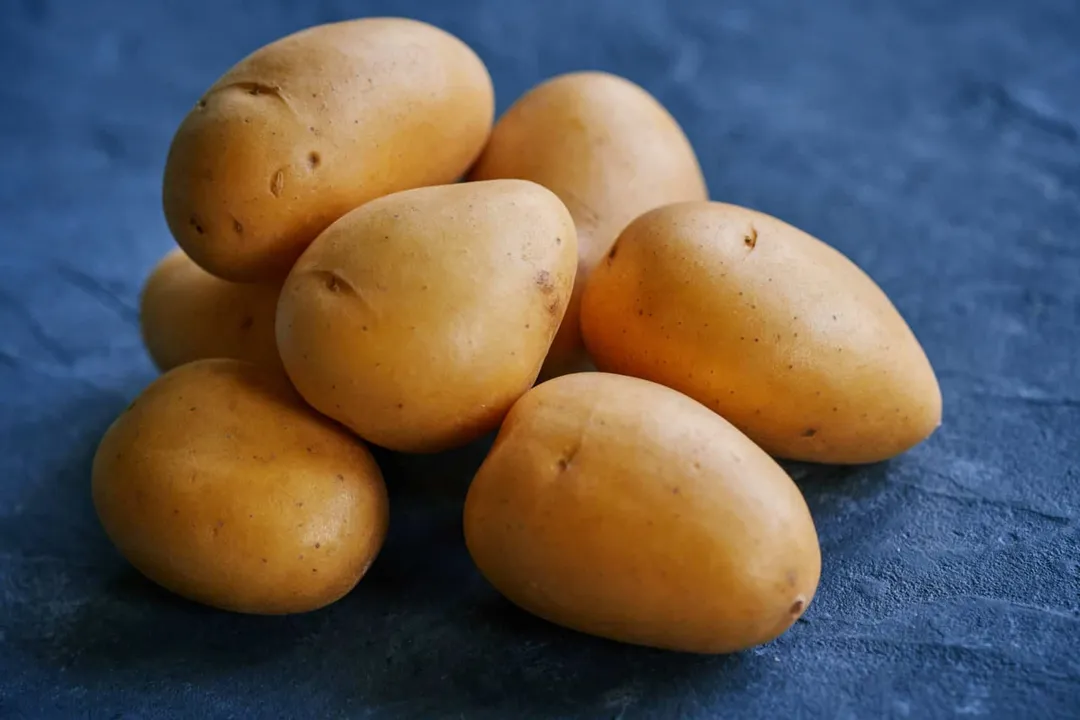
Potatoes, often relegated to the side dish category or unfairly targeted in conversations about carbohydrates, are far more than simple starch delivery systems. These versatile tubers have been a global staple for centuries, and looking past their simple preparation methods reveals a surprisingly dense package of essential vitamins and minerals that deserve a more prominent place in a balanced diet. [1][2] Understanding what’s inside the potato—especially when you keep the skin on—shows why they are a true nutritional asset. [5][7]
# Nutrient Powerhouse
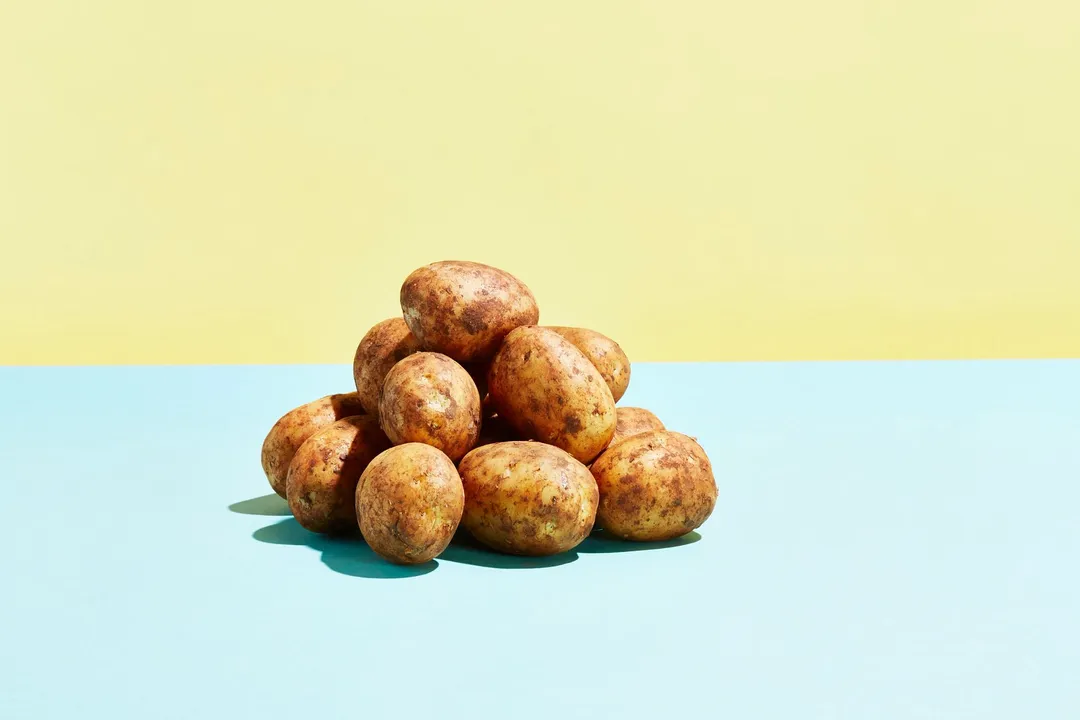
When evaluating the nutritional value of a potato, it’s important to look past just the carbohydrate content and consider the micronutrients it provides. [7] A medium baked potato, consumed with the skin, delivers significant amounts of Vitamin C, which is vital for immune function and acts as an antioxidant. [2][5] Furthermore, potatoes are an excellent source of Vitamin B6, a nutrient critical for brain development and function, as well as the production of red blood cells. [4]
However, where the potato truly shines is in its mineral content, particularly potassium. [1][2] A single medium potato can contain nearly as much potassium as a medium banana, sometimes even exceeding it. [1][4] To put this into perspective, an average adult aiming for the recommended daily intake of potassium might find that one large baked potato provides close to 25% of their needs, making it one of the most significant single-food contributors to this mineral in many Western diets. [4] They also supply notable amounts of magnesium and iron. [2][4] While the fiber content is often lower than in whole grains, retaining the skin significantly boosts the dietary fiber, which aids digestive regularity. [2][5]
# Heart Health Support
The abundance of potassium found in potatoes directly supports cardiovascular function. [1][2] Potassium is an electrolyte that plays a key role in balancing the negative effects of sodium, helping to relax blood vessel walls and maintain healthy blood pressure levels. [1][5] Since potatoes are naturally low in sodium, incorporating them into a diet can be beneficial for those actively managing their blood pressure through dietary adjustments. [1]
For individuals focusing on heart health, the preparation method becomes a crucial consideration. While the potato itself is sodium-free, deep-frying it and then heavily salting the final product negates the inherent benefits of the tuber. [5] Opting for simple baking, boiling, or steaming—and seasoning lightly—allows the natural mineral profile to contribute positively to circulatory wellness. [5]

# Gut Health Prebiotic
One of the less obvious, yet highly beneficial, aspects of potato consumption relates to gut health, particularly when they are prepared and then cooled. [1][5] This process encourages the formation of resistant starch. [1][2] Resistant starch gets its name because it resists digestion in the small intestine and passes through to the large intestine, where it functions similarly to soluble fiber. [1][5]
Once in the large intestine, this resistant starch acts as a prebiotic, feeding the beneficial bacteria that reside there. [2][5] A healthy population of gut microbes is associated with improved digestion, better nutrient absorption, and potentially a stronger immune system. [5] This transformation—from digestible starch to beneficial prebiotic—is a fascinating characteristic. For instance, taking a baked potato, letting it cool completely in the refrigerator overnight, and then eating it cold the next day in a salad will maximize the resistant starch content compared to eating it immediately hot from the oven. [1]
# Weight Control Factor

For a starchy vegetable, the potato scores surprisingly well on the satiety scale, or the feeling of fullness it promotes after consumption. [1][2][5] Research suggests that potatoes rank higher on the satiety index than many other common carbohydrate sources, including white bread. [2] Eating foods that promote satiety can naturally lead to consuming fewer calories overall throughout the day, which is a foundational principle of healthy weight management. [1]
However, this benefit is entirely conditional on preparation. [5] A plain baked or boiled potato is a low-fat food. [2] If that same potato is mashed with large amounts of butter and cream, or aggressively deep-fried into chips, the high fat content dramatically increases the calorie density, overwhelming the positive satiety effect. [5] For weight-conscious readers, the boiled or steamed potato eaten plain or with minimal, healthy toppings remains the best choice for maximizing fullness relative to caloric intake. [2]

# Glycemic Index Variation
The Glycemic Index (GI) is often a point of contention regarding potatoes, as they can sometimes cause a rapid spike in blood sugar levels. [5] It is crucial to understand that the GI of a potato is not fixed; it is highly dependent on the specific variety and, more importantly, the method of preparation and consumption. [1][2]
Generally, potatoes prepared using methods that involve high heat and short cooking times, like frying or baking them until very soft, tend to have a higher GI. [2] Conversely, methods that allow starches to become more stable, such as boiling them until just tender rather than overcooked, or subsequently cooling them, can significantly lower the GI score. [1][5] This cooling mechanism, which converts starches to resistant starch, also mitigates the sharp rise in blood sugar often associated with starchy foods. [1] Therefore, a potato salad made with chilled, boiled potatoes will likely impact blood sugar differently than a plate of piping hot french fries. [2]
# Colorful Varieties
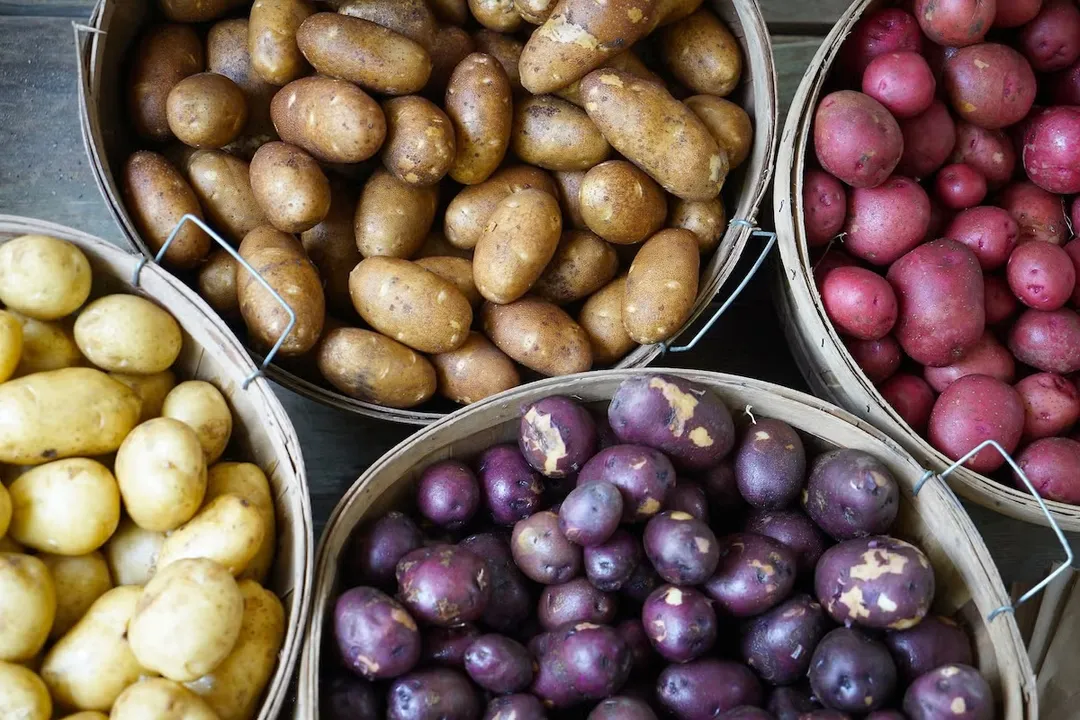
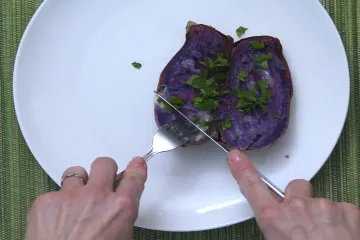
While the common russet or white potato is widely consumed, many varieties offer added benefits due to their color. [2][5] Purple, blue, and red potatoes are rich in naturally occurring pigments that function as antioxidants. [5] For instance, the vibrant purple color comes from anthocyanins, the same powerful compounds found in blueberries and blackberries. [2]
These phytonutrients have demonstrated protective effects in laboratory studies. [2] When planning meals, integrating these naturally colored tubers alongside standard white varieties can be an easy way to diversify antioxidant intake without drastically altering flavor profiles. [5] Pairing a serving of purple potato mashed with a side of steamed green beans provides a broader spectrum of protective plant compounds than relying on a single vegetable source alone. [2]
# Essential Cooking Advice
To reap the full spectrum of benefits potatoes offer—from potassium levels to Vitamin C—how they are cooked and stored makes a real difference in nutrient preservation. [7] Many water-soluble vitamins, like Vitamin C and some B vitamins, can leach out into the cooking water during boiling. [5] Therefore, boiling potatoes whole, or baking them, is preferable to chopping them into small pieces before submerging them in water. [7] Keeping the skin on is also non-negotiable if you are targeting fiber, iron, and potassium, as a significant portion of these nutrients resides just beneath the peel. [5][7] If peeling is necessary, scrubbing well and removing only the thinnest outer layer is the best compromise. [7] Furthermore, potatoes are naturally gluten-free, making them an inherently safe and versatile option for those managing celiac disease or gluten sensitivities. [4]
Related Questions
#Citations
Potato health benefits and why you should eat more spuds
7 Health and Nutrition Benefits of Potatoes - Healthline
Are Potatoes Healthy? - The Nutrition Source
Nutritional Value - National Potato Council
HEALTH BENEFITS OF POTATOES - Green Giant™ Fresh
It's OK to say 'yes' to potatoes - Mayo Clinic Health System
Health Benefits of Potatoes - WebMD
4 Surprising Health Benefits of Potatoes - AARP
Intake of Potatoes Is Associated with Higher Diet Quality, and ... - NIH