Health Benefits of Pomegranate

The vibrant, jewel-toned arils of the pomegranate have long captivated palates, but their allure extends far beyond mere aesthetic appeal or sweet-tart flavor. This ancient fruit, often celebrated in mythology and traditional medicine, is increasingly recognized by modern science for a substantial array of health advantages, primarily stemming from its incredibly dense concentration of unique antioxidants. [1][2] Consuming the fruit, whether as fresh seeds or pure juice, offers a concentrated dose of beneficial compounds that can impact everything from cardiovascular wellness to cellular protection. [4][8]
# Core Nutrients
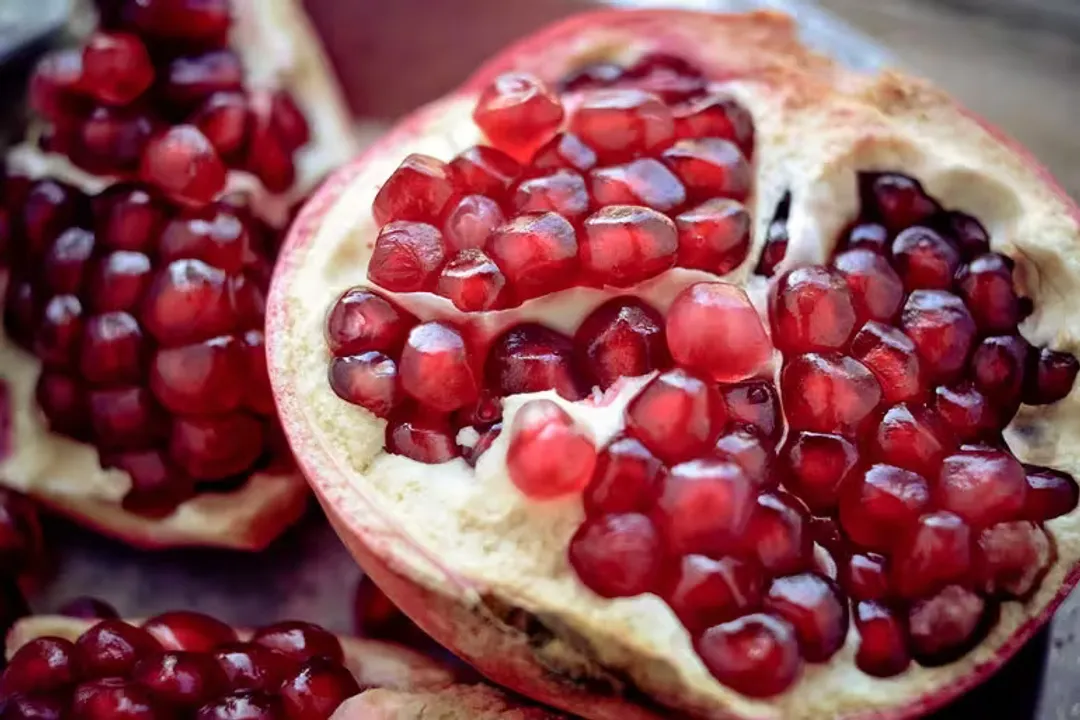
A closer look at the nutritional makeup reveals why the pomegranate commands such attention. The edible portion, the arils, are packed with vitamins and minerals, notably containing high amounts of Vitamin C and Vitamin K, along with folate and potassium. [1][9] Furthermore, it offers a significant source of dietary fiber, which is crucial for digestive regulation. [1][5] While the fruit is naturally sweet, its overall sugar content is relatively moderate compared to many other juices, especially when considering the accompanying nutrient load. [6] It's worth noting that the majority of the beneficial compounds—the polyphenols—are highly concentrated in the juice and the peel, though most people focus consumption on the arils. [3]
# Potent Antioxidants
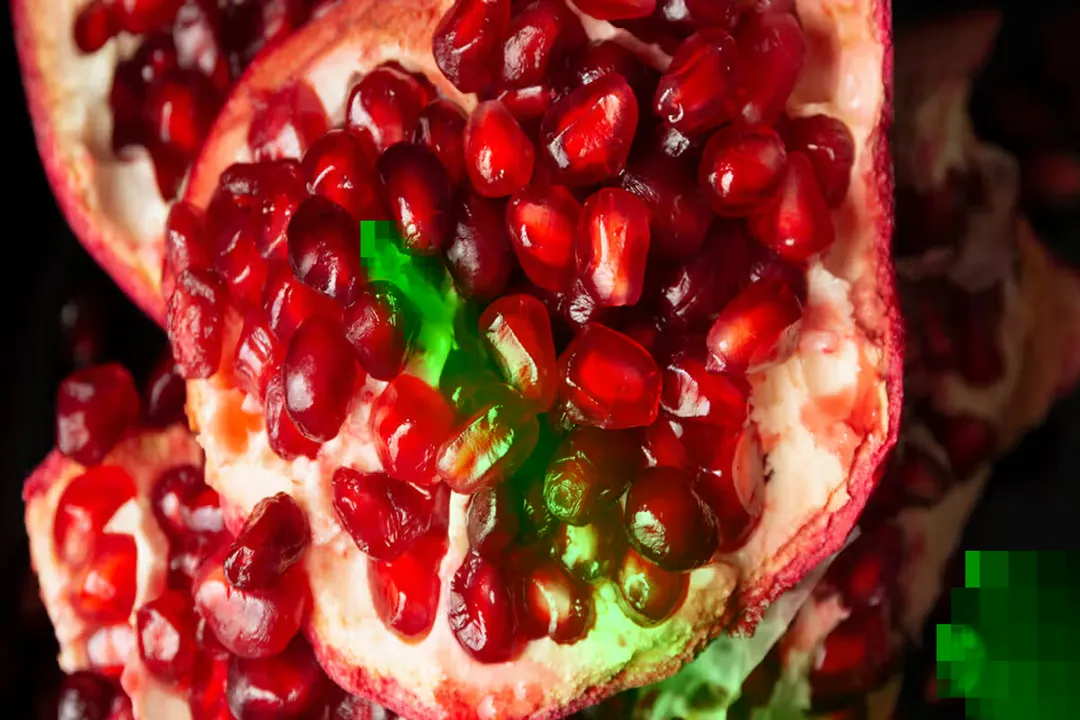
The true star quality of the pomegranate lies in its extraordinary antioxidant capacity. [1][4] These compounds work within the body to neutralize free radicals, which are unstable molecules that can cause oxidative stress and cellular damage over time. [3] Pomegranates are particularly rich in several powerful polyphenols, including ellagitannins and punicalagins. [1][9] Punicalagins are particularly notable, as they are considered the primary source of the juice's potent antioxidant activity. [1]
In terms of sheer strength, studies often show that pomegranate juice boasts a higher total antioxidant capacity than red wine or green tea when compared ounce for ounce. [1][9] This means that a single serving delivers a powerful punch of protective compounds. To put this into perspective, if you were comparing a standard glass of pomegranate juice to one of equal volume of grape juice, the pomegranate version often provides a significantly higher concentration of these protective plant chemicals. [1]
# Tannins and Absorption
It is these tannins, specifically the ellagitannins, that contribute to the sharp, astringent taste often associated with the fruit's juice. [3] Once ingested, the body metabolizes these compounds into other beneficial substances, such as urolithins, which may offer sustained anti-inflammatory effects. [3] Understanding this metabolic pathway helps explain why the benefits aren't just immediate but can be sustained through regular, measured consumption.

# Heart Health
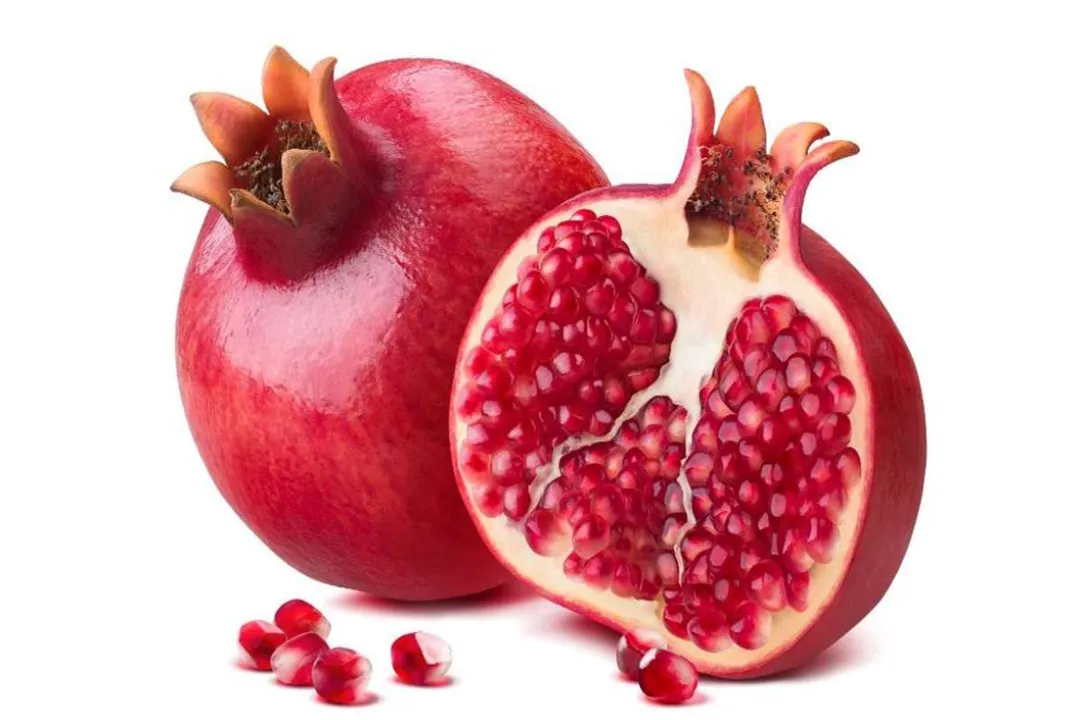
One of the most well-documented areas of pomegranate benefit involves the circulatory system. [2][4] The fruit’s powerful antioxidants appear to play a protective role against heart disease risk factors. [1]
# Blood Pressure Management
Research suggests that regular consumption of pomegranate juice may help to reduce systolic and diastolic blood pressure. [1][6] While results can vary based on the study duration and the individual, the effect on lowering blood pressure is frequently cited in clinical observations. [1] This reduction in pressure could be partially attributed to the fruit's ability to inhibit the activity of angiotensin-converting enzyme (ACE), similar to how some prescription blood pressure medications function, albeit in a much milder, natural capacity. [1]
# Arterial Integrity
Beyond direct pressure readings, pomegranates seem to support the structure and function of blood vessels. [2] The antioxidants can help prevent the oxidation of LDL ("bad") cholesterol, a key early step in the development of atherosclerosis, or the hardening and narrowing of the arteries. [1][4] Some data even suggests that pomegranate consumption may help slow the buildup of plaque within the arteries. [1][2] If we consider that cardiovascular disease remains a leading global health concern, incorporating foods that gently support arterial health year-round, rather than relying solely on acute interventions, makes a great deal of preventative sense. [4]
# Inflammation Reduction
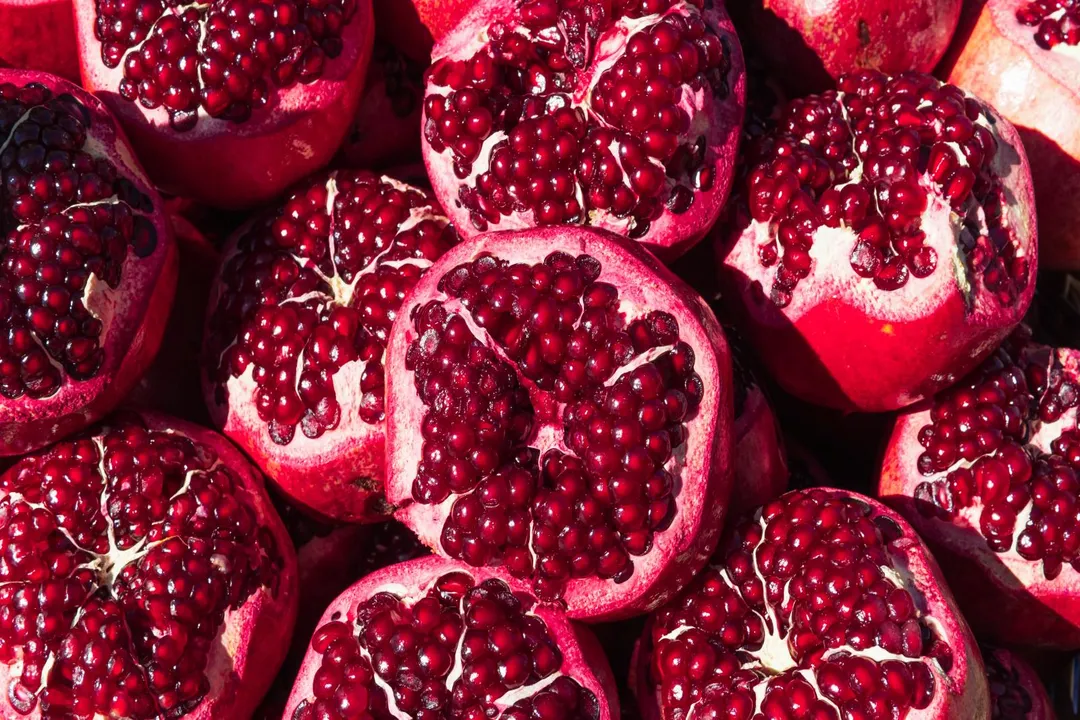
Chronic, low-grade inflammation is an underlying factor in many modern diseases, including heart disease, type 2 diabetes, and even certain cancers. [3] The high concentration of anti-inflammatory compounds in pomegranates positions them as a valuable dietary tool against this systemic stress. [1][3]
The punicalagins and other phenolics found in the fruit have demonstrated notable anti-inflammatory properties in test-tube and animal studies. [1] By actively working to quell the inflammatory response at a molecular level, the regular intake of pomegranate components may help reduce the overall inflammatory burden the body carries daily. [3]
# Exercise and Recovery
For those who maintain an active lifestyle, pomegranates may offer a functional edge related to physical performance and recovery. [1] Certain athletes have historically used the fruit for its perceived ability to improve circulation and endurance. [1]
The potential mechanism here links back to blood flow. By improving blood flow, the fruit might help deliver more oxygen and nutrients to working muscles during exercise. [1] Furthermore, the antioxidant properties may play a role in mitigating exercise-induced muscle damage, potentially leading to faster recovery between demanding workouts. [1] While more targeted human studies are needed in this specific area, the biological plausibility, based on its effects on circulation and oxidative stress, is strong. [1]
# Cognitive Health
Emerging research points toward potential benefits for the brain, suggesting that pomegranate extracts may offer neuroprotective qualities. [2] Oxidative stress and inflammation are recognized as contributors to age-related cognitive decline. [2] Because pomegranates actively combat both of these processes, they are being investigated for their role in supporting brain function. [2] Some studies have indicated that compounds in pomegranate may help protect brain cells from damage and could even play a role in supporting memory function, particularly as we age. [2]
# Fighting Cell Damage
Given their robust antioxidant profile, it is natural that pomegranates have been studied for their potential role in cancer prevention, though it is crucial to understand the limitations of current research. [1][6] Initial laboratory studies suggest that pomegranate extracts may slow the reproduction of cancer cells, and in some instances, encourage cell death (apoptosis) in those cells. [1]
Specific focus has been given to prostate cancer cells in research settings, where compounds from pomegranates showed some promise in inhibiting growth. [1][6] It must be stressed, however, that while these in vitro and animal results are encouraging, they do not translate directly into a guaranteed treatment or cure for humans. [1][6] The scientific community views the fruit as a potentially helpful part of a healthy diet, not a medical intervention.
# Digestive Support
While the most celebrated benefits revolve around the fruit's concentrated juices and extracts, the whole fruit—specifically the arils—provides essential dietary fiber. [5][9] Fiber is fundamental for maintaining a healthy gut environment. [5] It aids in regular bowel movements and supports overall gastrointestinal health. [1][5] When consuming pomegranate, choosing to eat the whole arils rather than just drinking the strained juice ensures you receive this important fiber component, which is often removed during the juicing process. [5]
# Practical Integration and Selection
Incorporating pomegranates into a regular diet is simpler than many assume, though navigating the fruit can sometimes seem intimidating. [7]
# Selecting the Fruit
When shopping for a whole pomegranate, look for one that feels heavy for its size, indicating it is full of juice. [7] The skin should be relatively smooth, thick, and deep red, although some green or yellow patches are acceptable as long as the skin is firm. [7] Avoid any fruit with soft spots or signs of mold. [7]
# Ways to Enjoy
The fresh arils can be sprinkled over salads, yogurt, oatmeal, or mixed into grain dishes like couscous or quinoa for a burst of color and tang. [9][7] If you prefer the juice, look for options labeled as 100% pure pomegranate juice without added sugars or high-fructose corn syrup, as these additives negate many of the inherent health benefits. [6] If pure juice is too tart, blending a small amount of pure juice into a smoothie with milder fruits like banana or apple can make it more palatable without significantly diluting the beneficial compounds. It is important to remember that while pure juice concentrates the antioxidants, it also concentrates the natural sugars and removes the fiber, creating a trade-off between convenience and whole-food benefit. [5]
# Understanding Varied Consumption
The form in which you consume the pomegranate significantly affects what nutrients you receive.
| Form of Consumption | Primary Benefit Received | Fiber Content | General Taste Profile |
|---|---|---|---|
| Whole Arils | Fiber, Antioxidants (Punicalagins) | High | Fresh, sweet-tart crunch |
| 100% Juice | Concentrated Antioxidants (High Punicalagins) | Negligible | Intense, sometimes astringent |
| Extracts/Supplements | Targeted High Dose of Specific Phenolics | None | N/A (Encapsulated) |
For the reader seeking maximum gut benefit alongside antioxidant intake, prioritizing the whole arils is the clear path. Conversely, if the goal is specifically to obtain the highest measurable dose of the potent water-soluble polyphenols quickly, pure juice remains the most efficient delivery method, provided sugar intake is monitored. [5][1]
# Comparing Consumption Methods
If you are managing your sugar intake closely but still want the benefits, consider this approach: when buying juice, dilute it with sparkling water to create a refreshing spritzer. This cuts the sugar load per glass while still providing a substantial dose of the fruit's unique antioxidants. This method allows you to enjoy the flavor and benefits without overconsuming the fruit's natural sugars, which can sometimes be a drawback of drinking large quantities of fruit juice. [6]
The cumulative evidence strongly suggests that the pomegranate is more than just a seasonal treat. [2][4] Its impressive nutritional density, particularly its unique blend of polyphenols like punicalagins, offers targeted support for the cardiovascular system, helps manage inflammation, and contributes positively to overall cellular defense. [1][3][9] Integrating this ruby-red fruit, in whatever form suits your diet best, is a sensible step toward boosting daily nutritional intake.
Related Questions
#Citations
10 Health Benefits of Pomegranate - Healthline
Health benefits of pomegranates extend throughout the body
Potent health effects of pomegranate - PMC - PubMed Central - NIH
The Health Benefits of Pomegranates
Pomegranate Health Benefits - Citrus Research and Education Center
Pomegranates: Health Benefits and Nutrition - WebMD
5 Reasons to Eat More Pomegranate | St. Vincent's Medical Center
12 Health Benefits of Pomegranates | Vinmec
Top 5 health benefits of pomegranate - BBC Good Food