Health Benefits of Persimmon

The bright orange hue of a persimmon signals more than just the arrival of autumn; it signifies the presence of a fruit packed with nutrients that support the body from the inside out. While perhaps not as universally recognized as apples or oranges, these sweet, often honey-flavored fruits offer a significant nutritional punch, making them an excellent addition to a balanced diet. When fully ripe, they deliver a satisfying sweetness, but understanding their composition reveals a wealth of science-backed reasons to seek them out.
# Nutrient Density

Persimmons are low in calories, with a medium fruit containing approximately 118 calories, yet they are rich in essential vitamins and minerals. They contain notable amounts of Vitamin C, a vital component for immune function, and Vitamin A, crucial for good vision. Beyond the major players, they supply Vitamin E and K, along with important trace minerals such as manganese and copper. For individuals tracking specific electrolytes, a single persimmon can provide a good source of potassium, a mineral known for its role in maintaining healthy blood pressure. Furthermore, they offer significant dietary fiber, essential for digestive regularity.
# Antioxidant Protection

The deep color of the persimmon is a visual clue to its high concentration of beneficial plant compounds, particularly antioxidants. These compounds work to neutralize harmful free radicals in the body, which can otherwise contribute to chronic disease and cellular damage.
The fruit is particularly rich in carotenoids, such as beta-carotene, which the body converts into Vitamin A. It also contains various flavonoids and tannins, which are noted for their anti-inflammatory properties. Research indicates that the antioxidant capacity of persimmon extracts is quite strong, suggesting a potent effect against oxidative stress. This broad spectrum of antioxidants means that consuming persimmons supports the body's overall defense mechanisms against internal stress.

# Cardiovascular Support

Maintaining heart health involves managing blood pressure and cholesterol levels, areas where persimmons can contribute positively. The combination of fiber and potassium is key here. Potassium helps balance the negative effects of sodium, thereby supporting healthy blood pressure regulation. Simultaneously, the fiber content plays a role in managing blood cholesterol. Given that many people do not consume the recommended daily intake of potassium, swapping out a less nutrient-dense snack for a persimmon offers an easy dietary adjustment toward better cardiovascular outcomes.
# Digestive Wellness

Fiber is celebrated for its benefits to the digestive tract, and persimmons deliver a respectable amount. Dietary fiber aids in promoting regular bowel movements and preventing constipation. This fruit contains both soluble and insoluble fiber types, which work together to support gut health. The structure of the fiber helps add bulk to stools and ensures smooth passage through the system. For those looking to increase their fiber intake without drastically changing their diet, incorporating a persimmon into a morning smoothie or as an afternoon snack is a straightforward method to reach daily targets.
# Eye Health
A significant portion of a persimmon's nutritional benefit ties directly to vision maintenance, primarily through its high Vitamin A content derived from carotenoids. Vitamin A is indispensable for good eyesight, playing a role in the formation of rhodopsin, a light-absorbing molecule essential for night vision. Consuming foods rich in beta-carotene and other carotenoids helps shield the eyes from oxidative damage caused by blue light exposure during the day, potentially lowering the risk of age-related macular degeneration over time.
# Blood Sugar Balance
For those monitoring their sugar intake, the role of fiber in persimmons is particularly important. While persimmons contain natural sugars, the high fiber content acts as a buffer, slowing down the rate at which the fruit's sugars are absorbed into the bloodstream. This mechanism helps prevent the sharp spikes in blood glucose levels that can occur after eating rapidly digestible carbohydrates. This characteristic makes persimmons a preferable sweet treat compared to processed desserts that lack dietary fiber, offering a gentler rise in blood sugar.
# Types Varieties
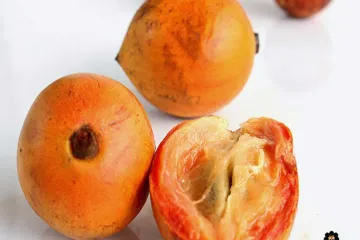
Understanding the two main categories of persimmons can greatly affect how you enjoy them. The Fuyu variety is often described as squat and tomato-shaped. It is non-astringent, meaning it can be eaten while it is still firm and crisp, much like an apple. In contrast, the Hachiya variety is typically acorn-shaped. These fruits must be completely soft and jelly-like before eating; if consumed when firm, their high tannin content results in an overwhelmingly bitter, astringent taste that dries out the mouth.
A practical approach when dealing with a batch of Hachiya that ripened too quickly is not just to wait, but to freeze them. Freezing and then thawing the fruit naturally breaks down the cell walls, accelerating the softening and sweetening process without compromising the flavor, making them ready to use in baking much sooner. Conversely, for Fuyu lovers who crave that crisp texture, slicing them thinly and using them in savory salads alongside sharp cheeses or bitter greens can highlight their mild sweetness in a contrasting way that a fully ripened Hachiya simply cannot replicate.
# Anti-Inflammatory Action
While specific studies on persimmon's direct clinical impact are ongoing, the presence of various bioactive compounds strongly suggests anti-inflammatory advantages. Chronic, low-grade inflammation is implicated in numerous long-term conditions, from heart disease to arthritis. The array of polyphenols and carotenoids found in the fruit contributes to systemic support against this inflammation, acting as dietary tools to mitigate daily cellular stress. When weighing the effort of adding a new fruit to your routine against the potential benefits, persimmons stand out because you are not just getting sugar and water; you are getting concentrated doses of compounds actively studied for their protective signaling roles in the body. They offer a high return on investment in terms of nutritional benefit for the caloric cost.
# Incorporating Persimmons
The versatility of the persimmon fruit extends beyond eating it out of hand. The non-astringent Fuyu can be cubed and added directly to fruit salads, sprinkled over breakfast cereals, or even used in place of apples in some slaw recipes. The overly ripe, soft Hachiya, which is often difficult to eat plain, excels when baked into muffins, breads, or puddings, where its sweet, jam-like consistency blends perfectly with spices like cinnamon and nutmeg. Cooking with the Hachiya form effectively converts what might otherwise be considered "unusable" fruit into a delicious, whole-food sweetener base.
#Videos
Health Benefits of Persimmons - America's Heartland - YouTube
Related Questions
#Citations
Top 7 Health and Nutrition Benefits of Persimmon - Healthline
Health Benefits of Persimmons - WebMD
Persimmon (Diospyros kaki) fruit: hidden phytochemicals and health ...
What Happens to Your Body When You Eat Persimmons Regularly
Health Benefits of Persimmons - America's Heartland - YouTube
Persimmons pack plenty of nutritional punch
The Health Benefits of Eating Persimmon - Gardenia.net
Antioxidant Properties and Health Benefits of Persimmon Fruits