Health Benefits of Peach
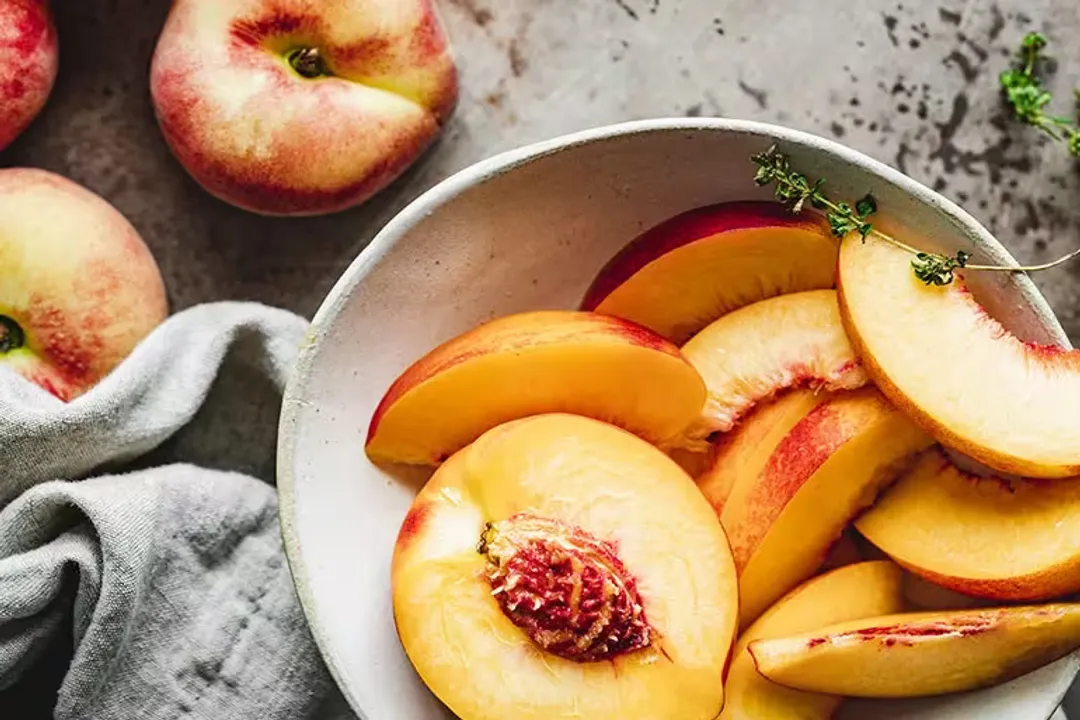
When you bite into a perfectly ripe peach, the burst of sweet juice and soft, yielding flesh feels like the very definition of summer indulgence. Yet, this stone fruit offers far more than just seasonal pleasure; it brings a surprisingly dense package of vitamins, minerals, and beneficial plant compounds to the table. [1][4] Despite being mostly water, which makes them wonderfully hydrating, peaches deliver significant nutritional value for very few calories, making them an excellent component of nearly any balanced diet. [2][6]
# Core Nutrients
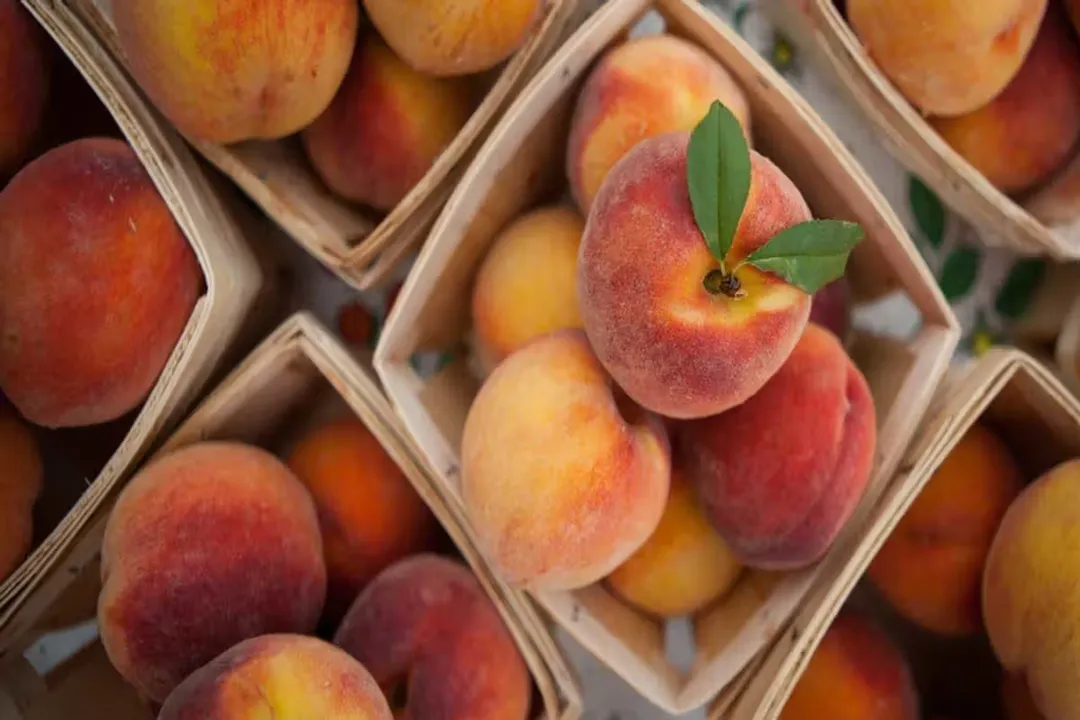
A medium-sized peach clocks in at a mere 58 calories, with about 89% of its weight attributed to water, ensuring they contribute positively to daily hydration goals. [2][6] Beyond water, peaches are a respectable source of essential vitamins and minerals. They are particularly noted for their Vitamin C content, which is crucial for immune function and tissue repair. [1][3] Furthermore, they supply a good amount of Vitamin A, primarily derived from beta-carotene, which is vital for maintaining healthy vision. [7]
Potassium is another key mineral found within this fuzzy fruit. This electrolyte is essential for maintaining proper fluid balance and supporting healthy blood pressure levels. [1][3] Peaches also provide dietary fiber, which is crucial for digestive regularity. [2][6] While they contain several B vitamins, like niacin, riboflavin, and folate, they are not powerhouse sources of these nutrients, offering a small supporting contribution instead. [6]
| Nutrient | Approximate Value (per medium peach) | Primary Benefit |
|---|---|---|
| Calories | ~58 kcal | Low energy density |
| Water | ~89% | Hydration |
| Vitamin C | Significant contributor | Immunity, Collagen synthesis |
| Potassium | Moderate contributor | Blood pressure regulation |
| Fiber | Good source | Digestive health |
| Beta-Carotene | Present | Vision support, Antioxidant |
# Disease Fighters
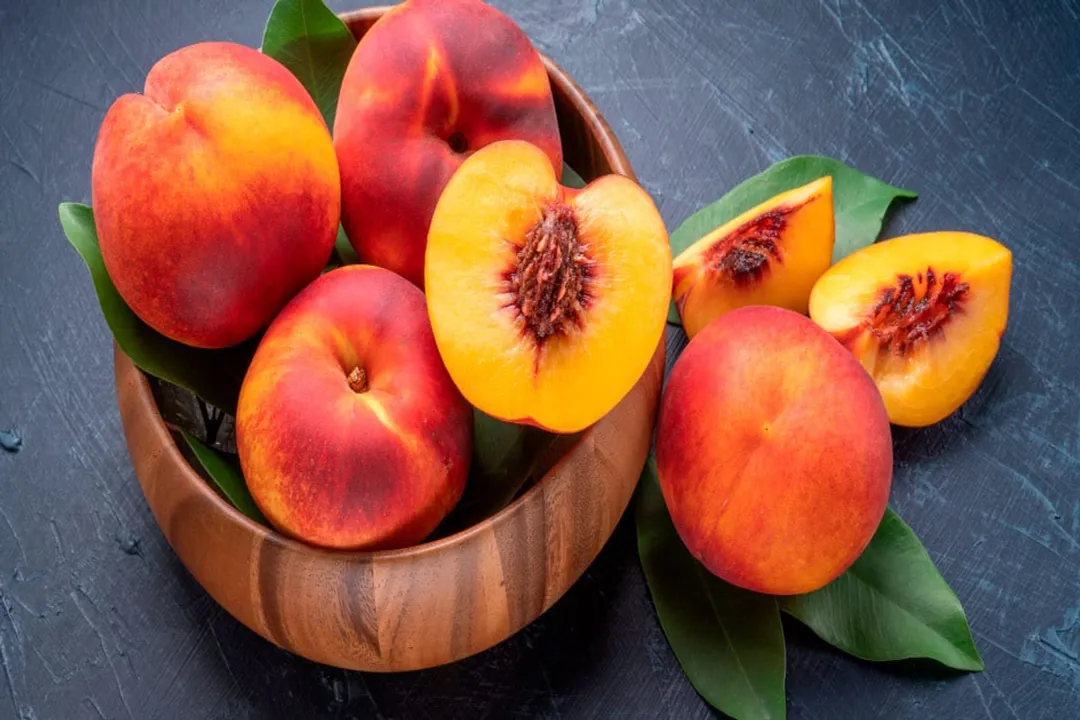
The true strength of the peach lies in its rich array of bioactive compounds that help the body combat cellular damage. Peaches are packed with antioxidants, which are substances that neutralize harmful free radicals, thereby reducing oxidative stress—a key driver of chronic disease and aging. [1][4]
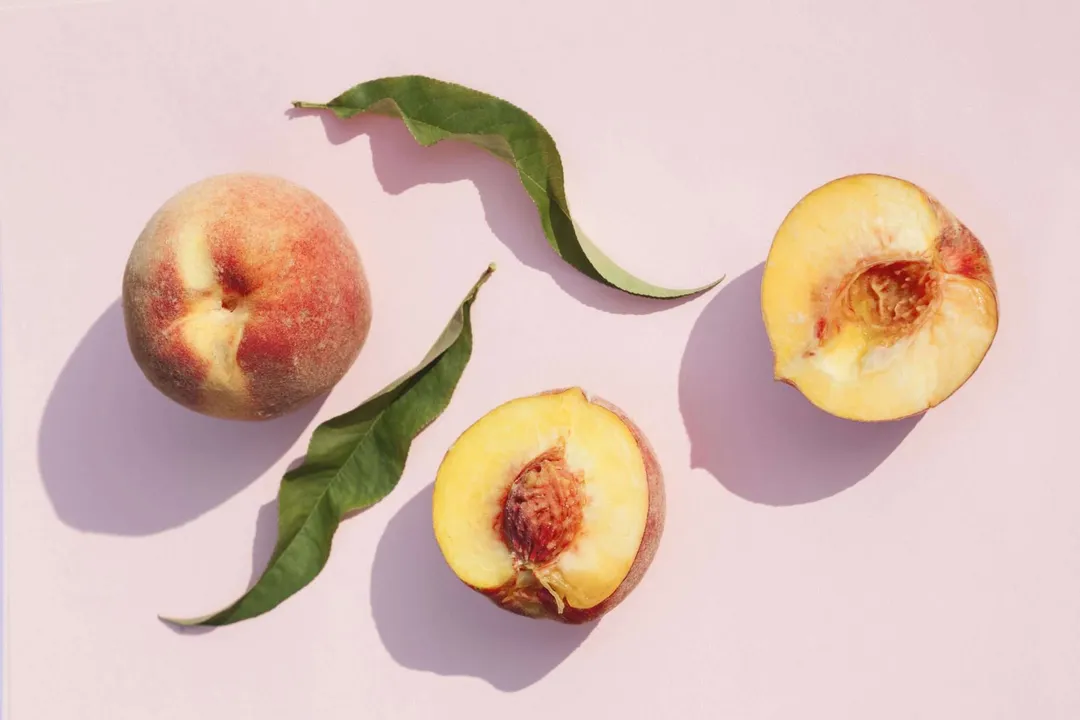
The main antioxidant contributors in peaches are often identified as polyphenols and carotenoids. [7] Chlorogenic acid, a type of polyphenol, is present in notable amounts and has been studied for its potential anti-inflammatory properties. [1][4] The vibrant yellow and orange flesh signals the presence of beta-carotene, which the body converts into Vitamin A. [7] Interestingly, research suggests that the phenolic compounds found in peaches may also positively influence the composition of gut microbiota, suggesting a connection between the fruit and overall gut wellness beyond just the fiber content. [7]
When considering these protective compounds, it is worth noting that the skin itself holds a significant portion of the fruit's antioxidant load. For readers aiming to maximize their intake of these disease-fighting substances, consuming the skin, after thorough washing, is essential rather than peeling the fruit away. [4]

# Gut Health
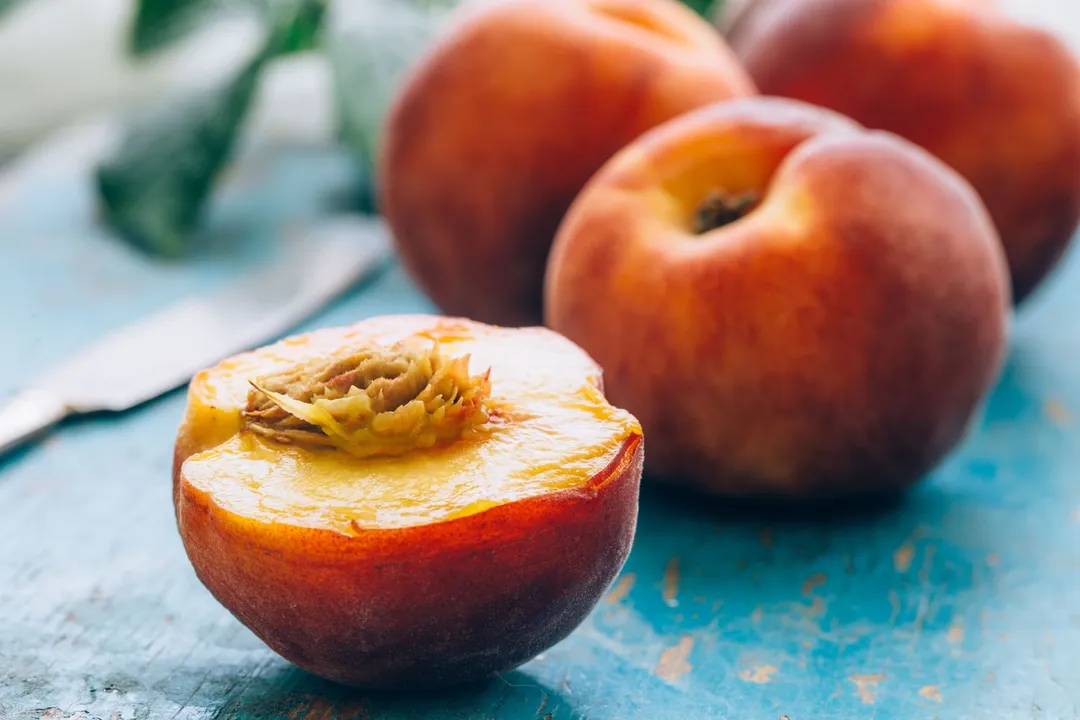
Digestive wellness is strongly supported by the fiber content in peaches. [2] Fiber comes in two forms: soluble and insoluble, and peaches offer a blend of both. Insoluble fiber adds bulk to the stool, helping food pass more quickly through the digestive system, which is key in preventing constipation. [2][6] Soluble fiber, on the other hand, dissolves in water to form a gel-like substance in the gut. This type of fiber helps regulate blood sugar absorption and can contribute to lowering LDL ("bad") cholesterol levels. [2] Maintaining consistent intake of diverse fiber sources, like those found in peaches, helps keep the entire digestive tract functioning smoothly.
# Skin Renewal
It is almost impossible to discuss the health benefits of a fruit without looking at its impact on the largest organ: the skin. Peaches are often lauded for promoting healthy skin, a benefit largely attributed to two factors: Vitamin C and the general antioxidant capacity. [4]
Vitamin C is a non-negotiable component for the synthesis of collagen, the structural protein that keeps skin firm and elastic. [1] Consuming adequate Vitamin C through diet helps the body repair damaged skin cells and maintain a youthful appearance. Furthermore, the antioxidants present, including Vitamin A precursors, can offer some internal defense against the oxidative stress caused by environmental factors like UV radiation. [4]
# Heart Support
Maintaining a healthy cardiovascular system relies on balancing essential minerals and managing cholesterol. As mentioned, the potassium content in peaches plays a direct role in blood pressure regulation. [1] Potassium helps to balance the negative effects of sodium, encouraging the kidneys to excrete excess sodium through urine, which in turn can help keep blood pressure within a healthy range. [3] Simultaneously, the soluble fiber helps manage blood lipid profiles by binding to cholesterol particles in the digestive tract, preventing their complete absorption. [2]
# Immune Defense
The immune system benefits significantly from regular intake of Vitamin C, making peaches a helpful addition, especially during colder months or periods of high stress. [3] While Vitamin C won't cure a cold, consistent consumption ensures that the body's natural defense mechanisms are well-supported and ready to respond effectively to pathogens. [1] The overall anti-inflammatory environment created by the fruit’s polyphenols also contributes indirectly by reducing chronic inflammation, which can otherwise suppress immune responses. [4]
# Fuzzy Versus Smooth
Many consumers are familiar with both peaches and their smooth-skinned cousin, the nectarine. Nutritionally, these two fruits are remarkably similar, sharing comparable profiles of vitamins, minerals, and fiber. [5] However, the difference in skin texture warrants a small consideration regarding nutrient absorption and potential exposure. The fuzzy skin of the peach acts as a slight barrier. While this fuzz protects the fruit somewhat, it can also potentially hold onto residues, meaning careful washing is essential. [10] Conversely, the smooth skin of the nectarine might allow for quicker absorption of skin-bound nutrients, although the difference in overall nutrient availability between the two is often negligible when both are consumed with their skin intact. [5] If you are choosing a peach based purely on maximizing antioxidant intake from the skin, be sure to scrub that fuzz well; if you find the texture bothersome, a nectarine offers almost the same internal reward. [5][10]
If you are planning a summer fruit platter for guests, incorporating both peaches and nectarines provides visual contrast—the deep gold and red blush of the peach against the smoother, perhaps deeper red of the nectarine—while ensuring everyone gets the fundamental health benefits these Prunus persica relatives offer. [5] It’s a wonderful way to introduce variety without sacrificing nutritional substance.
# Eating Peaches
Incorporating peaches into your daily intake doesn't require complicated recipes. Their high water and sugar content make them excellent eaten raw and chilled, perhaps sliced into plain yogurt or cottage cheese for a quick morning meal. [6]
For those who prefer frozen fruit for smoothies, a small preparatory step can make a difference in nutrient retention. While freezing is excellent for preservation, rapidly chilling ripe peaches immediately after harvest, before flash-freezing, can sometimes better lock in delicate vitamin content compared to slow, room-temperature storage. [1] If you are roasting peaches—perhaps grilling halves with a touch of cinnamon—remember that while heat can degrade some Vitamin C, it can sometimes make other compounds, like carotenoids, slightly more bioavailable, offering a different nutritional trade-off. [4]
Peaches pair well with savory elements too. Try dicing a firm peach into a light summer salad alongside goat cheese and a sprinkle of toasted pecans. The sweetness cuts through the tanginess of the cheese beautifully, turning a simple side dish into a nutrient-dense experience that satisfies the palate without relying on heavier sauces or dressings. [10]
# Seasonal Enjoyment
It is important to recognize that the peak nutritional value often aligns with peak ripeness, which usually occurs during the summer months when they are locally harvested. [9] Buying peaches when they are in season, perhaps directly from a local farmer’s stand, often means they have been picked closer to their optimum maturity rather than being shipped long distances while still hard. This fresher-from-the-tree quality generally translates to superior flavor and potentially higher concentrations of heat-sensitive vitamins like Vitamin C. [9]
While the health advantages are clear, the enjoyment factor cannot be overstated. A peach is one of those rare foods where the taste experience aligns perfectly with the nutritional profile. It provides natural sweetness, hydration, and powerful protective compounds in one convenient, easily digestible package. [2][4]
Related Questions
#Citations
All the Health Benefits of Eating Peaches
The Many Health Benefits of Peaches - Healthline
Health Benefits of Peaches - WebMD
6 Health Benefits of Peaches - Nutrition
Top 10 Health Benefits of Peaches - Dickey Farms
Peach Nutrition: Benefits of Peaches, Uses and Recipes - Dr. Axe
9 Health Benefits of Peaches
Health Benefits of Peaches: A Delicious Summer Fruit
Learn the Health Benefits of Peaches - Lane Southern Orchards
How Healthy Are Peaches? - The New York Times