Health Benefits of Pawpaw
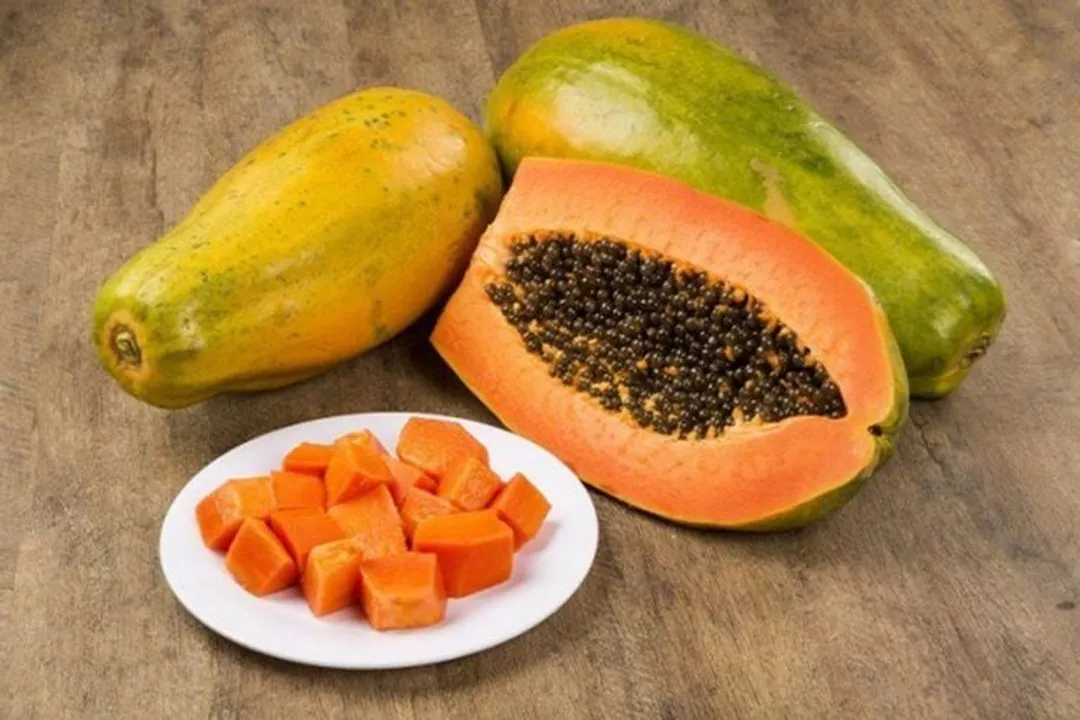
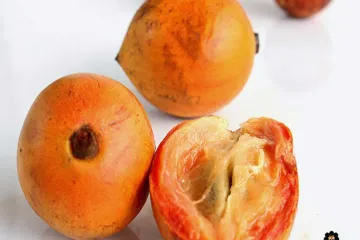
The sweet, orange flesh of tropical fruit holds a special place in global cuisine and traditional medicine, often consumed ripe as a refreshing dessert or used unripe in savory dishes. When discussing "pawpaw," a slight regional clarification is often necessary, as this single name can point toward two distinct fruits depending on where you are in the world. In many tropical regions, including Australia, "pawpaw" is the common name for Carica papaya, the fruit we often see labeled as Papaya elsewhere. [7] However, in parts of North America, "pawpaw" refers to Asimina triloba, a temperate fruit native to the eastern United States with a custard-like texture. [4][9] This article will primarily focus on the well-researched Carica papaya due to its widespread documentation for health benefits, while also providing details on the unique profile of the North American Pawpaw where the sources indicate it. [1][2][4]
# Nutritional Content
Papaya is celebrated for being low in calories while delivering a significant punch of essential nutrients. [1] A single cup of cubed papaya, for instance, provides a substantial amount of its daily requirement for Vitamin C. [8] This fruit is particularly rich in Vitamin C, which is vital for immune function and acts as a powerful antioxidant. [1][5] Beyond Vitamin C, it supplies a good source of Vitamin A, folate, potassium, and magnesium. [1][2] The combination of fiber, potassium, and Vitamin C is beneficial for maintaining a healthy cardiovascular system. [2][8] Furthermore, papaya contains various carotenoids, including lycopene, which are beneficial plant compounds associated with health protection. [1][8] The fruit's nutritional density makes it an excellent addition to almost any balanced diet, offering high rewards for relatively few calories. [1]
# Digestive Power
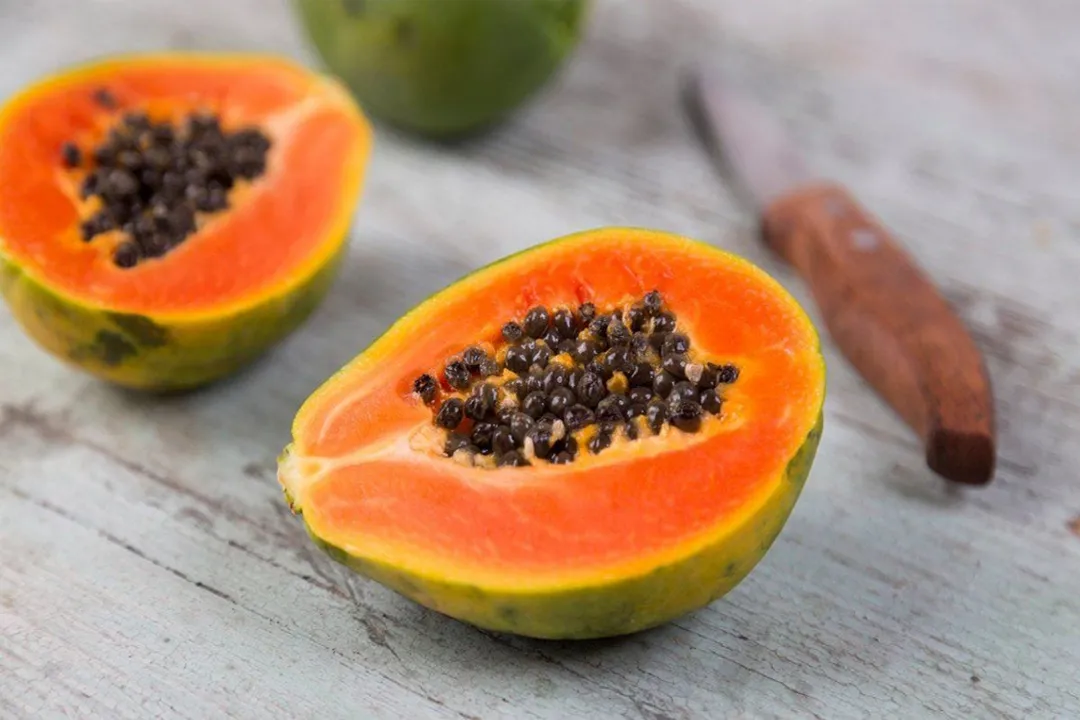
One of the most recognized applications of papaya, particularly the unripe or green variety, lies in its digestive support capabilities, largely attributed to a group of enzymes. [3][5] The key player here is papain, a powerful protease enzyme that breaks down tough protein fibers. [1][2][7] This enzyme action can make the fruit useful in tenderizing meat when used in marinades, but more importantly, it assists the body in digesting food more efficiently. [2][6] For those dealing with occasional indigestion or bloating, consuming ripe papaya or papaya products may help soothe the digestive tract. [3] This enzymatic action is so significant that papain is sometimes used in commercial meat tenderizers. [6] This natural digestive aid contrasts sharply with relying solely on synthetic supplements, offering a gentler, food-based solution to protein breakdown. [1]

# Inflammation Control

Chronic, low-grade inflammation is implicated in a wide array of modern health issues, and incorporating anti-inflammatory foods is a sensible dietary strategy. [8] Papaya contains several antioxidants and compounds that appear to have measurable anti-inflammatory effects. [1][3] Studies suggest that the mixture of antioxidants present in the fruit can help reduce systemic inflammation in the body. [6] This effect is thought to be partly due to the carotenoids and the aforementioned digestive enzyme, papain, which works to limit the overall inflammatory load post-meal. [1][8] When considering dietary additions for general wellness, a fruit that actively works to cool down internal inflammation offers tangible preventative value. [3]
# Heart System Support
A healthy heart relies heavily on balanced blood pressure and good cholesterol levels, areas where papaya's nutrient profile can offer support. [2][8] The fruit is a source of potassium, a mineral essential for regulating blood pressure by counteracting the effects of sodium. [1][2] Additionally, the high fiber content in papaya contributes to heart health by helping to lower LDL (bad) cholesterol levels when consumed as part of a regular, balanced diet. [2][8] The presence of antioxidants, such as lycopene, also plays a role by preventing the oxidation of cholesterol, which is a critical step in the development of arterial plaque. [8]
# Eye Health Maintenance
Protecting vision as we age is an increasing concern, and the micronutrients found in richly colored fruits like papaya contribute directly to this goal. [1] Papaya is a strong source of carotenoids, specifically lutein and zeaxanthin. [1][8] These two compounds are well-known for their role in eye health, where they accumulate in the retina and help filter out harmful blue light. [1][5] By absorbing this damaging light, lutein and zeaxanthin help protect the cells in the macula, potentially reducing the risk of developing age-related macular degeneration (AMD). [5] Ensuring adequate intake of these specific pigments through foods like papaya is a proactive step for long-term visual acuity. [1]
# Skin and Wound Benefits
The benefits of papaya extend beyond internal digestion and systemic health; they are also visible on the skin. [3] The enzyme papain is not just for internal proteins; when applied topically, it acts as a natural exfoliant, helping to remove dead skin cells and promote a brighter complexion. [7] Historically, extracts from the papaya fruit have been applied to wounds and burns because of their healing properties, attributed again to the action of papain, which may help clean the wound bed by breaking down dead tissue. [3][6] While modern medicine offers targeted treatments, the traditional use highlights the fruit’s enzymatic power to promote tissue renewal. [7] For skincare enthusiasts looking for gentle, natural exfoliants, incorporating papaya into a routine—either by eating it or using commercial products containing its extracts—can be beneficial for achieving smoother skin texture. [3]
If you are incorporating fresh papaya into a facial mask, a simple preparation involves mashing ripe fruit and applying it directly for about 10–15 minutes before rinsing. Remember that due to the active enzymes, you should test a small patch of skin first, as sensitivity can occur, especially with very green or concentrated pulp. [7]
# Immune System Fortification
The immune system requires consistent support from key vitamins to function optimally, and papaya delivers one of the most critical players: Vitamin C. [1][5] Just one medium-sized papaya can often provide more than the recommended daily intake of this powerful nutrient. [3] Vitamin C is essential for stimulating the production and function of white blood cells, which are the body's primary defense against pathogens. [5] Furthermore, its role as an antioxidant protects immune cells from damage caused by free radicals, allowing them to work more effectively. [1] Consuming papaya regularly can therefore be viewed as an accessible dietary means of bolstering natural defenses, particularly during seasons when colds and flu are prevalent. [8]
# Addressing the North American Pawpaw
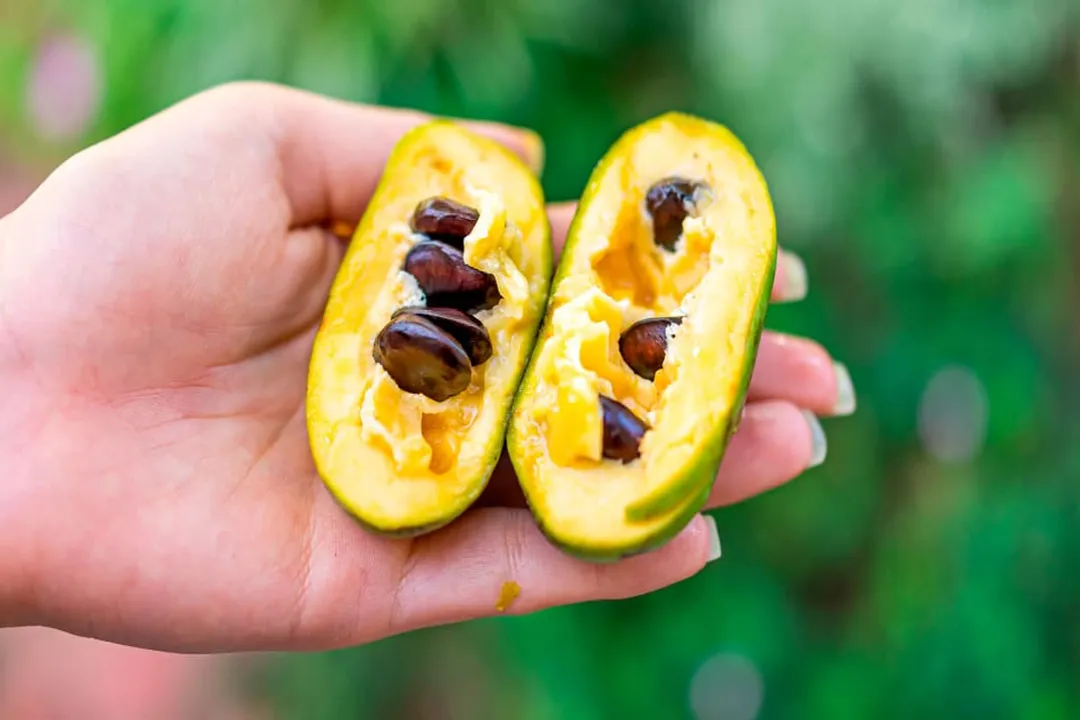
Shifting focus briefly to the temperate North American Pawpaw (Asimina triloba), this fruit offers a completely different nutritional profile centered around healthy fats and unique vitamins. [4][9] Unlike Papaya, the North American Pawpaw is notable for its relatively high content of fatty acids, including oleic acid, which is also found in olive oil. [4]
The Pawpaw also boasts an impressive array of vitamins and minerals, including Vitamin C, iron, magnesium, and potassium. [9] It stands out due to its high concentration of Vitamin A, B vitamins, and calcium compared to many other common fruits. [4] Flavor-wise, it is often described as a mix of mango, banana, and vanilla, offering a creamy, tropical experience even far from the tropics. [9] While the general health benefits of Carica papaya are widely studied, the North American Pawpaw offers unique contributions, particularly in its caloric density from healthy fats, making it a more substantial snack. [4]
# Comparison of Key Constituents
To better illustrate the differences between the widely known Papaya (Carica papaya) and its namesake relative, the North American Pawpaw (Asimina triloba), a brief comparative view is useful. While both provide Vitamin C, their secondary nutrient strengths diverge significantly:
| Feature | Papaya (Carica papaya) | North American Pawpaw (Asimina triloba) | Primary Benefit Source |
|---|---|---|---|
| Key Enzyme | Papain | N/A (Primarily known for fats) | Digestion [1][2] |
| Fats | Very low | Relatively high (Oleic Acid) | Satiety, Energy [4] |
| Antioxidants | Lycopene, Carotenoids | Diverse vitamins/minerals | Anti-inflammation [1][8] |
| Availability | Year-round globally (tropical) | Seasonal (Autumn in East US) [9] | Convenience |
This distinction is crucial for anyone seeking specific nutritional targets. If digestive support via proteases is the goal, Carica papaya is the clear choice. [1] If looking for a calorically richer fruit containing healthy monounsaturated fats, the North American Pawpaw is the better pick. [4]
# Maximizing Nutritional Intake
To get the most out of your papaya consumption, timing and ripeness matter. [3][7] The ripeness level affects the enzyme activity and sugar content. A fully ripe, soft, orange-fleshed fruit will have higher levels of beneficial antioxidants like lycopene, and its sugars will be more readily available, making it best for a sweet treat or immune boost. [8] Conversely, the greener, less ripe fruit contains more concentrated levels of papain, making it superior for digestive relief or for use in savory applications like salads where a firmer texture is desired. [6][7] A practical way to assess ripeness without cutting it is by the feel: a ripe papaya should yield slightly to gentle pressure, similar to a firm avocado. [3]
Another consideration involves preparation. While the flesh is the primary focus, some traditional preparations use the seeds, though this is less common in modern dietary advice. [2] Generally, incorporating both the ripe fruit into your daily fruit intake and occasionally using the slightly less ripe fruit for digestive support offers a balanced approach to reaping Carica papaya's full spectrum of benefits. [1][5] For example, consider blending ripe papaya with yogurt and a little ginger for a potent morning smoothie that covers Vitamin C, antioxidants, and digestive enzymes all at once. [8] This layered approach ensures you are addressing multiple health areas with a single food item.
# Considerations and Cautions
While papaya is overwhelmingly beneficial, as with any food, responsible consumption is key. [2] Overconsumption, particularly of unripe fruit or high-dose extracts, can sometimes lead to stomach upset due to the enzyme activity. [6] Individuals who are pregnant should exercise caution, as the latex found in the unripe fruit contains papain, which may potentially stimulate uterine contractions. [3] It is always recommended to choose ripe fruit, as the levels of latex are significantly lower, and to consult with a healthcare provider if you have specific medical concerns or are on medication. [2][3] For the North American Pawpaw, while generally safe, consuming large amounts of any novel food can occasionally lead to mild digestive upset. [4]
The sheer variety of health advantages associated with papaya—from supporting the heart and eyes to aiding digestion and strengthening immunity—secures its place as a true superfood, a vibrant addition to a diet focused on long-term wellness. [1][5][6] Whether you are enjoying the tropical Papaya or seeking out the unique flavor of the temperate Pawpaw, these fruits offer concentrated nutrition encased in delicious flesh. [4][8]
Related Questions
#Citations
8 Evidence-Based Health Benefits of Papaya
Papaya Health Benefits and Nutrition
6 Reasons To Eat More Papaya
What Is Pawpaw Fruit? Benefits, Nutrition, Recipes, Side ...
8 Evidence-Based Health Benefits of Papaya
Papaya fruit: Health benefits, uses, and risks
Health Benefits of Pawpaw
Top 8 health benefits of papaya