Health Benefits of Passionfruit
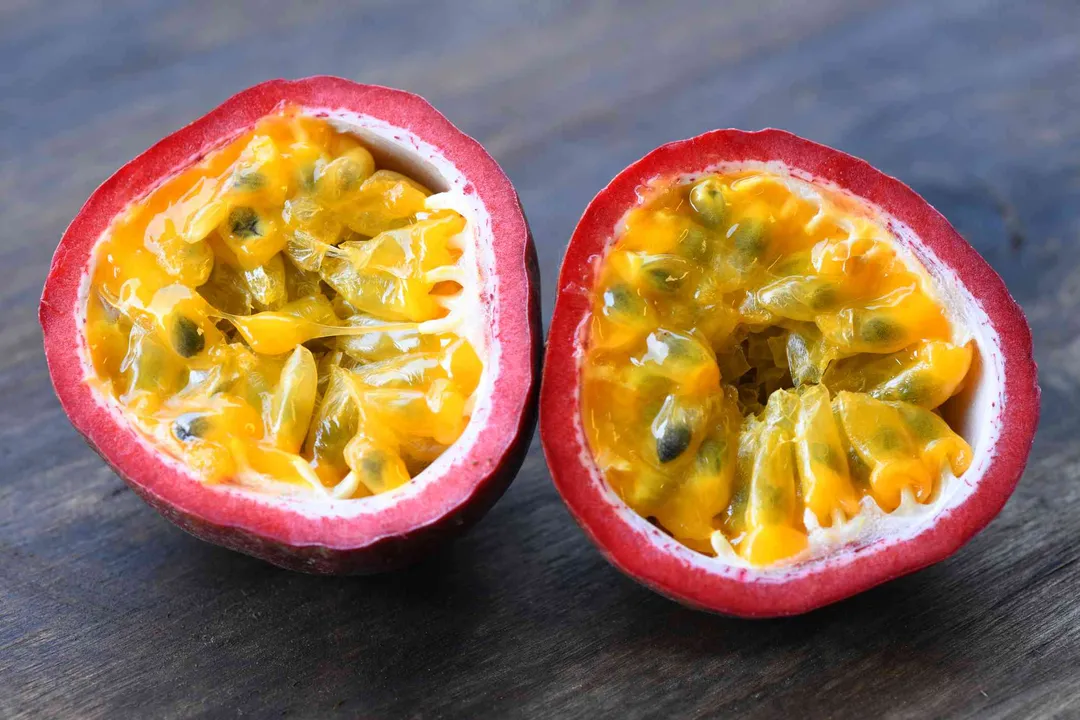
The arrival of passion fruit in a grocery basket often signals a touch of the exotic, bringing with it a vibrant flavor profile that balances intense sweetness with a notable tartness. This fruit, the product of the Passiflora vine, is visually recognizable by its tough outer rind, which is typically purple or yellow, encasing a juicy, aromatic pulp filled with edible seeds. While its flavor hints at citrus, melon, and even pineapple, its true value lies beneath that exterior, packed with an array of vitamins, minerals, and potent plant compounds that contribute significantly to well-being.
Passion fruit is cultivated across tropical and subtropical zones globally, with purple and yellow varieties being the most common types available to consumers. The purple variety, Passiflora edulis, often boasts a richer flavor and more juice, while the yellow types, such as Passiflora flavicarpa, tend to be slightly larger. Regardless of the color, this small fruit delivers a substantial nutritional punch relative to its low caloric count—a single purple passion fruit containing around 17 calories provides a dense source of beneficial components.
# Nutrient Density
When examining the composition of passion fruit, several key nutrients stand out, especially considering the fruit’s small size. It is an excellent source of Vitamin C, a vital antioxidant necessary for functions like building collagen, blood vessels, and cartilage, and for aiding the body's healing process. Furthermore, passion fruit provides a respectable amount of Vitamin A, which the body derives from its beta-carotene content, essential for immune function and healthy vision.
Dietary fiber is another cornerstone of passion fruit's profile. A single fruit can offer about 2 grams of fiber, which is quite significant for its size, especially since many Americans fall short of their daily recommended intake. This fiber content aids in healthy digestion, helps prevent constipation, and contributes to feeling full longer. Beyond these major players, passion fruit also contributes minerals such as potassium and magnesium, along with calcium, phosphorus, and folate, all important for nerve, muscle, and heart health. In fact, one study noted that passion fruit juice contains high levels of potassium, in addition to other minerals.
# Antioxidant Powerhouse
The abundance of plant compounds found in passion fruit contributes heavily to its reputed health advantages. It is rich in powerful antioxidants, including Vitamin C, carotenoids, and various polyphenols. Antioxidants work by neutralizing unstable molecules known as free radicals, thereby reducing cellular stress and decreasing inflammation throughout the body. Reduced inflammation has been associated with a lower incidence of chronic conditions like heart disease.
One specific polyphenol drawing scientific attention, particularly because it is present in large amounts in the seeds, is piceatannol. Research has indicated that piceatannol, which is chemically related to resveratrol, has specific functional roles. Studies, including one involving overweight men who supplemented with piceatannol daily, demonstrated an improvement in metabolic health markers, including enhanced insulin sensitivity. Additionally, extracts containing piceatannol from passion fruit seeds have been associated with positive effects on the skin, specifically improving moisture content in trials.
The peel, which is usually discarded in common preparation methods, is also noted for its antioxidant content, with supplements derived from the peel showing potential anti-inflammatory effects in preliminary studies relating to asthma symptoms and osteoarthritis pain relief.
# Metabolic Health
Managing blood sugar levels is a key benefit associated with this fruit. Passion fruit is characterized by a low glycemic index (GI), meaning its consumption does not typically lead to sharp spikes in blood sugar, making it a favorable fruit choice for individuals monitoring their glucose. The fiber content, particularly soluble fiber like pectin, further supports this by slowing down food digestion, which helps regulate the entry of sugar into the bloodstream.
Scientific investigation has also looked at the juice itself. A controlled human study found that a single consumption of passion fruit juice (PFJ) resulted in significantly lower postprandial blood glucose levels compared to a placebo intervention in healthy participants. The presence of Vitamin C in PFJ may explain this effect, as Vitamin C has been implicated in improving nonoxidative glucose metabolism and enhancing insulin action.
# Heart Support
Cardiovascular well-being stands to benefit from regular passion fruit consumption, primarily through its impact on two major markers: cholesterol and blood pressure. The high fiber content, especially when the seeds are consumed, assists in heart health by binding to excess cholesterol in the digestive tract and preventing its absorption, which helps lower harmful LDL cholesterol levels.
In terms of blood pressure regulation, passion fruit offers a good profile: it is naturally low in sodium while containing heart-healthy potassium. Diets that emphasize higher potassium and lower sodium intake are a recognized dietary strategy for managing blood pressure. This was supported in a study where participants consuming PFJ showed a significantly lower systolic blood pressure (SBP) level post-consumption compared to those who had the placebo. The synergistic effect of micronutrients like potassium and magnesium present in the fruit may contribute to this blood pressure-lowering action.
# Brain Function
Passion fruit, particularly its extracts or the juice, has a history of traditional use related to the nervous system, often employed as a sedative to manage anxiety and insomnia. This calming effect is often attributed to compounds like flavonoids such as kaemferol and quercetin, which are thought to soothe the nervous system and promote relaxation.
However, an interesting divergence exists between traditional applications and acute human study results concerning cognitive performance. While flower and leaf preparations are often linked to sedation, a study specifically looking at passion fruit juice in healthy young adults found an immediate improvement in working ability—measured by speed and accuracy in tasks like the Uchida-Kraepelin test—within minutes of consumption. This suggests that while the whole plant or different parts might offer relaxation, the juice appears to provide an acute boost to mental processing speed, possibly by improving attentional focus while simultaneously regulating the post-meal rise in blood glucose. Furthermore, the strong, acidic flavor profile of the juice itself may activate gustatory cortex activity and influence other cortical areas related to neural plasticity. To complicate the picture slightly, aroma components from the fruit are known to cross the blood-brain barrier and affect mood and processing speed, showcasing the multifaceted ways this single fruit interacts with the central nervous system.
It is important to note that while some sources suggest magnesium in passion fruit may help manage anxiety, the actual quantity present in a single fruit (about 5 mg) accounts for only about 1.1% of the recommended daily intake, suggesting the mental benefits likely stem from other active compounds.
If your goal is enhanced focus for demanding tasks, consuming the juice after a meal might provide measurable short-term benefits, whereas if deep relaxation or sleep preparation is the aim, preparations utilizing the flower or leaves might be more traditionally aligned with that outcome. This contrast highlights a common challenge in studying botanicals: the bioactive effect often depends heavily on which part of the plant is used and how it is prepared.
# Skin and Immunity
The vibrant color of passion fruit is a visual cue to its high antioxidant load, which offers benefits extending to skin health. Antioxidants like Vitamin C and Vitamin A (derived from beta-carotene) protect skin cells from the damage caused by free radicals, a process linked to visible signs of aging. Research involving passion fruit extract supplementation has suggested improvements in skin hydration.
Simultaneously, the immune system receives support from the fruit's nutrient content. Vitamin C is crucial for bolstering the body’s defenses, not only by fighting free radicals but also by aiding in the absorption of iron from plant sources, thereby potentially improving the body’s capacity to fight infections.
# Practical Use and Safety
Incorporating passion fruit into one's routine is relatively simple, though preparation depends on maximizing safety and flavor. The seeds and pulp are generally eaten together, providing the bulk of the nutrition, including the fiber and piceatannol. To prepare fresh fruit, cutting it in half and scooping out the contents is the standard method; the tough outer rind is inedible.
If aiming for juice or a smoother texture, the pulp can be strained to remove the seeds. It is worth noting that the seeds are the source of piceatannol, which has been linked to improved insulin sensitivity, meaning that aggressively straining out the seeds when making juice will also remove this specific beneficial polyphenol. Therefore, if metabolic benefits are a priority, consuming the seeds (chewing them thoroughly) or ensuring any extracted product retains seed compounds is preferable.
While generally safe, awareness of a few potential downsides is necessary. As with many plant foods, unripe passion fruit skin contains cyanogenic glycosides, which can be poisonous in large quantities; these are concentrated in the inedible outer rind. More immediately relevant to consumers is the possibility of allergic cross-reactivity. Some individuals with a known latex allergy may experience a reaction to passion fruit because certain proteins share structural similarities with latex proteins. Additionally, due to its potential sedative effects derived from flavonoids, excessive intake should be managed, especially before activities requiring peak alertness, like driving heavy machinery. People managing low blood pressure or taking specific medications such as antidepressants or anticoagulants should consult a healthcare provider before consuming passion fruit preparations, particularly concentrated teas or tinctures.
For those using the fruit in recipes, its intense tartness means sugar or lime juice is often added to balance the flavor when making drinks or sauces. It mixes well with yogurt, can top salads, or can be reduced into syrups for desserts. The versatility means that even if fresh fruit is scarce, frozen puree or juice is often available as an alternative vehicle for its nutritional value.
Passion fruit offers a delightful combination of flavor and function. By understanding the difference between the potent, energy-supporting compounds found in the pulp and seeds versus the traditional relaxing agents found in other parts of the plant, consumers can better tailor this unique tropical addition to their dietary goals, whether they seek better metabolic balance, improved cognitive moments, or antioxidant protection.
Related Questions
#Citations
Passion fruit nutrition and health benefits - Medical News Today
Passion Fruit: Nutrition, Benefits, and How to Eat It - Healthline
Passion Fruit: Health Benefits, Nutrition, Risks, and Preparation
Immediate effects of passion fruit juice supplementation on working ...
6 Benefits of Passion Fruit for Your Heart, Gut, and Skin - Health
Is passion fruit good for you? - BBC Good Food
The Best Health Benefits of Passionfruit - Twisted Alchemy
Passion Fruit: 10 Benefits, Nutrition & How to Eat (with Recipes)