Health Benefits of Papaya
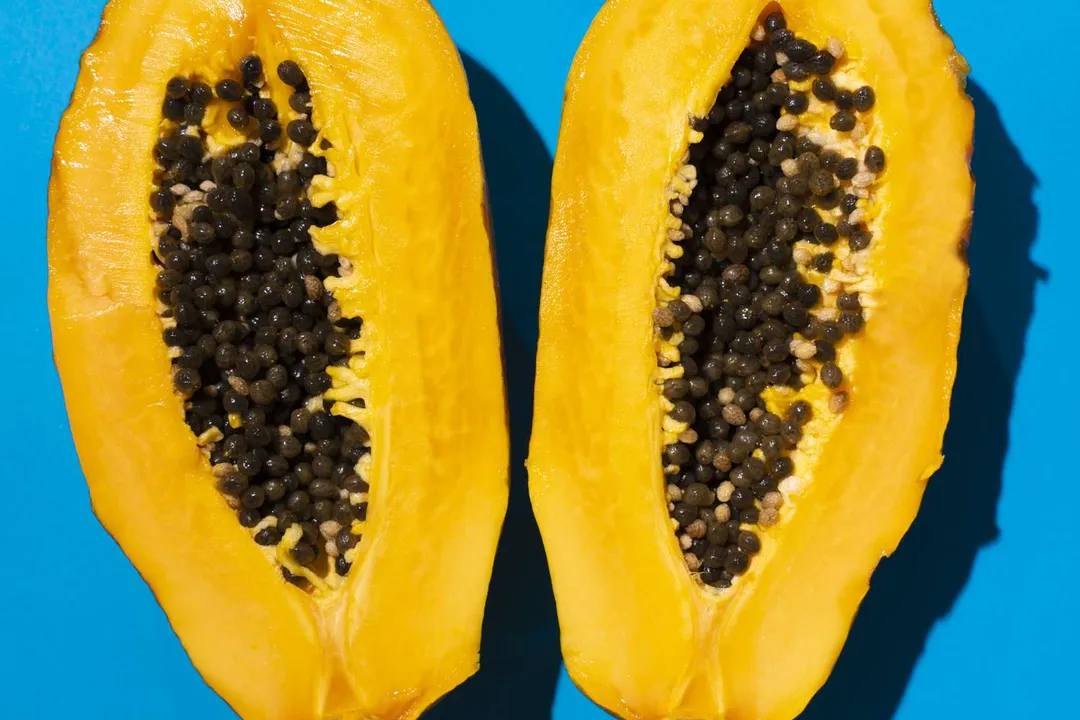
The tropical papaya, with its sweet, buttery flesh, is more than just a delicious addition to a breakfast bowl or smoothie; it is a nutritional powerhouse packed with compounds that support nearly every system in the body. [1][2] Often overshadowed by more common fruits, this vibrant orange fruit offers proven benefits ranging from enhancing digestion to protecting long-term vision. [1][5] Understanding the science behind this fruit reveals why it deserves a more prominent place in daily eating habits. [2][5]
# Nutrient Density

Papaya delivers a remarkable dose of essential vitamins and minerals for a relatively low number of calories. [1][9] The most notable component is Vitamin C, where a single serving can often provide well over the recommended daily intake. [1][9] For example, one medium papaya can supply more than the required amount of Vitamin C for the entire day. [9] This potent dose of ascorbic acid is vital for immune system function and acts as a significant antioxidant. [1][9]
Beyond Vitamin C, the fruit is a good source of Vitamin A (primarily in the form of beta-carotene), which is essential for healthy vision and skin maintenance. [1][5][9] Furthermore, it contains valuable amounts of folate, potassium, and magnesium. [1][9] The mineral content, particularly potassium, contributes to maintaining proper fluid balance and blood pressure regulation. [3][5]
# Digestive Aid

One of the most widely recognized benefits of consuming papaya is its positive effect on the digestive system. [1][5] This is largely due to the presence of the unique enzyme, papain. [5] Papain is a cysteine protease, meaning it specializes in breaking down tough protein fibers, which can assist the body during digestion. [1][5]
When dealing with chronic indigestion or difficulty breaking down meals, consuming papaya after eating can offer noticeable relief. [5] While ripe fruit contains papain, it is worth noting that unriper or green papaya actually holds a significantly higher concentration of this active enzyme. If you are seeking the maximum meat-tenderizing effect or are employing the fruit specifically for digestive support where the enzyme activity is the primary goal, using slightly less ripe fruit can be more effective than waiting until it is fully soft and sweet. [5] Additionally, the seeds of the papaya contain their own set of enzymes and are sometimes consumed, often dried or ground, for digestive purposes, though caution should always be exercised regarding dosage. [10] The fruit itself also provides a good amount of dietary fiber, which supports regular bowel movements and overall gut health. [1][3]

# Anti-Inflammatory Power

Chronic inflammation is understood to underlie many modern health conditions, making foods that actively reduce inflammatory markers incredibly beneficial. [1][5] Papaya is rich in several powerful antioxidants, including carotenoids and flavonoids, that work to counteract oxidative stress. [1][5] Oxidative stress occurs when there is an imbalance between free radicals and the body's ability to neutralize them, leading to cellular damage. [1]
The combination of Vitamin C and other phytonutrients found in the flesh and the dark seeds helps stabilize cell membranes and reduce the production of pro-inflammatory compounds. [1][5] While research continues, the general consensus suggests that regular, moderate consumption of papaya can contribute to a lower overall systemic inflammatory load. [5]
# Supporting Heart Function
A diet rich in fruits and vegetables is inherently good for the cardiovascular system, and papaya contributes through several key mechanisms. [1][3] The high levels of potassium help balance the negative effects of excess sodium on blood pressure. [1][3] Furthermore, the soluble fiber found in the fruit binds with cholesterol in the digestive tract, helping to sweep it out of the body before it can be absorbed, thereby potentially lowering LDL or "bad" cholesterol levels. [1][3]
The carotenoids present in the orange flesh, such as beta-carotene, also play a protective role by preventing the oxidation of cholesterol, a step crucial in the development of arterial plaque. [1] By addressing blood pressure, cholesterol oxidation, and providing general antioxidant support, papaya offers multifaceted protection for the arteries and the heart muscle itself. [3][5]
# Vision Protection
As we age, the need to protect our eyes from environmental damage becomes increasingly important. Papaya stands out due to its concentration of specific carotenoids that filter harmful light waves. [1][9] Specifically, it contains lutein and zeaxanthin. [1][9]
These two compounds are well-known for accumulating in the macula of the eye, where they act as a natural sunscreen against high-energy blue light from the sun and electronic screens. [1] Adequate intake is associated with a reduced risk of developing age-related macular degeneration (AMD), a leading cause of vision loss in older adults. [1][9] Including papaya regularly can be a simple, proactive dietary strategy for maintaining clear vision over the long term. [1]
# Skin Health and Appearance
The exterior benefits of eating papaya are just as significant as the internal ones, particularly regarding skin health. [1][5] The high Vitamin C content is directly involved in the synthesis of collagen, the structural protein that keeps skin firm, elastic, and youthful. [1][5]
Simultaneously, Vitamin A, derived from beta-carotene, aids in skin cell regeneration and repair. [1] For a simple topical application that complements internal nutrition, consider this: A small mash of ripe papaya mixed with a single drop of high-quality honey can create a gentle, enzyme-rich mask. Applying this for about ten minutes allows the mild exfoliating action of the fruit's enzymes to lift dead skin cells, while the Vitamin C works on the underlying brightness, offering a natural way to soften rough patches without harsh scrubbing. [5]
# Boosting Immunity
The body’s defense system relies heavily on micronutrient availability, and papaya delivers on several fronts to keep immunity robust. [1][4][9] As previously noted, its exceptional Vitamin C content is critical for the production and function of white blood cells, which are the foot soldiers of the immune response. [1][4]
Research has suggested that consuming papaya may even help reduce the severity of symptoms associated with colds and the flu, likely due to its synergistic blend of Vitamin C, Vitamin A, and anti-inflammatory effects. [4] While no single food can prevent all illness, consistent intake of Vitamin C-dense fruits like papaya helps ensure the immune system has the foundational tools necessary to respond quickly to threats. [9]
# Comparative Nutritional Value
When comparing papaya to other tropical fruits, its specific nutrient ratios offer a unique profile. While mangoes might rival it in sugar content and bananas in potassium, papaya often surpasses both in its sheer density of Vitamin C and its exclusive enzyme, papain. [1][9] For instance, if one were comparing the antioxidant capacity based on ORAC values (Oxygen Radical Absorbance Capacity), papaya generally scores very highly, often comparable to blueberries, due to its combination of carotenoids and flavonoids, whereas other sweet fruits might rely more heavily on simple sugars. [1] This balance between high nutrient density and manageable sugar levels makes it a strong choice for sustained health maintenance. [1]
# Consumption Tips
To maximize the health advantages, integrating papaya into your regular routine is key. [2] It is best consumed fresh, when the enzymes are fully active and the vitamins are intact. [5] When selecting a papaya at the market, look for fruit that yields slightly to gentle pressure and exhibits a color ranging from yellow to orange, indicating peak ripeness, unless you are specifically targeting the higher papain levels in a greener fruit for enzymatic purposes. [2] Storing them at room temperature allows them to ripen further, or they can be refrigerated whole for up to a week. [2] Adding a squeeze of lime juice, while enhancing the flavor profile, can also help preserve some of the Vitamin C content from degrading too quickly after slicing. [2]
The seeds, though bitter, should not be overlooked entirely, though they require careful inclusion. They can be dried, ground into a pepper-like spice, and used sparingly, offering a unique flavor and concentrated source of those digestive enzymes and phytochemicals. [10]
Related Questions
#Citations
8 Evidence-Based Health Benefits of Papaya - Healthline
6 Reasons To Eat More Papaya
Papaya Health Benefits and Nutrition - WebMD
8 Evidence-Based Health Benefits of Papaya | Vinmec
[PDF] Health Benefits of Papaya
Top 8 health benefits of papaya - BBC Good Food
and yes, papaya seeds are safe to eat in small amounts. They're ...
The Health Benefits of Papaya - YouTube
8 Health Benefits of Eating Papaya Regularly
Papaya fruit: Health benefits, uses, and risks - Medical News Today