Health Benefits of Magellan Barberry
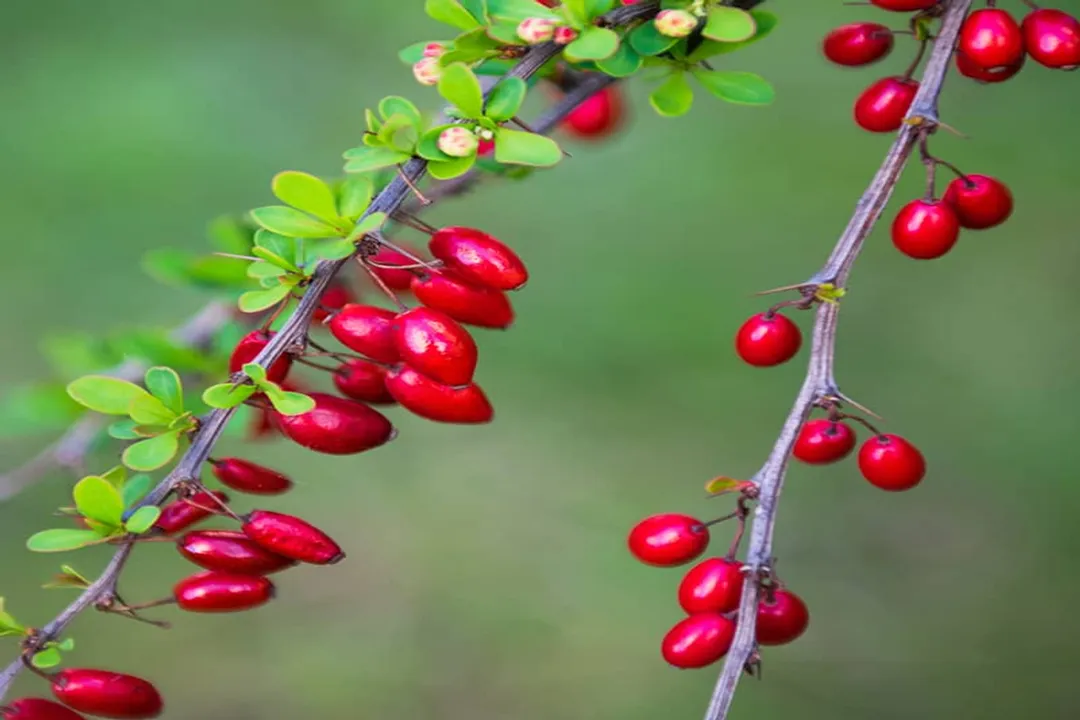
The scarlet-hued berries of the Berberis genus, including the lesser-known Magellan Barberry (Berberis microphylla) native to the southern Andes, have long captured the attention of traditional medicine practitioners and modern researchers alike. [10] While Berberis vulgaris often dominates the literature, the entire genus offers intriguing health properties, primarily derived from its potent alkaloid content. [4][7] These tart fruits and their extracts are more than just a vibrant culinary addition; they carry a history of therapeutic application, making them a subject of ongoing interest for those seeking natural support for various aspects of wellness. [6][5]
# Potent Antioxidants

Barberries are remarkably rich in compounds that help the body combat oxidative stress, a key driver of chronic disease. [1][5] The vibrant color of the fruit hints at a high concentration of these protective agents, notably various alkaloids, vitamins, and flavonoids. [1]
A significant component often cited in the general literature regarding Berberis species is the alkaloid berberine. [1][4] Berberine is widely acknowledged for its strong antioxidant capacity. [1] When the body experiences excessive free radicals, cell damage can occur. By scavenging these unstable molecules, the compounds found in barberries help mitigate this cellular wear and tear. [5]
The fruit itself delivers essential micronutrients, including Vitamin C, which is vital for immune function and collagen production. [1] While specific nutritional breakdowns can vary between Berberis species—such as the difference between the common barberry and the Magellan variety (B. microphylla)—the consistent theme across the genus is a high polyphenol content, which contributes significantly to their overall antioxidant profile. [10][2] It is worth noting that for individuals managing dietary intake of specific antioxidants, the concentration in extracts will be far higher than consuming the raw fruit, though the fruit provides a balanced, whole-food source. [4]
# Metabolic Regulation

One of the most heavily researched areas concerning Berberis extracts relates to metabolic health, particularly concerning blood sugar levels. [4] This effect is largely attributed to the presence of berberine. [1][4]
Research suggests that berberine can influence metabolism in several ways:
- Insulin Sensitivity: It appears to improve how effectively the body uses insulin, allowing cells to absorb glucose more readily. [1][4]
- Glucose Production: Berberine may also help reduce the amount of glucose produced by the liver, a process called gluconeogenesis. [1][4]
- AMPK Activation: Some studies indicate it can activate an enzyme called AMP-activated protein kinase (AMPK), often referred to as a "metabolic master switch". [4]
This multifaceted action makes barberry extracts a subject of intense study for managing pre-diabetic states or supporting already healthy blood sugar maintenance. [7] For instance, some findings suggest that taking barberry extract might be comparable to certain conventional medications in lowering blood sugar, though this should always be discussed with a healthcare provider due to potential interactions. [1][4]
It is interesting to observe how traditional use mirrors modern findings. Across various Berberis applications, reducing systemic imbalances was a core principle. [6] In the context of Western health perspectives, this translates directly to supporting lipid panels and glucose homeostasis. [7] An actionable insight for readers interested in general metabolic wellness, aside from supplementation, involves recognizing the tartness of the fruit itself—often associated with its bioactive compounds—and considering its use in low-sugar preparations, such as blending it into a tart, unsweetened infusion rather than relying solely on processed extracts. [1]

# Antimicrobial Properties

Barberry preparations have a long-standing reputation in traditional medicine for tackling infections, a feature now supported by studies exploring its antimicrobial reach. [2][6] The same alkaloid, berberine, which aids in metabolic function, is also recognized for its ability to fight various microorganisms. [4]
The compound has demonstrated activity against:
- Bacteria
- Viruses
- Fungi
- Parasites [4]
Specifically, berberine has shown promise in inhibiting the growth of certain strains, including Candida albicans, a common cause of fungal overgrowth. [4] While the literature on the specific B. microphylla (Magellan Barberry) is less extensive regarding clinical human trials, the chemical blueprint shared across the genus suggests that its fruit offers similar broad-spectrum defensive compounds. [10] This historical use as an infection fighter is likely why barberry has been employed topically and internally in various folk remedies for centuries. [6]
# Gastrointestinal Support
The beneficial effects of barberry often extend into the digestive tract, where its compounds can soothe and support gut function. [7]
Some of the observed digestive benefits include:
- Diarrhea Relief: Barberry has historically been used to manage diarrhea, possibly due to its astringent qualities and antimicrobial action, which can help clear out problematic gut bacteria or pathogens. [7]
- Gut Flora Balance: By targeting pathogenic microorganisms, barberry may help rebalance the gut microbiome, allowing beneficial flora to thrive—a critical element for overall health. [4]
- Anti-Inflammatory Effect: The general anti-inflammatory properties of the alkaloids can help calm irritation within the digestive lining. [5]
Comparing this to other traditional remedies, barberry often stands out because it addresses the underlying microbial imbalance rather than just slowing motility. While many conventional remedies treat symptoms, the Berberis compounds are thought to target the source of the distress. [6]
# Mood and Cognition
Beyond the physical benefits concerning circulation and metabolism, barberry extracts have been noted for potential positive effects on the central nervous system and mood. [2] Some analysis suggests that Berberis may possess anti-depressant qualities, possibly by interacting with neurotransmitter systems or by reducing systemic inflammation that can negatively impact mental well-being. [2][5]
It is important to differentiate between the reported effects of specific isolated compounds and consuming the whole fruit, like the Magellan Barberry. While a standardized extract might be used in targeted studies related to mood, eating the fruit contributes to overall antioxidant intake, which indirectly supports brain health by reducing oxidative stress throughout the body. [1][5]
# Species Variation and Sourcing
When discussing the health benefits, it is essential to acknowledge the diversity within the Berberis family. The most common species studied scientifically is Berberis vulgaris, known for its culinary uses in the Middle East and its rich berberine content. [1][4]
The Magellan Barberry (Berberis microphylla), on the other hand, is a species indigenous to colder, southern regions of South America. [10] While it shares the genus name and likely contains similar beneficial alkaloids, its specific concentration, preferred traditional uses, and established modern research profile are less documented in broad-based Western health literature compared to its European cousins. [10]
For instance, while European barberry fruit is tart, the specific flavor profile and optimal usage of the Magellan variety might differ, although both are noted for producing edible fruit. [1][10] This highlights a general principle when researching herbal remedies: if a specific variety like B. microphylla is being sought, verifying its traditional use in its native area or confirming the presence of the desired compounds is necessary, as geographical isolation can lead to chemical variations. [10]
Here is a brief comparative overview based on available data:
| Feature | General Barberry (Berberis spp.) | Magellan Barberry (B. microphylla) |
|---|---|---|
| Primary Active Compound | Berberine | Likely contains alkaloids (e.g., berberine) |
| Known Human Research | Extensive (especially B. vulgaris) | Limited specific research cited |
| Use in Cuisine | Common, dried or fresh (tart) | Edible fruit native to the Southern Andes [10] |
| Key Benefits Supported | Blood sugar, anti-microbial, antioxidant [1][4] | Falls under general genus benefits |
# Cautions and Considerations
While the health potential of Berberis is compelling, responsible use requires acknowledging potential drawbacks and contraindications. [7]
# Dosage and Preparation
For those using concentrated extracts, particularly those high in berberine, it is critical to maintain recommended dosages. [4] Because berberine can affect blood sugar and liver enzymes (like CYP450), it may interact with various prescription medications, including those for diabetes or blood thinners. [1][4]
A key point for practical application is the significant difference in potency between whole fruit and standardized extract. If you are using the fruit of the Magellan Barberry or any Berberis species for culinary purposes, the systemic effect will be milder and less likely to interfere with prescription drugs than a concentrated supplement. [7] However, if considering supplementation, consulting a doctor to review current medications is a necessary step to ensure safety. [4]
# Plant Part Toxicity
It is crucial to understand that not all parts of the Berberis plant are safe for consumption. [7] While the fruit is generally considered edible when ripe, [1] the roots, bark, and stems contain much higher concentrations of alkaloids and can be toxic if improperly prepared or consumed in large amounts. [7] This distinction is paramount, as traditional remedies often utilized bark or root infusions, which require expert knowledge to prepare safely, something modern consumers using dried berries or commercial supplements usually avoid. [7] Always confirm the source and part of the plant being used. [7]
In summary, the health benefits associated with the Berberis genus—from its powerful antioxidant activity and potential for metabolic support to its traditional role as an antimicrobial agent—are significant. [2][5] As we consider varieties like the Magellan Barberry, we connect with a broader family of plants whose therapeutic value is slowly being quantified by modern science, confirming what traditional knowledge has long suggested. [6][10]
Related Questions
#Citations
9 Impressive Health Benefits of Barberries - Healthline
Barberries: How They Can Benefit Your Health - WebMD
Calafate (Berberis buxifolia Lam.) Berry as a Source of Bioactive ...
Barberry Benefits, Uses, Dosage and Side Effects - Dr. Axe
Ancient Superfood: 7 Health Benefits of Barberry - PositivelySTRONG
Barberry's therapeutic uses | Research Starters - EBSCO
Health Benefits of Barberries
9 Impressive Health Benefits of Barberries: Medicinal Uses
Health Benefits of Barberries – Tavazo USA
Berberis microphylla - Useful Temperate Plants