Health Benefits of Lavender

The fragrant purple bloom of lavender, conjuring images of sun-drenched Mediterranean fields, has been revered for its comforting presence and medicinal properties for centuries. [3][7] The plant’s very name is derived from the Latin verb lavare, meaning “to wash,” hinting at its historical use in purification practices, from ancient Egyptian mummification to Roman bathing rituals. [2][3][5] While its aesthetic appeal and distinctive aroma are undeniable, modern research and traditional herbalism both point to a wide array of benefits stemming from its chemical composition, which varies slightly depending on the specific species, though Lavandula angustifolia (English lavender) is the most frequently studied for medicinal purposes. [2][5] Understanding how to harness these benefits—whether through inhalation, topical application, or careful ingestion—is key to appreciating this versatile herb. [3]
# Plant Origin

Lavender belongs to the mint family, Lamiaceae, sharing characteristics like square stems and aromatic oils with its relatives. [2] Native to the Mediterranean region and Northern Africa, it thrives in climates that favor well-drained soil and ample sun. [2][5] The essential oil, the most potent form, is extracted via distillation of the flower spikes. [1] However, it is important to distinguish this highly concentrated oil from the whole herb or its preparation as a gentle tea, as their actions and safety profiles differ significantly. [3][4]
# Mental Calm
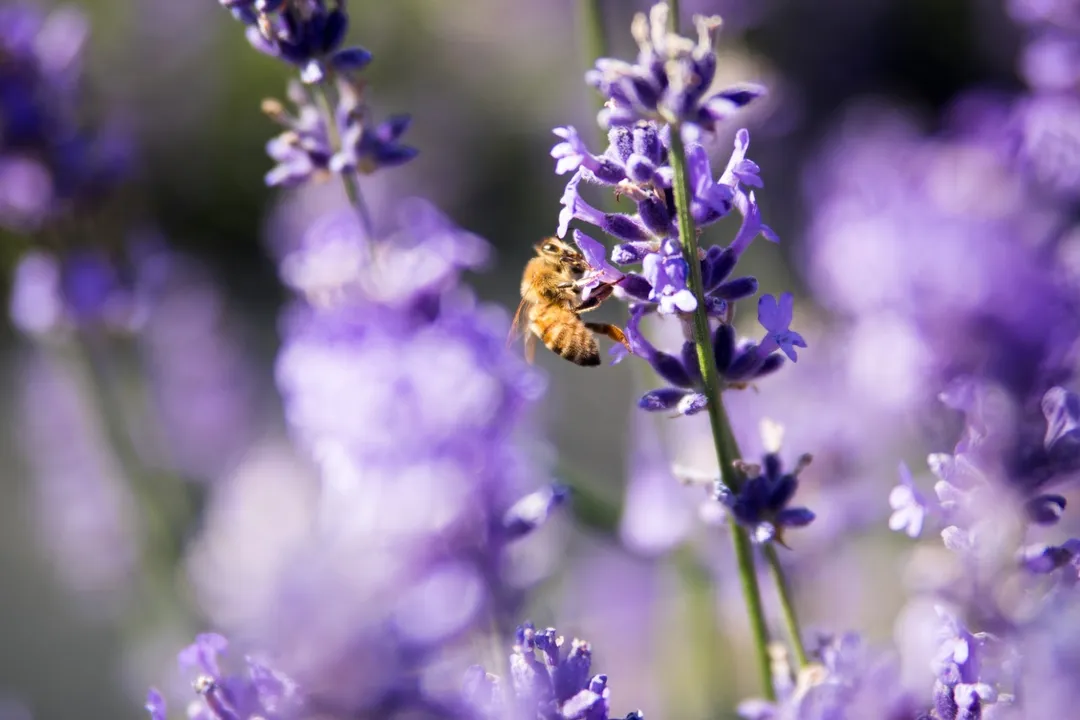
Perhaps the most recognized benefit of lavender is its profound effect on the nervous system, often employed to promote a state of calm and well-being. [4][7] This is largely attributed to its aromatic profile, which is frequently utilized in aromatherapy. [3]
# Easing Unease
The scent of lavender has been consistently linked to anxiety reduction. Systematic reviews indicate that inhaling lavender essential oil can be a safe and effective way to lower perceived anxiety levels, regardless of the lavender species used in the study. [1][5] Individuals in high-stress medical settings, such as those undergoing chemotherapy or preparing for MRI scans, have reported reduced anxiety after lavender aromatherapy. [1][3] Furthermore, a specific oral preparation of lavender oil, Silexan, has shown promise in treating anxiety disorders, with some comparative research suggesting its effects mirrored those of the prescription drug lorazepam in certain trials. [3][5] However, experts stress that while these findings are compelling, more independent research is required before formal recommendations can be made for anxiety treatment. [1]
# Sleep Support
Complementing its anti-anxiety effects, lavender is a favored remedy for improving sleep hygiene. [4] Historically, people would stuff their pillows with the dried flowers to encourage rest. [3] Current studies support this tradition, suggesting that inhaling the aroma can boost overall sleep quality, even for those without pre-existing sleep disorders. [1][3] In one instance, inhaling the scent was found to potentially increase the body’s melatonin levels, which is critical for regulating rest. [4] The calming effect also extended to patients in palliative care, where inhaling lavender oil improved sleep quality over a three-week period. [1]
It is fascinating to note how the method of application impacts the experience. While aromatherapy provides immediate sensory input that triggers calming brain responses, consuming lavender tea may offer a longer, more sustained internal effect. [8][4] One doctor noted that the ritual of preparing tea can itself initiate a “me-time” mindset, combining the aromatherapy with the herbal properties as you drink. [4]

# Internal Functions
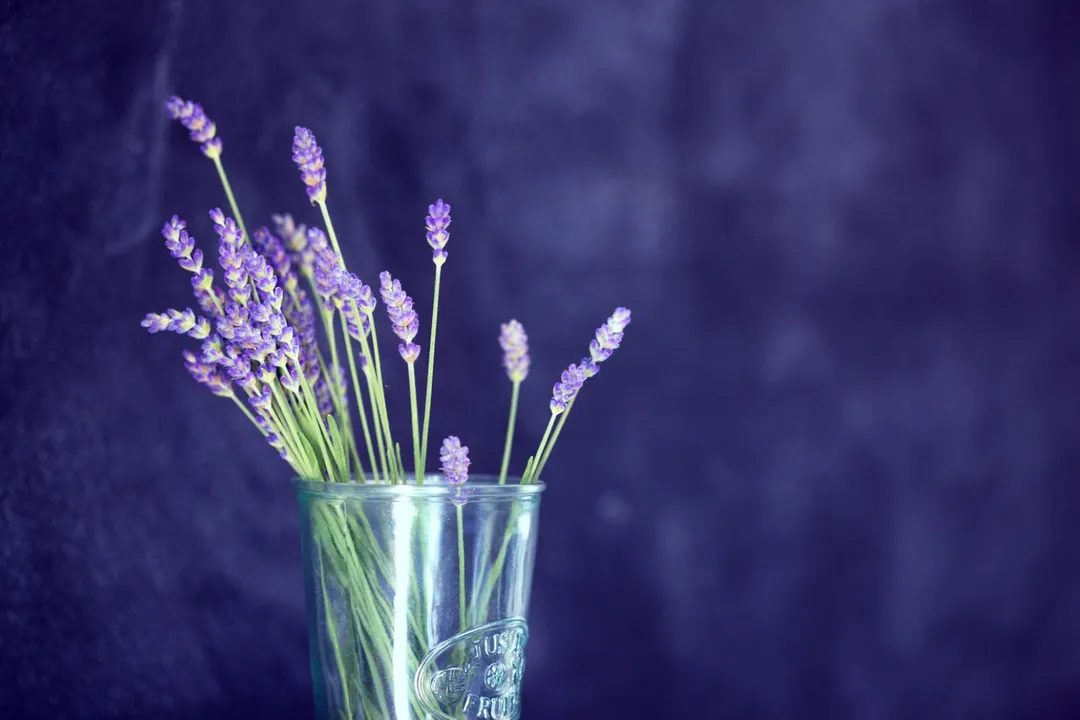
Beyond its calming influence, lavender—especially when consumed as a tea or capsule—may offer support for several internal systems.
# Digestive Ease
Lavender's slightly bitter profile leads herbalists to consider it a gentle digestive assistant. [2] It is thought to possess carminative and anti-inflammatory properties that can soothe the gastrointestinal tract. [2][6] This action may translate to relief from symptoms like intestinal gas, bloating, indigestion, and cramps associated with issues like irritable bowel syndrome. [2][6][8] Interestingly, the aroma itself is reported to trigger the production of bile, which aids in food breakdown, and the calming effect can help quell feelings of nausea by sparking specific chemical reactions in the brain. [8]
# Antioxidant Power
When looking at culinary or ingested forms like tea, the nutrient profile comes into play. Culinary lavender, typically Lavandula angustifolia, is a source of antioxidants, including polyphenols, flavonoids, carotenoids, and chlorophylls. [6] These compounds combat oxidative stress caused by free radicals, which is a factor in cellular aging and damage. [6][8] This internal defense mechanism is what gives lavender tea its reputed ability to support immune health by fighting off various infections. [8] Furthermore, the flavonoids and terpenes (like linalool) that provide antioxidant action also contribute to anti-inflammatory benefits internally, potentially helping to soothe low-grade systemic inflammation. [6]
# Skin Health
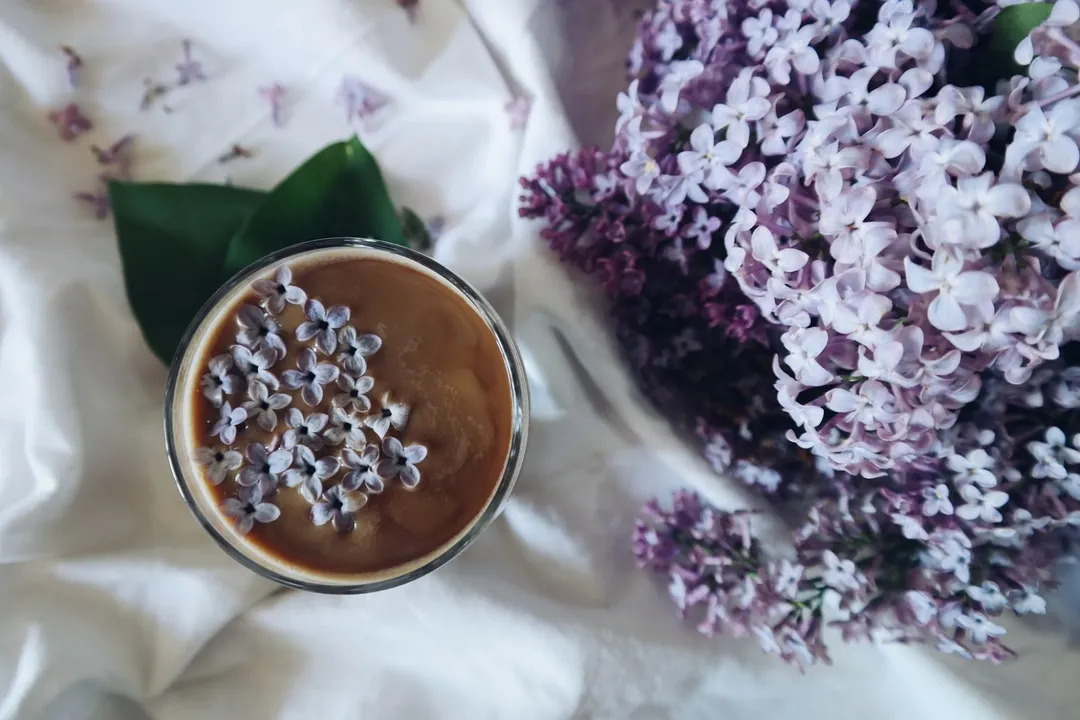
Lavender has been valued for skincare since ancient times, and its uses range from treating acute injuries to managing chronic conditions. [3][7]
# Healing Wounds
Both traditional use and contemporary reviews point to lavender’s efficacy in skin repair. [3] Studies have suggested that lavender essential oil can boost the rate of wound healing, increase collagen production, and improve the skin’s tissue remodeling process. [3][4] Its antiseptic and antimicrobial qualities are seen as preventative measures against infection in minor injuries like burns and cuts. [1][3] In fact, historical accounts suggest it was used to clean hospital wards before modern antiseptics were available. [4]
# Managing Skin Conditions
For ongoing skin concerns, lavender’s anti-inflammatory compounds, linalool and linalyl acetate, offer relief. [3] This makes it a consideration for easing symptoms related to eczema, dermatitis, itching, and psoriasis. [3][6] Moreover, its ability to kill certain bacteria means it can be a gentler topical approach to managing acne, sometimes used in combination with aloe extract. [3][4]
For topical use, a key consideration is concentration. The essential oil should almost always be diluted in a carrier oil like almond, coconut, or olive oil, aiming for a concentration between 1% and 2% (about six to twelve drops per ounce of carrier oil). [3][4]
# Hair Growth
For those seeking alternatives for thinning hair, lavender oil has shown potential, particularly for alopecia areata, a condition causing patchy hair loss. [1][3] A notable older study on alopecia areata found that a blend of essential oils including thyme, rosemary, and lavender massaged into the scalp daily led to significant hair growth in nearly half of the participants. [1][3] While animal studies using lavender oil also promoted hair growth, more conclusive human research is needed to isolate lavender’s exact contribution. [1][3]
# Dosage Nuances and Ingestion Safety
The safety profile of lavender is highly dependent on the preparation method. It is crucial to understand the distinction between ingesting the herb (like in tea or capsules) and swallowing the essential oil, which is strongly advised against due to toxicity risk [3][4][10].
The concentration difference between forms is vast, which underlies safety protocols:
| Preparation Method | Typical Use/Form | Concentration Note | Safety for Ingestion |
|---|---|---|---|
| Essential Oil | Aromatherapy, Topical (diluted) | Highly concentrated plant extract [3][4] | Toxic when swallowed; can irritate mucosal lining [3][4] |
| Tea/Infusion | Internal consumption | Made from steeping dried buds/flowers [4][10] | Generally safe in food amounts; Culinary grade (L. angustifolia) preferred [3][6] |
| Capsules | Oral Supplement | Pre-measured, processed form [3] | Short-term use in tested amounts considered safe [3][5] |
For example, when brewing lavender tea, a common recommendation is about two tablespoons of dried buds per eight ounces of water, steeped for 5-10 minutes. [8] Contrast this with essential oil, where one drop can contain the concentrated properties of many pounds of the original flower material. [10] This significant difference in potency dictates that while culinary uses (like flavoring baked goods or steeping honey) or tea are generally low-risk, the essential oil should never be consumed directly unless under the guidance of a professional herbalist who understands proper dosing for extracts. [3][4]
A subtle but important point for culinary users is flavor management. While the sweet, floral notes are desirable, too much lavender in food or tea can result in an unappealing, soapy taste. [3][4]

# Safety Profile and Cautions
Lavender is largely considered safe when used as directed, yet several precautions warrant attention, especially concerning high-concentration application or long-term use. [5]
# Topical Precautions
For any direct skin application of lavender essential oil, always dilute it with a carrier oil, and perform a patch test 24 hours prior to widespread use to check for irritation or allergic reactions. [1][3] Lavender should generally be avoided on broken skin, rashes, or areas already inflamed unless specifically directed by a practitioner. [3]
# Hormonal Interactions
One area requiring careful consideration involves potential endocrine effects. Some preliminary research has linked the long-term topical use of lavender essential oil products to the development of breast tissue (gynecomastia) in young, prepubescent boys. [1][5] Although some experts suggest that other unknown estrogenic ingredients in the tested products might have been the cause, the correlation prompts a recommendation to limit use around developing children. [3][4] Similarly, pregnant and breastfeeding women should consult a healthcare provider before using lavender orally, as it may possess estrogen-mimicking properties. [5][8] Lavender may also theoretically interact with certain sedative medications. [5]
# The Context of Reaction
It is worth noting that the emotional response to scent is highly individual. While lavender is overwhelmingly associated with calm, for some individuals, the smell might be tied to a negative memory, causing an unexpected or triggering reaction rather than relaxation. [3] This experiential element highlights why personal response should guide the use of aromatherapy. [3]
If you are cultivating your own lavender for tea, consider the placement of your garden; growing it near busy roadways or in soil near environmental contaminants means those substances could end up in your cup. [8] This echoes the plant’s remarkable, if sometimes concerning, ability to absorb heavy metals like lead and zinc from toxic soil, storing them in its leaves—a property used in phytoremediation efforts. [9]
If you are navigating serious health issues like depression, remember that lavender or any complementary approach should support, not replace, consultation with a qualified healthcare provider. [5] Lavender is an excellent tool for managing mild stress or supplementing routine care, but it is not a replacement for professional medical guidance on serious conditions. [3][5]
Related Questions
#Citations
6 Lavender Benefits and How To Use It - Health Cleveland Clinic
The Many Benefits of Lavender for Mood, Sleep, Hair, and Skin
Lavender: Usefulness and Safety | NCCIH
Lavender Tea: 10 Incredible Benefits
The Top 20 Benefits of Lavender - Potager Soap
What Are the Health Benefits of Eating Lavender? - Everyday Health
Lavender's Medicinal and Aromatherapy Uses / Lavender Truffles
Lavender: Health benefits and uses - Medical News Today
Health and Household Uses for Lavender - WebMD
Lavender Tea Health Benefits, Side Effects, and How to Brew