Health Benefits of Jujube
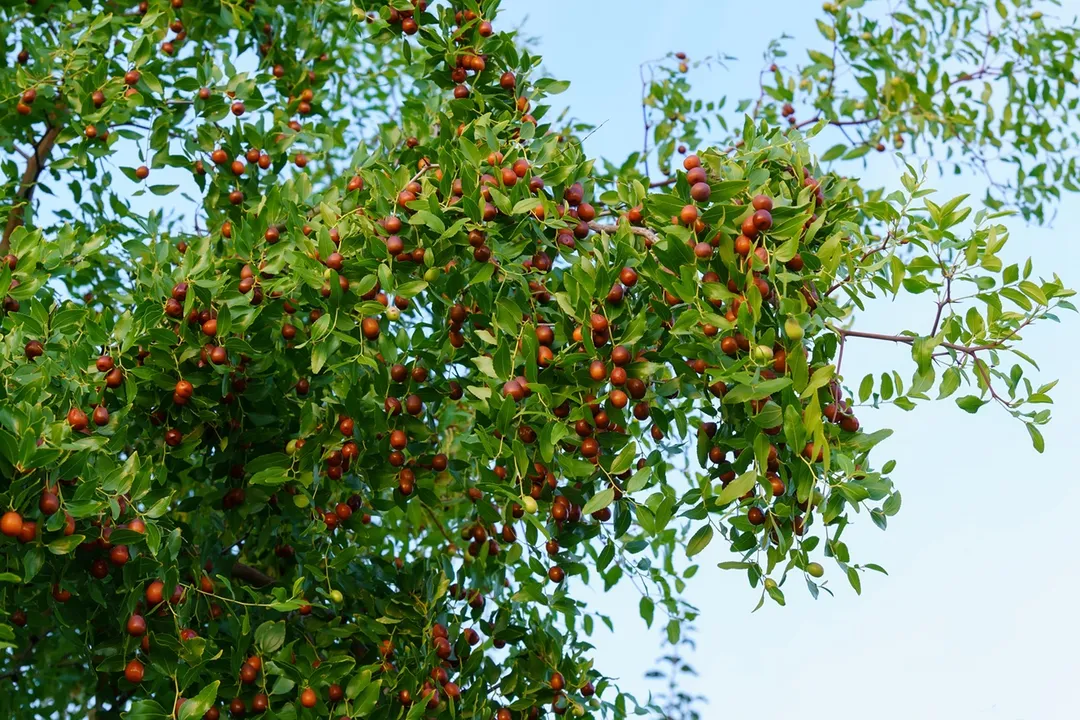
The jujube fruit, often called the Chinese date or red date, has enjoyed millennia of appreciation in traditional medicine and culinary arts across Asia. [4][7] This small, hardy fruit, native to China, is more than just a sweet snack; it is a dense package of compounds that modern science is beginning to connect with tangible health effects, ranging from better sleep to robust immune function. [5][6] From the perspective of Traditional Chinese Medicine (TCM), the jujube is recognized as a warm, nourishing herb that works to fortify the body's foundational energy and blood supply. [1][7]
# Ancient Fruit Names
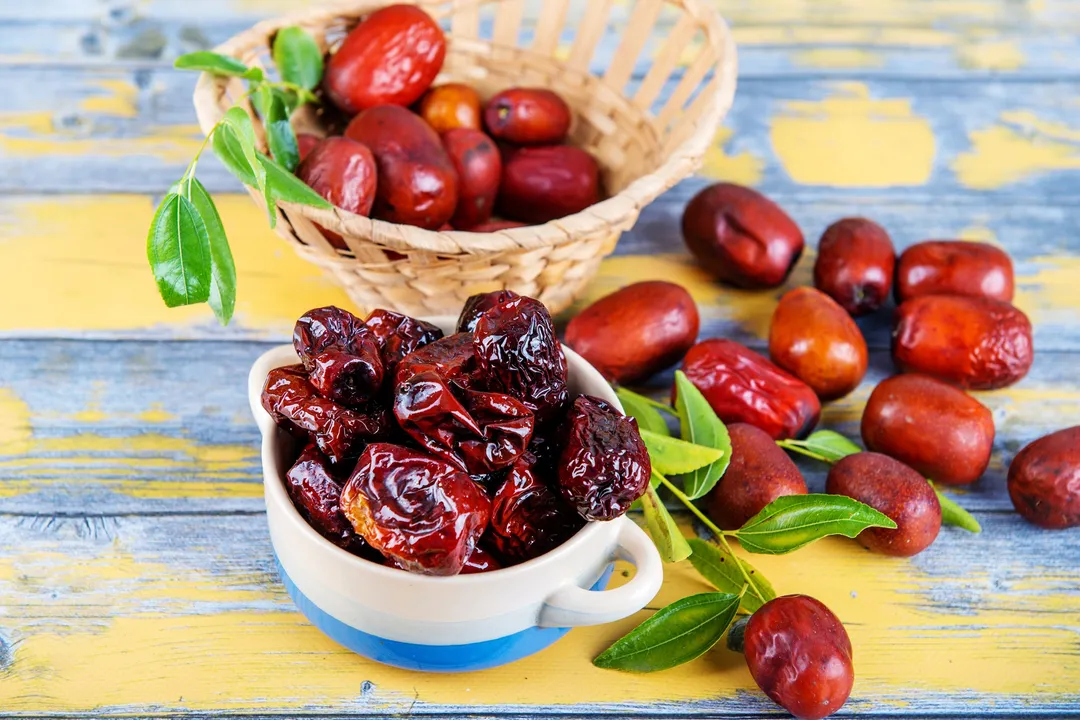
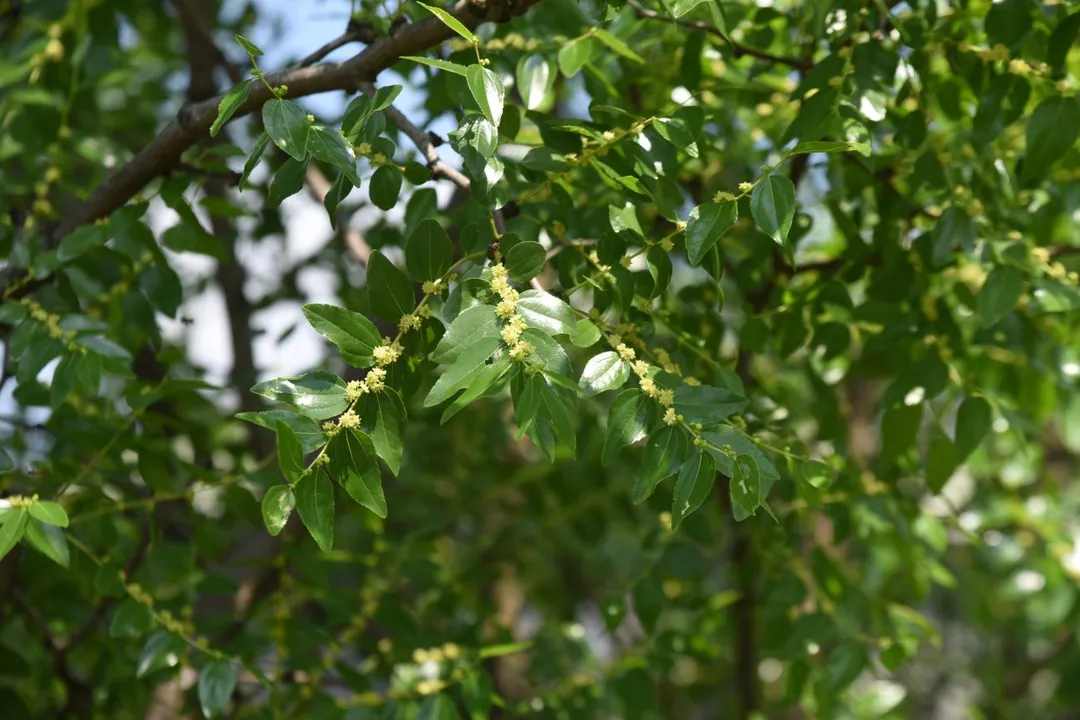
The Ziziphus jujuba plant is a deciduous tree or large shrub, sometimes possessing thorns, that has been cultivated for over 4,000 years. [3][7] Depending on its stage of development and how it is prepared, it presents different sensory experiences. When consumed fresh, its skin is thin, the flesh is whitish, crisp, and has a gentle sweetness reminiscent of a small apple. [1][4][5] Once fully mature, the fruit turns dark red, often wrinkling and softening as it dries, developing a taste and texture akin to a chewy date. [2][4] Despite the common moniker "Chinese date," it is botanically distinct from the palm date. [4][7] It is known by several names globally, including Da zao (big date) or Hong zao (red date) in Chinese. [1][7]
# Nutritional Composition
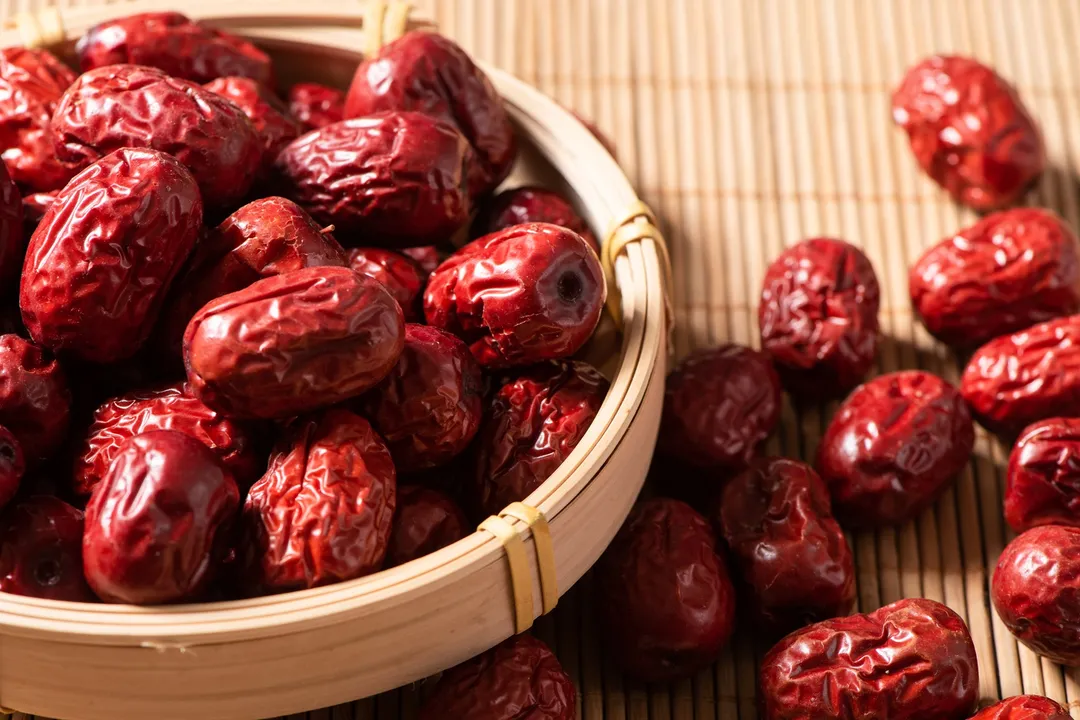
Jujube fruit is characterized by being low in calories when fresh, yet exceptionally high in key nutrients and bioactive substances. [2][5] A 100-gram serving of raw jujube—about three fruits—contains approximately 79 calories, 1 gram of protein, and a substantial 10 grams of dietary fiber. [2] It is particularly notable for its vitamin content. A 100-gram portion of fresh fruit can supply around 77% of the Recommended Daily Value (DV) for Vitamin C. [2] Potassium, iron, calcium, and phosphorus are also well-represented minerals. [5][7]
The true depth of its nutritional value, however, lies in its phytochemical profile. Jujubes are rich in compounds like flavonoids, polysaccharides, triterpenic acids, and amino acids. [3] For instance, studies comparing jujube to apples found the fruit contains roughly 100 times the Vitamin C and a staggering 1,000 times the cyclic adenosine monophosphate (cAMP) content. [7]
It is worth noting that the nutritional profile shifts significantly upon drying. While dried jujubes retain their high fiber content, the concentration of natural sugars increases dramatically, meaning dried fruit contains much higher sugar and calories by weight compared to the fresh version. [2] Furthermore, the Vitamin C content, a powerful antioxidant, is substantially reduced during the drying process; fresh fruit boasts up to 800 mg/100 g, which can fall to under 30 mg/100 g when dried, while an orange contains about 36 mg/100 g. [1] This chemical change suggests that if you are specifically seeking a Vitamin C boost, consuming the fruit fresh or in preparations that preserve its fresh nutrients is the more effective path, whereas dried jujubes excel as a source of concentrated carbohydrates and fiber. [1]
# Calming the Mind
One of the most celebrated traditional uses of jujube, particularly in TCM, is its ability to calm the mind, relieve mental tension, and promote restorative sleep. [6][8] Research, primarily in animal models, suggests that specific antioxidants and compounds within the fruit contribute to these effects. [2] For example, saponins and flavonoids found in jujube are thought to interact with key neurotransmitters like GABA and serotonin, which regulate mood and sleep cycles. [8] Jujuboside A, a glycoside, has been specifically linked to sedative and neuroprotective properties by affecting GABA receptors in rat neurons. [1]
In the context of TCM, this calming action is tied to the fruit's ability to nourish the Blood and support the Heart and Spirit (Shen). [1][7] When agitation, anxiety, or insomnia stems from severe emotional exhaustion or deficiency in Blood, the sweet and moistening nature of the jujube fruit is considered highly appropriate for replenishing what has been lost. [1] It is instructive to compare this action with that of the closely related spiny date seed (Suan Zao Ren); while both calm the spirit, the seed is more often indicated for irritability accompanied by night sweats or a flushed complexion, suggesting its neutral, astringing nature addresses a different energetic imbalance than the warming jujube fruit. [1] This distinction between the fruit and its close relative highlights how nuanced traditional herbalism can be, even within the same plant family. [1]
# Digestive Fortification
The high concentration of dietary fiber in jujube fruit is a major contributor to digestive wellness. [2][5] Fiber works by adding bulk and moisture to stools, which helps regulate the speed at which food moves through the digestive tract, offering relief from constipation. [2][4] Beyond mere regularity, the fiber component acts as a prebiotic, feeding beneficial gut bacteria and helping to cultivate a healthier internal microbiome. [2][5] Furthermore, studies in rat models suggest that extracts may have a protective effect on the gastrointestinal tract, helping to strengthen the mucosal lining against damage from ulcers or harmful bacteria. [2] From a TCM viewpoint, jujube fortifies the Spleen and Stomach Qi, which are central to transforming food into energy and creating bodily fluids like Blood. [1] This makes it a traditional remedy for weakness in digestion, which can present as decreased appetite or loose stools. [1]
# Enhancing Blood Health
The traditional Chinese classification of jujube as a medicine to Tonify the Blood aligns with modern findings related to hematopoiesis. [7] Research indicates that jujube extracts may stimulate the production of new red blood cells and play a role in recycling iron from older cells, both crucial processes in preventing or treating anemia. [3][7] The fruit provides necessary cofactors, including iron and Vitamin C, to support these functions. [7] For women who experience fatigue or other side effects due to menstrual blood loss, incorporating regular amounts of jujube is often recommended by practitioners to help replenish these vital stores. [7]
# Potent Antioxidant Action
Jujubes are a significant source of various antioxidant compounds, including flavonoids, polysaccharides, and triterpenic acids, in addition to the high Vitamin C content. [2][3][5] Antioxidants neutralize free radicals—unstable molecules that contribute to cellular damage and are implicated in the progression of chronic diseases such as heart disease and certain cancers. [2][5]
Scientific investigation confirms these protective effects. Specific polysaccharides extracted from jujube have demonstrated strong in vitro scavenging activity against damaging free radicals like DPPH and hydroxyl radicals. [3] In animal studies, jujube flavonoids have been shown to reduce inflammation and stress caused by free radical damage in the liver. [2] This anti-inflammatory capability is broad; extracts have been shown to inhibit inflammatory mediators and block pathways like NF-B in models of liver injury and colitis. [3] Even consuming jujube fruit powder in animal models improved their resistance to reactive oxygen species (ROS) stress. [3]
# Metabolic Balance
Emerging evidence points toward jujube's potential role in managing metabolic markers, specifically blood sugar and lipids. [3][8] In animal models fed high-fat, high-fructose diets designed to induce dyslipidemia and insulin resistance, the introduction of dried jujube fruit helped attenuate elevated blood glucose and triglyceride concentrations. [3] This effect is partly attributed to the fruit’s triterpenoids, which were observed to promote glucose uptake in muscle cells via the GLUT4 transporter mechanism. [3] Furthermore, jujube polysaccharides have been shown to lower serum glucose and insulin levels, and reduce the Homeostasis Model Assessment-Insulin Resistance (HOMA-IR) score in mice subjected to a high-fructose regimen. [3] In cellular studies, one specific neutral polysaccharide inhibited lipid accumulation and reduced markers of liver stress. [3]
# Immune and Cellular Defense
The fruit’s immune-supporting role is tied to its high nutrient content, especially Vitamin C, and its bioactive polysaccharides. [2][6] The polysaccharides, in particular, have been shown to possess immunomodulatory functions, stimulating immune cells like macrophages and promoting the proliferation of lymphocytes in laboratory settings. [3]
Beyond general support, jujube extracts have been examined for specific protective activities:
- Anticancer Potential: Test-tube research suggests that jujube extracts can inhibit the proliferation and induce apoptosis (programmed cell death) in various human cancer cell lines, including breast and cervical cancer cells. [3] The fruit's ability to modulate gut flora has also been studied as a way to help prevent colon cancer progression in mouse models. [3]
- Neuroprotection: The fruit shows promise in supporting brain health by protecting neurons from toxins, stimulating the growth of nerve fibers (neurite outgrowth), and improving markers associated with memory and learning. [3][8]
- Antiviral Effects: The triterpenoid betulinic acid, found in jujube, has demonstrated inhibitory activity against the Influenza A/PR/8 virus in both cell cultures and mice, reducing lung damage symptoms. [3]
# Consumption and Precautions
Jujubes can be incorporated into the diet in numerous ways: eaten raw as a crisp snack, dried and consumed like candy, simmered into teas, or added to congees, soups, and baked goods for natural sweetness. [4][6][7]
While generally considered safe for healthy adults, moderation is key, as excessive consumption may lead to digestive upset like bloating, thirst, or diarrhea. [1][4] TCM practitioners traditionally advise against consuming large amounts if the body exhibits signs of "heat," such as fever, a red face, or cough with yellow phlegm, due to the fruit's inherently warming nature. [1][7] Those with specific health conditions must exercise caution:
- Medication Interactions: Individuals taking the antidepressant venlafaxine (or other SNRIs) should avoid jujube. [2][4] There is also evidence from animal studies suggesting an interaction with certain anti-seizure medications like phenytoin, phenobarbitone, and carbamazepine, potentially strengthening their effects. [2][4]
- Surgical Concerns: Due to its ability to slow down the central nervous system, it is recommended to stop using jujube at least two weeks prior to scheduled surgery. [4]
For those incorporating jujubes for their traditional benefits, understanding the difference between fresh and dried forms, especially regarding Vitamin C stability, provides a practical starting point for maximizing nutritional intake. [1] Similarly, knowing that the related spiny date seed addresses symptoms of Yin deficiency with night sweats while the fruit addresses exhaustion rooted in Blood deficiency helps guide more tailored use based on traditional principles. [1] Always consult a healthcare provider before starting any new supplement, especially if managing chronic conditions or taking prescription drugs. [4][5]
Related Questions
#Citations
Chinese Jujube Fruit: Nutritional Value and Health Benefits - WebMD
Jujube Fruit: What It Is and Benefits - Health Cleveland Clinic
Research advances in bioactive components and health benefits of ...
What Is Jujube Fruit? Nutrition, Benefits, and Uses - Healthline
Jujube: What Is It and Can It Benefit Sleep? - Sleep Doctor
The Wonders of Jujubes: A Superfruit for Health and Longevity
Jujube | An Ancient Superfruit - Nutrition, Benefits, Tastes, and Uses
Chinese Jujube: Benefits, Medicinal Uses & Dosage | Herbal Reality
Health benefits of Chinese red dates (jujubes) - Ping Ming Health