Health Benefits of Fiddlehead
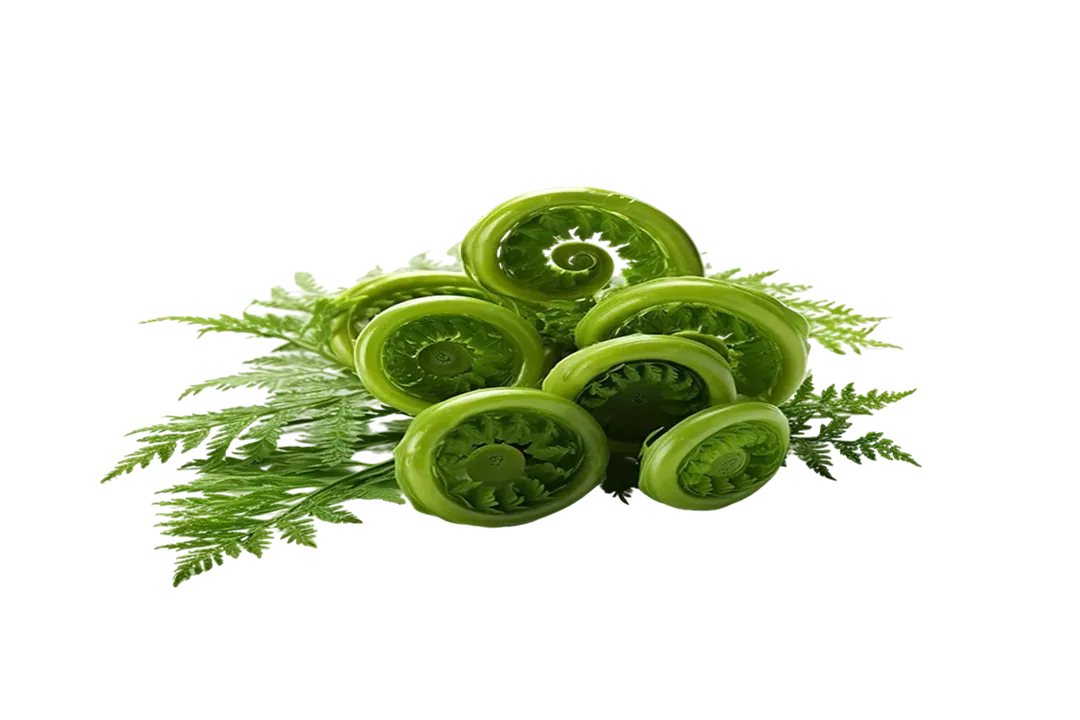
The arrival of fiddleheads signals a brief, cherished window in the wild foods calendar, a vibrant green promise emerging from the cold, damp earth of early spring. These coiled treasures, the tightly furled fronds of a young fern, are not just a seasonal novelty but a deeply rooted culinary tradition in parts of North America and Asia, where they have been part of the local diet for centuries. When foragers or market-goers speak of edible fiddleheads, they are almost exclusively referring to the young shoots of the Ostrich fern, scientifically known as Matteuccia struthiopteris. Identifying this specific species is paramount, as other ferns can carry serious risks.
# Visual Identification
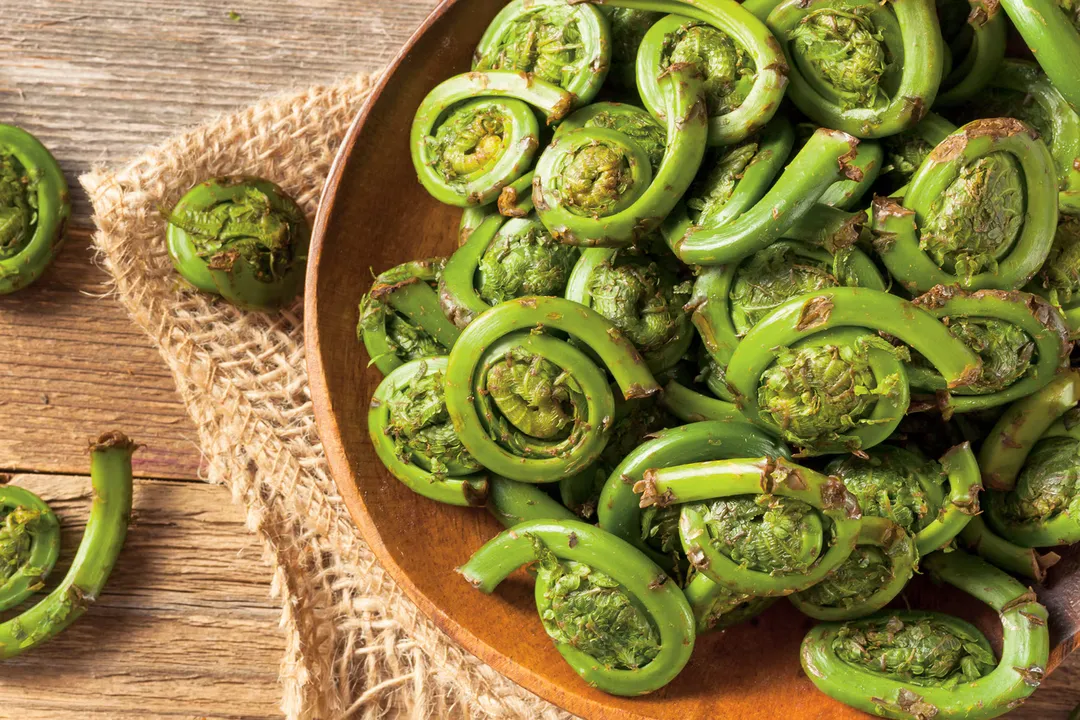
Distinguishing the safe-to-eat ostrich fern fiddlehead involves several key tactile and visual cues. The edible variety is typically about an inch in diameter and grows close to the ground, rarely exceeding six inches in height before it begins to uncurl. A crucial feature is the presence of a papery, brown, scale-like covering that clings to the coiled shoot; this must be meticulously removed before preparation. Furthermore, the stem of the ostrich fern fiddlehead is smooth, not fuzzy, and when sliced lengthwise, it reveals a distinctive, deep, U-shaped groove on the inside. They naturally emerge in small clusters, often between three to twelve fiddleheads per plant, usually found near moist, shaded areas like stream or river banks. Given their ephemeral nature, often only available for a four-to-six-week period starting in late April, appreciating their specific appearance ensures a safe and enjoyable harvest.
# Nutritional Profile Details
Fiddleheads distinguish themselves nutritionally, offering significant micronutrients in a remarkably low-calorie package. When examining nutritional data, it is important to note that values can shift based on whether the measurement is taken per 100 grams or per serving size like one cup, and whether the product is raw or cooked. For instance, one source reports 34 calories per 100 grams of fresh fronds, while another states 46 calories for one cup of cooked fiddleheads. This cooked serving size also yields roughly 8 grams of carbohydrates, 6 grams of protein, and a negligible 1 milligram of sodium.
To better appreciate the density of these greens, comparing the nutrient content per 100 grams of cooked fiddleheads gives us a clearer picture based on consolidated reports:
| Nutrient | Value (per 100g Cooked) | Approximate % Daily Value | Supporting Source(s) |
|---|---|---|---|
| Calories | 34 - 46 kcal | Low | |
| Fat | ~1 gram | Low | |
| Fiber | 3 grams | ~10% | |
| Potassium | ~370 - 501 mg | Significant | |
| Vitamin C | ~26.6 - 31 mg | ~34% - 44% | |
| Vitamin A | High (72% DV per 100g) | Very High |
It is worthwhile to observe the slight variation in reporting; for example, one detailed analysis gives 100 grams of cooked fiddleheads as containing 501 mg of potassium, while another suggests 370 mg. This discrepancy highlights a general challenge when comparing wild-harvested seasonal foods across different studies, where environmental factors or analytical methods (raw vs. cooked basis) influence the final reported figures. This means that while the plant is undeniably nutrient-dense, precise daily intake calculations should be approached with an understanding that localized or specific preparation methods will affect the exact intake figures.
# Antioxidant Supremacy
The health advantages of fiddleheads are heavily underpinned by their impressive profile of plant compounds, particularly their high concentration of antioxidants. Fiddleheads excel in this area when compared side-by-side with more conventional green vegetables. Scientific investigation into European fern species showed that, on average, their methanolic extracts contained about five times the amount of phenolic compounds found in reference vegetables like spinach and rocket. Furthermore, the antioxidant capacity, measured by the Oxygen Radical Absorbance Capacity (ORAC) assay, was nearly ten times greater in some fern extracts than in the reference vegetables. Even the species with the lowest antioxidant capacity among the tested ferns still demonstrated nearly double the capacity of the average reference green. These findings suggest that incorporating these seasonal greens can provide a significant boost in dietary protection against oxidative stress.
Key protective compounds include Vitamin C and beta-carotene. Vitamin C, being water-soluble, acts as a natural antioxidant, helping the body develop resistance against infectious agents and neutralizing cancer-causing free radicals. Beta-carotene, which the body converts into Vitamin A, has been specifically linked to a potential reduction in lung cancer risk when consumption is increased. It is also noted that increasing the intake of natural carotenoids often provides greater protective effects than taking synthetic supplements, which can sometimes inhibit the absorption of natural forms.
# Essential Fats Balance
Beyond the well-known vitamins and minerals, fiddleheads present a fascinating profile regarding fatty acids, offering an excellent non-marine source of essential fats. Essential fatty acids, specifically omega-3 () and omega-6 () polyunsaturated fatty acids (PUFAs), cannot be synthesized by the human body and must be obtained through diet.
A major revelation from in-depth chemical analysis is not just the presence of these essential fats, but their ratio. The recommended dietary ratio for to PUFAs should ideally be 4:1 or lower to support the synthesis of beneficial eicosapentaenoic acid (EPA). In many Western diets, the common reliance on vegetable oils leads to an unfavorable ratio. However, various fiddlehead species analyzed demonstrated an ratio consistently between 2 and 6.4, presenting a much more desirable balance than the reference vegetables tested (which averaged 0.36). This means that for individuals who do not consume fish or fish products, fiddleheads represent an unusual and valuable source of essential fatty acids that contributes to a more balanced intake, supporting brain and heart health. Furthermore, several omega-6 compounds, such as arachidonic acid and -linolenic acid, were detected in fiddleheads in significant amounts, which were entirely absent or trace in the reference vegetables like spinach.
# Micronutrient Support
The mineral content of fiddleheads provides robust support for several critical bodily functions. They are notably high in Potassium, containing about 370 milligrams per 100 grams. This high potassium and corresponding low sodium (only 1 mg per 100g) combination is beneficial for maintaining a healthy blood pressure.
Manganese is another standout, with 100 grams providing about 26% of the recommended daily value. Manganese is vital for the function of many enzymes that regulate blood sugar and thyroid activity; a deficiency is implicated in issues like impaired fertility and growth retardation. In addition to structural support, fiddleheads contribute to hematopoiesis (blood cell formation) through their content of Iron (around 7% DV) and Copper (around 16% DV) per 100 grams, making them helpful for individuals managing anemia. Finally, the substantial Vitamin A derived from their beta-carotene content is strongly associated with maintaining good eyesight and may help prevent age-related macular degeneration. Even the Niacin (Vitamin B3) content has been noted for its positive effects on circulation and skin health, potentially helping with brightness and reducing breakouts.
# Safety Protocol Essential
Despite the wealth of nutritional benefits, the most critical piece of information concerning fiddleheads is the strict requirement for proper preparation. Never consume raw or undercooked fiddlehead ferns. A significant foodborne illness outbreak in 1994 was traced directly to eating raw or undercooked fiddleheads. While the exact mechanism of illness remains under research, symptoms like diarrhea, nausea, vomiting, and headaches can manifest rapidly, often within 30 minutes to 12 hours after ingestion.
Crucially, the edible variety must be confirmed as Matteuccia struthiopteris. Some wild ferns, such as Pteridium aquilinum (bracken fern), contain carcinogenic compounds like ptaquiloside, which have been associated with higher cancer incidences in populations with high consumption. While proper cooking can minimize risk, the only way to confidently consume fiddleheads is by ensuring they are sourced from reliable suppliers or positively identified by an expert forager.
To ensure safety and palatability:
- Cleaning: Thoroughly remove all the brown, papery scales when the ferns are dry.
- Washing: Rinse the cleaned fronds using potable (drinking) water, avoiding untreated river or lake water.
- Cooking: Boil the fiddleheads in a large pot of salted water for a minimum of 15 minutes, or steam them for 10 to 12 minutes. It is imperative to discard the cooking or steaming water before proceeding with any final recipe. Some foragers even repeat this boil/drain process two or three times to fully mitigate any bitterness or compounds.
# Culinary Integration
The taste and texture of properly prepared fiddleheads make them a sought-after springtime delicacy. They offer an earthy, slightly nutty flavor profile, often likened to a mix between asparagus and green beans, while retaining a satisfyingly crisp texture. Overcooking is a pitfall to avoid, as it renders them soft and mushy instead of pleasantly chewy.
Once cooked, they become versatile additions to many meals. A simple, traditional preparation involves tossing them with melted butter and seasoning them with salt and pepper immediately after draining the blanching water. They can also be incorporated into more complex dishes, such as stir-fries, mixed into pasta sauces, or served alongside seafood like salmon. For those who gather more than they can eat during the short season, blanching them briefly (boiling for two minutes followed by an immediate ice water bath) allows for proper freezing, which can preserve their quality for up to ten months.
As with all wild edibles, a guiding principle for foragers should be sustainability—taking only a portion of the available yield from a healthy plant crown to ensure the resource returns year after year. This mindful approach helps maintain the supply of this nutrient-dense green for future springs.
Related Questions
#Citations
What Are the Health Benefits of Fiddlehead Ferns? - WebMD
7 Health Benefits Of Fiddleheads - DoveMed
Fiddleheads: A Springtime Superfood - Healthy Acadia
Nutritional and Antioxidant Potential of Fiddleheads from European ...
Benefits of Fiddleheads | Canadian Living
Fiddlehead ferns Nutrition facts and Health benefits
Fiddlehead Ferns — Nutrients, Health Benefits, And Shopping Tips