Health Benefits of Eddoe
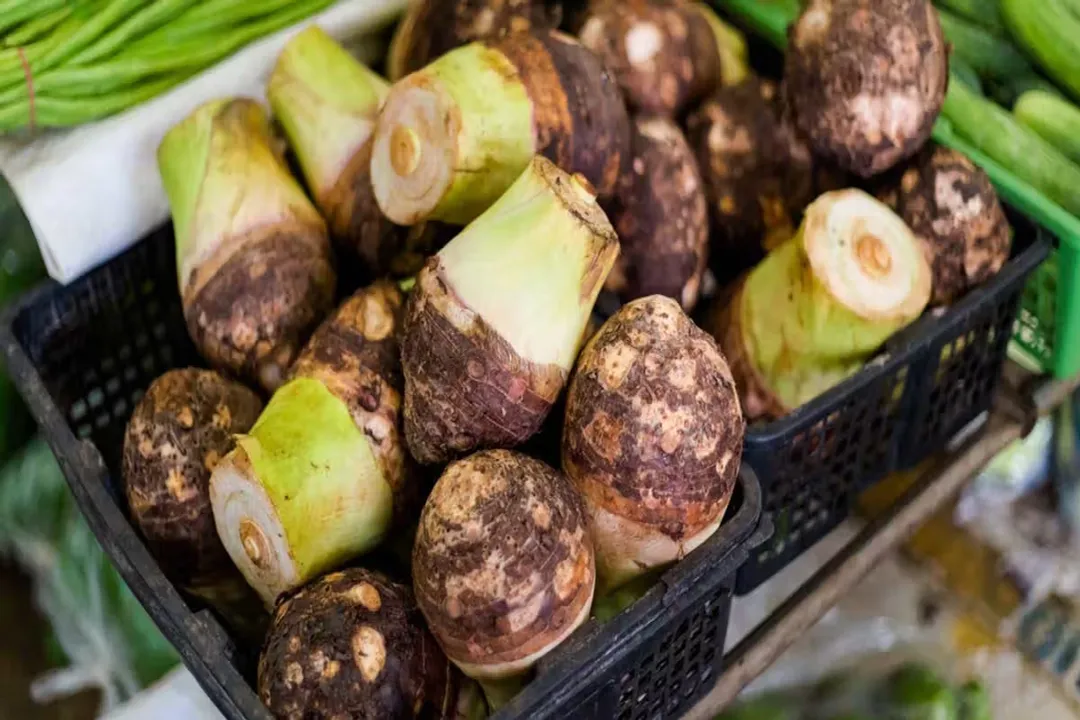
Eddoe, often found mentioned alongside its larger cousin taro, is a starchy corm that offers a surprising array of health advantages wrapped up in a humble root vegetable. While both are staples in tropical diets globally, understanding the specific qualities of eddoes allows cooks and health-conscious individuals to appreciate their unique contribution to nutrition. [5][7] These tubers, which are the swollen underground plant stems, serve as an excellent energy source, much like potatoes, but come packed with a different complement of vitamins, minerals, and dietary fiber that supports overall wellness. [2][3]
# Root Structure

It is important to note that eddoes are frequently categorized within the broader taro family, but they possess distinct characteristics. [7] Eddoes are typically smaller and possess a finer, more delicate texture compared to standard taro corms. [5] This difference in texture is not just a matter of size; it influences how the root behaves during cooking. While both are rich in complex carbohydrates, the way they break down when boiled or stewed differs, making one preferable over the other depending on the desired final consistency in a dish. [5] When selecting eddoes, one is choosing a vegetable that cooks down slightly differently than larger taro varieties, often lending itself well to smoother preparations or faster cooking times due to its smaller size. [5]
# Digestive Health
The fiber content in eddoes is a significant contributor to their health profile. Dietary fiber is essential for maintaining a healthy digestive system, promoting regular bowel movements, and preventing constipation. [2][3] However, the benefit goes deeper than just standard roughage. Eddoes, like other starchy tubers, contain resistant starch. [2][8] This type of starch resists digestion in the small intestine and travels to the large intestine, where it functions as a prebiotic—food for beneficial gut bacteria. [8]
When we look at modern eating patterns that often favor highly processed foods stripped of their natural fiber, the importance of tubers like eddoes becomes clearer. Incorporating resistant starch helps feed the microbiome, which is vital for everything from immune function to mood regulation. [8] Think of resistant starch as an investment in your gut's long-term health, as it ferments slowly, providing sustained benefits that quick-digesting simple carbohydrates cannot offer. [8] This prebiotic action contrasts sharply with refined sugars, which feed less desirable bacteria, making the resistant starch profile a notable advantage for gut health. [8]

# Micronutrient Profile
Eddoes deliver a commendable mix of essential micronutrients. They are recognized as being rich in several key vitamins and minerals necessary for bodily functions. [3][6] Specifically, they are a good source of manganese, a mineral critical for bone formation, metabolism, and antioxidant defenses. [2][3] They also provide noteworthy amounts of copper, which assists in iron absorption and red blood cell production. [2][6]
Beyond minerals, the vitamin profile is equally supportive. Eddoes contain significant Vitamin B6, necessary for brain health and protein metabolism, and Vitamin E, an antioxidant that protects cells from oxidative damage. [2][3][6] Furthermore, the presence of potassium helps in balancing fluid levels and supporting healthy blood pressure management. [4][6] Examining the full spectrum, one finds magnesium and iron also contribute to this tuber’s nutritional density, especially when compared to purely refined carbohydrate sources. [4]
| Nutrient | Primary Function | Sourced Benefit |
|---|---|---|
| Fiber | Digestive Regularity | Promotes gut health [2][3] |
| Manganese | Metabolic Enzyme Cofactor | Essential for bone health [2][3] |
| Vitamin E | Antioxidant Protection | Protects cells from damage [3][6] |
| Potassium | Fluid Balance | Supports heart function [4][6] |
| Resistant Starch | Prebiotic Effect | Feeds beneficial gut bacteria [8] |
# Metabolic Support
The nutritional makeup of eddoes lends itself to supporting healthy metabolic function, particularly concerning weight management and blood sugar regulation. [1][3] Because eddoes are naturally low in fat, they are a sensible choice for those watching their caloric intake, provided they are prepared without excessive added fats. [1][5] Their structure is predominantly composed of complex carbohydrates. [5]
The high fiber content plays a direct role in satiety, helping individuals feel fuller for longer after a meal, which can naturally aid in weight management efforts by reducing overall calorie consumption throughout the day. [1][2] Furthermore, this combination of fiber and resistant starch helps moderate the rate at which glucose enters the bloodstream. [2][3] Unlike highly processed white flours that can cause sharp blood sugar spikes, the slow digestion of the starch in eddoes promotes a more gradual release of energy, which is beneficial for stable energy levels and may improve insulin sensitivity over time. [2][3]
# Leaf Edibility
A feature that sets the eddoe plant apart from some other root crops is the nutritional value locked within its leaves, often known as Callaloo. [4][7] These leaves are not merely scraps; they are a powerhouse of nutrition themselves and should be considered an integral part of the food source when available. Eddoe leaves are notably high in protein, calcium, and iron. [4] They also contribute substantial amounts of Vitamin A and Vitamin C. [4]
However, a critical preparation note must be observed: like many leafy greens in the Araceae family, eddoe leaves must be thoroughly cooked before consumption. [4][7] They contain oxalates, which cause irritation if eaten raw. When properly cooked, though, they transform into a delicious, nutrient-dense side dish that complements the starchy root. [4] If you live in a region where taro and eddoes are grown, seeking out the leaves offers a chance to boost your intake of hard-to-get nutrients like calcium from a vegetable source. [4]
# Culinary Versatility
The texture difference between eddoes and larger taro roots translates into practical culinary applications. Because eddoes have a finer texture, they integrate smoothly into dishes where you want the root to break down and slightly thicken the liquid, such as in certain hearty soups, stews, or purees. [5] When preparing eddoes, especially if you are accustomed to using only larger taro, remember that their smaller size means they will likely soften more quickly. To ensure an even cook, try to choose corms that are relatively uniform in size, or cut larger ones down to match the smaller eddoes, preventing some pieces from turning mushy while others remain undercooked. [5] They absorb flavors well, making them adaptable to savory stews, curries, or even simple boiled preparations served with salt and herbs. [7] This ability to absorb surrounding flavors while providing a dense carbohydrate base makes them a fantastic pantry staple for grounding heavier sauces or spicy dishes.
Related Questions
#Citations
What are the health benefits of eddoe, does eddoe help ...
7 Surprising Benefits of Taro Root
Health Benefits of Taro Root
Health Benefits of eddo root and leaves
Discover Eddoes Benefits - Dole
Nutritional Value of Eddoes - Weekand
Eddoes - Nutrition Facts
Taro Root Benefits, Nutrition, Side Effects, How to Cook
Nutritional, phytochemical composition and potential health ...