Health Benefits of Daikon
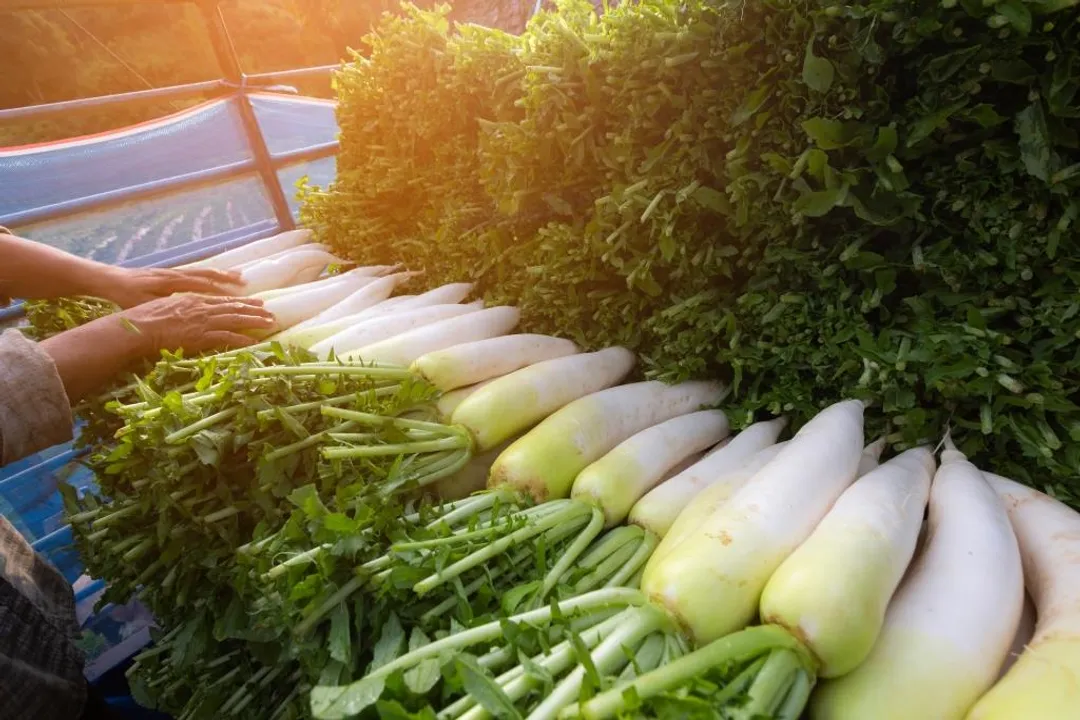
Daikon, often described as a long, white radish, belongs to the Brassicaceae family, which also includes familiar vegetables like cabbage and broccoli. This root vegetable has a milder, slightly sweeter flavor profile compared to its smaller, red cousins, making it incredibly versatile in the kitchen, especially across Asian cuisines. Its name literally translates from Japanese as "big root". While it is enjoyed raw, pickled, or cooked, its true value lies hidden beneath its unassuming white exterior, offering a spectrum of health advantages that range from aiding digestion to supporting the immune system.
# Root Description
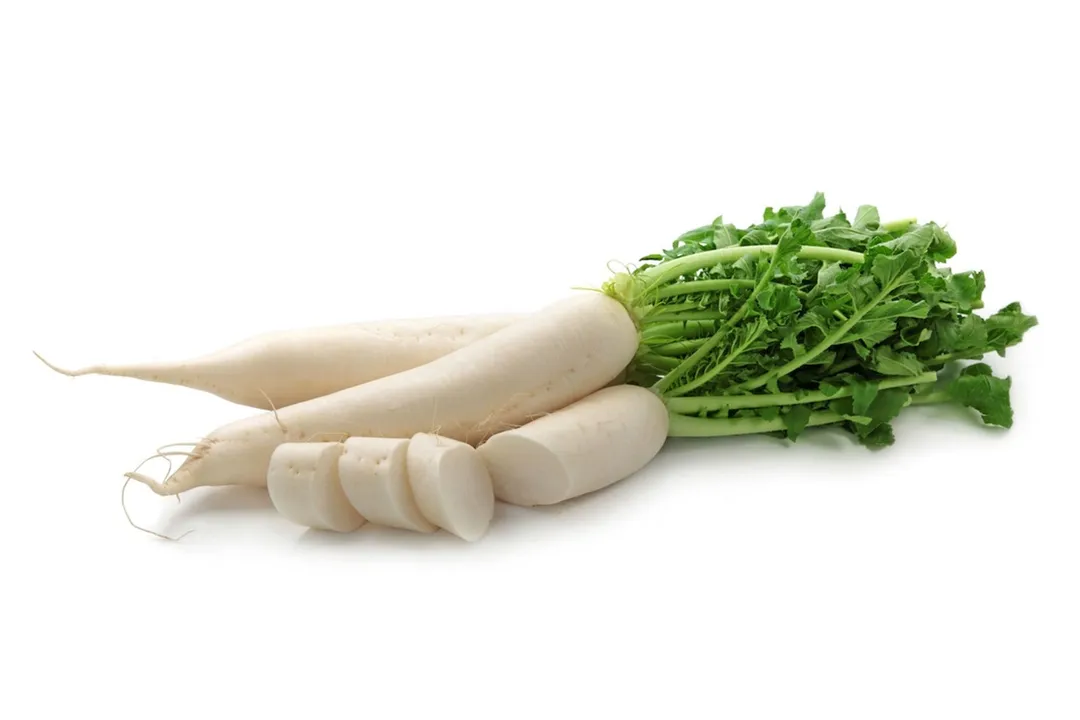
The physical appearance of daikon is distinctive; it is typically a long, cylindrical root, sometimes growing quite large, though smaller varieties do exist. The flesh inside is crisp and white. In the culinary world, daikon is utilized in many forms. It can be thinly sliced into salads, grated into a pungent condiment, or added to soups and stews where it absorbs surrounding flavors while retaining a slight sweetness. When grated, the preparation technique can significantly influence its properties, as heat can deactivate some of the beneficial enzymes it contains.
# Key Nutrients
Daikon radish is a remarkably low-calorie food, which is one of the reasons it finds favor in weight management plans. Despite its low caloric density, it packs a significant punch regarding micronutrients. For instance, a single serving provides a substantial amount of Vitamin C, an essential nutrient for immune defense and skin health. Furthermore, it contains other vital vitamins and minerals, though amounts can vary based on growing conditions and preparation methods.
We can look closer at its vitamin content to see where it shines.
| Nutrient | Typical Value (Per 1 Cup Raw, Sliced) | Primary Role |
|---|---|---|
| Vitamin C | Approximately 30-50% DV | Antioxidant, Collagen synthesis |
| Folate | Good source | Cell division |
| Potassium | Present | Fluid balance, Blood pressure regulation |
This concentration of Vitamin C is particularly noteworthy. For example, while both daikon and common white potatoes offer carbohydrates, daikon’s profile emphasizes water and micronutrients over starch, making it a more nutrient-dense choice by volume for individuals monitoring caloric or carbohydrate intake. Comparing it briefly to another common root vegetable, one cup of raw daikon provides significantly more Vitamin C than an equivalent serving of common potatoes, yet remains dramatically lower in calories.

# Digestive Support
One of the most celebrated health aspects of daikon radish relates directly to the digestive tract. Daikon contains various enzymes that assist the body in breaking down complex foods, particularly starches, fats, and proteins.
This digestive power is often attributed to enzymes like amylase, which helps break down starches, and lipase, which assists in fat digestion. When daikon is eaten raw, these enzymes are most active. For instance, if you consume a rich, heavy meal, incorporating a side of freshly grated daikon—known as daikon oroshi—can theoretically help ease the digestive burden by predigesting some of the harder-to-process components before they sit too long in the stomach.
It is also a good source of dietary fiber. Fiber is critical for maintaining regularity and preventing constipation, as it adds bulk to the stool and helps food move smoothly through the intestines. Furthermore, the fiber in daikon supports a healthy gut microbiome, feeding beneficial bacteria which are foundational to overall digestive health. A simple way to incorporate this benefit is by lightly pickling the daikon instead of consuming it heavily cooked, which helps preserve the enzyme activity while adding a desirable tang.
# Immune Function
The high Vitamin C content found in daikon directly translates to potential immune system benefits. Vitamin C is renowned for its role as an antioxidant, meaning it helps protect the body’s cells from damage caused by free radicals, which can otherwise contribute to various chronic health issues.
Beyond general antioxidant protection, adequate Vitamin C intake is necessary for the proper functioning of various immune cells. Consuming foods rich in this vitamin regularly can help keep the body’s natural defenses primed. While Vitamin C is key, daikon also contains other compounds that support wellness, such as glucosinolates, which are sulfur-containing compounds common in cruciferous vegetables. These compounds break down into isothiocyanates, which are studied for their protective properties within the body. When preparing daikon, think about how the cooking method affects this profile; boiling or prolonged cooking can leach water-soluble vitamins like C into the cooking liquid, so roasting or quick stir-frying might preserve more of the immune-supporting nutrients than boiling in large amounts of water.
# Weight Management
For those looking to maintain or reduce body weight, daikon offers an excellent food choice because it is both low in calories and high in water and fiber. A high-water content food helps promote feelings of fullness without adding significant calories, which can naturally lead to reduced overall food intake.
The fiber contributes to satiety as well, slowing down the emptying of the stomach. When you feel full for longer periods, the urge to snack between meals decreases. Consider this practical application: when preparing a large lunch, perhaps a sandwich or a hearty bowl of rice, substituting some of the denser components with finely shredded raw daikon can increase the volume of the meal considerably for the same caloric cost, helping you feel satisfied without overconsuming energy. This high-volume, low-calorie dynamic is a key feature distinguishing daikon from many energy-dense starches.
# Detoxification Support
Daikon has traditionally been associated with detoxification processes in the body. This association largely stems from its high water content, which aids the kidneys in flushing out waste products, and its enzyme content which assists in metabolic processes.
The root is also noted for containing compounds that may support liver function, which is the body's primary filtering organ. While scientific evidence detailing specific "detox" pathways is complex, the vegetable clearly supports the body’s natural, continuous filtration and cleansing mechanisms through hydration and nutrient delivery. Furthermore, some sources note that daikon may help reduce the buildup of toxins or unhealthy fats in the body. Its natural diuretic properties, thanks to its water and potassium content, further help encourage the elimination of excess fluid and waste via urination.
# Skin Health
The benefits of daikon extend to external appearances, particularly skin health, primarily driven by its Vitamin C and antioxidant content. As mentioned, Vitamin C is necessary for the production of collagen. Collagen is the structural protein that keeps skin firm, elastic, and resilient, helping to prevent sagging and the formation of wrinkles.
By ensuring a steady supply of Vitamin C through diet, you provide the building blocks necessary for your body to repair and maintain skin tissue. Additionally, the antioxidant properties help combat oxidative stress caused by environmental factors like pollution and UV exposure, which are major accelerators of skin aging. While topical treatments are common, nutrition experts often emphasize that true skin health is nurtured from the inside out, making regular consumption of Vitamin C-rich foods like daikon beneficial.
# Enzyme Activation in Preparation
How daikon is prepared dramatically influences the functional benefits it offers, especially concerning its enzyme content. The enzyme amylase, which aids starch digestion, is highly sensitive to heat. This sensitivity presents an interesting challenge for culinary use: cooked daikon (like in a stew) is wonderfully mild and flavorful, but it will have significantly reduced digestive enzyme activity.
To maximize the enzyme benefits, preparation methods must be gentle or non-existent regarding heat. Grating the daikon raw, creating daikon oroshi, is the premier method for this purpose. The process of grating ruptures the cell walls, releasing the enzymes and allowing them to work immediately upon contact with food in the stomach.
Here is a practical consideration for maximizing this effect: If you are grating daikon to serve with tempura or a fatty cut of meat, the oroshi should ideally be prepared seconds before serving. Allowing grated daikon to sit for even five or ten minutes can cause some of the active enzymes to begin degrading or oxidizing, lessening their immediate impact on the meal you are about to eat. This highlights a nuanced approach to consuming the vegetable: if your goal is purely digestive assistance, raw preparation is key; if the goal is flavor absorption in a simmered dish, cooking is acceptable despite the enzyme loss.
# Using Daikon in the Diet
Daikon's character varies depending on its preparation. Raw daikon offers a spicy, peppery bite, similar to stronger radishes, which mellows considerably when cooked.
Common applications include:
- Salads and Slaws: Shredded or julienned raw daikon adds crisp texture and a fresh, mild flavor.
- Pickling: Pickling (e.g., tsukemono) is a very popular method, providing a sour, tangy snack or side dish.
- Soups and Stews: When simmered, daikon becomes tender and absorbs the savory broth, such as in Japanese oden.
- Grated Condiment: As daikon oroshi, it is served alongside grilled fish or tempura to cut through richness and aid digestion.
For those who find even the mildest raw daikon too strong, a simple preparatory step can tame the heat. Allowing the freshly grated daikon to sit for a few minutes can allow some of the pungent compounds to dissipate, or you can rinse it briefly in water, though this may leach some water-soluble nutrients.
Daikon greens, the leafy tops often discarded, are also edible and nutritious. These greens are generally rich in Vitamin K and can be cooked like turnip or mustard greens, offering an added source of vitamins and minerals from the entire plant. This approach respects the plant's resources and maximizes nutritional yield from a single purchase, a valuable perspective for modern home cooking.
# Comparison with Other Radishes
While all radishes share the Brassicaceae family connection, daikon stands apart from common red radishes in several ways beyond size. Red radishes are typically smaller, rounder, and possess a sharper, more intense heat when eaten raw. This heat comes from the same glucosinolates, but the concentration and resulting flavor profile differ.
Daikon’s milder nature allows it to be consumed in much larger quantities raw or cooked without overpowering a dish, as evidenced by its widespread use in large pieces in soups and pickles. Furthermore, nutritionally, the sheer volume often consumed in a single sitting means that daikon can contribute more substantially to daily Vitamin C intake than the small, intensely flavored red varieties.
In summary, the health profile of the daikon radish is surprisingly rich for such a simple root vegetable. From providing key antioxidants and immune support via Vitamin C, to physically aiding the digestive process with its enzymes and fiber, it offers benefits across multiple bodily systems. By understanding the preparation method—raw for enzymes, cooked for mildness—consumers can tailor this versatile vegetable to their specific health and culinary goals.
#Videos
AMAZING Health Benefits of Daikon AND Explanation of ... - YouTube
Related Questions
#Citations
Daikon Radish: Types, Nutrition, Benefits, and Uses - Healthline
TOP 5 HEALTH BENEFITS OF DAIKON
Traditional Japanese foods - Health Benefits of Daikon
Amazing Health Benefits of Daikon Radish - PharmEasy
AMAZING Health Benefits of Daikon AND Explanation of ... - YouTube
What is Daikon Radish? | Surprising Facts | get wilder - wildbrine
Why You'll Love Daikon Radish (and How to Use It!)
Radish: Health Benefits, Nutrition and Medicinal Uses - WebMD
Maximising the health benefits of Daikon with Daikon Oroshi
What Is Daikon Radish? Plus, How to Use It - EatingWell