Health Benefits of Arugula
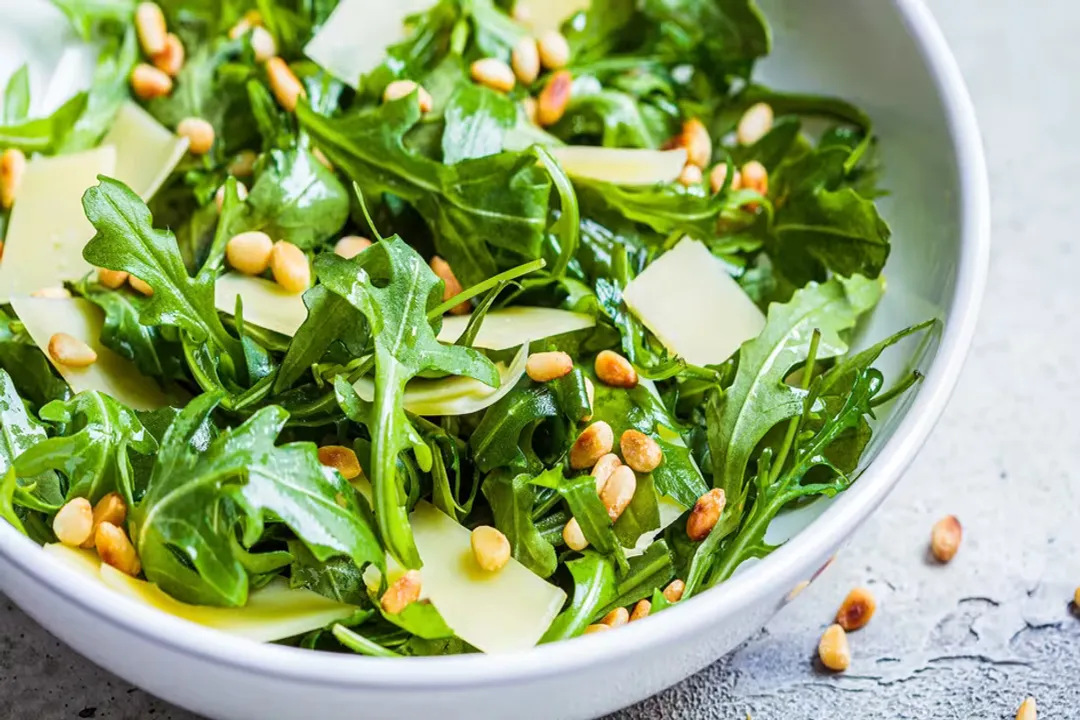
Arugula, often recognized by its peppery, slightly sharp flavor, is a vibrant leafy green that brings a distinct zing to salads and cooked dishes alike. This green, sometimes called rocket, belongs to the Brassicaceae or cruciferous vegetable family, putting it in the same botanical group as broccoli, cabbage, and kale. Its assertive taste is a direct result of chemical compounds within the plant, making it both texturally interesting and nutritionally potent. While many people simply toss a handful into their midday salad, understanding the depth of its nutritional profile reveals why this humble green deserves a more prominent spot in your regular diet.
# Leaf Flavor


The characteristic bite of arugula is not just for taste; it signals the presence of beneficial plant compounds. This pungency is notably different from milder lettuces, offering a sophisticated counterpoint to creamy dressings or rich fats. For those new to its flavor, starting by mixing it with milder greens or using it lightly wilted in warm preparations can ease the transition into appreciating its unique profile.
# Nutrient Density
Arugula is remarkably low in calories, making it an excellent choice for those managing their weight or simply trying to increase nutrient intake without excess energy. Despite being light on calories, it is loaded with essential vitamins and minerals. For instance, one cup of raw arugula can provide significant portions of your daily recommended intake for several key nutrients.
It stands out particularly for its high concentration of Vitamin K, a fat-soluble vitamin crucial for several bodily functions. Beyond Vitamin K, arugula supplies good amounts of Vitamin C, Vitamin A (largely in the form of beta-carotene), folate, and minerals like calcium and potassium.
| Key Nutrient | Role in Health | Source Density |
|---|---|---|
| Vitamin K | Blood clotting, Bone mineralization | Very High |
| Vitamin A (Beta-Carotene) | Vision, Immune function | High |
| Vitamin C | Antioxidant, Collagen synthesis | Moderate |
| Folate (B9) | Cell formation, DNA synthesis | Moderate |
| Glucosinolates | Detoxification precursors | High |
# Bone Support
The standout nutritional feature of arugula is often its Vitamin K content. Vitamin K is instrumental in the body's bone mineralization process, directly affecting bone density and strength. It aids in the production of osteocalcin, a protein necessary for binding calcium within the bone matrix. Consuming adequate Vitamin K is directly linked to protecting against bone fractures and supporting skeletal health throughout life. If you are looking to maximize your intake of this critical vitamin, consider pairing your arugula with a small amount of healthy fat, such as olive oil, as Vitamin K is fat-soluble, meaning its absorption is enhanced when consumed with fat.
# Eye Protection
Arugula is also a valuable player in maintaining long-term vision health, primarily due to its carotenoid content. It offers significant amounts of lutein and zeaxanthin. These two specific antioxidants concentrate in the macula of the eye, where they act as a natural defense system. They help filter out harmful high-energy blue light and protect the sensitive tissues from oxidative stress caused by UV radiation. Regular consumption may play a part in reducing the risk of age-related macular degeneration (AMD), a leading cause of vision loss in older adults.
# Heart System
The combination of vitamins and minerals in arugula supports cardiovascular wellness through multiple pathways. Folate (Vitamin B9) is recognized for its role in managing homocysteine levels in the blood. Elevated homocysteine is sometimes associated with an increased risk of heart disease. Furthermore, the potassium content in arugula assists in regulating blood pressure by counteracting the effects of sodium, thereby helping to maintain a healthy vascular system. While no single food is a cure-all, consistently incorporating potassium-rich vegetables like arugula is a sensible dietary strategy for heart maintenance.
# Cancer Links
As a member of the cruciferous family, arugula contains glucosinolates. When the leaves are chewed, chopped, or digested, these compounds break down into biologically active substances, including isothiocyanates. These breakdown products are researched for their potential chemopreventive properties, meaning they may help the body neutralize carcinogens and reduce the risk of certain cancers. This detoxification pathway is a hallmark benefit associated with eating cruciferous vegetables frequently.
# Weight Control
From a practical dietary standpoint, arugula is an excellent food for satiety without caloric excess. It is extremely low in calories and contains dietary fiber, which supports digestive regularity and contributes to feelings of fullness. Swapping out heavier, less nutrient-dense salad bases for a large volume of arugula is an easy modification to increase nutrient density while keeping the overall meal energy count low.
# Culinary Application
Arugula's versatility shines when moving beyond the raw salad bowl. Its peppery edge softens when briefly exposed to heat, making it suitable for wilted sides, additions to pasta sauces at the end of cooking, or even blended into pesto. If you are making a homemade pesto, consider replacing some or all of the traditional basil with arugula for a sharper, more complex flavor profile. The intense flavor means that even small amounts go a long way in flavoring a dish.
To get the most out of your purchase, consider this storage tip: never store arugula directly against the cold, moist plastic of your refrigerator drawer. Instead, wrap the leaves loosely in a dry paper towel and place them in a slightly open plastic bag or a loosely closed container. This small barrier helps manage excess moisture—the enemy of crispness—while still keeping the leaves cool, potentially extending their fresh, vibrant state by several days compared to tossing them straight into the crisper drawer [Original Insight 1].
It is worth noting that the concentration of those beneficial glucosinolates, which provide the peppery taste, can sometimes vary based on growing conditions, but generally, a more pronounced flavor in greens often indicates a higher concentration of these beneficial sulphur-containing compounds [Original Insight 2]. Therefore, if you are intentionally seeking the maximum reported protective benefits associated with these compounds, selecting arugula that has a noticeable but pleasant sharpness might be preferable to milder varieties.
# Diverse Sources
Beyond the vitamins and minerals, arugula provides other helpful components. Some sources indicate that arugula also offers small amounts of Vitamin E and manganese. Furthermore, it has been noted that arugula can be prepared in different ways, such as being cooked or consumed as a juice, although many of the key benefits discussed are associated with its raw or lightly cooked state. Its inclusion in the diet supports overall wellness due to the synergy of its various components, rather than just a single nutrient. For example, the combination of Vitamin C and carotenoids provides a broad-spectrum antioxidant defense.
Related Questions
#Citations
5 Health Benefits of Arugula - Health Cleveland Clinic
Arugula: Benefits and Nutrition - Healthline
Arugula: Nutrition, Benefits, Risks, & More - WebMD
Arugula, a member of the cruciferous vegetable family, is packed ...
Arugula Nutrition: Exploring the Many Health Benefits of Arugula
The Health Benefits of Arugula - YouTube
11 Arugula Benefits for Your Health (w/ Nutrition Info & Recipes)
Arugula: Health Benefits and Nutrition - Weight Watchers
[PDF] Health Benefits of Arugula - Coos County Friends of Public Health
Arugula: 4 Benefits, Nutrition, and Risks - Health