Health Benefits of Aratiles
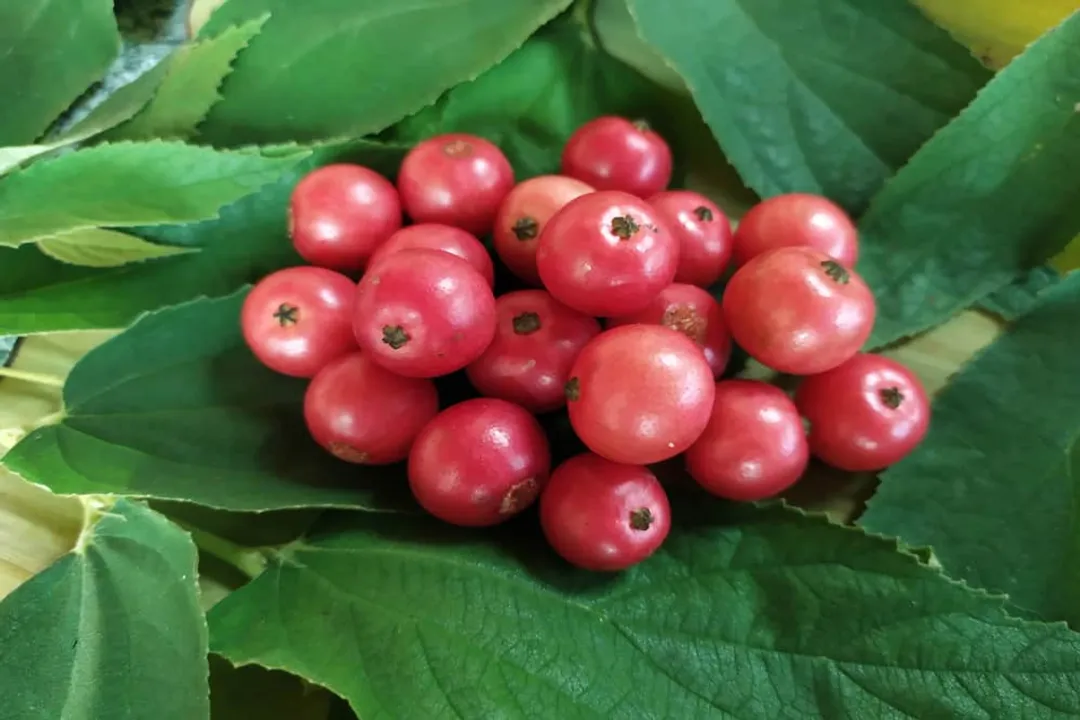
The small, unassuming fruit known widely as Aratiles often pops up in pathways and vacant lots across tropical landscapes, yet its humble appearance belies a rich history of traditional medicinal use and potential nutritional value. Sometimes called "strawberry guava" or "manzanitas," this berry-like fruit, scientifically named Muntingia calabura, offers a sweet burst of flavor when fully ripe, sometimes described as tasting like a mix between white currant and a soft, sweet fig. [1][4] While many know it simply as a sweet roadside snack, a closer look at its traditional applications and phytochemical profile suggests it deserves more recognition in everyday wellness practices. [7]
# Identification Names

Understanding the different names associated with this plant can help in tracing its global history and traditional uses. In various regions, it goes by a host of local monikers. [4] For instance, it might be referred to as Sarisa or Sarisari. [4] Its scientific classification, Muntingia calabura, remains the constant reference point, linking the various local terms together under one botanical umbrella. [4]
# Traditional Usage
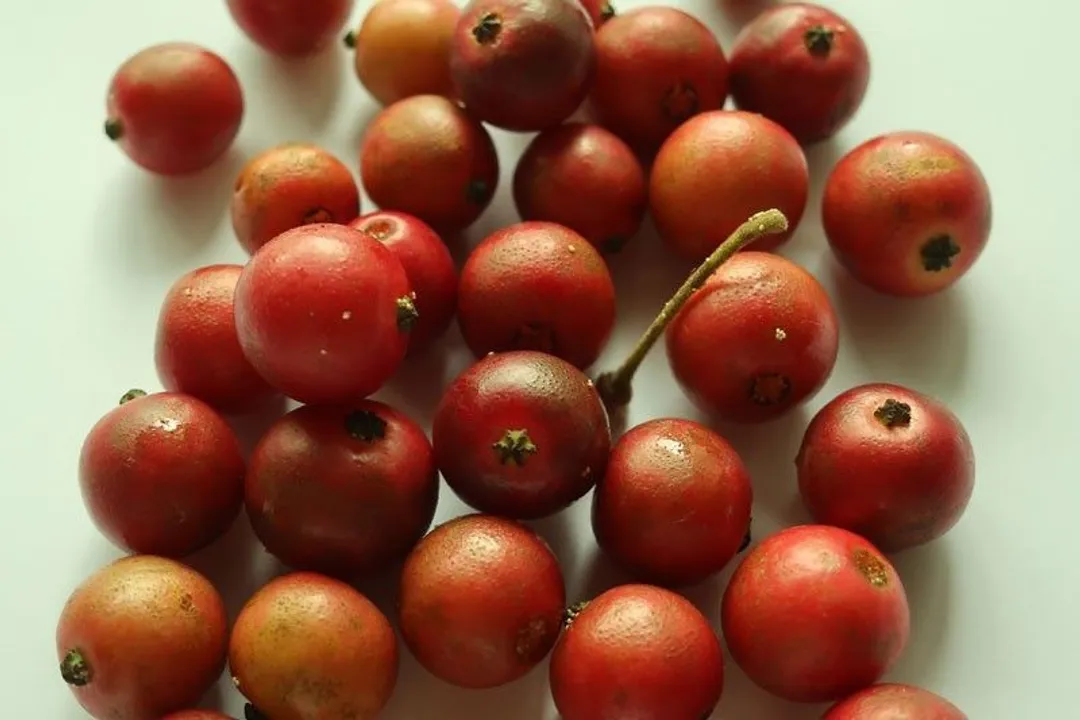
Historically, the Aratiles plant has been much more than just a source of casual fruit; various parts of the tree have been employed in folk medicine for generations. [8] Across different communities, parts of the plant, including the leaves, bark, and fruit, have been prepared in teas or poultices to address a spectrum of ailments. [8] For example, traditional practitioners have utilized the plant to manage pain, treat fever, and address issues related to inflammation. [8] The fruit itself, being easily accessible, often serves as the most straightforward way for people to ingest the plant’s components daily. [1]

# Anti-Inflammatory Properties
One significant area where Aratiles shows promise is in its anti-inflammatory capabilities. Studies suggest that extracts derived from the plant can exhibit properties that help calm excessive inflammation in the body. [8] Inflammation is a fundamental process, but chronic or unchecked inflammation is linked to numerous long-term health issues. [8] By offering a natural source of compounds that may modulate this response, regular, moderate consumption of the fruit or preparations from the leaves could potentially contribute to overall systemic balance. [8] This aligns with its historical use for pain management, which often involves addressing underlying inflammatory responses. [8]
# Sugar Management
For individuals monitoring their blood sugar levels, especially those dealing with Type 2 Diabetes, the fruit presents an interesting subject for dietary integration. [3] Some sources indicate that Aratiles may help in managing blood glucose levels. [3] The idea is that including this fruit might assist in keeping sugar spikes in check when consumed as part of a balanced diet. [3] This doesn't substitute prescribed medication or professional dietary advice, but it does suggest that reaching for a handful of fresh Aratiles instead of highly processed sweets could offer a potentially gentler path for the body’s metabolic system. [3]
If we consider the simple replacement strategy, a ripe Aratiles fruit has a sugar content that, while present, is delivered alongside fiber and other nutrients—a combination far superior to the isolated refined sugars found in commercial candies or sodas that someone might crave mid-afternoon. Integrating a small bowl of these berries into an afternoon snack routine, rather than reaching for a packaged pastry, represents a practical, low-effort nutritional swap that respects the body's need for sweetness without the sharp metabolic shock. [1]
# Women's Health Support
Beyond general wellness, Aratiles has been associated with specific benefits targeting women's reproductive health. [6] It has been noted for its potential role in assisting women experiencing hormonal imbalances. [6] Furthermore, its traditional application extends to supporting reproductive health generally. [6] While specific mechanisms require deeper scientific validation, the traditional belief in its balancing effect on the endocrine system suggests a long history of use in supporting female physiological cycles. [6]
# Antioxidant Activity
Like many brightly colored fruits, Aratiles is recognized for containing beneficial compounds that act as antioxidants. [7] Antioxidants are vital because they help combat oxidative stress in the body, which is caused by unstable molecules called free radicals. [7] This cellular defense mechanism is a key component of maintaining long-term health and preventing cellular damage. [7] While specific antioxidant levels compared to more mainstream fruits like blueberries or pomegranates would require direct comparative analysis, the presence of these protective agents is a strong indicator of its nutritional worth. [7]
# Gastrointestinal Health
The fruit appears to offer support to the digestive system as well. It is often mentioned as being beneficial for stomach aches and general gastrointestinal complaints. [7] The presence of fiber, inherent in whole fruits, naturally aids in regulating bowel movements and promoting a healthy gut environment. [7] Additionally, its consumption may help alleviate minor digestive upsets, making it a gentle food choice for soothing an irritated gut. [7]
# Potential for Anti-Cancer Research
Some research has pointed towards the potential anti-cancer properties of Muntingia calabura. [8] Extracts from the plant have been subject to investigation for their effects on cancer cells. [8] This area remains primarily within the scope of laboratory research, but it underscores the rich pharmacological potential residing within the plant's chemistry. [8]
# Compositional Insights
Diving into the academic perspective, research has cataloged the chemical constituents present in the Aratiles fruit, which provides a basis for its traditional claims. [2] A study focusing on the fruit's extract composition detailed the presence of various organic compounds. [2] For instance, the presence of certain acids and esters contributes to its flavor profile and likely its biological activity. [2] Understanding the specific percentages and types of these chemical markers, as detailed in theses or research papers, moves the discussion from anecdotal use to evidence-based potential. [2]
# Practical Application and Consumption
The ease of consumption is a major factor in why Aratiles has persisted as a traditional food and medicine. The fruit is eaten fresh when it is soft and has turned a deep red or nearly black color. [1] When the fruit softens, the skin becomes very thin, allowing for that satisfying "pop" when you bite into it, releasing the sweet, juicy interior. [1]
For those looking to incorporate it, the method is straightforward:
- Selection: Choose fruits that are fully ripened—they should yield slightly to gentle pressure. [1] Unripe green fruits are generally avoided as they are not as sweet or pleasant. [7]
- Preparation: Wash thoroughly. Because the skin is so thin, they require only a light rinse. [1]
- Consumption: Eat them whole, savoring the texture contrast between the thin skin and the pulpy interior. [1]
When sourcing these fruits, it is valuable to consider the environment in which they grew. Since they are often found growing wild or in home gardens, knowing the local growing practices—for instance, if chemical pesticides are used—is important for ensuring the cleanest possible product. [9]
It is interesting to note that while this fruit is abundant in many tropical locations, its presence in major global supply chains remains relatively minor compared to fruits like mangoes or bananas. [1] This local availability presents a unique opportunity for communities to rely on a readily accessible, nutrient-dense local crop for dietary variety and traditional health support. [9]
# Processing and Further Uses
While fresh consumption is the simplest method, other parts of the Muntingia calabura tree are also processed for remedies. [8] The leaves can be boiled to create a decoction or infusion. [8] Similarly, the bark can be prepared for medicinal teas. [8] Furthermore, the wood of the tree is known to be lightweight, which has led to its use in minor carpentry, though this application is outside the scope of direct health benefits. [5] The diversity in use, from edible fruit to medicinal leaf tea, speaks to the plant's overall utility in traditional settings. [8]
# Comparative Nutritional Value
When assessing the health benefits, it is helpful to compare Aratiles not just to processed snacks, but to other commonly known local fruits. For example, its sugar content might be comparable to a ripe mango, but its traditional reputation centers more on specific anti-inflammatory and blood sugar modulating effects rather than just general caloric intake. [3]
If we look at general nutrient density, the presence of compounds like phenolics and flavonoids, which are common in fruits studied for antioxidant activity, is what drives much of the interest from a modern nutritional science perspective. [2] These compounds are responsible for fighting free radicals and are often the active ingredients sought in health supplements. [7]
# Preparing Teas
For those interested in accessing the benefits traditionally associated with the leaves, preparing a tea is the standard procedure. This typically involves gathering mature leaves, washing them well, and then steeping them in hot water. [8] The resulting liquid is then consumed as a beverage. [8] This method allows for the extraction of water-soluble compounds that may be beneficial for fevers or inflammation. [8]
It's important to approach any traditional remedy with a modern context. While the sources indicate uses for various conditions, including pain and fever, anyone experiencing persistent symptoms should always seek confirmation and treatment from a qualified healthcare provider. [3][8] The role of Aratiles, based on current literature and historical use, appears to be best suited as a supportive dietary addition rather than a standalone pharmaceutical treatment. [3]
# Summary of Recognized Benefits
To consolidate the areas where Aratiles is commonly cited for its positive effects, we can group them for clarity:
- Metabolic Support: Assisting in the management of blood glucose levels. [3]
- Inflammation Control: Possessing anti-inflammatory properties helpful for discomfort. [8]
- Cellular Protection: Offering antioxidant compounds to fight oxidative stress. [7]
- Digestive Aid: Soothing stomach complaints and promoting regularity. [7]
- Hormonal Balance: Traditionally used to support women experiencing hormonal irregularity. [6]
This range of reported uses across different systems—metabolic, inflammatory, and reproductive—highlights why Muntingia calabura holds a significant place in ethnobotany. [6][8] It showcases a plant that is versatile in its application, with different parts targeting different needs. [8]
# Growing Environment Context
Considering the context of where this fruit is cultivated is also part of understanding its quality. Because Aratiles trees can thrive even in less-than-ideal, disturbed urban soil, their resilience is high. [9] This means they are often found growing readily without intensive agricultural input. [9] This ease of growth could make them an excellent candidate for small-scale community food security projects, providing a reliable, low-input source of fresh produce rich in antioxidants and known traditional benefits. [1] This resilience is a quiet strength of the plant that often goes unmentioned when focusing only on the fruit's chemical makeup. [2]
The sweet, juicy, cherry-sized fruit is an accessible way for people to engage with natural health practices, requiring no complex processing—just a walk to a nearby tree and a quick rinse. [1] This natural immediacy is a powerful argument for its continued appreciation in local food systems. [7]
# Research Avenues
The research abstracts suggest that moving forward, more targeted studies are needed to isolate the specific active compounds responsible for the reported effects, such as the antidiabetic or anti-cancer potential. [2][8] While the traditional knowledge is valuable—often pointing science in the right direction—quantifying efficacy requires controlled laboratory environments. [2] The fact that theses exist focusing on the extraction and analysis of its components confirms that the scientific community recognizes the need to validate these traditional claims through modern chemical analysis. [2]
In summary, the Aratiles fruit is a small powerhouse available in many tropical climates. From its sweet, satisfying texture when eaten fresh to its documented historical roles in managing inflammation and supporting metabolic balance, it represents a highly accessible piece of natural wellness. [1][3][7] By respecting its traditional uses while appreciating the initial scientific groundwork being laid, we can better understand and incorporate this fascinating fruit into our daily lives. [8]
#Videos
The Aratilis Fruit Trees and Its Top Health Benefits - YouTube
Related Questions
#Citations
Popping treats: The many benefits of medicinal fruit Aratiles
"Evaluating the health benefits of Muntingia calabura L. (aratiles) on ...
Aratiles Fruit Medicinal Uses: Can It Improve Diabetes?
saresa;sarisa Aratiles (Muntingia calabura) is a tropical fruit
The Aratilis Fruit Trees and Its Top Health Benefits - YouTube
Amazing Health Benefits of Aratiles or Kerson Fruit - Purple Plum Fairy
Aratiles / Muntingia calabura Linn / Cherry tree - StuartXchange