What exactly are antinutrients?
The term "antinutrient" often conjures images of hidden dangers lurking in otherwise healthy foods like beans, nuts, and whole grains. For many people, this label implies that these foundational dietary staples are actively working against the body, blocking the very vitamins and minerals we seek from them. [2][9] Yet, the reality is far more nuanced than this simple designation suggests. Antinutrients are natural compounds found primarily in plant-based foods, and while they can interfere with nutrient absorption under certain circumstances, they also serve important biological roles for the plants themselves. [2][9] Understanding what they are, which foods contain them, and how to manage their presence can transform what might seem like a dietary hurdle into a simple matter of food preparation. [6]
# Plant Defense
Antinutrients exist for a reason: they are the plant's sophisticated chemical defense system. [5] These compounds have evolved to protect seeds, grains, legumes, and tubers from pests, bacteria, and premature germination when conditions aren't right for growth. [9] Essentially, they function as a natural way for the plant to ensure its survival until it is ready to propagate. [5] This defense mechanism sometimes translates into reduced digestibility or impaired absorption of certain minerals for humans when these foods are consumed raw or improperly prepared. [2]
# Chemical Identity
Chemically speaking, antinutrients are a diverse group of substances, not a single category of chemical. [2] They include various organic molecules, such as phytates, saponins, tannins, and lectins, among others. [1][2][4] Because they don't all work the same way or interact with the body in identical manners, lumping them all under one umbrella term, "antinutrient," sometimes oversimplifies their overall impact on nutrition. [5] For instance, a compound that primarily chelates iron will have a different effect than one that damages the intestinal lining. [2]
# Major Types
To appreciate their function, it helps to look at the major players in the antinutrient world:
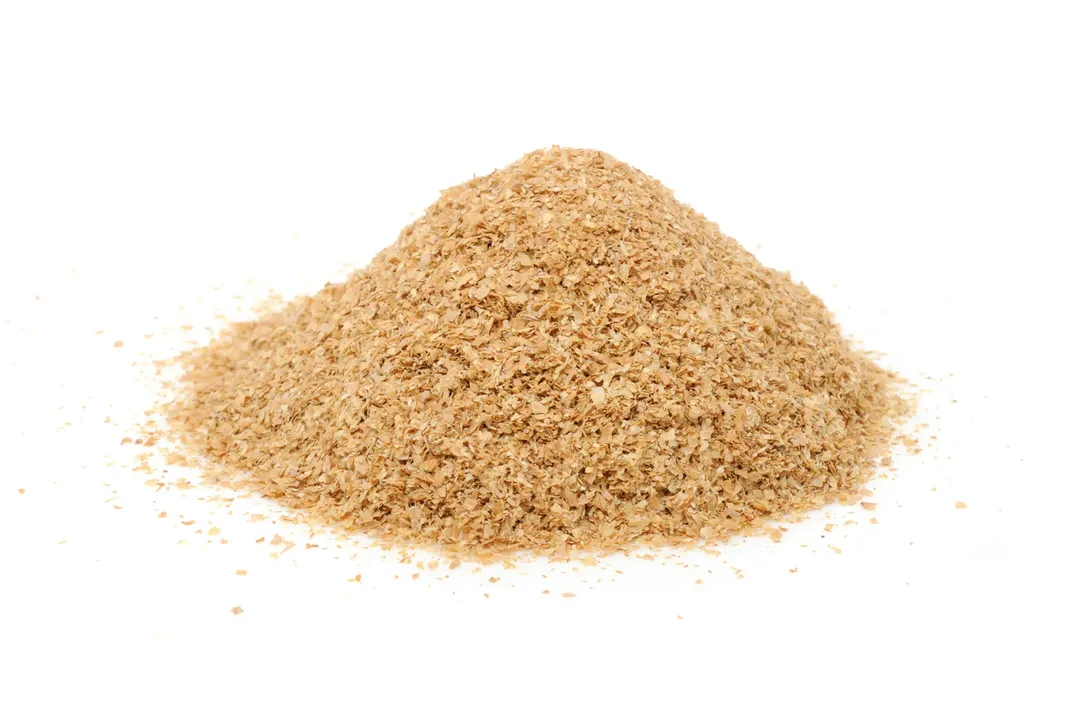
- Phytic Acid (Phytates): Perhaps the most well-known, phytic acid is the main storage form of phosphorus in many plant foods, particularly in the outer layers of grains, seeds, and legumes. [3][4] While phosphorus is an essential mineral, phytates strongly bind to essential minerals like iron, zinc, and calcium in the digestive tract, making them unavailable for absorption. [1][3][4]
- Lectins: These are a group of proteins that can bind to carbohydrates. [2] Certain lectins, such as phytohemagglutinin found in raw kidney beans, are notorious because they can bind to the walls of the digestive tract. In high concentrations, they can interfere with nutrient absorption and, critically, cause digestive distress or toxicity. [2]
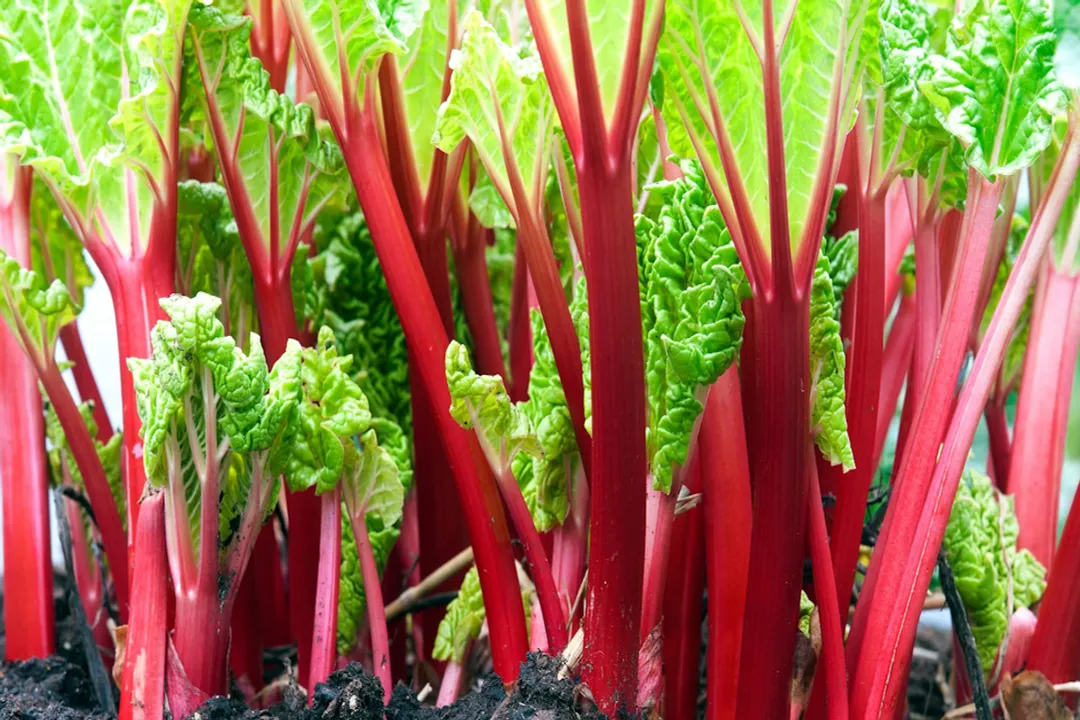
- Oxalates (Oxalic Acid): Oxalates are naturally found in high concentrations in dark leafy greens like spinach and rhubarb. [4] Their primary concern is their ability to bind with calcium, reducing the body's ability to absorb that calcium. [3] For most healthy individuals eating a varied diet, this is rarely a concern, but for those prone to kidney stones (specifically calcium oxalate stones), intake might need monitoring. [4]
- Tannins: Found in tea, coffee, cocoa, and some fruits like grapes and berries, tannins are polyphenols known for causing the dry, astringent feeling in your mouth. [2][4] They can inhibit the absorption of iron, although the clinical significance is often debated, especially when considering the other health benefits of polyphenol-rich foods. [4]
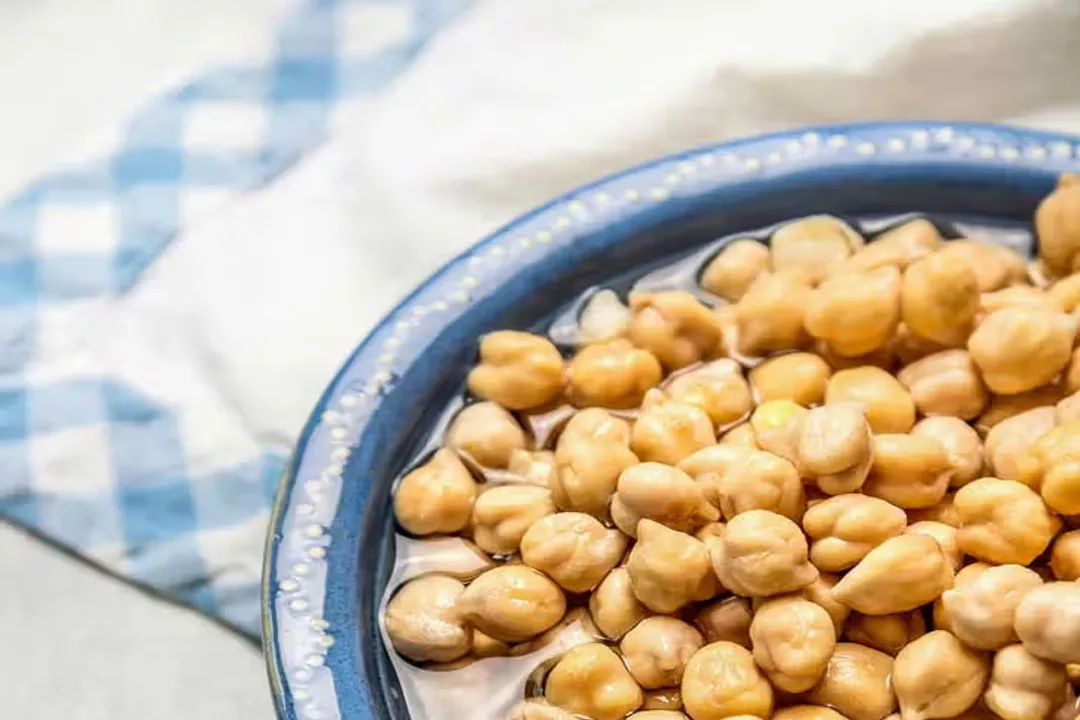
- Saponins: These compounds give certain foods, like quinoa and chickpeas, a soapy foam when mixed with water. [2] Saponins are known to reduce the absorption of cholesterol and can sometimes impact the absorption of certain micronutrients. [2]
# Interference Mechanisms
The central issue with antinutrients, from a purely nutritional perspective, is their capacity to reduce the bioavailability of beneficial compounds. [3] Bioavailability refers to the proportion of a nutrient that is actually absorbed and utilized by the body. [3]
Antinutrients reduce this availability through a few key mechanisms:
- Chelation/Binding: This is the primary action of phytates and oxalates. They act like microscopic magnets, binding essential minerals—zinc, iron, calcium, and magnesium—into complexes that are too large or stable to be broken down by digestive enzymes and absorbed by the gut lining. [3][4]
- Enzyme Inhibition: Some compounds, like tannins, can inhibit digestive enzymes necessary for breaking down proteins and starches. [2]
- Gut Wall Damage: As mentioned with certain lectins, some antinutrients can physically interact with the intestinal lining, potentially increasing gut permeability or interfering with the absorption machinery itself. [2]
It's helpful to visualize this interaction. Imagine your body is a water filter trying to catch mineral beads (nutrients). Phytic acid is like sticky putty you've added to the water; the mineral beads stick to the putty and pass right through the filter unused. [3]
# Contextualizing Risk
This is where the narrative around antinutrients often becomes polarized. While it is factually correct that these compounds can reduce nutrient absorption, the actual impact on a generally healthy person eating a varied diet is frequently overstated. [5][6] If someone subsists almost entirely on unsoaked, unsprouted whole grains and legumes, they might face genuine deficiencies over time. [5] However, for the average consumer, the equation is rarely that simple.
Consider the concept of mineral competition. If you consume a meal rich in phytic acid (say, a large bowl of unprocessed oats) alongside a primary source of non-heme iron (like spinach), the phytic acid will bind some of that iron. [4] But what if the meal also includes a splash of lemon juice (Vitamin C)? Vitamin C is a powerful enhancer of non-heme iron absorption, often overcoming the mild inhibitory effects of moderate levels of phytates present in the food. [3]
One analytical point to consider is the "dose makes the poison" principle, applied here to nutrition. While phytates in a raw, unprocessed seed are high, the typical Western diet might feature processed grains (where the bran/germ containing the most phytate is removed) or foods prepared using traditional methods that deactivate these compounds. Relying on a single food source, prepared raw, presents the highest risk, not a balanced plate featuring legumes alongside vegetables and fruits. [5]
Furthermore, some compounds classified as antinutrients offer significant health benefits that must be weighed against their potential downside. Tannins and other polyphenols, which are structurally related to tannins, are powerful antioxidants linked to lower risks of cardiovascular disease and certain cancers. [4] Discounting all foods high in these compounds due to their "antinutrient" label would mean missing out on substantial protective health factors. [5] The perspective of food science correctly points out that for many traditional foods, the benefits derived from the food outweigh the potential nutrient interference, especially once preparation methods are accounted for. [9]
# Preparation Methods
Fortunately, humans have developed food preparation techniques over millennia specifically to mitigate the effects of these natural compounds. [5] Cooking, soaking, and fermenting are not just about making food palatable; they are crucial steps in unlocking the inherent nutrition of plant-based staples.
# Soaking and Sprouting
Soaking dried beans, grains, and seeds before cooking is a fundamental step that directly addresses phytates and lectins. [8]
- Soaking: Simply soaking legumes or grains in water for several hours (often overnight) begins the process of leaching out water-soluble compounds like phytates and detoxifying lectins. [8] Discarding the soaking water removes a significant portion of these compounds. [8]
- Sprouting (Germination): This is an even more active process. When a seed begins to sprout, it starts breaking down its own defense mechanisms (like phytic acid) to mobilize stored nutrients for the new seedling. [5] Sprouting grains, legumes, and seeds can dramatically reduce phytate levels and increase the bioavailability of minerals like iron and zinc. [8]
# Heat Treatment
Heat is a highly effective tool against specific classes of antinutrients:
- Lectins: Heat is essential for destroying harmful lectins. For instance, raw or undercooked kidney beans contain so much of the lectin phytohemagglutinin that they can cause severe illness; boiling them vigorously for at least 10 minutes deactivates the toxin completely. [2][8]
- Saponins: Boiling and rinsing can significantly reduce saponin content, which is why rinsing quinoa before cooking is often recommended. [2]
# Fermentation
Fermentation, the process used to make sourdough bread or tempeh, relies on beneficial microbes. These microbes produce phytase, an enzyme that breaks down phytic acid. [5] This is why sourdough bread, made through long fermentation, generally has significantly less phytic acid than bread made with commercial fast-acting yeast. [5] Similarly, fermenting soybeans to create tempeh drastically reduces the phytic acid content compared to eating plain soybeans. [5]
To illustrate the impact of proper preparation, consider a general guideline for reducing antinutrients in common staples:
| Preparation Method | Food Example | Targeted Antinutrient(s) | Reduction Effect |
|---|---|---|---|
| Soaking | Dry Beans | Phytates, Lectins | Moderate to High |
| Boiling (High Heat) | Kidney Beans | Lectins | Complete Inactivation |
| Sprouting/Germinating | Grains, Seeds | Phytates | Substantial |
| Fermentation | Grains (Sourdough) | Phytates | High |
| Peeling/Polishing | Rice, Nuts | Phytates (Concentrated in bran/hull) | Varies, but significant for some |
Here is an actionable checklist for incorporating these techniques regularly. Think of this as shifting from simply eating plants to preparing them optimally:
- The Overnight Soak: Always soak dried legumes (lentils, chickpeas, beans) for 8-12 hours, discarding the water before cooking. For grains like oats or rice, a 4-hour soak can be beneficial.
- Rinse Foam: When cooking quinoa or certain pulses, note the initial foamy water; rinse thoroughly until the water runs clear, removing surface saponins.
- Don't Skimp on Heat: Ensure beans are cooked until truly soft, especially kidney beans, which require a full, hard boil to neutralize toxins.
- Embrace Fermentation: Opt for traditionally made sourdough bread over quick-rise white bread, knowing the long fermentation time is actively improving mineral availability.
# Balancing the Diet
The perspective we adopt matters profoundly. If one views food only through the lens of potential deficiencies, nearly every plant-based food could be flagged. [5] A more practical, evidence-based approach—one rooted in long-term dietary patterns—suggests that antinutrients are generally not a problem for most people. [6]
The Harvard T.H. Chan School of Public Health notes that for people eating varied diets rich in fruits, vegetables, whole grains, and nuts, the small reductions in mineral absorption caused by antinutrients are generally not significant enough to cause a deficiency. [3] The body often has built-in compensation mechanisms. For example, if phytates mildly reduce iron absorption from one meal, the next meal might contain a high-bioavailability source of iron, or the body might upregulate its absorption efficiency overall in response to lower intake. [5]
A key difference to observe is between non-heme iron (from plants) and heme iron (from animal sources). Heme iron absorption is far less affected by compounds like phytates and oxalates than non-heme iron is. [4] Therefore, for individuals who consume moderate amounts of meat, the impact of antinutrients in their accompanying vegetable or grain side dish is often negligible in the grand scheme of their total mineral intake.
In essence, antinutrients are a testament to the complexity of natural food systems. They are not villains to be feared but chemical components to be respected and managed through simple culinary science, ensuring that the plant's defensive structures become our dietary assets. [5]
#Videos
What to know about 'anti-nutrients' | Ohio State Medical Center
Related Questions
#Citations
Is There Such a Thing as “Anti-Nutrients”? A Narrative Review of ...
Antinutrient - Wikipedia
Are Anti-Nutrients Harmful? - The Nutrition Source
What Are Antinutrients? Overview and Safety - GoodRx
Are Antinutrients Real? Impacts on Health - Gaples Institute
What Are Antinutrients & Are They Harmful? | ZOE
What to know about 'anti-nutrients' | Ohio State Medical Center
How to Reduce Antinutrients in Foods - Healthline
What Are Antinutrients? - FoodUnfolded