Do blueberries have antinutrients?
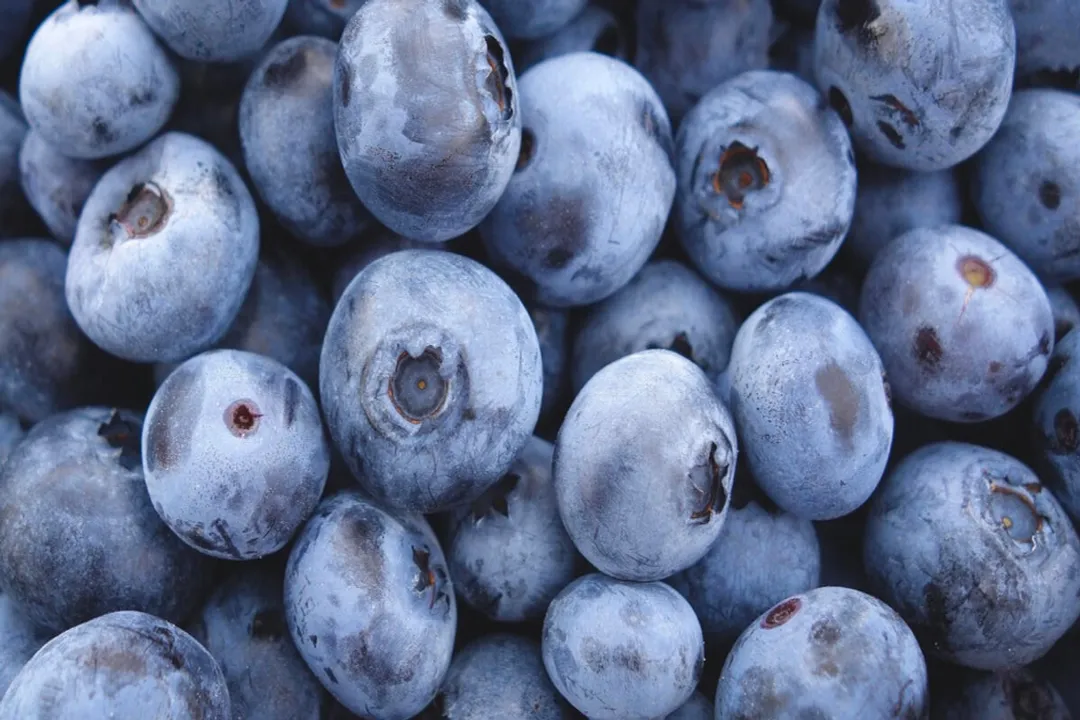
Blueberries frequently top the lists of foods consumers are encouraged to eat more of, celebrated for their deep coloration that signifies a wealth of beneficial compounds. Yet, any time a food is hailed as exceptional, a parallel question often arises: what are the potential downsides? Among health-conscious eaters, this often leads to inquiries about naturally occurring compounds like antinutrients. It is worthwhile to look closely at what these compounds are, whether they apply to blueberries, and what the scientific literature actually suggests about incorporating these vibrant fruits into a regular diet.
# Understanding Antinutrients

To address the specific case of blueberries, it’s necessary first to define the broader category of compounds often grouped as "antinutrients." These are natural or synthetic compounds found in foods, particularly plants, that can interfere with the absorption of essential nutrients. Generally speaking, they are protective chemicals developed by the plant for its own defense.
Several common types are frequently discussed. For instance, phytates (phytic acid) can bind to minerals like iron, zinc, and calcium, reducing their bioavailability. Oxalates are another group that can bind to minerals, sometimes contributing to kidney stone formation in susceptible individuals. Lectins are proteins that can potentially interfere with nutrient absorption or affect gut lining integrity, though they are often deactivated by proper cooking. It is important to remember that many traditionally healthy foods, including legumes, seeds, nuts, and whole grains, contain varying levels of these compounds. The presence of an antinutrient does not automatically make a food "bad," as processing methods or the overall dietary context often mitigates their effects.
# Blueberries Health Credentials
When we shift focus to blueberries themselves, the overwhelming scientific narrative centers on their extremely positive impact, driven primarily by their high content of polyphenols. These compounds, which give blueberries their blue and purple hues, are powerful antioxidants known for their anti-inflammatory properties. Research indicates that these compounds offer significant advantages for cardiovascular health, potentially including improved blood vessel function and reduced oxidative stress.
The body of research supporting the health benefits of berries is substantial. For example, studies have shown that consuming berries can lead to acute improvements in endothelial function, which is key to heart health. Furthermore, the polyphenols found in berries possess strong anti-inflammatory characteristics. This powerful antioxidant and anti-inflammatory capacity is what generally positions blueberries as a highly desirable component of a balanced diet. Given this strong positive profile, any concern about antinutrients must be weighed against these well-documented benefits.
# Searching for Specific Risks
Directly searching the scientific literature for the presence of classic antinutrients—like high levels of phytates or oxalates—specifically within blueberries reveals less discussion than one might expect. While many plant-based foods contain some level of compounds that could technically be classified as antinutrients, blueberries do not stand out in the general literature as being particularly high in the commonly cited problematic substances.
In fact, for many consumers, the benefit-to-risk ratio heavily favors consumption. If we compare the potential, often minor, effect of antinutrients in small servings of fruit against the known potent effects of the bioactive compounds, the latter dominates the conversation.
One interesting point that surfaces is not a classic antinutrient issue but a potential compound interaction. In one observation, the compounds found in blueberries were shown to have an effect on the body's processing of probiotics from yogurt, potentially blocking some of the benefits associated with the yogurt’s bacteria. This is a specific biochemical interaction, rather than a general impairment of mineral absorption from the blueberry itself, but it suggests that how and when you consume blueberries alongside other foods matters for maximizing the benefits of the entire meal.
Here is a brief summary comparing the focus areas:
| Component Type | Primary Effect/Focus in Literature | Relevance to Blueberries |
|---|---|---|
| Polyphenols | Antioxidant, Anti-inflammatory, Cardiovascular benefit | High; Primary known benefit |
| Phytates/Oxalates | Mineral absorption inhibition | Low; Not highlighted as a major issue |
| Probiotic Interaction | Blocking yogurt-derived benefits | Specific interaction context |
# Contextualizing Intake
When examining lists of fruits and vegetables based on nutrient density or low levels of concerning compounds, blueberries often fare well, especially when compared to other fruit categories. For instance, in discussions about lower-carbohydrate fruit choices, while many focus on the sugar content, the overall impact of the fruit is what matters. Blueberries are typically viewed as a moderate choice regarding carbohydrate load, and their nutritional contribution is significant enough to warrant inclusion in many dietary patterns.
It is worth pausing to consider the sheer quantity of beneficial material versus the theoretical risk. If a single serving of blueberries supplies a meaningful dose of health-promoting polyphenols, the small amount of any accompanying compounds that might slightly reduce the absorption of, say, non-heme iron from a separate food source, is often negligible in the context of a varied, well-balanced diet. The immediate effect of the bioactive components appears to be far more impactful on systemic health markers than the slight interference from trace compounds.
If you are preparing a meal where optimizing mineral absorption from all components is the absolute highest priority—for instance, for someone with a diagnosed specific mineral deficiency—you might simply separate the timing of the blueberry consumption from the richest sources of that specific mineral. However, for the average person seeking general health improvements, the standard practice of enjoying them mixed into morning oatmeal or as a snack remains sound advice.

# Processing and Preparation Considerations
The way we consume food inherently changes its composition. For foods known to contain antinutrients, cooking, soaking, or sprouting are common recommendations to reduce their impact. Blueberries, however, are almost exclusively consumed raw, or perhaps lightly cooked in baking where temperatures are relatively high but exposure time is limited.
Since blueberries are not typically subjected to the long soaking or sprouting processes that effectively reduce phytates in grains or legumes, their consumption is in their raw state. This means that if there are any trace levels of inhibitory compounds, they remain present. However, as mentioned, the chemical structures responsible for the health benefits—the polyphenols—are also often consumed in their raw state, preserving their activity. The key takeaway here is that unlike some other foods, blueberries are generally not subjected to preparation methods that reduce their beneficial compounds, which supports their overall positive profile.
# General Dietary Perspective
The conversation around antinutrients often benefits from stepping back to a broader perspective. Focusing excessively on eliminating every trace of every potential antinutrient can lead to restrictive eating patterns that unnecessarily eliminate highly nutritious foods. Blueberries are a prime example of a food where the nutritional density—the concentration of vitamins, minerals, and health-promoting phytochemicals—far outweighs theoretical concerns over minor binding agents.
It is also important to note that our bodies have evolved alongside the foods we eat. Mechanisms exist to handle these compounds, and digestive adaptation can occur with consistent intake of a diverse diet. Viewing blueberries in isolation risks missing the forest for the trees. They are best appreciated as part of an eating pattern rich in a variety of fruits and vegetables, ensuring that nutrient absorption pathways are rarely, if ever, stressed by a prolonged lack of any single essential mineral.
Ultimately, the evidence strongly suggests that while the term "antinutrient" applies broadly to many plant foods, blueberries are overwhelmingly recognized for the powerful positive effects delivered by their polyphenols and antioxidants. Concerns regarding their consumption are typically marginal compared to the clear health advantages they offer, making them a beneficial staple for most people.
Related Questions
#Citations
Blueberries: Why Blue and Purple Foods Might Save Your Life
Recent Research on the Health Benefits of Blueberries and Their ...
Antinutrients in Plant-based Foods: A Review
A Holistic Approach To Anti-Nutrients - Conscious Movements
BERRY BENEFITS Berries are packed with polyphenols ... - Facebook
What are the least offensive fruits/ vegetables for toxins and anti ...
Beneficial attributes and adverse effects of major plant-based foods ...
Blueberry Blocking Effects of Yogurt - NutritionFacts.org
The Fit Woman's Guide to Anti-Nutrients