What exactly is a sprout?
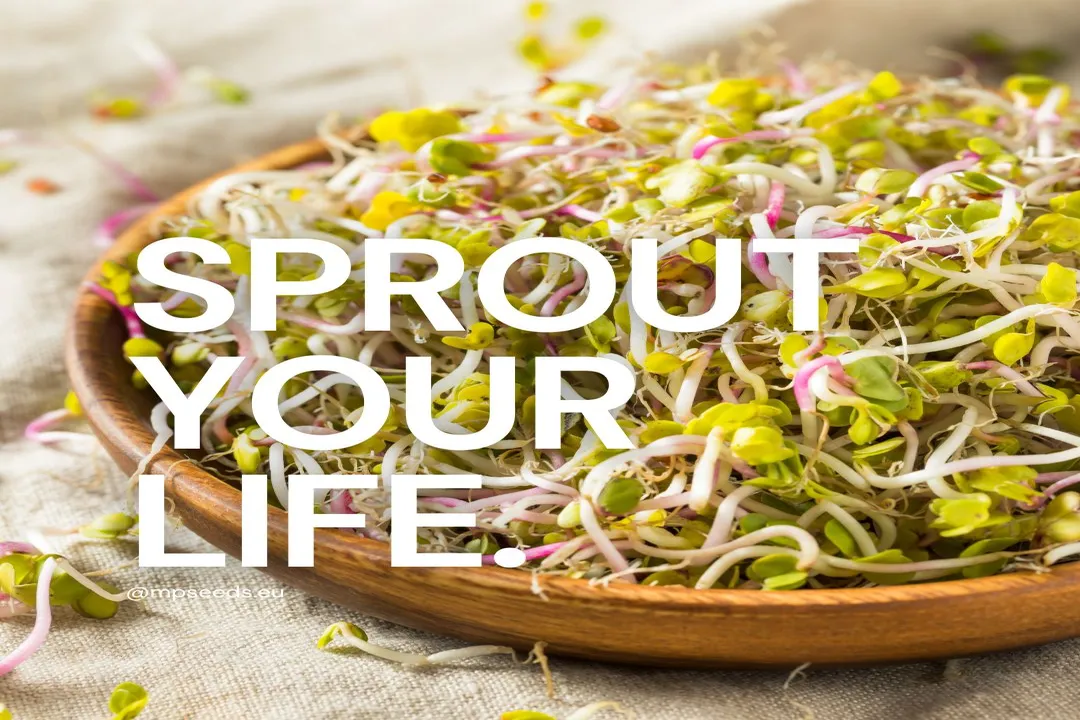
The term "sprout" often conjures images of small, edible seedlings used in salads or sandwiches, but its definition is broader, encompassing a specific stage in the life cycle of a plant, whether used culinarily or discussed biologically. To sprout, in its simplest form, means to begin to grow, especially from a seed. [1][6] It describes the initial emergence of a plant, often signaled by the rupture of the seed coat. [3] In the context of food, sprouts are seeds that have been allowed to germinate under moist conditions, typically for a short period, before the plant fully develops its leaves. [5][9]
# Seed Life
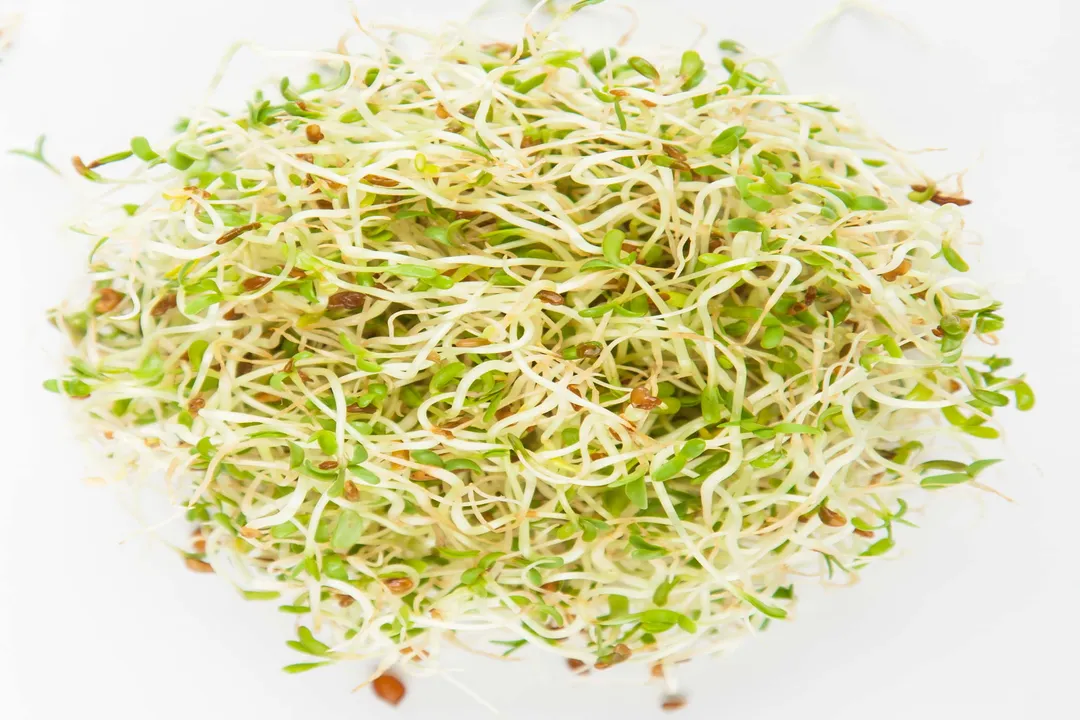
Historically, the word carried a more general connotation relating to growth. Webster's 1828 dictionary defines a sprout as "a young shoot of a plant; a shoot or bud," and as a verb, it means "to shoot up; to grow," particularly referring to a shoot growing from a seed or root. [4] Modern definitions maintain this core idea of initiation of growth. A sprout is commonly understood as the young shoot that emerges from a germinated seed. [1][8] In some botanical contexts, the word can refer to a shoot or bud arising from a tuber or root, or even a young, undeveloped shoot of a plant generally. [4]
When a seed begins this process, it awakens from dormancy. This transformation is triggered by providing the right environment: moisture, warmth, and often darkness or low light, depending on the desired outcome. [3] This early stage is characterized by rapid cell division and the emergence of the radicle (the embryonic root) and the plumule (the embryonic shoot). [3] The key distinction in the culinary sense is that the entire germinated seed, including the root, stem, and sometimes the first cotyledon leaves, is consumed. [5]
# The Act
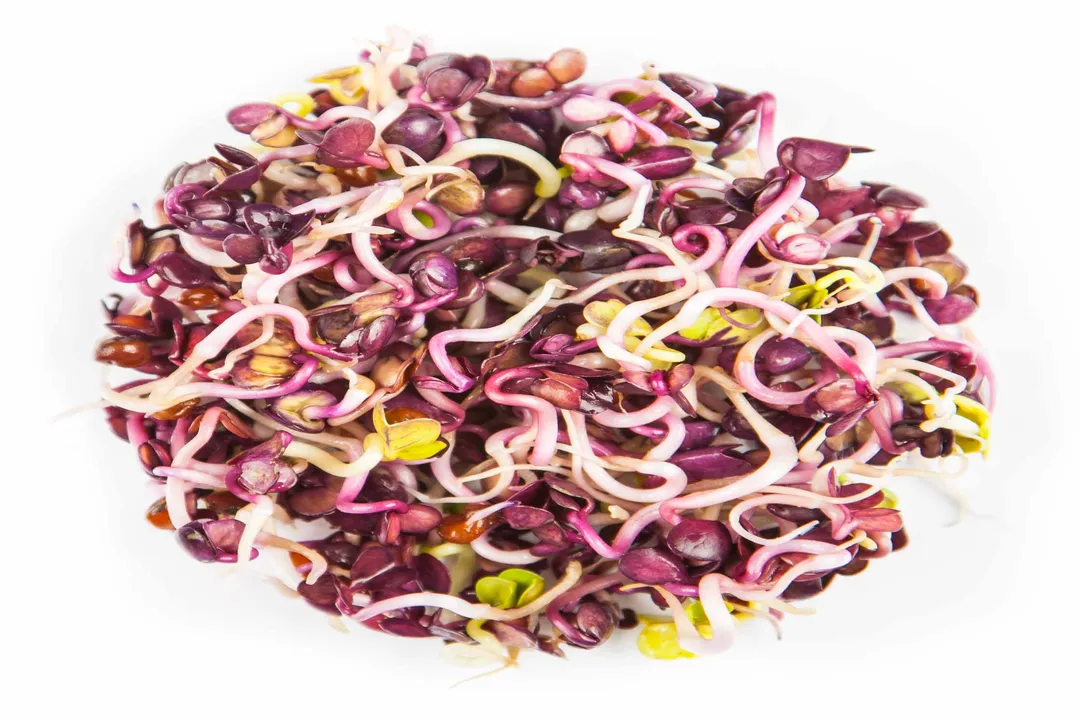
The act of sprouting, or sprouting, is essentially controlled germination. [3] It is an active process where the seed is deliberately encouraged to sprout for consumption. [2] This is distinct from letting a seed mature fully into a plant. For instance, when you look at sprouting activities people discuss online, they are generally focused on eating the product while it is still in this initial, highly concentrated growth phase. [7]
The process involves soaking the seeds first to hydrate them, followed by draining and rinsing them regularly to keep them moist but not waterlogged, which prevents mold and spoilage. [2][5] This regular rinsing is vital; if the seeds are left soaking too long without fresh water, they can drown or rot. [5] The goal is to mimic the perfect, gentle start to life in a controlled setting, typically at room temperature. [2]
# Distinctions Made
One area where clarity is often needed is distinguishing sprouts from other young edible plants, most notably microgreens. [9] While both are young harvests, their cultivation methods and stages of maturity differ significantly, leading to variations in texture, flavor, and nutrient profile. [5]
The crucial differentiator for a sprout, as opposed to a microgreen or a seedling, is its development stage and how it is grown. Sprouts are typically grown in water and harvested just as the root, stem, and first small leaves appear, often consumed whole (seed, root, stem, and seed leaves). [5] They are generally grown in a jar or tray with minimal or no soil/growing medium. [9]
In contrast, microgreens are allowed to grow longer, usually for one to three weeks, until the first set of true leaves develops after the cotyledons. [9] Microgreens are grown in a thin layer of soil or a soil-like medium and are harvested by cutting the stem above the soil line, leaving the root system behind. [9] Think of it this way: a sprout is the entire germinated seed consumed; a microgreen is a baby vegetable harvested after it has had its first few genuine leaves appear. [5]
| Feature | Sprout | Microgreen |
|---|---|---|
| Growth Medium | Water/Rinsing | Soil or soil substitute |
| Harvest Timing | Very early stage (root/stem emergence) | Later stage (first true leaves present) |
| Part Eaten | Entire plant (seed, root, stem, cotyledons) | Stem and leaves (roots left behind) |
| Typical Use | Eaten raw, crunchy addition | Added to dishes, usually raw |
It is interesting to note how regional or personal definitions can sometimes blur these lines. For example, when discussing what people include in their home sprouting routines, some might unintentionally be growing microgreens but referring to them as sprouts simply because they started them from a seed indoors. [7] Clarity here helps consumers know exactly what stage of nutritional development they are consuming.
# Culinary Application
Sprouts are valued not just for their delicate texture, but also for their concentration of early-stage nutrients. Because they are consumed so early in their life, they retain much of the seed's potential energy and initial vitamin content. [2] They provide a fresh, often slightly nutty or peppery flavor depending on the seed variety—like alfalfa, mung bean, or lentil. [5]
When preparing sprouts for eating, eating them raw is the standard approach to retain their delicate structure and nutritional integrity. [2] They add a vibrant, living crunch to sandwiches, wraps, and salads. [2] If one chooses to cook them, it should be done very briefly, perhaps a quick steam or stir-fry, to avoid wilting them entirely or diminishing the very qualities that make them appealing. [2]
A practical consideration for anyone starting to sprout at home is managing the volume. A small amount of dry seed yields a surprisingly large volume of sprouts after soaking and growing, often expanding to ten or twenty times its original size. [5] This expansion rate is something to keep in mind when buying seeds; a quarter cup of dry seeds can easily produce enough sprouts for several days of meals for one person, so one should plan consumption or storage accordingly.
# Variations in Germination
While the core principle remains consistent—seed coat rupture leading to initial growth—the methods can vary depending on what is being grown. Different seeds require slightly different soaking times before they are ready for the rinsing/draining cycle. [5] For example, larger seeds might need a longer initial soak than tiny seeds like alfalfa. [5]
Furthermore, the requirement for light changes as the sprout develops. Many common sprouts, like bean sprouts, can be kept in near-darkness throughout their short growth cycle to keep them pale and tender. [3] However, if you let the sprout develop longer to capture certain vitamins that develop with chlorophyll production, a brief exposure to light might be intentionally introduced later in the growth cycle, moving it closer to the microgreen stage, though this is less common for traditional "sprouts". [9] The intention dictates the duration and environment. [3]
The choice of seed also dictates the outcome in terms of texture and safety protocols. Legumes, grains, and seeds are all viable starting points, but each presents unique challenges regarding moisture management and rinsing frequency to ensure quality and safety. [5] The fact that these are essentially raw, living organisms means that attention to hygiene during the growing phase is paramount for safe consumption. [2]
# Beyond the Dictionary
Looking at the language surrounding growth, the verb "sprout" can also be used figuratively. Beyond biology, it can describe the sudden appearance or inception of something new, like an idea or a feeling. [1][6] This metaphorical use underscores the common human understanding of a sprout as a symbol of new beginnings and potential realized. [4] When you see a tiny seedling emerging, you are witnessing the initial unfolding of a complete organism, which is why they hold such appeal in food culture—they represent raw, concentrated life force. [2]
This raw, living quality is what many enthusiasts value most highly. [7] It moves the item beyond being mere foodstuff and into the realm of fresh, whole sustenance. Whether one uses a dedicated sprouting kit or simple kitchen equipment like a jar covered with cheesecloth, the outcome is a concentrated burst of germinated seed ready for immediate incorporation into the diet. [2] The accessibility of sprouting is high; it requires minimal equipment and minimal time investment compared to traditional gardening, making it an easy entry point into growing one's own food. [5]
Related Questions
#Citations
SPROUT Definition & Meaning - Merriam-Webster
What is a sprout and how do you cultivate sprouts yourself?
Sprouting - Wikipedia
Sprout - Webster's 1828 Dictionary
What Are Sprouts: A Comprehensive Guide for Urban Farming ...
SPROUT | definition in the Cambridge English Dictionary
Do you sprout? : r/PlantBasedDiet - Reddit
SPROUT Definition & Meaning - Dictionary.com
What are sprouts? Cultivation, varieties & health benefits