Health Benefits of Yuzu
The discovery of yuzu presents a fascinating intersection of ancient tradition and modern culinary intrigue. This unique citrus fruit, smaller than a grapefruit and distinguished by its bumpy, yellowish-orange rind, has been a staple in East Asian kitchens, particularly in Japan and Korea, for centuries. While its exact birthplace is subject to scholarly debate—some trace its roots to China, others to Korea—its Ichang papeda and sour mandarin parentage gives it a hardiness that allows cultivation in colder climates where other citrus trees struggle. When you slice into a yuzu, you are immediately met with an intensely tart, sour flavor profile interwoven with floral notes, often described as a complex blend of lemon, grapefruit, and mandarin orange.
# Citrus Origin

The very structure of the yuzu fruit dictates its primary use. Unlike an orange, yuzu is rarely consumed fresh, pulp and all, mainly due to its pronounced acidity. Instead, the value lies in its highly aromatic zest and its potent, tangy juice. This aroma is so distinct that yuzu essential oil is frequently incorporated into perfumes and various beauty products. Culturally, especially in Japan, the fruit transcends the kitchen; soaking whole yuzu in hot water during the winter solstice—a tradition known as yuzuyu—is practiced to encourage circulation and ward off winter ailments. For those outside Asia, particularly in the United States, obtaining fresh fruit can be a challenge, as imports are often banned over disease concerns, leading to high prices for domestically grown specimens. This scarcity means that for many, yuzu is first encountered not as a whole fruit, but as a sophisticated flavoring agent or extract.
# Nutrient Profile

As expected from a member of the citrus family, yuzu is nutritionally dense, offering significant benefits packed into a relatively low-calorie profile. A 100-gram serving provides a wealth of essential micronutrients, with Vitamin C being a major highlight. This vital nutrient is indispensable for supporting the body's defenses and plays a key role in collagen synthesis. Beyond Vitamin C, yuzu contributes meaningful amounts of Vitamin A, B vitamins like B5 and B6, and minerals such as magnesium, manganese, and potassium. Furthermore, the fruit contains dietary fiber, which contributes to digestive health by promoting satiety and aiding in the moderation of sugar absorption into the bloodstream.
| Nutrient (per 100g Yuzu Juice) | Approximate Value | Primary Role Mentioned |
|---|---|---|
| Calories | 67 | Energy (Low overall) |
| Vitamin C | 100 mg (approx. 111% DV) | Antioxidant, Immune Support |
| Total Carbohydrates | 20 g | Energy Source |
| Fiber | Varies (approx. 2.4 g in whole fruit) | Digestive Aid |
| Iron | 1.2 mg (approx. 7% DV) | Oxygen Transport |
| Flavonoids/Limonoids | Present | Antioxidant Activity |
This fruit is also a carrier of numerous beneficial plant compounds, including flavonoids, carotenoids, and limonoids. These compounds are where much of yuzu's functional reputation is built, extending its health profile well beyond simple vitamin content.

# Free Radical Fight

The high concentration of antioxidants within yuzu is a significant factor in its potential long-term health advantages. Antioxidants function by neutralizing free radicals—unstable molecules that, when in excess, cause oxidative stress and cellular damage. This ongoing damage is implicated in the progression of many chronic conditions. Specific compounds like limonene, which is particularly concentrated in the yuzu peel, have been shown in test-tube studies to reduce inflammation and actively inhibit free radical creation. Moreover, Vitamin C itself acts as an antioxidant that helps to regenerate other antioxidants within the body, such as Vitamin E, offering layered cellular protection. While many promising results related to fighting cancer cells or managing inflammatory bowel disease (IBD) stem from studies involving concentrated yuzu extracts in test tubes or animals, the presence of these potent compounds suggests a general protective role when the fruit is integrated into a balanced diet.
# Blood Flow

One of the most compelling areas of research concerning yuzu involves its impact on circulation and coagulation. Blood clotting is a necessary process to stop bleeding after injury, but the over-clumping of platelets can lead to the formation of harmful clots that block vessels, potentially causing strokes or heart attacks. Studies, including one involving human cells, have indicated that yuzu extract can inhibit this platelet aggregation. This effect is largely attributed to two specific flavonoids present in both the flesh and the peel: hesperidin and naringin. By reducing the tendency for platelets to stick together, yuzu may act as a natural support for maintaining healthy blood flow, a property that has garnered interest among researchers looking for plant-based alternatives to certain pharmaceutical blood thinners. It is important to note that individuals already on prescribed anticoagulants should exercise caution and consult a medical professional before significantly increasing yuzu consumption due to the potential for enhanced effects.

# Mood Aroma
While consuming the fruit addresses internal benefits, simply inhaling the essence of yuzu offers distinct advantages for mental well-being. The distinctive, complex citrus fragrance—a mix of lime, mandarin, and grapefruit with hints of pine or spice—contains aromatic compounds like limonene and linalool. Research focusing on the aromatherapy aspect has shown that inhaling yuzu scent for as little as ten minutes can rapidly decrease measurable stress markers, reduce feelings of anger, anxiety, tension, and fatigue, and even lower heart rate. In one study involving mothers caring for sick children, the diffusion of yuzu oil significantly lowered their anxiety levels. This stress-reducing capability provides an interesting parallel to its traditional use in hot baths during winter, suggesting the practice offers both physical warmth and psychological relief from seasonal stress.
It is worth pausing here to consider the functional difference between the fruit's compounds and its aroma's effects. While the nutrients like Vitamin C are best absorbed through ingestion, the mood-regulating effects appear to be primarily mediated through inhalation of the volatile oils. For someone looking to manage daily work stress, diffusing yuzu essential oil might be the most direct pathway to utilizing this specific benefit, whereas consuming yuzu juice in a dressing supports internal antioxidant status.
# Cognitive Guard
Maintaining sharpness and protecting the brain from age-related decline is a natural goal, and yuzu shows promise in preclinical research. Studies conducted on rats have indicated that long-term intake of yuzu extract can help prevent cognitive dysfunction by mitigating the buildup of beta-amyloid proteins in the brain—proteins associated with conditions like Alzheimer's disease. Furthermore, the flavonoid naringenin, found within yuzu, has been specifically linked to neuro-protective effects, improving memory and reducing the oxidative stress that damages brain cells. Although these findings are based on animal models and test-tube research, they point toward the fruit's complex chemical makeup offering a potential shield against neurodegenerative processes.

# Flavor Versatility
The culinary application of yuzu is where its unique character truly shines, acting as a sophisticated replacement for more common citrus fruits in many preparations. Because it possesses a bright acidity similar to lemons and limes but with a softer, more layered aromatic depth, it can substitute for either in dressings, marinades, cocktails, and desserts.
Chefs and mixologists prize yuzu for its ability to elevate a dish without entirely dominating it. It adds effervescent brightness and can balance richness in sweets or enhance spice in savory items.
Some key culinary forms include:
- Yuzu Juice: Used as a sharp, citrusy base in vinaigrettes, ceviches, or replacing lime in cocktails like margaritas.
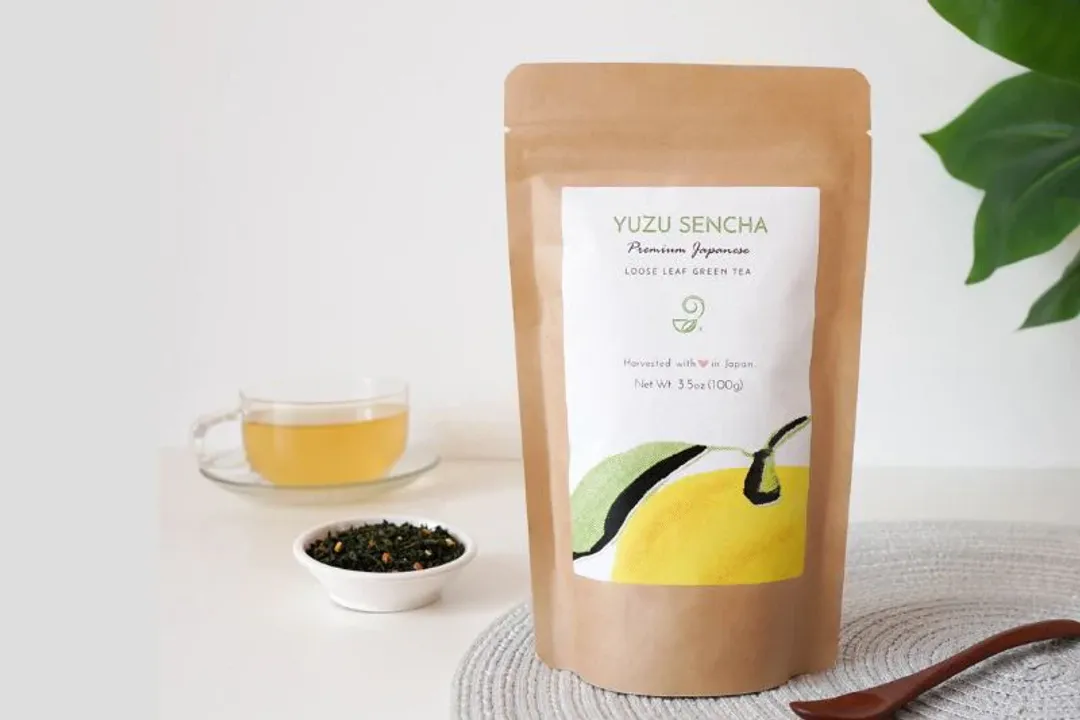
- Yuzu Zest/Peel: Often added to green teas, noodle broths, or sprinkled over grilled fish. In Japan, the peel is a common component in teas, soups, and dressings.
- Yuzu Kosho: A powerfully flavored Japanese condiment created from salt, chili peppers, and yuzu zest, offering a spicy and citrusy seasoning for soups or other dishes.
- Yuzu Ponzu: A classic sauce blending yuzu juice with soy sauce and dashi, perfect as a dipping sauce or salad dressing.
When sourcing commercial yuzu products, such as juice, it becomes essential to read labels carefully. Since the fruit is intensely tart, many processed products include significant amounts of added sugar to balance the flavor. To maximize potential health inputs like fiber and naturally occurring compounds, selecting 100% pure, unadulterated juice, perhaps even cold-pressed to preserve volatile oils, is preferable to heavily sweetened alternatives.
# Use Caution
While yuzu offers many perceived advantages, responsible incorporation into one's diet requires acknowledging potential risks. The most immediate concerns relate to allergies and the fruit's acidity. Anyone with a known sensitivity to citrus fruits should avoid yuzu, as reactions can range from mild tingling in the mouth to more severe skin irritation (contact dermatitis) from handling the peel.
Because citrus fruits are acidic, frequent consumption or use, especially in drinks, requires mindful oral care; brushing teeth after consuming citrus can help protect tooth enamel from acid erosion. Furthermore, for individuals prone to chronic heartburn, the high acid content of yuzu may act as a trigger.
As previously mentioned regarding cardiovascular health, the anti-clotting properties, while beneficial for some, pose a risk of interaction with prescribed blood-thinning medications, necessitating medical consultation before use. In summary, yuzu is a remarkable fruit celebrated for its scent and complex flavor that supports wellness through antioxidants and potential anti-inflammatory actions, yet like any potent food, it should be enjoyed in moderation and with an awareness of individual health status. If one is purely seeking cost-effective Vitamin C boosts, the accessibility of lemons and grapefruits remains a practical alternative, reserving the splurge for yuzu's unmatched aromatic zest.
Related Questions
#Citations
13 Emerging Benefits and Uses of Yuzu Fruit
Health Benefits of Yuzu
Are There Health Benefits to Eating Yuzu Fruit?
Yuzu Green Tea: Benefits of Japanese Citrus Infused Tea
Discovering Yuzu: The Citrus Sensation Loved by Many
Yuzu 101: Everything You Need to Know About Its Benefits
Yuzu Fruit Nutrition Facts, Benefits, Uses and More
Yuzu Fruit: Does it Spike Your Glucose?