Health Benefits of Ximenia

The Ximenia genus holds a quiet but significant place in the pharmacopoeia of various African and American communities, often known by evocative local names that speak to its deep roots in traditional practice. While not a household name in mainstream wellness circles globally, this group of plants, particularly species like Ximenia afra and Ximenia americana, offers a treasure trove of benefits derived primarily from the seeds produced by its fruit. [6][7] The value proposition of Ximenia lies in its oil—a lipid-rich extract prized for centuries for both culinary and medicinal applications, and now gaining attention in modern cosmetic science. [1]
# Plant Names

Understanding Ximenia begins with recognizing its varied nomenclature across different continents. Ximenia afra, for instance, is frequently referenced, forming part of the African heritage in natural products. [1][6] In other regions, Ximenia americana is the established species, with documented uses in Central Darfur, for example. [7] These different species share common characteristics, yet regional variations in their phytochemical profiles suggest that the source location can subtly influence the final properties of the extracted oil. [3] Recognizing these names is key when tracing traditional knowledge or sourcing specific botanical materials. [7]
# Seed Oil Properties
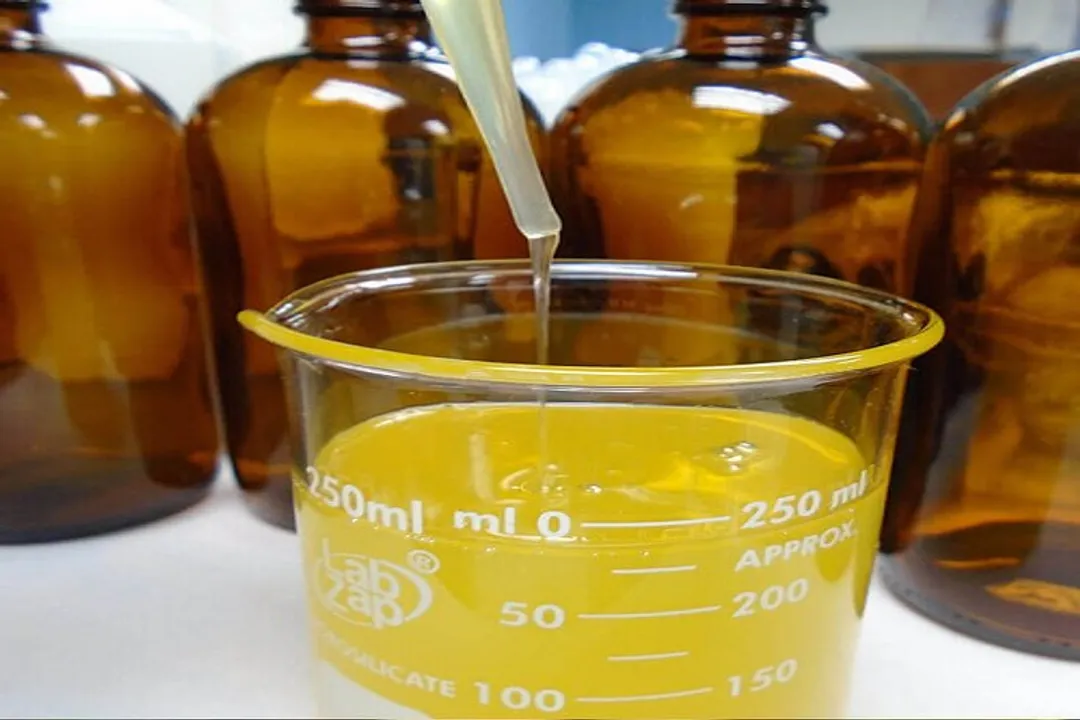
The heart of Ximenia's utility resides within its seeds, which yield a distinctive oil. [1] This oil is generally described as possessing a light consistency and notable emollient properties, making it an appealing choice for topical applications. [8][9] Reports detail its high content of unsaturated fatty acids, which are critical contributors to skin health and hydration. [3] For instance, the presence of oleic acid, a monounsaturated fat, is often highlighted, alongside linoleic acid. [3] These fatty acids contribute to the oil's capacity to soften and smooth the skin’s surface. [9]
When comparing the reported data across different studies concerning Ximenia seed oil, a subtle divergence in the exact percentage breakdown of fatty acids appears, which is not unexpected given geographical and species differences between, say, Malagasy sources and those documented in Namibian or Sudanese research. [1][3][7] For instance, while one analysis emphasizes a high concentration of palmitic and stearic acids alongside oleic acid in one context, [3] another study focusing on Ximenia americana in Central Darfur lists specific uses based on its composition which contributes to its traditional roles. [7] This variation underscores a practical consideration for formulators or informed consumers: the exact composition of a virgin oil can be a function of its provenance. If you are seeking a specific moisturizing profile, understanding the region of origin might inform your choice, as oils from different environments may exhibit slightly different absorption rates or textures due to minor shifts in their overall lipid structure. [8]
A general characterization of the oil often includes its physical parameters. It typically presents as a yellow liquid with a low viscosity when compared to some heavier vegetable oils. [8] Its inherent stability, influenced by its fatty acid profile, is another factor contributing to its viability as a raw material. [1]

# Medicinal Roots

The traditional application of Ximenia extends far into historical health practices across its native ranges. [1] In parts of Africa, the plant parts, including the bark, roots, and fruit, have been utilized for medicinal purposes. [1] For example, preparations derived from Ximenia have been historically employed to address various ailments, suggesting perceived anti-inflammatory or remedial qualities within local medical systems. [1] Reports detailing the uses in Central Darfur specify that Ximenia americana has been associated with traditional remedies for several conditions, indicating a broad spectrum of historical medicinal recognition. [7]
The research context validates some of this traditional knowledge, as scientific evaluations often look for the presence of bioactive compounds that could support these historical uses. [4][5] While the oil itself is celebrated in cosmetics, other parts of the plant are central to traditional pharmacology. [1] It is important to differentiate between the oil's recognized emollient use and the broader pharmacological history of the entire plant entity. [7]
# Skin Care Attributes
The modern appeal of Ximenia oil is heavily weighted toward its benefits for hair and skin, where its emollient and conditioning actions shine. [1][9] The oil is frequently marketed as a virgin product, suggesting minimal processing to retain its natural components. [8]
# Hair Conditioning
For hair care, Ximenia oil is credited with softening and conditioning dry or damaged strands. [9] Its non-greasy feel, characteristic of lighter oils, allows it to penetrate and nourish the hair shaft without leaving an overly heavy residue. [8] This makes it suitable for incorporation into leave-in treatments or scalp massages aimed at improving texture and manageability. [9]
# Skin Health
On the skin, the oil acts as a protective barrier and moisturizer. [1][9] Its composition, rich in essential fatty acids, supports skin suppleness and smoothness. [8] It is often noted for its use in caring for dry skin conditions. [9] The oil's reported ability to be absorbed effectively aids in delivering moisture where needed, contributing to a healthy skin appearance. [1] Researchers are actively investigating the specific compounds present in the oil and extracts to better quantify these observed dermatological effects. [2][4]
# Chemical Exploration
The scientific community is dedicating attention to unpacking the chemical makeup of Ximenia species to confirm and explain their traditional and cosmetic applications. [2][4][5] Phytochemical evaluations serve to map out the spectrum of compounds present. [7]
# Active Compounds
Research focuses on identifying the specific metabolites that confer biological activity. [5] These studies often involve analyzing extracts from various plant parts, not just the oil, to get a full picture of the plant's chemistry. [3] Compounds identified in such studies can range from lipids (in the oil) to phenolic compounds and other secondary metabolites found in the leaves or bark. [4][5] Understanding these constituents is central to establishing therapeutic potential and ensuring product quality. [2] The ongoing research into Ximenia demonstrates a commitment to moving from anecdotal evidence to scientifically validated claims. [4]
# Practical Application Insight
For anyone considering integrating virgin Ximenia oil into a daily regimen—whether for skin conditioning or hair treatment—a straightforward approach to initial assessment can enhance the experience and ensure suitability. Since purity varies and individual skin sensitivities differ, treating any new natural oil as potentially reactive is prudent.
A Simple Introduction Protocol for Virgin Ximenia Oil
- Sourcing Verification: First, confirm the stated origin and extraction method (e.g., virgin, cold-pressed) as this strongly influences the chemical profile you expect. [8]
- Patch Test Area Selection: Choose a discreet, small area of skin, such as the inner forearm or behind the ear, which has less traffic throughout the day.
- Application: Apply a single drop of the oil to the test area using a clean fingertip. Do not rub it in vigorously; allow it to rest on the skin for a few minutes to observe initial absorption. [9]
- Observation Period: Wait a full 24 hours without washing the area excessively. Monitor for any localized redness, itching, or irritation. [1]
- Scaling Up: If no adverse reaction occurs after 24 hours, you can cautiously proceed to use the oil on larger areas or apply it to your hair as directed for benefits like improved texture and manageability. [9]
This small, deliberate step respects the potential potency of natural extracts and grounds the application experience in safety, which is a necessary precursor to realizing the long-term emollient advantages reported for the oil. [1][8]

# Research Trajectories
The scientific investigation surrounding Ximenia is not static; it is evolving to cover its full biochemical potential. [2][5] Current efforts look at everything from the fatty acid distribution in the oil to the identification of novel compounds in crude extracts. [3][4] The goal of this contemporary research is dual: to scientifically validate the traditional uses of the plant and to pinpoint specific compounds responsible for any observed biological activities, thereby opening pathways for future pharmaceutical or cosmetic development. [2] The attention from specialized journals highlights its standing as a significant subject for ethnobotanical and analytical chemistry studies. [4][5]
In appreciating Ximenia, one moves past a simple ingredient list. The plant represents a complex resource where traditional wisdom meets modern analytical scrutiny. [1][7] Whether valued for its historical medicinal context or its modern role as a conditioning agent, the oil derived from its seeds offers demonstrable value stemming from its unique lipid composition. [3][9] This blend of deep cultural history and ongoing scientific validation solidifies its relevance in the sphere of natural health and beauty. [4]
Related Questions
#Citations
African Heritage- Ximenia Oil and its Role in Medicine and Cosmetics
Full article: Ximenia caffra Sond. the magic wild indigenous plant ...
[PDF] Lessons from the traditional healers in Oshikoto region, Namibia ...
Ximenia caffra Sond. the magic wild indigenous plant that offers ...
Bioactivities and Health Benefits of Ximenia americana L.
Ximenia afra - Wikipedia
Phytochemical Evaluation and uses of Ximenia americana L in ...
Ximenia Oil, Virgin -COXMA - Lotus Garden Botanicals
Ximenia oil: a natural treasure for your hair and skin - Aromeya