Health Benefits of Ube

Ube, often recognized by its stunning, deep violet hue, is far more than just a beautiful ingredient; it is a starchy tuber packed with nutritional advantages. [6][10] Botanically known as Dioscorea alata, this purple yam originates from Southeast Asia and stands out from the orange-fleshed sweet potatoes frequently mislabeled as yams in North America. [2][6][7] While its vibrant color makes it a star in desserts, its underlying composition offers tangible benefits for various aspects of health, largely thanks to its unique blend of vitamins, minerals, and potent phytonutrients. [1][3]
# Color Pigments

The most immediate characteristic of ube is its striking color, which signals a significant nutritional component. This deep purple shade comes from anthocyanins, powerful antioxidants that give many fruits and vegetables their red, blue, or purple coloring. [1][6] These compounds are responsible for a good portion of the health advantages attributed to eating purple yam. [1]
When considering adding deeply colored vegetables to your diet, think of it as a natural indicator of antioxidant activity. While many common root vegetables like white potatoes or standard sweet potatoes offer energy and fiber, ube provides an additional layer of protective compounds due to these specific pigments. [6] This distinction is important for those looking to maximize their intake of diverse antioxidants simply by choosing a different-colored variety of a familiar food group.
# Digestive Support
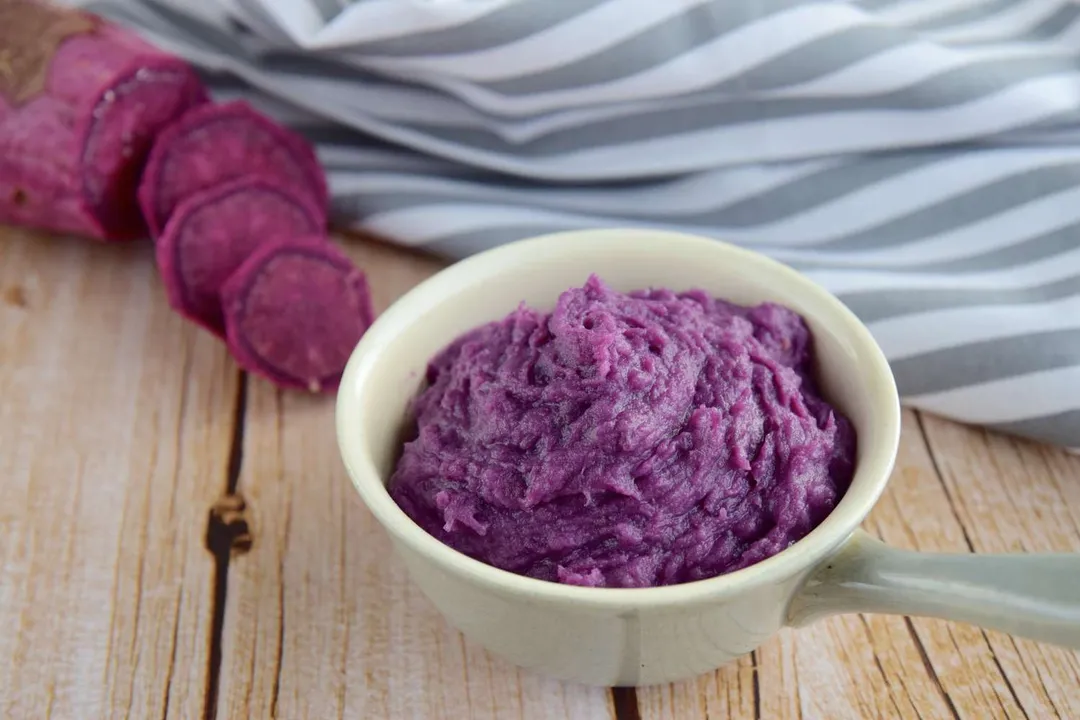
Maintaining a healthy gut is directly linked to fiber intake, and ube contributes positively in this area. [1][2] As a starchy root vegetable, it naturally contains a good amount of dietary fiber. [1][6] Fiber is essential for regulating bowel movements and promoting overall digestive tract health. [1][3]
The inclusion of adequate fiber supports regularity and can help manage satiety, which is beneficial for weight management efforts. [1] For readers accustomed to eating lower-fiber starches, substituting or mixing in ube could be a simple way to boost daily fiber consumption without drastically altering the meal structure, especially when it is prepared in simple ways like boiling or baking rather than heavily processed forms. [2]

# Essential Nutrients
Beyond the antioxidants, ube delivers an array of micronutrients essential for bodily function. It contains several key vitamins and minerals that support energy production and overall wellness. [1][2]
# Vitamin Content
Ube is a noteworthy source of Vitamin C, a well-known essential nutrient that supports the body's natural defenses. [1][3] Additionally, it supplies Vitamin B6 and Vitamin A, each playing roles in metabolic processes and vision, respectively. [1]
# Mineral Profile
Potassium is another significant mineral found in purple yam. [1][3] Potassium is crucial for maintaining proper fluid balance, nerve signaling, and muscle contractions, including the rhythm of the heart. [1] Ube also provides manganese, a trace mineral involved in bone formation and metabolism. [1] Examining the nutrient density relative to serving size reveals that ube offers a balanced profile of energy-providing carbohydrates alongside these vital micronutrients. [2]
# Eye Health
The nutrients present in ube may extend their benefits to the eyes. Specifically, the presence of certain vitamins, such as Vitamin A, is frequently associated with maintaining good vision. [1][3] While the text doesn't specify the exact mechanisms, the general understanding of Vitamin A's role in ocular health suggests this benefit. [1] Pairing ube with healthy fats, such as those found in coconut milk when making traditional desserts or savory dishes, can actually aid in the absorption of fat-soluble vitamins like Vitamin A, increasing the practical uptake of this benefit. [1]
# Immune Function
The nutritional makeup of purple yam suggests a role in supporting the body's systems, including the immune response. [3] Vitamin C, which ube contains in significant amounts, is well-established for its role in bolstering immune health. [1][3] By incorporating foods rich in vitamins and antioxidants, you are providing your body with the building blocks it needs to maintain strong, responsive defenses. [3]
# Distinguishing True Yams
For consumers in regions where the term "yam" is loosely applied, clarifying what ube is can prevent confusion when shopping. [7] In the United States, the starchy, often orange-fleshed sweet potatoes commonly found in grocery stores are frequently mislabeled as yams. [7] However, ube is scientifically classified as a true yam belonging to the Dioscorea genus, specifically Dioscorea alata. [2][7] Understanding this difference is key because nutritional profiles can vary significantly between true yams, sweet potatoes, and other tubers. [7] If you are seeking the specific benefits associated with Dioscorea alata, look for labeling that explicitly states "purple yam" or "ube". [7]
# Preparation and Culinary Applications
Ube's popularity stems not just from its health profile but from its versatility in the kitchen. [2] While it is famously the foundation for vibrant purple desserts, like the Filipino ube halaya, it can be prepared in ways that preserve its inherent nutritional value better than highly sugared preparations. [2] The tuber can be simply boiled, steamed, or baked, much like other root vegetables. [2] For those looking to maximize health benefits, simple roasting or mashing, seasoned lightly, showcases the natural texture and nutrients without overwhelming them with processed sugars or fats, which can diminish the overall health advantage of the root itself. [2]
# Considerations for Sourcing Powdered Forms
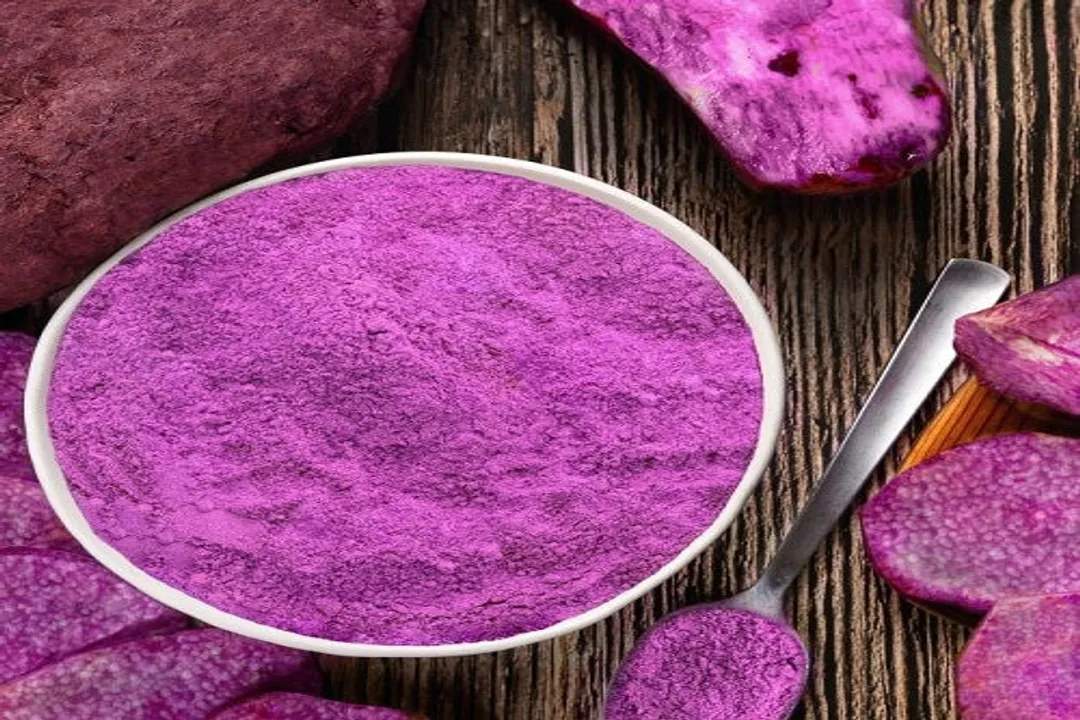
In the modern marketplace, ube is also available in dried and powdered forms, often sought after by commercial producers. [9] When considering ube powder, its nutritional composition generally mirrors that of the fresh root—retaining the vitamins, minerals, and antioxidants—but the density may vary based on the drying and processing methods employed. [9] For consumers purchasing this format, understanding the source and processing history can assure that the beneficial components, like the anthocyanins, remain intact. [9] This allows for easy integration into smoothies, baking mixes, or other recipes where the fresh tuber might be impractical.
Related Questions
#Citations
7 Benefits of Purple Yam (Ube), and How It Differs from Taro
Ube (Purple Yam): Nutrition and Benefits - Verywell Health
10 Benefits of Purple Yam (Ube), and How It Differs From Taro
What are the benefits of ube? | Blog organic Kazidomi
Health Benefits Of African Pear Or Bush Pear
What Is Ube, and Is It Good for You? - Everyday Health
Health Benefits of Yams - WebMD
7 Benefits of Purple Yam (Ube) & How It Differs from Taro! Hey...
Benefits of Ube Powder - Wholesale B2B Bulk Suppliers
Ube, also known as purple yam, is not just beautiful. It's ... - Facebook