Health Benefits of Thimbleberry
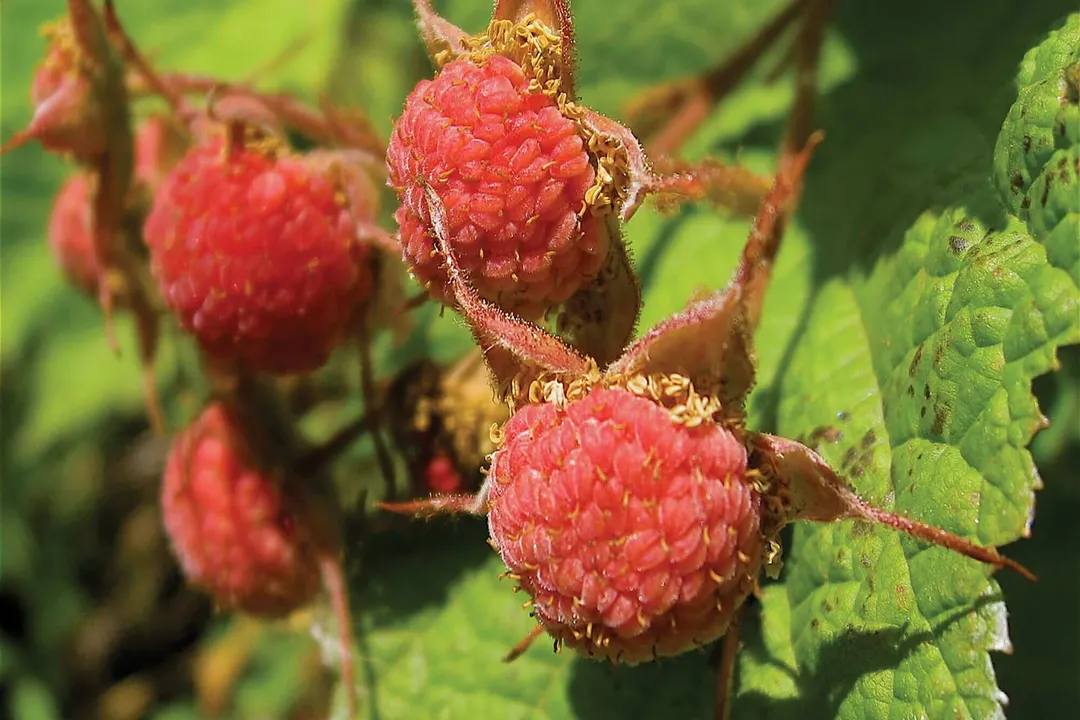
The thimbleberry, scientifically known as Rubus parviflorus, presents itself as a striking member of the rose family, often recognizable by its large, maple-like leaves and its soft, deep red fruit resembling a thimble. [3][9] While perhaps less common in commercial markets than its close relatives like the raspberry, this native North American berry holds a significant place in both wild landscapes and traditional remedies across the Pacific Northwest and into the interior of the continent. [1][7][9] The health potential locked within these delicate fruits warrants a closer look, moving beyond their pleasant, slightly tart flavor profile. [5]
# Nutritional Components
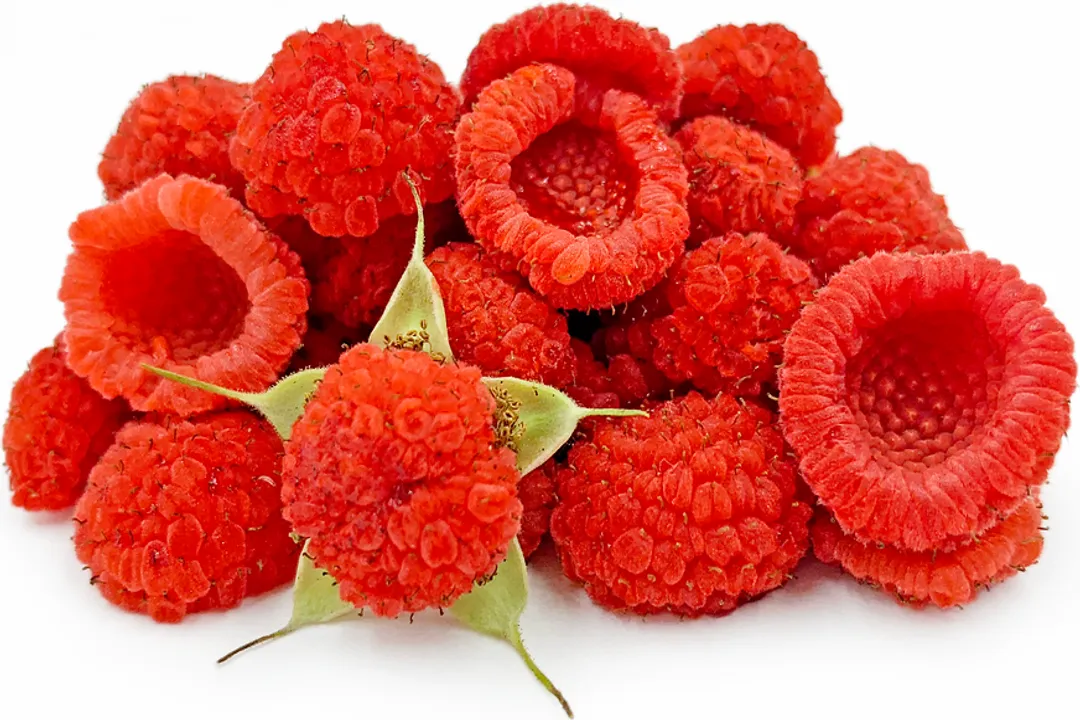
Examining the chemical makeup of thimbleberries reveals a profile rich in essential components that contribute to overall wellness. Like many berries, they are known to contain significant amounts of vitamin C, which supports immune function and acts as a well-known antioxidant. [1][2] Beyond the easily quantified vitamins, the real depth often lies in the phytochemicals present. Thimbleberries contain notable levels of phenolic compounds, including flavonoids and tannins. [1] These compounds are chiefly responsible for the berries’ potential anti-inflammatory actions and their ability to combat free radicals within the body. [1]
For those tracking macronutrient intake, thimbleberries offer a relatively low-calorie fruit option. They contain dietary fiber, which is key for digestive regularity. [2] While specific, standardized sugar and fat content can vary based on growing conditions, the balance generally leans toward being fruit-sugar dominant, making them a naturally sweet treat when ripe. [5][9] When comparing the nutritional density across the Rubus genus, thimbleberries often stand out for the high concentration of specific antioxidants, even if they contain slightly less juice volume than a standard cultivated blackberry. [1]
# Traditional Uses
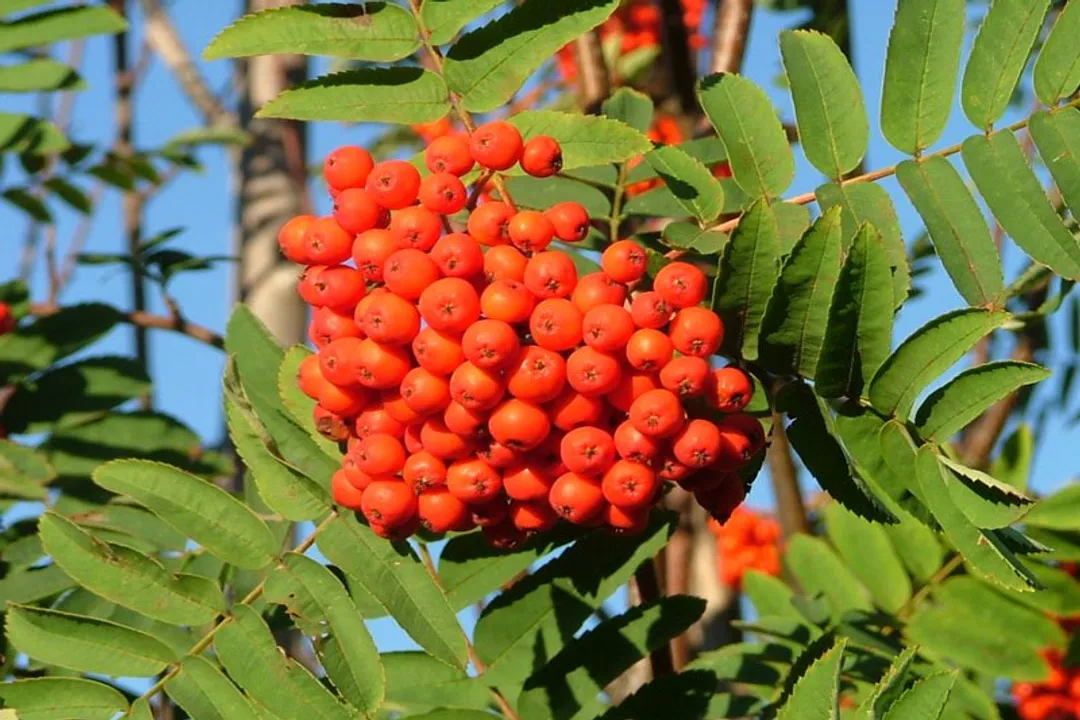
Indigenous peoples of North America have long recognized the value of the thimbleberry, utilizing not just the fruit but also the leaves and bark for medicinal purposes. [1][7] This traditional knowledge often points toward applications directly related to respiratory and digestive health. For instance, the bark and leaves were historically prepared as infusions or teas to help soothe coughs, alleviate sore throats, and treat various chest ailments. [1][7][8] The astringent quality, derived from the tannins, would have made these preparations effective for temporarily tightening tissues, offering relief in irritated throats. [1]
The berries themselves were also employed to address internal discomfort. In traditional preparation, they were sometimes used to help calm the stomach or address mild digestive upsets. [1][2] It is important to note that while historical use indicates efficacy for these purposes, modern applications often suggest consulting healthcare professionals, particularly when dealing with persistent symptoms. [1] The consistent use across different groups over centuries, however, suggests a reliable traditional benefit rooted in the plant’s chemistry. [7]
# Antioxidant Mechanisms
The primary mechanism through which thimbleberries offer health support appears to be their antioxidant capacity. Antioxidants are vital because they stabilize unstable molecules called free radicals, preventing them from causing oxidative stress, which is implicated in aging and various chronic diseases. [1] Thimbleberries contain compounds such as ellagic acid, a polyphenol that is often studied for its potential protective effects on cells. [1]
Furthermore, the presence of flavonoids suggests a role in supporting cardiovascular health, as these compounds are frequently linked to improved blood flow and reduced inflammation in blood vessel walls. [2] When one consumes a handful of these berries, they are effectively introducing a diverse array of protective agents that work synergistically. This collective action of various phenolic acids, anthocyanins (which give berries their color), and other phytochemicals often provides a greater benefit than consuming a single isolated compound. [1]
If you are tracking antioxidant intake from wild foods, consider the harvest location. Berries growing in sunnier, less competitive environments might concentrate their protective compounds slightly higher as a defense mechanism against environmental stressors, resulting in a fruit that is subtly more potent than one grown in deep shade. [1] This subtle environmental tuning highlights how foraging practices can impact the nutritional harvest.
# Skin and Topical Application
While the focus is often internal, the thimbleberry also features in external remedies, primarily due to the properties of its leaves and the juice of the berry itself. [8] Historically, preparations made from the leaves were sometimes used topically, often as a wash or poultice, to help soothe minor skin irritations or rashes. [8] The mild astringent and cooling nature attributed to these plant parts would naturally lend themselves to calming inflamed or irritated skin surfaces. [1]
For the fruit itself, its high moisture content and mild acidity mean that fresh juice, applied carefully, can offer temporary relief or gentle cleansing properties. This contrasts with some other berries which might be too acidic for direct skin application, making the thimbleberry a gentler option when considering natural topical aids. [5]
# Comparative Value in the Forest Garden
When considering Rubus parviflorus alongside its more commercially popular cousins, like raspberries (Rubus idaeus), a few practical distinctions emerge that affect how we value its health contributions. Thimbleberries generally do not hold up well to long-distance transport or mechanical harvesting because the fruit structure is quite soft and delicate, often falling apart readily when touched. [5][9] This fragility is a major reason why they remain largely a wild harvest or local specialty item rather than a national commodity. [5]
This delicacy presents a unique opportunity for the dedicated forager or gardener. Because they are so tender, they must be eaten fresh or processed immediately, encouraging the consumption of nutrient-dense food at its peak ripeness, minimizing storage-related nutrient degradation. In a practical sense, if you find a patch, the best health benefit strategy is to eat them right there on the spot, allowing for maximum enjoyment of the fresh vitamin C and hydration content before oxidation or breakdown can occur. [9] Unlike jam-making raspberries where you can process a large batch, the thimbleberry encourages a mindful, immediate appreciation of its gifts.
# Digestive Health Considerations
The presence of dietary fiber in thimbleberries supports digestive wellness by aiding bulk formation and promoting regular bowel movements. [2] Fiber also plays a role in satiety, helping individuals feel fuller for longer, which can be beneficial for weight management strategies. [2] Beyond simple fiber content, traditional uses suggest an internal balancing effect. [1]
It is fascinating to observe how plants used traditionally for digestive calm often contain compounds that modulate gut inflammation. The tannins, while astringent, can sometimes contribute to firming up overly loose stools, offering a natural means of supporting intestinal tone when consumed in moderation. [1] This dual action—providing bulk from fiber while potentially calming irritation through polyphenols—is a common characteristic among beneficial whole foods.
# Foraging Context and Sustainability
To reap the health rewards, one must first successfully locate and harvest the fruit. Thimbleberries thrive in partially shaded areas, often in open woods or alongside streams, particularly in the western parts of North America. [7][9] They are typically ready for picking in the early to mid-summer months, depending on the specific elevation and latitude. [5]
For the health-conscious consumer aiming for sustainability, a key principle when harvesting thimbleberries is to practice selective picking. Because the fruit detaches so easily, a gentle touch ensures you only take what is perfectly ripe, leaving behind unripe fruit and minimizing damage to the surrounding plant structure for future yields. [1] This gentle interaction honors the plant's reproductive cycle and ensures the continued availability of this resource year after year. Always being mindful of local regulations regarding wild harvesting is the final step in ensuring this practice is both ethical and beneficial. [7] The difference between a light touch and a rough grab can mean the difference between a good harvest and stripping the plant bare.
# Phytochemical Variety
While specific studies on Rubus parviflorus are less abundant than those on commercial berries, the evidence points strongly toward its value due to its diverse array of phenolic compounds. [1] Phenolics are not a single substance but a broad category, meaning the berry offers protection against various types of cellular insults, rather than relying on just one key vitamin or antioxidant. [1] This variety contributes to the berry’s complex protective matrix.
A practical takeaway for anyone incorporating wild foods into a routine diet is to view the thimbleberry not as a single-nutrient supplement but as a natural multi-component source. If you are alternating between thimbleberries, salal berries, and serviceberries throughout the season, you are naturally diversifying your intake of different types of antioxidants, which provides a more comprehensive internal defense system than sticking to one source alone. [1] This approach aligns well with the ancient wisdom of eating seasonally and locally available wild foods.
Related Questions
#Citations
The Therapeutic Benefits of Wild Thimbleberry: A Forager's Guide to ...
Thimbleberry - healing herbs - Herbs2000.com
5 Health Benefits for Thimbleberry - WION
Wild Thimbleberry Plant and its Medicinal Qualities - Facebook
Thimble Berries Information and Facts - Specialty Produce
THIMBLEBERRY - Rubus parviflorus - medicinal herbs
[PDF] Rubus parviflorus Nutt. - Journals @ KPU
Rubus parviflorus Thimbleberry PFAF Plant Database
Nutrition facts-Thimbleberry fruit | Health benefits