Health Benefits of Tamarillo
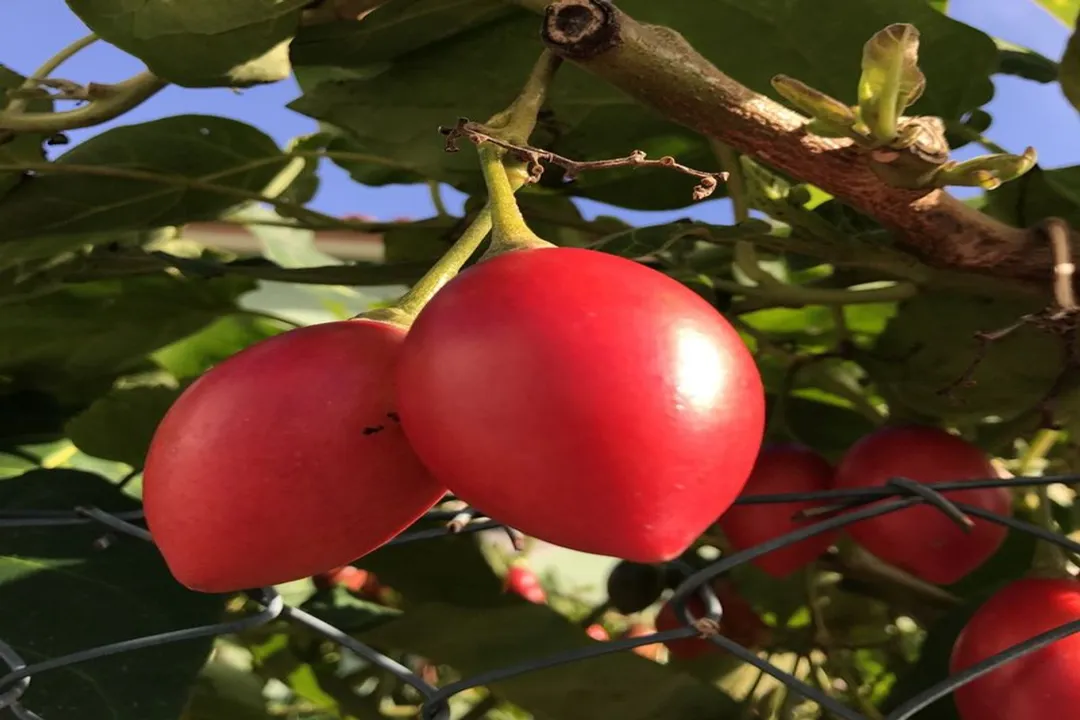
The vibrant, egg-shaped fruit often called the tree tomato is stepping out of the shadows of its more famous relative, the common tomato. Known scientifically as Solanum betaceum, the tamarillo is a tropical gem native to the Andean regions, cultivated today in places ranging from New Zealand, which notably coined its current marketable name to avoid confusion, to Southern Europe like Portugal. This fruit carries a flavor profile that ranges from sweet to distinctly tart, encased in a firm skin that is generally discarded due to its bitterness, leaving behind the juicy, seedy pulp ready for consumption. Far from being just a culinary curiosity, the tamarillo is a powerhouse loaded with essential nutrients, making it a compelling addition for anyone aiming for a healthier, balanced lifestyle.
# Botanical Identity
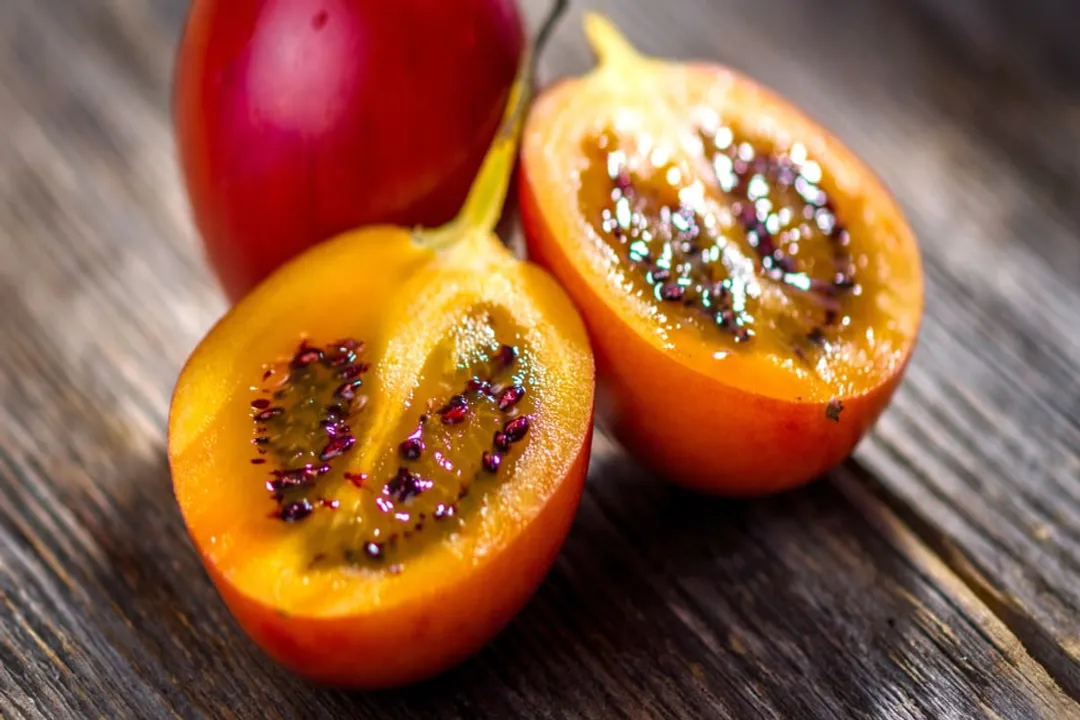
The tamarillo belongs to the Solanaceae family, grouping it closely with the potato and the regular tomato. Its appearance is distinctive: oval, typically measuring between four to ten centimeters in length, with colors spanning red, yellow, or orange, sometimes featuring faint stripes. From a foundational nutritional standpoint, the fruit is celebrated for being low in calories while simultaneously providing a good measure of vital components. For instance, 100 grams might contain only about 30 calories, yet deliver over half of the recommended daily intake of Vitamin A and a substantial portion of Vitamin C. Beyond these prominent vitamins, tamarillos supply essential minerals like potassium, iron, calcium, and magnesium, alongside B-complex vitamins such as B6.
# Pigments and Phenols
The true value proposition of the tamarillo lies in its rich phytochemical profile, particularly its concentration of antioxidants. Scientific analysis confirms that tamarillo fruits contain significant amounts of phenolic compounds, flavonoids, and carotenoids. These compounds are key protective agents in the human body, working to neutralize harmful free radicals that contribute to cellular damage and the development of chronic illnesses, including heart disease.
The specific array of phenols identified in tamarillo includes hydroxycinnamic acids like chlorogenic acid, as well as derivatives of quercetin and myricetin. Furthermore, the characteristic red coloration in certain cultivars is due to high levels of anthocyanins—specifically cyanidin, delphinidin, and pelargonidin glycosides. Because these compounds are intrinsically linked to antioxidant capacity, red tamarillos generally demonstrate a higher potential for fighting oxidative stress when compared to their yellow or orange counterparts. In fact, certain studies have shown that tamarillo exhibits greater overall antioxidant activity than more commonly consumed fruits like apples, oranges, and grapes. Analysis using advanced spectroscopic techniques, like FTIR-ATR, further confirms that the extracts are rich in these phenolic molecules, directly linking the fruit's chemical composition to its biological efficacy.

# Safeguarding Circulation
One of the most clearly defined health applications for tamarillo consumption relates to cardiovascular wellness, driven primarily by its mineral and antioxidant content. The fruit contains considerable amounts of potassium, a mineral crucial for counteracting the effects of sodium and helping to maintain healthy blood pressure levels. Integrating colorful fruits and vegetables rich in potassium into the daily diet can potentially lead to significant reductions in systolic blood pressure for those managing hypertension. Adding to this protective mechanism, the anthocyanins and carotenoids present in tamarillo have been epidemiologically linked to a lower risk of cardiovascular disease markers, potentially by reducing pro-inflammatory cytokines and markers of inflammation.
# Digestive Tract Support
For gut health, the high dietary fiber content of the tamarillo is a standout feature. Dietary fiber is fundamental for maintaining a well-regulated digestive system, as it helps ensure regular bowel movements and actively prevents constipation. Moreover, the fiber in tamarillo functions as a prebiotic, meaning it serves as a food source for the beneficial bacteria residing in the gut microbiome. Cultivating a healthy gut environment is vital for overall health, influencing everything from immune system strength to the efficient absorption of nutrients from food.
# Metabolism and Weight Management
Tamarillo is a smart choice for individuals focused on weight control, primarily due to its low energy density and fiber. Its low-calorie nature allows it to satisfy natural sweet cravings without overburdening the daily caloric budget. The presence of fiber also contributes to satiety, helping a person feel fuller for longer periods, which naturally supports better portion control during meals and snacks. On the metabolic side, tamarillo is a source of Vitamin B6, which plays a role in converting carbohydrates and proteins from food into usable energy. Research involving obese rats fed a high-fat diet indicated that administering C. betacea extract helped with weight maintenance and promoted positive effects on lipid levels, alongside boosting antioxidant activity within the system.
# Vision and Longevity Factors
A visible benefit of consuming tamarillo is the support it offers to ocular health. The fruit is rich in Vitamin A, often in the form of beta-carotene, which is essential for maintaining sharp vision and supporting overall cell growth and development. Specifically, beta-carotene is known for its potential to combat age-related macular degeneration, a leading cause of vision loss. Furthermore, the anthocyanins within the fruit are reputed to improve blood circulation to the eyes, which can enhance eyesight. In terms of longevity, tamarillo contributes Vitamin C, an antioxidant whose consumption is actively being studied for its potential lifespan-extending effects in various organisms.
# Comparative Chemistry and Application
The differences between tamarillo genotypes are quite pronounced, even when grown under similar conditions, suggesting that cultivar plays a significant role in nutritional impact. One study compared four types: the imported TMI (red), the Mealhada red (TVM), the Botanical Garden red (CR), and the Botanical Garden orange (CO). The Mealhada red (TVM) consistently showed the highest Total Phenolic Content (TPC) and ranked highest in several key antioxidant capacity assays, such as Ferric Reducing Antioxidant Power (FRAP) and CUPRAC. Conversely, the imported TMI fruit generally displayed the lowest TPC among the red varieties tested.
It is interesting to note that while TPC often correlates with antioxidant activity, the results weren't uniform across all tests. For example, in the -carotene–linoleic acid bleaching assay, the CO (orange) and TMI (imported red) extracts surprisingly showed higher inhibitory capacity against -carotene oxidation than the TVM and CR extracts, which were highest in TPC. This disparity is a valuable observation for anyone seeking specific health outcomes; it implies that the type of antioxidant matters, as different phytochemicals are better suited to counteract specific types of oxidative stress pathways, rather than just the sheer quantity of total phenolics. If we consider the source of the fruit, the imported TMI genotype, analyzed relatively soon after harvesting, had undergone transportation and potential shelf-time compared to the locally sourced Portuguese fruits which were tested immediately after picking. Since fruit antioxidants are highly susceptible to degradation from handling, chilling, or time, consumers seeking the absolute peak of nutritional benefit might find that prioritizing freshly harvested, local red cultivars like TVM provides a more reliable intake of these sensitive compounds compared to fruits that have traveled a long distance.
Another class of compounds identified via spectroscopy were triterpenoids, which were assigned a band around in the infrared spectrum. These compounds are often associated with anti-inflammatory and potential anti-cancer activities, and they are typically concentrated in the outer skin layer, serving as a natural defense against radiation and environmental conditions.
# Practical Incorporation
Enjoying tamarillo doesn't require complex preparation, though peeling is almost always recommended for the best experience. A very simple method is slicing the fruit in half, perhaps drizzling it with a touch of honey or sweetener, and scooping the flesh out with a spoon, much like a kiwi. The tangy flavor lends itself well to savory applications like making zesty salsas or rich chutneys that pair wonderfully with meats or served alongside rice. For those who prefer sweet treats, the fruit blends nicely into smoothies, can be incorporated into baked goods like muffins, or processed into year-round jams. If boiling water is used briefly to loosen the skin, it can be slipped off easily, allowing the pulp to be added to salads or incorporated into desserts. While generally safe, individuals with highly sensitive stomachs or ulcers should consume tamarillo in moderation due to its inherent acidity, and anyone experiencing allergic reactions should discontinue use immediately.
Tamarillo stands out as a nutraceutical candidate, offering a dense nutritional package that supports heart function, vision, and digestive regularity through its unique blend of vitamins, fiber, and potent antioxidants. The scientific evidence increasingly supports the idea that the red varieties, in particular, represent a high-profile source of beneficial phenolics, making this exotic fruit a promising alternative to more commonplace options in the global food market.
Related Questions
#Citations
Tamarillo: Unravel Incredible Health Benefits, Versatile Uses And ...
Tamarillo Fruit Benefits, Nutrition, Recipes & More - Dr. Axe
Antioxidant Potential of Tamarillo Fruits—Chemical and Infrared ...
TAMARILLO - Etnico - Cosechamos bienestar
Exploring the Nutritional and Health Benefits of the Tamarillo Fruit