Health Benefits of Sarguelas
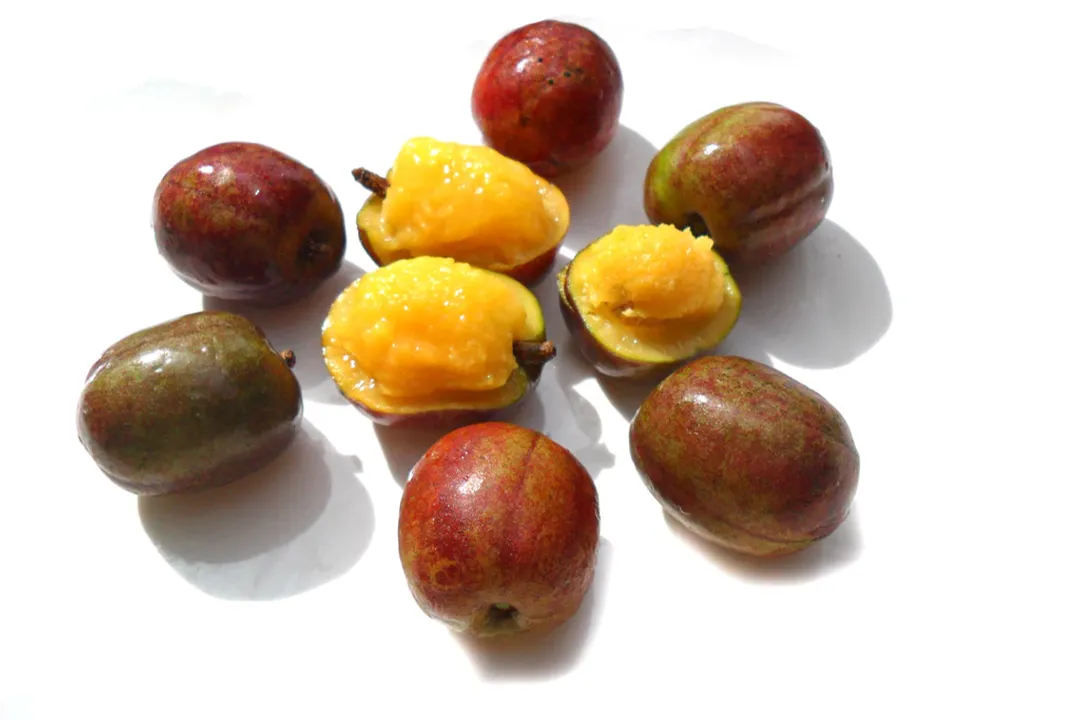
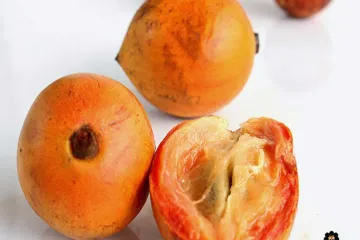
The small, often crimson or golden, fruit known widely in the Philippines as Sineguelas or Sariguellas arrives as a celebrated seasonal treat. [2][3][4] Scientifically cataloged as Spondias purpurea, this tropical delight is also referred to as Spanish plum, hog plum, or red mombin in various regions. [2][4] In local lore, its array of potential health advantages has even earned it the affectionate moniker of the “Food of the Gods”. This fruit, which grows on a tree reaching about 5 meters high with stout branches, offers a unique flavor experience: sweet when fully ripe, but carrying a pleasant tartness or sour note when not yet mature. [2][3]
# Nutritional Foundation
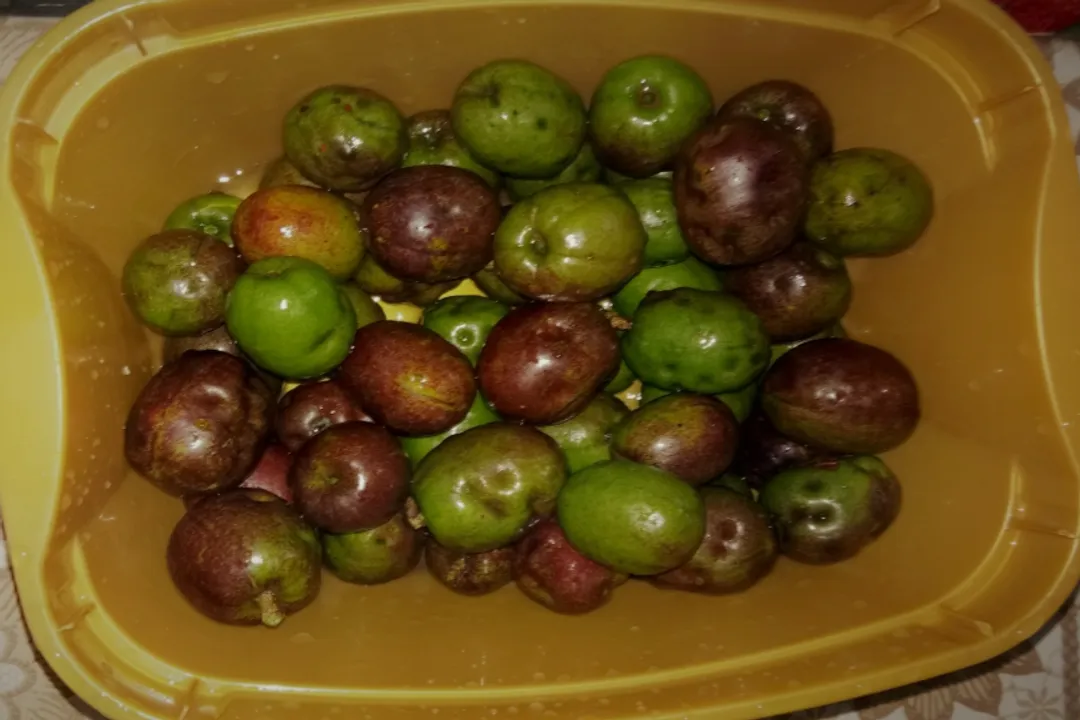
Digging into what makes this fruit special reveals a surprisingly dense nutritional composition for its small size. [3] Sineguelas packs essential minerals and vitamins vital for general bodily upkeep. [3] It is noted for containing potassium, dietary fiber, calcium, and iron, alongside notable quantities of Vitamin A and Vitamin C. [2][3] The high Vitamin A content is particularly noteworthy, being described as essential for promoting a healthy body. [2] When comparing its profile to general plums, which also offer Vitamin C for healing and blood vessel support, Sineguelas seems to stand out with its reported very high Vitamin A levels, which points toward specific ocular benefits. [2] While it is relatively low in calories—only about 76 per 100 grams—it still contains carbohydrates and sugars that provide noticeable energy.
# Antioxidant Action
One of the most consistently highlighted benefits across sources is the fruit's high concentration of antioxidants. [2] These compounds actively work to counteract free radicals in the body. [2] Free radicals are implicated in processes like cellular damage, organ dysfunction, and ultimately, may contribute to the onset of various human diseases and premature aging. [2] The presence of these protective agents suggests that regular, mindful consumption supports the body's defense mechanisms against oxidative stress. [3] Interestingly, studies have shown that the S. purpurea peel itself demonstrates significant antioxidant capacity against both UVA and UVB rays, hinting that the skin, often discarded or consumed with the pulp, holds concentrated protective compounds. [4]
# Digestive Health
Fiber is a key player in the Sineguelas story, contributing significantly to digestive well-being. [3] The fiber content aids in maintaining regular bowel function, potentially preventing or assisting with issues such as constipation, gas, diarrhea, and dysentery. [3] This natural laxative effect, common in plums due to compounds like sorbitol found in related stone fruits, is supported by the presence of fiber in the Sineguelas fruit itself. Furthermore, traditional applications of other parts of the plant address intestinal distress directly. For instance, a decoction of the fruit has historically been used to manage diarrhea and dysentery. [4]
# Heart Support
For those focused on cardiovascular wellness, the components found in Sineguelas offer several points of interest. The fruit is mentioned as being excellent in preventing and controlling cholesterol levels, which in turn helps to avoid the hardening of arteries. [2] Moreover, the potassium content is beneficial for blood pressure regulation, as it assists the body in excreting excess sodium and helps relax the tension within blood vessel walls, thereby lowering the risk associated with high blood pressure and stroke. Supporting this, scientific investigation into the stem bark of S. purpurea has shown potential for reducing hypercholesterolemia (high blood cholesterol) in animal models fed high-fat diets, suggesting the plant possesses compounds that help modulate lipid profiles. [4]
# Systemic Fortification
The fruit serves as a general tonic, providing nutrients that enhance core bodily processes. Its iron content is directly beneficial in combating anemia, a condition characterized by a lack of healthy red blood cells, by supporting better oxygenation throughout the system. The rich supply of Vitamin C is crucial for strengthening the immune system generally, helping the body ward off common sicknesses like colds, coughs, and fever. [3] Beyond immunity, the combination of carbohydrates and iron is credited with energizing the body and mitigating feelings of fatigue, an effect so recognized that professional tennis players have reportedly incorporated it to their advantage. When considering which stage of ripeness to consume for maximum benefit, it’s worth noting that the combination of high iron and energy-providing carbohydrates is present whether the fruit is fully sweet or slightly tart. If you find yourself needing an energy boost during the season, opting for the fruit with a little salt, as is traditional for the unripe variety, is a simple way to integrate this boost into a snack without adding processed sugars. [2]
# Applications Beyond the Pulp
While enjoying the fruit is the most common interaction, different parts of the Spondias purpurea plant have long held roles in traditional medicine, showcasing a depth of application that general plum comparisons might miss. [4] The bark, for example, has been historically employed as an astringent and used in decoctions to treat dysentery and infantile tympanites (stomach gas accumulation). [4] Furthermore, the sap from the bark was traditionally applied topically to treat stomatitis, which is the painful inflammation of the mouth lining. [4] Leaves have seen use in remedies for headaches and as a febrifuge, while studies on leaf extracts have explored properties such as anti-anxiety (anxiolytic) and lipid-lowering effects. [4]
# Enjoyment and Essential Safety
The experience of eating Sineguelas is deeply tied to its season of availability, typically during the summer months in tropical areas. [3] The way one consumes it often depends on its stage of maturity. Many enjoy the fully ripe fruit for its sweetness, while the unripe, sour variety is frequently paired with salt or vinegar to balance the acidity—a practice that might also subtly encourage mineral consumption alongside the fruit’s own nutrients. [2] Despite the extensive list of benefits, it is critically important to remember that the seeds are considered toxic, and one must strictly avoid chewing or ingesting them. [2][4] Additionally, consuming the semi-ripe fruit in large quantities is known to carry a risk of causing stomachaches. [4] Keeping these simple guidelines in mind allows for safe enjoyment of this unique tropical offering when it is in season.
Related Questions
#Citations
Sineguelas: A Tropical Fruit with a Unique Flavor - Ecosprout
Sineguelas / Spondias purpurea Blanco / Spanish plum
It's The 'Sineguelas' Season In The Philippines - Steemit
Health Benefits of Plums
Spanish Plum( Siniguelas) - Blurt.blog