Health Benefits of Salal
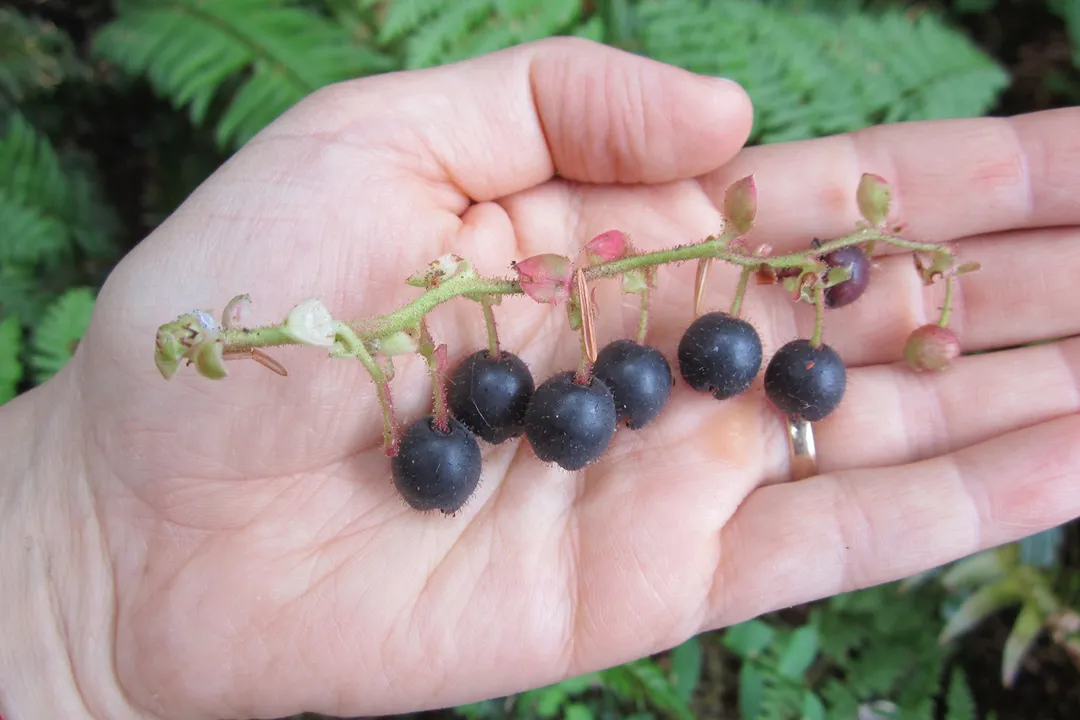
The deep green leaves of Gaultheria shallon, commonly known as Salal, hint at the plant’s enduring presence in the Pacific Northwest ecosystem, a presence that extends far beyond mere scenery into the realm of sustenance and traditional remedies. This evergreen shrub, native to western North America, spans from California up into Alaska, thriving particularly well in the shaded understory of Douglas-fir forests. [1][3][5] While many modern foragers and food enthusiasts are drawn to its small, dark berries, the plant’s full value, as understood by the Indigenous peoples of this region, encompasses both its fruit and its foliage. [3][4]
# Botanical Profile

Salal presents as a dense, broad-leaved evergreen. [3][5] Its identity is rooted in its persistent foliage, which stays green year-round, offering structure to the forest floor. [3] The shrub produces flowers that are typically white or slightly pinkish, featuring five distinct petals. [5] Following flowering, the plant yields its signature fruit: berries that ripen to a deep, dusky purple or black color. [1][5][7] These berries are small but offer a flavor profile often described as sweet with a slight tartness, making them appealing straight off the bush. [1][7] This reliable, edible resource has secured Salal’s place in the regional diet for centuries. [1][3]
When considering where Salal flourishes, its environmental preferences become clear. It is quite shade-tolerant, which is why it is frequently found beneath taller canopy trees. [3] For those interested in cultivating native species, understanding this preference for acidic soils and shaded, well-drained conditions is key to successfully encouraging its growth outside of its native range. [1] Observing how Salal naturally colonizes the forest floor—often spreading vigorously—can offer lessons for natural landscaping that minimizes disturbance while maximizing native plant integration. [3]
# Edible Fruit History

The berries of Salal have been a cornerstone of the diet for the Coast Salish people and other regional Indigenous groups for generations. [2] This was not merely casual foraging; the berries formed a critical component of long-term food security. [1][2] A fascinating aspect of this traditional food preservation was the practice of drying the berries into concentrated cakes. [1][2] These dense cakes, sometimes likened to pemmican, allowed the nutritional energy of the late summer harvest to sustain communities through the leaner winter months. [2] The ability to process the fruit into a stable, portable form highlights the deep knowledge these groups held regarding local resources. [1]
In contemporary kitchens, the preparation methods have shifted, though the core ingredient remains valued. While drying into cakes is less common today, the berries are still harvested for fresh eating, or they are transformed into jellies, jams, or syrups. [1] This transition from a survival staple to a seasonal delicacy reflects a change in our relationship with wild foods—moving from necessity to gourmet enjoyment. [1] Comparing the ancient method of creating high-density nutrient blocks for winter survival against modern jam-making reveals a clear divergence: one focused purely on caloric preservation, the other emphasizing immediate palatability and modern culinary application. Both methods, however, speak to the inherent desirability of the berry's flavor. [1][7]
# Traditional Leaf Uses

While the fruit captures most of the modern attention, the leaves of Gaultheria shallon were equally significant in traditional medicine, often employed for their astringent properties. [3] The use of the leaves offers a counterpoint to the sweet consumption of the berries, demonstrating the plant’s dual utility. [3][4]
Tribal peoples frequently incorporated Salal leaves into remedies aimed at internal and external complaints. [3] Internally, preparations made from the leaves were often administered to address various stomach ailments. [3] Furthermore, the leaves were brewed into teas, sometimes utilized as a general tonic or specifically when dealing with common colds. [3][4]
Beyond internal applications, the leaves served as a local remedy for throat discomfort. It is documented that the leaves were sometimes chewed directly to help soothe a sore throat. [4] This direct application speaks to the immediate, accessible nature of traditional herbalism, where the plant growing nearby could offer relief for common irritations. [4]
# Potential Dietary Value

When considering Salal from a modern nutritional perspective, it falls into the category of wild, nutrient-rich foods, often earning the informal designation of a "superfood" due to its presumed high antioxidant content. [7] Although specific standardized data on vitamins or minerals from these sources is limited, the deep, dark pigmentation of the berries is generally an indicator of concentrated phytonutrients, such as anthocyanins. [7]
Many berries common to the Ericaceae family (which includes blueberries and cranberries) are celebrated for their antioxidant power, and Salal shares this visual cue. [7] Consuming Salal berries, whether fresh or preserved, allows individuals to incorporate these potentially beneficial compounds into their diets. [7] While scientific validation for every traditional claim is ongoing, the historical reliance on Salal as a staple food source suggests a substantial nutritional contribution to the Indigenous diet. [2][3]
# Considerations for Modern Health
The historical use of Salal for stomach issues suggests an area where modern study might confirm traditional knowledge regarding gut health or digestive support. [3][4] Similarly, its traditional role as a general tonic suggests properties that support overall systemic wellness, perhaps due to the array of compounds present in the fruit and leaf. [3]
A significant aspect of integrating any wild food into a modern diet is understanding quality, which ties directly back to where it is grown. Unlike commercially farmed produce, wild Salal’s nutritional profile can be influenced heavily by soil composition and light exposure. [3][5] A Salal berry picked from a dense, shaded area rich in organic matter might possess a different concentration of beneficial compounds than one grown in a more open, managed environment. Therefore, when sourcing wild edibles, recognizing the ecological context of the harvest site adds an layer of appreciation for the potential variability in the final product. [1][5]
# Harvest and Preparation Guide
For those interested in ethically sourcing Salal, respecting the plant's ecological needs and local regulations is paramount. [1] Since Salal is an evergreen shrub, over-harvesting the leaves can severely impact the plant's ability to photosynthesize and survive the winter. [3] Therefore, foraging for the berries is the most sustainable approach, as the shrub can generally withstand the loss of its fruit crop without significant long-term damage. [1]
When harvesting the berries, a helpful tip for efficiency is to use a specialized berry rake or even a wide-toothed comb to gently strip the clusters, rather than picking them individually—though care must be taken not to damage the surrounding foliage. [1] If you plan to make jams or syrups, remember that Salal berries often contain seeds, which may require straining depending on the desired final texture of your preserve. [1] A simple preparation involves crushing the berries and heating them gently with a small amount of sweetener, allowing the natural tartness to balance the sugar for a bright, flavorful condiment. [1]
The leaves, while important traditionally, should be used sparingly if wildcrafting, adhering to the principle of taking only what is needed and leaving the rest to support the plant's health. [3][4] If you are tending a garden that mimics the Pacific Northwest understory, perhaps in a slightly acidic soil mix, you can choose to periodically prune older leaves for use in teas, much like one might do with bay leaves, ensuring you never defoliate a single shrub. [3] This mindful approach honors both the plant’s hardiness and its historical significance as a reliable food and medicine source. [2][3]
# Cultural Significance
The perseverance of Salal through centuries of environmental and cultural change underscores its importance to the peoples of the region. [2] Its ability to thrive where other plants might struggle provided a dependable food source that was easily stored. [1][2] This long history of reliance elevates Salal from a simple wild berry to a cultural marker of the Pacific Northwest landscape. [2] Understanding its health benefits is thus not just about chemistry; it is about recognizing a deep, time-tested relationship between a community and its environment. [3] The shrub itself—hardy, green, and productive—is a living testament to that enduring connection. [3][5]
Related Questions
#Citations
Salal — Elise Krohn | Wild Foods and Medicines
Salal berry benefits - University of Victoria
Native uses of salal - Lake Wilderness Arboretum
Salal (Gaultheria shallon) berries and leaves have a ... - Facebook
Plant of the Month: Salal - GRuB: Garden Raised Bounty
Salal berries | Food | newportnewstimes.com
The Salal Berries Health Benefits That Make Them a Must Eat
Discover the Amazing Benefits of Salal | Health, Environment, and ...
SALAL - Witch in the Woods Botanicals