Health Benefits of Rambutan

Rambutans, with their distinctive, hairy exterior often compared to a sea urchin, are tropical fruits native to Southeast Asia, though cultivation has spread to places like Colombia, India, and Mexico. [1][4] The name itself derives from the Malay word for "hair," perfectly describing the soft spines, or spinterns, covering the reddish, leathery skin. [4] Once peeled, the edible portion reveals a translucent, white flesh that boasts a flavor profile often described as similar to a grape, possessing a gentle sweetness with floral or slightly acidic undertones. [4][7] While some consumers might find the appearance intimidating, the preparation is straightforward, involving cutting the rind and peeling it back to access the juicy interior encasing a single seed. [5][7] Beyond their unique look and taste, these small, golf-ball-sized fruits offer a significant payload of nutrients that contribute positively to overall wellness. [5][7]
# Nutrient Snapshot
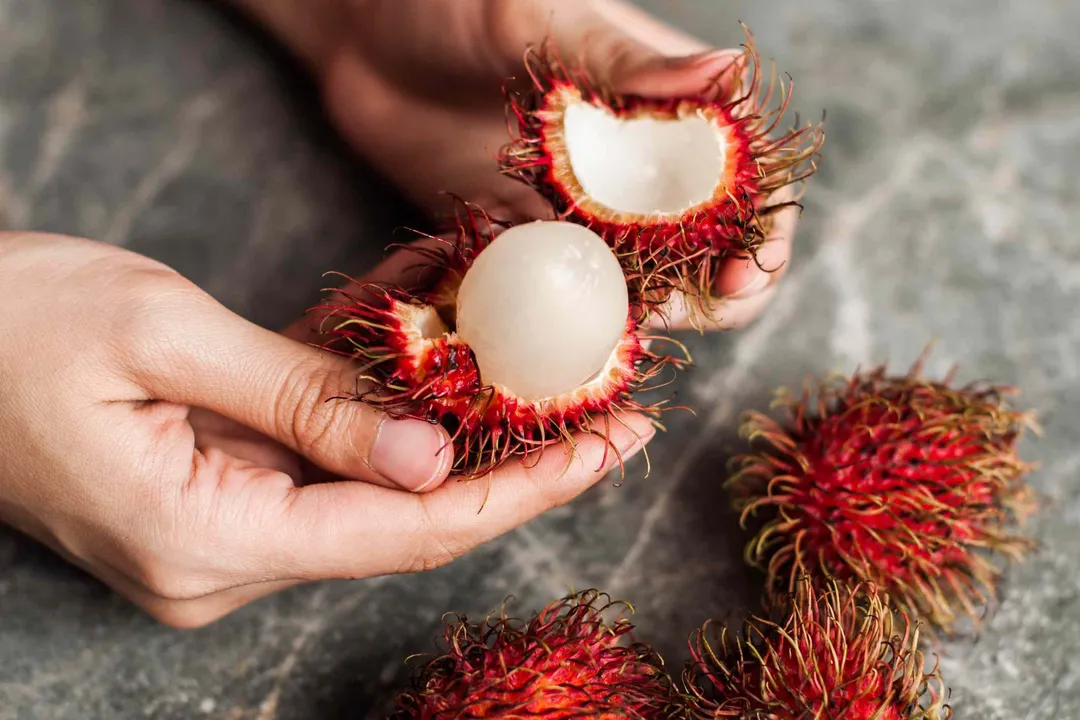
The nutritional makeup of rambutan flesh positions it as a beneficial addition to a balanced diet, supplying several key vitamins and minerals. [2][7] A standard serving of fresh rambutan is relatively low in calories, often around 75 per medium fruit, yet it delivers essential micronutrients. [4]
Vitamin C stands out as a primary component, vital for immune system support and acting as a critical antioxidant that combats damage from free radicals. [2][4] Depending on the fruit's origin and growing conditions, a 100-gram serving of pulp can provide anywhere from 24% to 77% of the recommended Daily Value (DV) for this water-soluble vitamin. [2] Copper is also present in notable amounts, crucial for the development and maintenance of various cells, including those in the bones, heart, and brain. [2][5] Other minerals found within the pulp include potassium, iron, magnesium, manganese, and zinc. [4][5] Furthermore, rambutan contains Vitamin B5 (pantothenic acid), which the body cannot produce on its own and must obtain through diet to help convert food into usable energy. [4]
It is important to note the difference between fresh and processed forms. Canned rambutan, particularly when packed in syrup, shifts the nutritional balance considerably. For instance, a cup of canned rambutan in syrup can dramatically increase the carbohydrate and sugar content compared to the fresh fruit. [2] Conversely, the inedible parts—the peel and seed—are sources of highly concentrated bioactive compounds, though they are generally advised against for direct human consumption due to potential toxicity when raw. [5][6] Researchers have cataloged significant nutritional variation across different rambutan cultivars, particularly in the pulp's ascorbic acid content, which can range from about 21.5 mg to nearly 70 mg per 100 g in some Mexican varieties. [3]
# Gut Health

One of the most consistently highlighted benefits of fresh rambutan flesh relates to digestive function, primarily due to its respectable fiber content. [2][5] Rambutan supplies both soluble and insoluble fibers, both of which play distinct, yet complementary, roles in keeping the digestive system running smoothly. [2][8]
Insoluble fiber adds necessary bulk to stools, which is fundamental for supporting regular, easy bowel movements and can thus help combat constipation. [2][5] By adding bulk, this fiber also contributes to satiety after a meal, which can assist in weight management efforts by slowing down digestion. [2] Soluble fiber takes a different approach; once it reaches the large intestine, gut bacteria ferment it, leading to the production of beneficial short-chain fatty acids (SCFAs). [2][8] These SCFAs serve as a direct fuel source for the cells lining the large intestine, which helps to regulate inflammation within the digestive tract. [2] This nourishment of the gut lining can potentially improve symptoms related to intestinal disorders like irritable bowel syndrome. [5]
When considering how rambutan fits into a daily intake strategy, an interesting point arises regarding the two fiber types. While the insoluble fiber offers immediate mechanical benefits by speeding transit time, the soluble fiber's role in producing SCFAs is a slower, continuous process that builds gut health over time, suggesting that regular, small servings are more beneficial for long-term gut flora maintenance than infrequent large binges. [2][8] This dual action—quick relief from bulk and long-term nourishment via fermentation—makes rambutan a well-rounded source of dietary fiber. [2][5]
# Antioxidant Defense
The fruit's rich supply of antioxidants, most notably Vitamin C, is central to its health-promoting profile. [2][7] Antioxidants are essential because they neutralize free radicals—unstable molecules produced as the body metabolizes food or when exposed to environmental stressors—thereby protecting cells and DNA from oxidative damage that is linked to aging and disease development. [2][4]
Vitamin C, being a potent antioxidant, also exhibits anti-inflammatory properties. [2] Consuming adequate amounts may offer protection against serious conditions like heart disease by potentially reducing high blood pressure and slowing the development of atherosclerosis, the plaque buildup in arteries. [2] Furthermore, research into Vitamin C's role has indicated its potential involvement in cancer risk reduction. [2]
Interestingly, the concentration of these beneficial compounds varies significantly depending on which part of the fruit you examine. Studies have shown that the rambutan peel contains higher levels of antioxidants, largely due to polyphenolic compounds such as geraniin and ellagic acid. [3] In one comparison, methanolic extracts of the peel demonstrated antioxidant activity far exceeding that of synthetic antioxidants like butylated hydroxytoluene (BHT) in lipid peroxidation and DPPH assays. [3] While the pulp has moderate antioxidant activity, it is generally considered less potent than the peel extract in tests like the ABTS and DPPH assays. [3] This contrast highlights that while the sweet flesh is what we eat, the discarded parts hold a significant concentration of the fruit’s protective phytochemicals. [3][6]
# Heart and Immunity
Beyond the direct antioxidant effect, several components in rambutan contribute to cardiovascular and immune health. [2][5] Potassium, an essential mineral found in the fruit, is key to maintaining proper heart function, assisting in normal muscle contraction, and supporting kidney function. [4][5] Adequate potassium intake is directly associated with helping to regulate blood pressure. [2][5]
The Vitamin C content is directly linked to maintaining robust immune health. Regular intake helps support the body's long-term defenses, potentially by stimulating the production of white blood cells needed to fight off infections. [2][5] Early research also suggests that specific extracts from the fruit may possess properties that actively combat viruses by interfering with their replication cycles, thereby making the immune system's job easier. [2]
For those monitoring their cardiovascular markers, one study noted that consuming rambutan fruit might help in lowering cholesterol levels, a primary risk factor for heart disease, although this effect was more substantially observed in female participants over a three-week period. [3][4] When incorporating rambutan, it's wise to consider what part of the diet it replaces. Swapping out a high-sugar, low-nutrient snack for rambutan supports both potassium/vitamin C intake and fiber consumption, offering a multi-pronged benefit for circulation and defense. [2][7]
# Ripeness Visual Guide
Judging the quality of the fruit before purchase or consumption is simple once you know what to look for, especially since the fruit ripens relatively quickly after picking. [3] The exterior visual cues are the most reliable indicator for enjoying the fruit at its peak sweetness and texture. [5]
| Visual Cue | Ripeness Level | Taste/Texture Implication |
|---|---|---|
| Skin is predominantly green | Unripe | Likely sour, not fully sweet [5] |
| Spines/Hairs are reddish/orange | Ripe | Peak sweetness and flavor [1][5][7] |
| Skin shows darkening or bruising | Overripe | Texture degrading, flavor less vibrant [1] |
| Flesh | Translucent white | Juicy, sweet, slightly tart [5][7] |
If you are buying fruit in a market where color variation is common across cultivars, prioritizing the deep red hues generally signals the best eating quality, though some green-skinned varieties can still be ripe and sweet. [7] To optimize your enjoyment, always aim for the reddish-hued exterior, which suggests the fruit is ready to yield its best flavor. [5] Keeping this simple visual check in mind ensures you get the most out of this unique tropical fruit, as the texture and flavor profile degrade rapidly once the fruit passes its peak. [3]
# Edible Flesh Non-Edible Parts
While the sweet, translucent flesh is safe and nutritious, the skin and seed warrant careful distinction, as they carry compounds that may be toxic when raw. [4][6] Rambutan seeds, often discarded as processing waste, have been shown in studies to contain high levels of fat and protein, and are eaten roasted in some cultures. [3] Research indicates that these seeds possess various therapeutic potentials, including significant antioxidant, antibacterial, and even antidiabetic activity due to the presence of phenolics, tannins, and saponins. [3] Extracts from the seeds have shown inhibitory activity against specific enzymes related to blood sugar regulation in lab settings. [3]
The peel is similarly dense with bioactive components. Extracts from the peel have demonstrated promising anti-inflammatory effects by reducing nitric oxide content in stimulated cells and have also been studied for antiproliferative effects against certain cancer cell lines, though results varied depending on the cancer line tested. [3] In industrial applications, the high fat content in the seed has even been explored as a viable substitute for cocoa butter in confectionery, as rambutan seed fat shares chemical similarities with cocoa fat. [3] Furthermore, rambutan seed mucilage has been isolated and investigated for use as a stabilizer, emulsifier, and thickener in food products, sometimes allowing for significantly lower-calorie dressing formulations than standard recipes. [3]
However, despite this wealth of pharmacological data derived from the non-flesh parts, the general consensus for everyday consumers is clear: avoid consuming the seed and peel raw. [4][6] The seeds can have mild narcotic properties when raw, and clear guidelines for safe home preparation (like roasting) that fully eliminate potential toxins are currently lacking in general consumer advice. [5] Therefore, for standard dietary benefits, focus solely on enjoying the fleshy aril. [6]
# Culinary Notes
Fresh rambutan flesh is wonderfully versatile. It can be eaten raw straight from the shell, making it a quick, hydrating snack. [4][7] For an easy preparation method, slice the skin open horizontally and squeeze the fruit out, or simply twist the peel apart. [5] If you prefer not to deal with the seed, simply eat around it or use a knife to separate the flesh and discard the pit. [4][7]
To integrate rambutan into meals, its slight acidity and sweetness lend themselves well to several applications. [4] It mixes beautifully into fruit salads, providing a chewy texture alongside softer fruits like mango or papaya. [5][7] The pulp can be blended into smoothies, often paired with yogurt or coconut milk for added creaminess. [5][7] Beyond raw applications, the fruit can be cooked into jams or jellies, offering a unique twist on traditional preserves. [4] For a more adventurous use, poaching the flesh in a light ginger syrup creates a delicately spiced compote perfect for topping yogurt or accompanying savory dishes like grilled meats. [4] Embracing the flesh allows one to enjoy the nutritional advantages of fiber and Vitamin C without risking the potential issues associated with the outer husk or seed. [7]
#Videos
5 Health Benefits of Rambutans, a Tropical Fruit With a Wild ...
Related Questions
#Citations
Health Benefits of Rambutan
Rambutan Fruit: Nutrition, Health Benefits and How to Eat It
Nutritional, pharmaceutical, and functional aspects of ...
A Closer Look at Lychee, Rambutan, and Mangosteen
Rambutan: Nutrition, Health Benefits, and How to eat
Health Benefits of Rambutan
Rambutan: Nutrition Facts, Health Benefits and How to Eat
5 Health Benefits of Rambutans, a Tropical Fruit With a Wild ...