Health Benefits of Quince
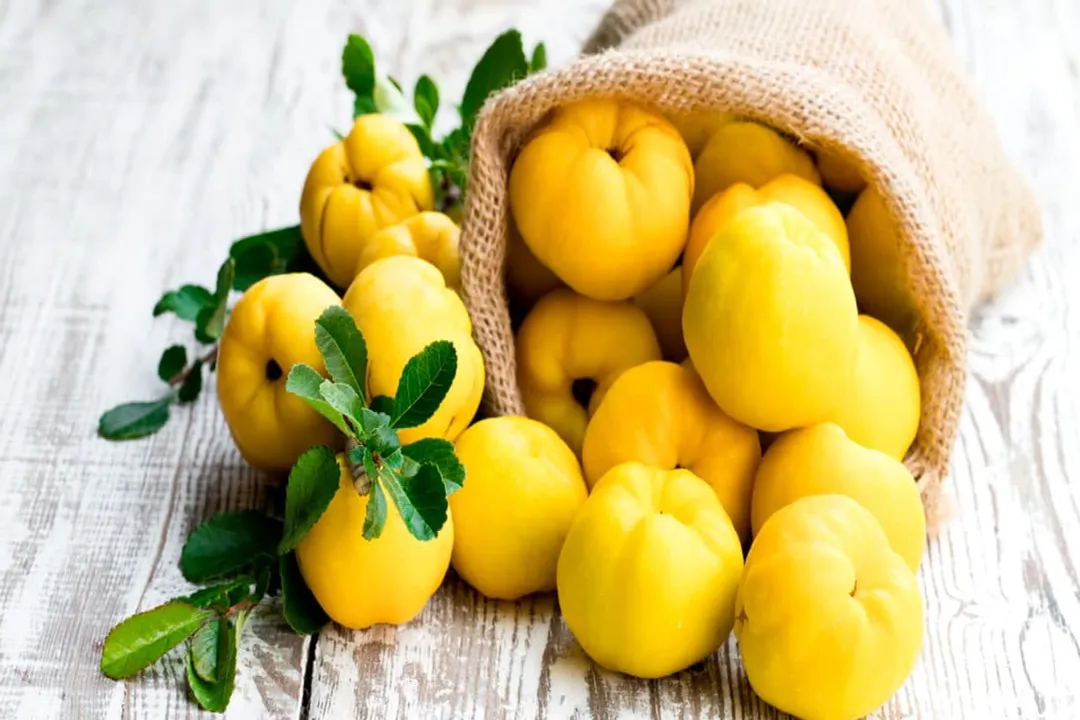
This fascinating fruit, often overlooked in favor of its more common cousins, the apple and the pear, is the quince. Belonging to the same Rosaceae family as apples and pears, the quince ( Cydonia oblonga) is a hard, acidic fruit that develops a beautiful, fragrant aroma as it ripens. [1][6] Unlike apples and pears, quince is rarely eaten raw due to its hard texture and tart flavor profile; instead, it is typically cooked, which mellows its taste and transforms its flesh from pale yellow to a stunning rosy pink or deep amber. [1][6][10] This transformation is not just aesthetic; cooking also unlocks and concentrates many of its beneficial properties, making it a historically significant ingredient in jams, jellies, and preserves, especially popular in the autumn months. [6][10]
# Nutritional Makeup
Quince is a low-calorie fruit, making it an excellent addition to weight management diets. [2][3] A breakdown of its primary nutritional components reveals a rich source of several vital compounds. It is notably high in dietary fiber, which is fundamental to its digestive benefits. [1][6][10] Regarding micronutrients, quince supplies a good amount of Vitamin C, an essential antioxidant that supports immune function. [2][5]
When we look closer at the mineral content, we find notable amounts of potassium, a mineral critical for maintaining healthy blood pressure levels, and copper, which assists in red blood cell formation. [2] While it contains iron, one must consider the cooking process; many traditional preparations involve cooking the fruit in iron pots, which can inadvertently increase the perceived iron content of the final dish, a benefit leveraged centuries ago before modern supplementation was common. [3] Though it is not a powerhouse for every single vitamin, its unique profile of phenolic compounds sets it apart. [1][5]
For readers attempting to keep their sugar intake in check, quince offers a naturally sweet alternative when ripe, and its high fiber content helps regulate the absorption of the sugars it does contain. [3][10] If you compare 100 grams of raw quince to a similar amount of raw apple, the quince often boasts a higher concentration of pectin and other insoluble fibers, illustrating why its texture remains so firm until heat is applied. [1][6]
# Gut Health
Perhaps the most celebrated aspect of quince consumption relates directly to digestive wellness, primarily due to its substantial fiber content. [1][5][10] Quince is rich in both soluble and insoluble fiber, which work together to promote regular bowel movements and prevent constipation. [3][4][6] Soluble fiber forms a gel-like substance in the digestive tract, aiding in the slowing of digestion, which contributes to feelings of fullness and helps stabilize blood sugar levels. [1][10]
The insoluble fiber, on the other hand, adds bulk to stools, helping material move more quickly and efficiently through the intestines. [4][6] This dual-action approach is highly effective for maintaining regularity. Furthermore, the complex carbohydrates found within the fruit act as prebiotics, feeding the beneficial bacteria residing in the colon. [5] A well-nourished gut microbiome is increasingly understood to influence everything from mood to overall immunity, making the regular, moderate consumption of high-pectin fruits like cooked quince an easy, enjoyable step toward supporting internal balance. [5]
A practical tip for those new to incorporating quince into their diet: because raw quince is so astringent and difficult to digest in large quantities, start by adding small amounts of cooked, stewed quince (perhaps just a quarter of a fruit serving) to plain yogurt or oatmeal. This allows your digestive system to acclimate to the higher fiber load without causing initial discomfort, a consideration often overlooked when simply reading about high-fiber foods. [1][10]
# Antioxidant Content
Quince fruit is packed with powerful plant compounds known as polyphenols, which act as potent antioxidants in the human body. [1][5] These compounds are instrumental in combating oxidative stress, a process where unstable molecules called free radicals damage cells and contribute to chronic disease development. [2][6]
Studies suggest that the antioxidant activity in quince is quite significant, rivaling or exceeding that of some commonly eaten fruits. [5] Key antioxidants present include quercetin, catechin, and chlorogenic acid. [1] These components are highly beneficial because they neutralize damaging free radicals, which can help reduce chronic inflammation throughout the body. [2]
It is interesting to note the difference in antioxidant profiles between raw and cooked quince. While high heat can sometimes degrade certain heat-sensitive vitamins like Vitamin C, the cooking process for quince often increases the bioavailability or concentration of certain bound phenolic compounds, making them more easily absorbed by the body. [1][5] This means that a well-prepared quince preserve or compote can still offer substantial protective benefits, even if the initial Vitamin C levels dip slightly. [1] This trade-off—sacrificing a little Vitamin C for greater absorption of polyphenols—is a characteristic worth keeping in mind when preparing this fruit.
# Cardiac Support
The benefits of quince extend significantly toward maintaining a healthy cardiovascular system, largely due to its fiber and mineral content. [2][3] As mentioned previously, quince is a good source of potassium. [2] Potassium is an electrolyte that works by counteracting the negative effects of sodium on blood pressure; it helps relax the walls of blood vessels, thus promoting healthier circulation and reducing strain on the heart. [2]
The soluble fiber, particularly pectin, plays a direct role in managing blood cholesterol levels. [2][3] Pectin binds to cholesterol in the digestive tract, preventing its absorption into the bloodstream and facilitating its excretion from the body. [2] Over time, consistent consumption of foods rich in soluble fiber can contribute to lower levels of LDL (often called "bad") cholesterol, which is a major risk factor for heart disease. [3]
Furthermore, the general anti-inflammatory action provided by the fruit's rich antioxidant load helps protect the lining of the blood vessels from damage, supporting overall vascular integrity. [2][5] While no single fruit is a cure-all, incorporating quince into a diet already rich in whole foods, as recommended in established heart-healthy eating plans like the Pritikin diet, adds a measurable boost of beneficial plant compounds. [10]
# Potential Protection
Beyond the established roles in digestion and heart health, traditional uses and preliminary research suggest quince may offer support in several other areas of wellness.
# Anti-Microbial Action
Quince has demonstrated anti-microbial properties in laboratory settings. [2] The polyphenols and tannins present in the fruit have shown an ability to inhibit the growth of certain bacteria and yeasts. [2] While this information is mostly derived from in vitro studies—meaning it has been observed in a test tube—it hints at the fruit's potential to support the body's natural defenses against pathogens. [2] This aligns with historical uses where quince preparations might have been employed for their soothing or protective qualities in various traditional medicinal contexts. [3]
# Managing Inflammation
The chronic, low-grade inflammation present in many modern health conditions is strongly linked to poor diet and oxidative stress. [2][5] Since quince is abundant in polyphenols, its regular inclusion in the diet supports the body’s internal mechanism for dampening this inflammation. [2][5] By reducing the presence of free radicals, the fruit helps to lower the overall inflammatory burden, which is beneficial for systemic health, including potentially benefiting conditions related to the digestive tract or circulatory system. [2]
# Skin and Mucous Membranes
There is evidence suggesting that quince extract can be beneficial for the skin and mucous membranes. [3] This effect is often attributed to the fruit's high vitamin and antioxidant composition, which aids in tissue repair and protection against environmental stressors. [3] In older medical literature, decoctions or preparations involving quince were sometimes applied topically or used for soothing irritated tissues, reflecting an ancient understanding of its astringent and protective qualities. [3]
# Traditional Uses Context
It is valuable to place quince within its historical context to fully appreciate its modern benefits. Unlike many fruits that were eaten fresh year-round, quince was a staple of the late harvest season, often preserved to last through the winter months. [6][10] This necessity for preservation shaped how we consume it today, emphasizing cooking, sweetening (jams/jellies), and drying. [6]
Interestingly, some sources note traditional uses for treating certain gastrointestinal complaints, like diarrhea, which seems contradictory to its use for constipation. [3] This highlights the dual nature of its fiber content: insoluble fiber promotes movement, while soluble fiber (pectin) can absorb excess water and bulk up loose stool, providing relief for different digestive upset scenarios depending on the preparation and the body’s needs. [1][10]
When looking at its use in addressing anemia, which some sources mention in traditional contexts, we see a correlation with iron absorption. [3] While quince is not inherently packed with iron, the Vitamin C it contains is known to significantly enhance the body's ability to absorb non-heme iron from other dietary sources. Therefore, pairing a serving of cooked quince with an iron-rich meal, even one based on legumes or fortified grains, could have been an ancient, effective strategy for nutritional supplementation. [2][3]
| Component | Primary Benefit Category | Key Role |
|---|---|---|
| Pectin (Soluble Fiber) | Digestive Health, Heart Health | Cholesterol binding; blood sugar stabilization [1][2] |
| Insoluble Fiber | Digestive Health | Promoting bowel regularity; preventing constipation [4][6] |
| Polyphenols (e.g., Quercetin) | Antioxidant/Anti-inflammatory | Combating free radicals and reducing cellular stress [1][5] |
| Potassium | Heart Health | Regulating blood pressure and fluid balance [2] |
| Vitamin C | Immunity | Supporting the immune system; enhancing iron absorption [2][5] |
# Preparation Considerations
The way quince is prepared directly impacts its final nutritional profile and palatability. Since eating it raw is usually off-putting—the flesh is hard, grainy, and intensely tart due to high tannin levels—cooking is essential. [1][6] Boiling, baking, or poaching are the main methods. [6]
The crucial takeaway for anyone looking to maximize health benefits is that cooking transforms tannins, which are responsible for the fruit's astringency, breaking them down and allowing the sweet and floral flavors to emerge. [6] This process also often results in a deeper color change, signifying the concentration of certain beneficial compounds. [1][6]
To create a simple, healthy preparation, try poaching quince halves in water with a small amount of cinnamon or star anise, avoiding excessive added sugar. Once tender (which can take 45 minutes to an hour, depending on ripeness), the fruit can be stored in the resulting syrup in the refrigerator. This method preserves the delicate flavor while ensuring the fruit is soft enough to easily incorporate into morning cereal or use as a side for savory dishes, providing a sustained source of fiber and antioxidants throughout the week. [10] This slow-cook method generally retains more Vitamin C than a very rapid, high-heat method might, offering a balanced approach to nutrient preservation. [1]
Related Questions
#Citations
8 Emerging Health Benefits of Quince (And How to Eat It) - Healthline
8 health benefits of quince | Vinmec
What are the Benefits of Quince? What is Quince Good For?
Quince - Uses, Side Effects, and More - WebMD
Cardiovascular Effects of Cydonia oblonga Miller (Quince) - PMC - NIH
What Is Quince Fruit? Top 6 Benefits + How to Eat It - Dr. Axe
Bring on the fragrant quince, both culinary and medicinal delight
The health benefits of quince - Quinta de Jugais
Benefits of Quince - Private Magnet Hospital
What is Quince Fruit? The Secret Food of Fall