Health Benefits of Plumcot
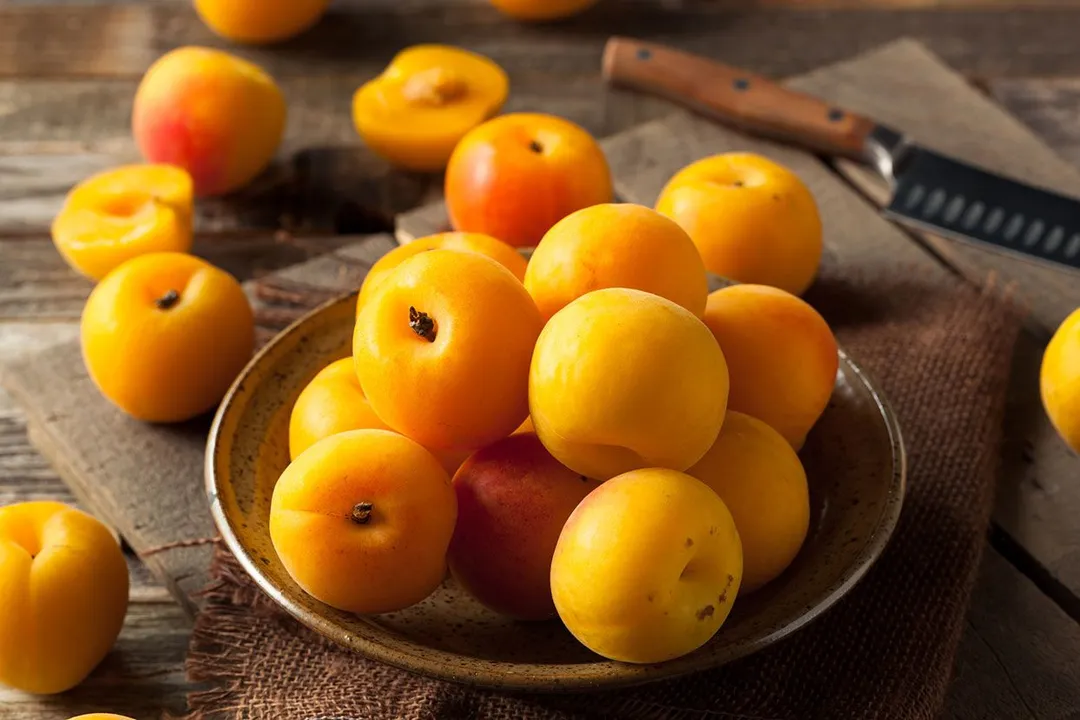
The plumcot, sometimes marketed interchangeably with the pluot, represents an intriguing intersection of two beloved stone fruits: the plum and the apricot. This hybrid, scientifically known as a pluot, is not simply a cross-pollination that happens randomly in nature but rather a deliberate creation resulting from grafting a plum onto an apricot tree, or vice-versa, depending on the specific goal of the breeding. The result is a fruit that often boasts the sweet, juicy flesh of a plum combined with the distinct aroma and thin, less fuzzy skin of an apricot. For those unfamiliar, encountering this fruit in the market can be exciting, as it offers a flavor profile that shifts between tartness and deep sweetness depending on the ripeness and variety. Understanding the value of incorporating this fascinating fruit into one's diet requires looking closely at the established nutritional advantages inherited from its parentage.
# Hybrid Origin
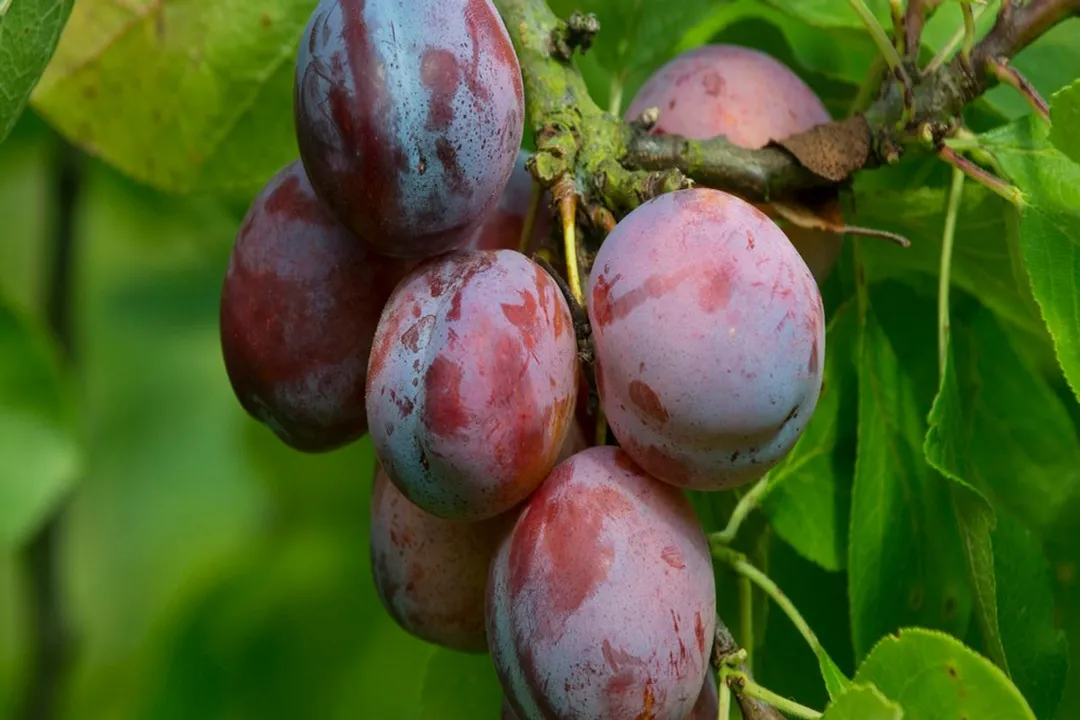
The development of these hybrid stone fruits is a story of horticultural refinement. While the term "plumcot" might be used broadly, the modern, highly sought-after varieties are often specifically called pluots, the result of careful breeding efforts designed to maximize desirable traits like texture, size, and flavor intensity. Essentially, you are getting the best characteristics of both fruits bundled into one package. This carefully engineered profile means that the nutritional makeup is a composite, offering benefits associated with both plums and apricots. The fruit skin itself is generally smoother than a standard plum, which can be appealing for those who dislike the slight fuzziness sometimes present on other stone fruits.
# Nutrient Profile
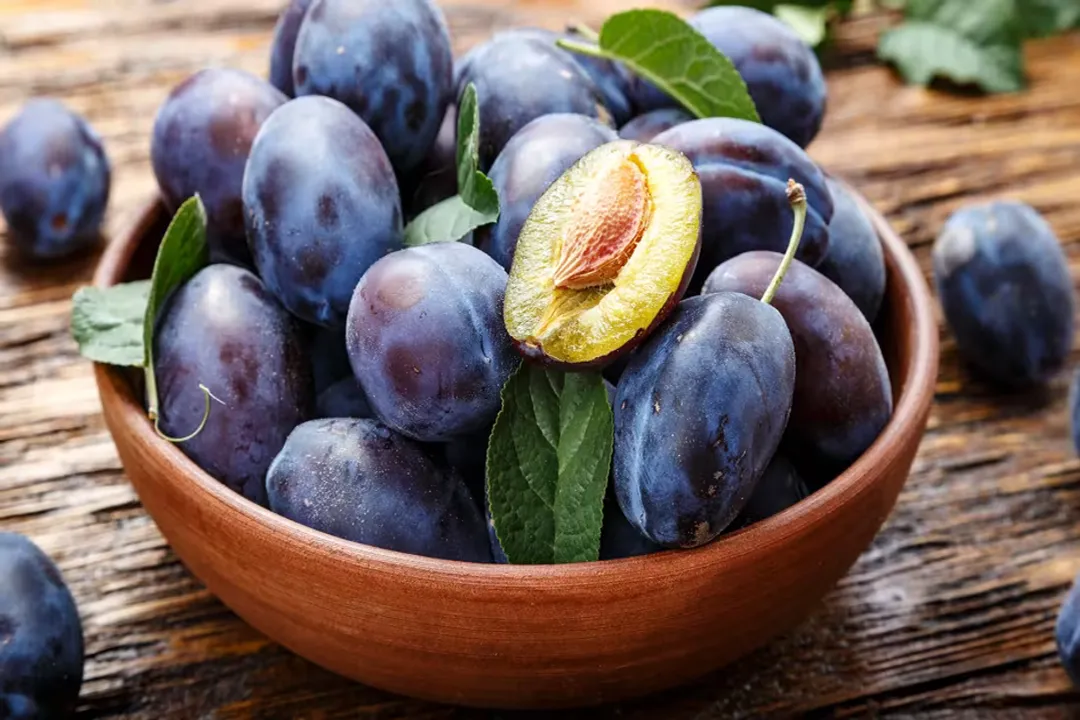
Examining the nutritional content reveals why this fruit deserves attention. Like many vibrant fruits, plumcots are rich in essential vitamins and minerals inherited from their ancestors. For instance, one might expect significant amounts of Vitamin C, a well-known immune supporter, and Vitamin A, important for vision and skin health. Given their stone fruit background, they also provide important micronutrients like potassium, which aids in fluid balance and blood pressure regulation.
A key element of their health contribution comes from dietary fiber, a component plentiful in both plums and prunes. While specific macronutrient breakdowns for every plumcot variety might vary widely—just as plum varieties differ—the general expectation is a nutrient-dense snack.
To illustrate the inherited strengths, considering the components of the parent fruits offers a baseline for appreciation:
| Nutrient Group | Primary Benefit Area (Inherited) | Source Example |
|---|---|---|
| Fiber | Digestive regularity, satiety | Plums/Prunes |
| Vitamin K | Blood clotting, bone strength | Plums |
| Potassium | Blood pressure management | Plums |
| Antioxidants | Cellular protection | Stone Fruits |
When you select a plumcot, you are choosing a fruit where the skin, which is often left on due to its thin texture, contributes substantially to the overall nutrient load, particularly the beneficial phenolic compounds.
# Digestive Aid

One of the most consistently cited health advantages tied to this fruit family is digestive support, primarily driven by its fiber content. Plums, and especially dried plums (prunes), are famous for this effect. Because plumcots contain both soluble and insoluble fiber, they work in tandem to support a healthy gut environment. Insoluble fiber adds bulk to stool, helping to promote regular bowel movements. Soluble fiber, on the other hand, dissolves in water to form a gel-like substance, which can help slow digestion, contributing to feelings of fullness, and acting as a prebiotic to feed beneficial gut bacteria.
If you are actively trying to increase your daily fiber intake, incorporating a couple of fresh plumcots is an enjoyable way to contribute toward that goal, far more palatable for some than consuming straight prunes. The presence of sorbitol, a naturally occurring sugar alcohol found in plums, also contributes to the laxative effect, though this is more pronounced in prunes. For most people eating fresh plumcots in moderation, this effect is simply good gut support rather than an overly aggressive one.
# Antioxidant Power
The vibrant color present in the skin of the plumcot is a visual cue for its high concentration of antioxidants. These natural compounds, such as polyphenols, are critical because they combat free radicals within the body, unstable molecules that can cause oxidative stress and contribute to aging and disease. Plums are known sources of these protective agents.
When comparing different types of stone fruit, the concentration and type of these beneficial compounds can vary, but the inherent presence in the plumcot skin suggests a substantial protective contribution. Think of these antioxidants as your internal defense system, working to keep cells healthy. Eating fruit that exhibits a deep, rich hue—whether it’s a deep purple plumcot or a deep red plum—often correlates directly with a higher intake of these disease-fighting phytonutrients.
# Bone Strength
The health of your skeletal system can benefit from the nutrients found within this crossbreed. Specifically, Vitamin K, which is present in plums, is essential for proper blood clotting and plays a significant role in maintaining bone health by assisting in the proper utilization of calcium. Furthermore, the mineral content, including potassium, also supports bone density. Studies looking at plum consumption have indicated a positive correlation with improved bone health markers, especially in postmenopausal women who are often at higher risk for bone density loss. By consuming the whole fruit, the skin and flesh together, plumcots deliver these bone-supporting vitamins and minerals in a ready-to-use package.
# Heart Support
Cardiovascular wellness often relies on maintaining healthy blood pressure and cholesterol levels, areas where the plumcot’s profile shines due to its fiber and potassium content. Potassium is a vital electrolyte that helps balance the negative effects of sodium on blood pressure. A diet rich in potassium can therefore contribute to keeping blood pressure in a healthy range. Additionally, the fiber within the fruit can assist in managing cholesterol levels by binding to cholesterol in the digestive tract and preventing its absorption. The combination of these factors positions stone fruits like the plumcot as heart-friendly additions to a balanced diet.
# Flavor Pairing Insight
Since the plumcot offers a unique blend of sweet and tart notes, matching it with other foods can enhance the eating experience significantly. For example, if you select a variety that leans more toward the tart side, pairing it with a creamy element, like Greek yogurt or a soft, mild cheese such as ricotta, can balance the acidity beautifully. Conversely, if you have a very sweet, juicy plumcot, slicing it thinly and adding a tiny sprinkle of sea salt right before eating can actually intensify the perceived sweetness and contrast the flavors in a surprising way. This small adjustment transforms a simple snack into a more complex tasting experience, which can encourage more frequent enjoyment of the fruit.
# Seasonal Consumption Strategy
Because plumcots and pluots are seasonal specialties, often reaching their peak flavor availability during the summer months, planning when and where to purchase them becomes part of maximizing their benefit. Unlike year-round staples, the window for peak freshness is shorter. If you live in a region where these are grown locally, making a point to visit a farmers' market during their season guarantees you are getting the fruit closest to harvest, meaning the highest potential nutrient and flavor retention. If you find an abundance of high-quality specimens, consider quickly freezing sliced portions for later use in smoothies or oatmeal topping; while freezing alters texture slightly, the nutritional profile, especially the water-soluble vitamins, remains largely intact compared to buying out-of-season imports that have traveled long distances. This conscious purchasing and consumption strategy ensures you capitalize on the fruit when it is at its very best.
# Skin Health Factor
The emphasis on skin health often appears when discussing plums, and this quality carries over to the plumcot. The combination of hydration from the fruit's water content, alongside the Vitamin C and antioxidant load, supports the body’s ability to repair itself and maintain the skin’s structure. Vitamin C is necessary for collagen production, the main structural protein in skin tissue. Regularly consuming fruits rich in these compounds helps protect the skin from environmental damage and supports a healthy complexion from the inside out.
# Quick Preparation Checklist
To integrate plumcots easily into daily routines, simple preparation methods are key. Here is a quick reference for preparing these fruits for consumption or light meal inclusion:
- Rinsing: Always wash the fruit thoroughly under cool, running water, even if you plan to peel it (which is rarely necessary due to the thin skin).
- Fresh Snacking: Eat them whole and raw for maximum benefit, especially leaving the skin on.
- Salad Addition: Slice into green salads where their sweetness and acidity can contrast greens and savory components like nuts or feta cheese.
- Light Cooking: They can be gently warmed or grilled briefly; this softens the flesh and concentrates the sugars, making them an excellent topping for whole-grain cereals or toasted bread, similar to how one might prepare fresh plums.
- Smoothie Base: De-seed and blend into morning drinks, pairing them with mild flavors like banana or spinach to let the plumcot's unique taste still shine through.
By focusing on these straightforward methods, one can consistently benefit from the nutritional inheritance packed within this unique stone fruit hybrid. The plumcot stands out as a delicious, nutrient-providing option derived from established healthy fruits, offering fiber, vitamins, and vital antioxidants in a single bite.
Related Questions
#Citations
What Is a Plumcot—and Should You Be Eating Them? - EatingWell
7 Health Benefits Of Pluots - DoveMed
Pluots: Your Guide to a Unique Hybrid Fruit - The FruitGuys
Plumcot - Flower of the Gods
6 Health Benefits of Plums - Health Cleveland Clinic
7 Health Benefits of Plums and Prunes - Healthline
The Sweet Health Benefits Inside Stone Fruit | Heinen's Grocery Store
Top 5 health benefits of plums - BBC Good Food
Health Benefits of Plums