Health Benefits of Pineberry
# Berry Profile

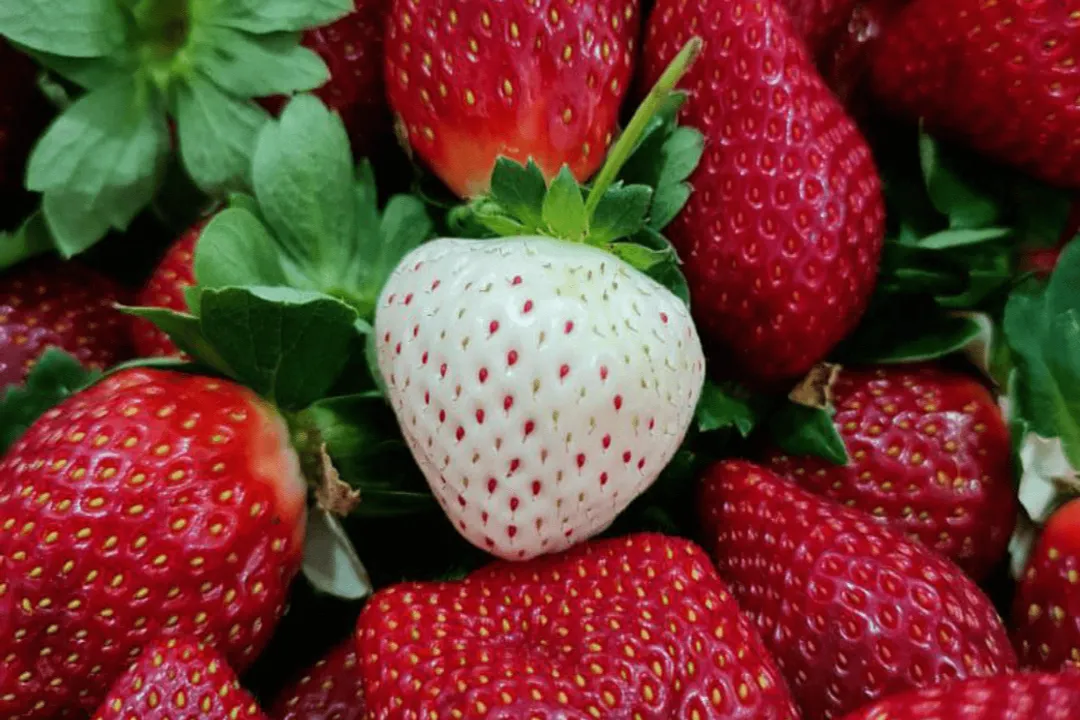
The world of fruit often revolves around familiar favorites, but nestled among the common varieties is a fascinating, smaller gem that warrants attention: the pineberry. Often gaining attention under the moniker "white strawberry" or sometimes referred to as the "pineapple strawberry," this fruit presents a visual surprise upon first glance. Shaped similarly to its well-known red cousin, the pineberry sports a creamy white exterior, distinctively punctuated by its tiny red seeds. While it shares the basic structure of a strawberry, its flavor and growing cycle set it apart as a seasonal delicacy sought after by food enthusiasts.
# Hybrid Origins

Despite the initial appearance that might suggest laboratory tinkering, the pineberry is not the product of genetic modification; it is a naturally bred hybrid. Its ancestry traces back to the cross-pollination of two distinct wild strawberry varieties: Fragaria chiloensis, native to South America, and Fragaria virginiana from North America. This specific cross-breeding resulted in the unique white fruit we see today. In some cultivated versions, like the Pink-A-Boo® Pineberry developed at the University of Florida, the cross involved a Japanese white strawberry and a Florida red strawberry. A key biochemical difference noted in these light-colored berries is the natural absence of Anthocyanin, the flavonoid compound responsible for the deep red hue found in standard strawberries.
# Taste Unveiled
The most captivating aspect of the pineberry might be its flavor profile, which delivers a gentle shift from expectation. The initial taste offers a familiar sweetness, much like that of a regular strawberry. However, this is quickly followed by a subtle tartness that adds depth to the experience. What truly distinguishes it is a background note—a delicate, tropical hint often described as reminiscent of pineapple. Because this fruit is so subtly flavored and aromatic, many enthusiasts find that it shines brightest when enjoyed in its freshest state, rather than being cooked down or heavily processed. This delicate profile means they pair exceptionally well with ingredients that complement subtlety, such as soft cheeses like goat cheese or burrata. Interestingly, while they can be used in salads or desserts just as one might use red strawberries, their sensitivity often guides cooks toward simpler preparations like using them as a fresh garnish.
If you happen to find a batch that displays a light pink blush instead of being completely white, you are likely looking at a fully ripe specimen of certain strains, like the Pink-A-Boo variety. Because their ripening signal is not the deep red associated with other berries—a color that comes from the absent anthocyanins—paying close attention to that slightest pink hue rather than waiting for the white to deepen is crucial for maximizing peak sweetness.
# Core Nutrients
Beyond its novelty, the pineberry offers a nutritional package that aligns it with the health benefits associated with strawberries. These small fruits are quite dense in several essential vitamins and dietary components. They are considered a good source of important elements, including Vitamin A, Vitamin C, and folate.
# Vitamin C Content
Vitamin C stands out as a significant component in the pineberry. As a well-known, potent antioxidant, Vitamin C plays a key role in several bodily functions. It contributes directly to strengthening the immune system, helps in the production of collagen necessary for healthy skin maintenance, and aids the body in effectively absorbing iron from consumed foods.
# Essential Minerals
The nutritional profile also includes other beneficial compounds critical for long-term health. Pineberries supply Folic Acid, which is recognized for its contributions to promoting brain health and assisting the body in the production and maintenance of new cells, in addition to potentially reducing the risk factors for heart disease. Furthermore, these berries offer Phosphorus, a mineral vital for developing and maintaining strong bone structure, healthy teeth, and supporting effective muscle recovery after exertion.
# Digestive Aid
Dietary fiber is another component present in pineberries, making them a functional addition to the diet for anyone focused on gut health. Fiber is an essential macronutrient for ensuring the digestive system maintains regularity and function.
When you consider their low-calorie nature—comparable to other popular berries—their vitamin and mineral density makes them a sound choice for a healthy snack or addition to meals. The general presence of various antioxidants in the fruit helps the body in the ongoing effort to combat oxidative stress.
# Immune Support
The concentration of nutrients, particularly Vitamin C and other antioxidants, translates directly into tangible support for the body's defenses. By feeding the body these protective compounds, pineberries assist in fortifying the immune system, potentially helping individuals maintain wellness, especially during times of seasonal challenge. The action of antioxidants in mitigating damage from oxidative stress is a general health mechanism that supports systemic resilience, which is foundational to immune strength.
# Heart Wellness
Supporting cardiovascular function is another area where incorporating pineberries can be beneficial. The presence of Folic Acid is specifically noted for its role in helping to reduce risks associated with heart disease. Combined with the actions of Vitamin C, which may assist in managing normal high blood pressure levels, the fruit contributes to overall circulatory health.
# Handling Tips
Because pineberries are delicate, their shelf life is quite limited compared to heartier fruits. They are prone to softening quickly, making proper storage essential to get the most enjoyment from their unique flavor. If you purchase them and cannot consume them immediately, treat them with care: keep them refrigerated and aim to eat them as soon as possible after purchase.
The extreme perishability mentioned for pineberries suggests that, unlike a common red strawberry which might have slightly tougher skin and more pigment for protection, the white berry may break down structurally faster once picked. If you do need to delay eating them by a day or two, ensuring you place them in an airtight container lined with a slightly dry paper towel within the refrigerator's crisper drawer can offer minimal protection, but the best experience will always be within 24 hours of bringing them home. Their texture and flavor degrade rapidly once moisture exposure occurs, so avoid washing them until the moment you are ready to eat them.
# Seasonal Availability
Enjoying this fruit is, by nature, a limited event, which adds to its appeal as a seasonal treat. Pineberries thrive in temperate climates and show sensitivity to significant temperature fluctuations during growth. Their primary availability window generally falls within the spring to early summer period. For example, growers in California might have seasons stretching from January through October, while the Florida season often runs between November and April. This relatively short growing period means that sourcing them requires a bit more planning or a visit to a specialty grocer when they are in season.
# Culinary Application
When considering how to serve pineberries, their unique flavor guides the best approach. Since they are naturally low in calories, they are an excellent, guilt-free addition to daily eating habits. Think of them as a direct, slightly exotic substitute for strawberries in many recipes, but remember their delicate structure.
They shine when used simply:
- Fresh Eating: The best way to appreciate the pineapple undertones is to eat them raw and unadulterated.
- Salads: They add visual interest and a sweet-tart note to green salads, especially those featuring complementary soft cheeses.
- Beverages: Blending them into smoothies or incorporating them into specialty cocktails can be a great way to utilize a larger batch quickly.
A final thought for the home cook: when serving a fruit like this that lacks the deep pigmentation of anthocyanins, presentation becomes part of the experience. Their creamy white color offers a stark, elegant contrast when paired with darker ingredients, like a dark chocolate drizzle or nestled next to a deep green mint leaf, making simple plating look sophisticated.
This rare berry offers more than just a beautiful appearance; it provides a distinct flavor experience underpinned by vitamins and antioxidants that support essential bodily systems, from immunity to cardiovascular function. Keep an eye out for them during their short season to taste this truly unique crossbreed of the berry world.
#Videos
What are Pineberries & Should You Be Eating Them? A ... - YouTube
Related Questions
#Citations
Food for Thought – Pineberries - GatorCare
What are Pineberries & Should You Be Eating Them? A ... - YouTube
Berry Facts | About Wish Farms Berries
Pineberries: The New Fruit You'll Love For Summer | Clean Eating