Health Benefits of Pineapple

This bright, spiky fruit, often associated with tropical cocktails and pizza toppings, packs a surprisingly potent punch of nutrition that extends well beyond its sweet and tart flavor profile. Introducing more pineapple into your daily routine can offer tangible benefits rooted in its unique combination of vitamins, minerals, and a specific enzyme found nowhere else in such concentration. Far from being just a sugary fruit, pineapple supports several key bodily functions, from making food easier to digest to potentially calming down systemic irritation. [1][2]
# Digestive Aid

The most famous component of pineapple, and perhaps the reason it has been studied extensively in relation to digestion, is bromelain. [3][4] Bromelain is a group of protein-digesting enzymes, known as proteases, which essentially break down large protein molecules into smaller, more manageable peptides and amino acids. [2][5] This enzymatic action can significantly assist the stomach and small intestine in processing meals, particularly those rich in meat or dairy. [3]
Interestingly, while bromelain is abundant in the fruit, it is most concentrated in the tough, fibrous core of the pineapple, which many people discard. [3] If you are eating pineapple specifically to aid digestion after a large meal, consider chewing the core slowly or blending the entire fruit—core included—into a smoothie. The heat from canning or prolonged cooking will denature (inactivate) the bromelain enzyme, meaning canned or cooked pineapple will not offer the same proteolytic digestive support as its fresh counterpart. [3][4] This distinction is important: fresh pineapple acts as a natural digestive supplement, while canned pineapple primarily offers vitamins and sweetness. [4]
# Core Nutrients

Beyond the enzyme bromelain, pineapple is a nutritional powerhouse, particularly renowned for its high concentration of certain micronutrients. [1] A single serving can provide a substantial portion of the recommended daily intake for key vitamins and minerals essential for energy production and overall bodily maintenance. [6]
One area where pineapple truly shines is its Vitamin C content. [4] Vitamin C is a powerful antioxidant that plays a vital role in supporting the immune system, aiding in collagen production for skin and connective tissue repair, and helping the body absorb iron. [1][6] For many adults, just one serving of pineapple can fulfill more than the recommended daily amount of this critical vitamin. [6]
Equally important, though often overlooked, is the mineral manganese. [1][5] Manganese is crucial for bone formation, metabolism, and acting as a cofactor for several essential enzymes in the body. [5] Consuming pineapple offers a simple, delicious route to boosting your manganese levels, supporting both skeletal strength and metabolic efficiency. [5][6] The balance between these vitamins and minerals contributes to why this fruit is viewed favorably in nutritional assessments. [1]

# Immune Support
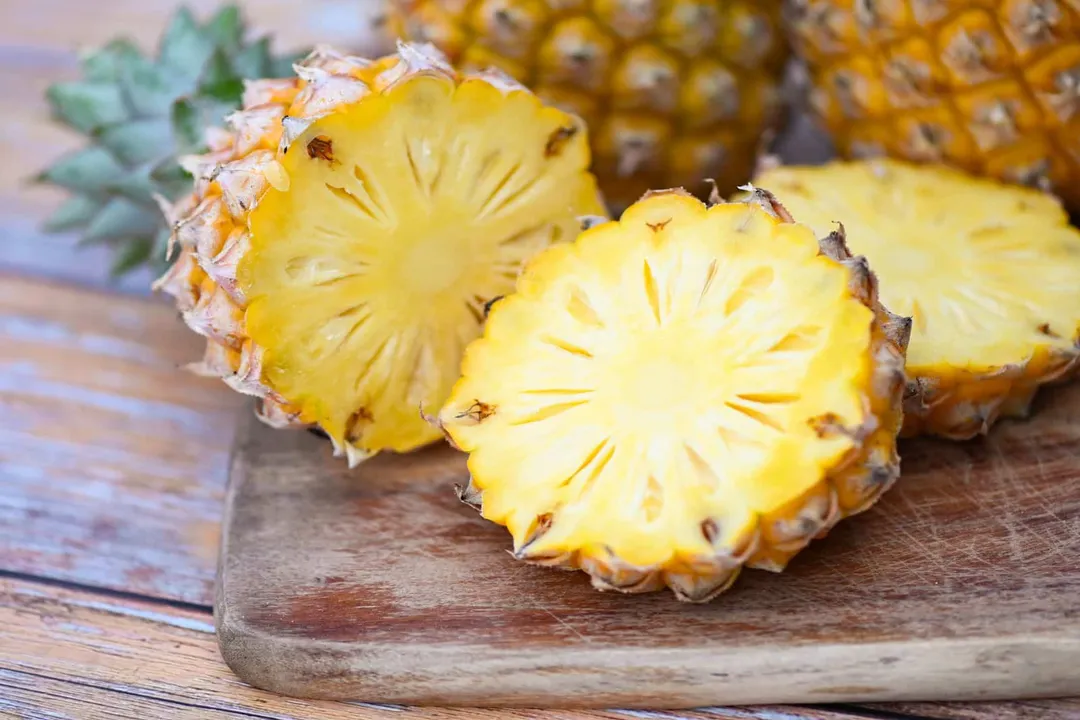
The synergy between pineapple’s nutrients creates a supportive environment for the body’s defenses. The massive dose of Vitamin C immediately bolsters the immune system, providing the building blocks needed for immune cell function. [1][4]
When looking at recovery, especially following intense physical activity or periods of illness, the combination of hydration, Vitamin C, and anti-inflammatory compounds may expedite the return to normal function. [1] If you find yourself recovering from a cold, prioritizing fresh pineapple over highly processed sugary drinks can provide necessary hydration alongside immune-boosting vitamins. [6] This contrasts with simply consuming a multivitamin, as the fruit delivers its nutrients packaged with water, fiber, and other beneficial phytonutrients. [2]
# Inflammation Control

Inflammation is the body’s natural response to injury or infection, but chronic, low-grade inflammation is linked to various modern ailments. [5] This is where bromelain gets attention again, as studies suggest it possesses significant anti-inflammatory properties. [5][7]
Bromelain is thought to modulate the immune response by influencing inflammatory pathways in the body. [5] While the effect is less acute than a prescribed anti-inflammatory medication, consistent dietary inclusion of bromelain-rich foods like fresh pineapple may contribute to managing overall inflammatory load. [7] Some clinical observations have noted that consuming pineapple can help reduce swelling and bruising, particularly after surgical procedures or intense athletic activity. [3][4]
If you participate in high-impact sports, consider this simple afternoon recovery strategy: blend a cup of plain Greek yogurt (for protein) with a large chunk of fresh pineapple core and a handful of spinach. The yogurt provides sustained energy and protein synthesis support, while the pineapple delivers the bromelain directly targeting muscle soreness and inflammation. [5] This approach harnesses the fruit’s unique enzyme alongside standard recovery nutrients.
# Antioxidant Power
Pineapples are loaded with various antioxidants beyond just Vitamin C. [1] Antioxidants are compounds that help protect your cells against damage caused by free radicals, which are unstable molecules produced during normal metabolic processes or due to exposure to environmental toxins. [1][5]
The spectrum of antioxidants present in pineapple works together to neutralize these damaging molecules. [5] This protective action is important for long-term cellular health and maintaining the integrity of tissues, including the skin and eyes. [1] While many fruits contain antioxidants, the specific profile found in pineapple contributes to its reputation as a functional food. [2]
# Vision and Skin Health
The nutritional makeup also lends itself to supporting vision. The combination of Vitamin C and other potentially synergistic compounds found within the fruit has been linked to supporting eye health. [1] Furthermore, the high Vitamin C concentration is intrinsically linked to skin health, as collagen production—the protein that gives skin its structure and elasticity—is dependent on adequate Vitamin C intake. [6] Including pineapple ensures the body has the necessary raw material to maintain skin repair and firmness. [1]

# Enjoyment and Integration
Ultimately, the health benefits are only accessible if the fruit is enjoyed consistently. Pineapple works well in savory dishes, not just sweet ones. [8] You can slice it thinly and grill it to bring out its sweetness before serving it alongside pork chops or chicken, providing a natural tenderizer (thanks to bromelain) and balancing the richness of the meat. [8] For those seeking the maximum enzyme benefit, fresh consumption is key, whether eaten alone or incorporated into salads, salsas, or as a digestive element with a meal. [3][4] The fruit offers an easily accessible way to increase intake of vital nutrients like Vitamin C and Manganese, making it a simple, tasty addition to a health-conscious diet. [6]
Related Questions
#Citations
Pineapple: Nutrition, Benefits, and Risks - Healthline
7 Reasons Pineapple Is Good for You - Health Cleveland Clinic
Health Benefits of Pineapple - WebMD
Top 10 health benefits of pineapple - BBC Good Food
Pineapple (Ananas comosus): A comprehensive review of nutritional ...
The Unexpected Health Benefits of Pineapple - Alameda Post
Pineapple: 5 Health Benefits and Ways to Enjoy It - HealthXchange.sg
5 Health Benefits of Pineapple
Explore the Health Benefits of Pineapple | Vive Organic
Let's Chat: The Power of Pineapple! Today's topic ... - Facebook