Health Benefits of Nectarine
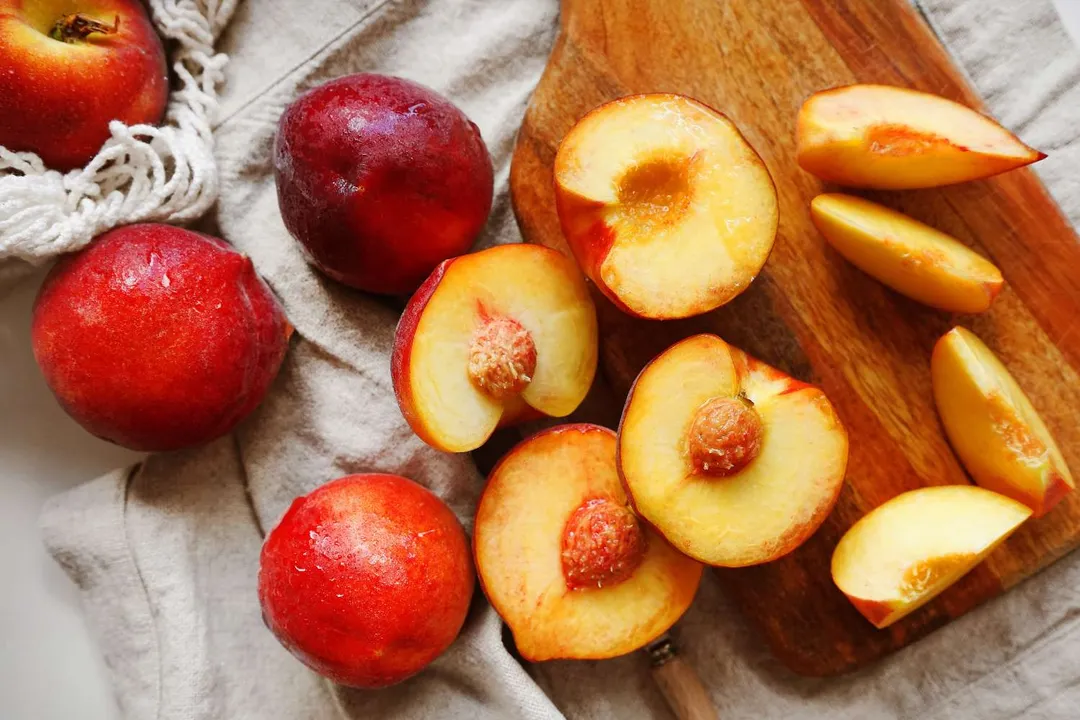
The sweet, slightly tart flavor of a nectarine makes it a delightful addition to almost any diet, but beyond its taste, this smooth-skinned stone fruit packs a considerable punch in terms of nutrition and potential wellness support. Often confused with its fuzzy cousin, the peach, the nectarine is genetically very similar, though its smooth exterior might influence how we consume it, which in turn can affect nutrient exposure. [6][9] As a member of the Prunus genus, alongside plums and apricots, the nectarine offers a compact package of vitamins, minerals, and beneficial plant compounds that contribute to various bodily functions. [6] When looking for a refreshing, low-calorie fruit, understanding its specific advantages can help you incorporate it more intentionally into your daily eating habits. [1][7]
# Skin Texture
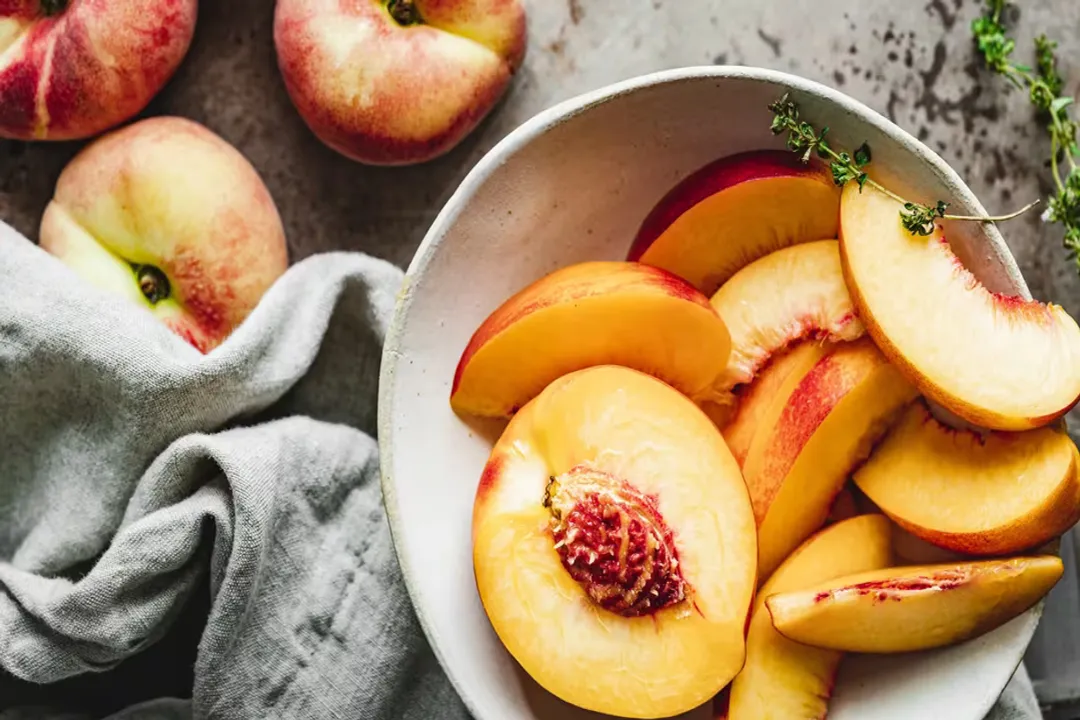
One of the most immediate differences between nectarines and peaches is the lack of fuzz on the nectarine's skin. [6] This smooth peel means the entire fruit can be eaten without a second thought about texture, which may encourage more whole-fruit consumption. [9] While the skin of both fruits is highly nutritious, containing many of the beneficial compounds, the texture difference is notable. [7] Some consumers prefer nectarines specifically because they are easier to clean and eat whole, which is an advantage when adding them to quick snacks or salads where the fuzzy skin of a peach might be distracting. [9] This preference for the texture can translate directly into more consistent consumption, which is key to reaping any long-term health rewards. [6]
# Vitamin Content
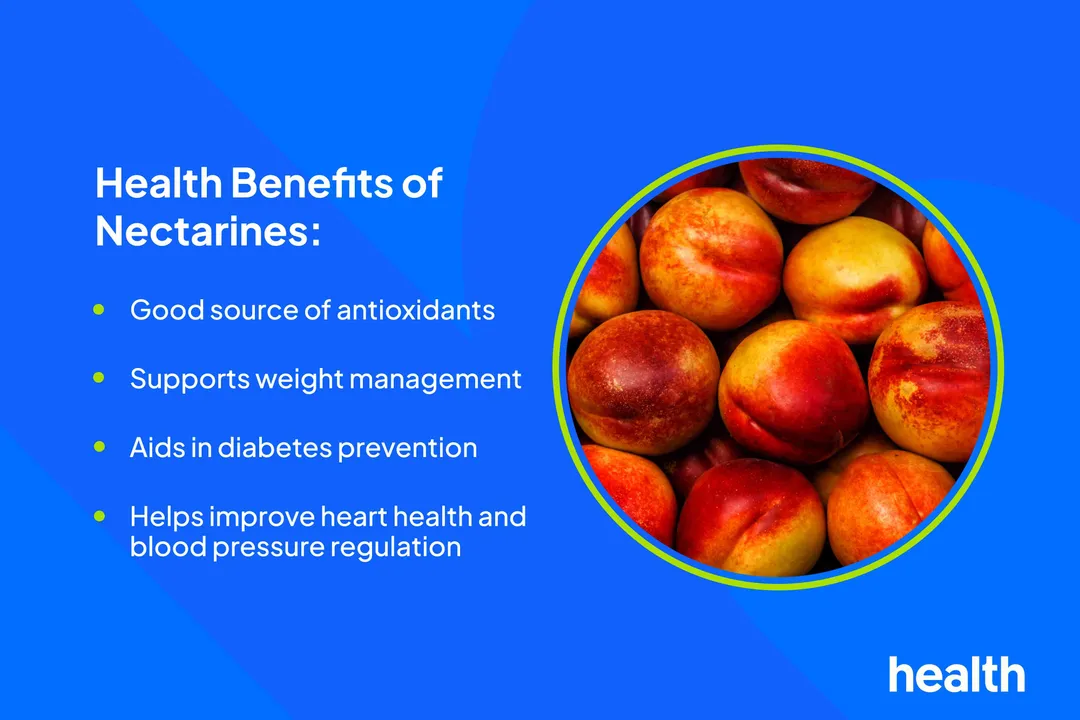
Nectarines are remarkably rich in several essential vitamins, making them a valuable source of daily micronutrients. [1][7] A significant component is Vitamin C, an antioxidant known for supporting immune function and assisting in the production of collagen, which is vital for healthy skin, bones, and blood vessels. [1][7] While the exact content can vary based on ripeness and variety, a single medium nectarine can contribute a meaningful portion of the recommended daily intake for this immune booster. [1]
Another major player in the nectarine's nutritional profile is Vitamin A, primarily in the form of beta-carotene. [1][7] This carotenoid is crucial for maintaining good eyesight, particularly vision in low light conditions, and also plays a role in immune function and cell growth. [1][7] The presence of Vitamin A precursors like beta-carotene is concentrated just beneath the skin, making eating the skin all the more important. [7] Furthermore, nectarines provide smaller amounts of other necessary vitamins, including Vitamin K, which is important for blood clotting and bone health, and certain B vitamins. [2][7] This combination of vitamins provides a broad spectrum of support, from cellular repair to immune defense. [1]

# Digestive Support
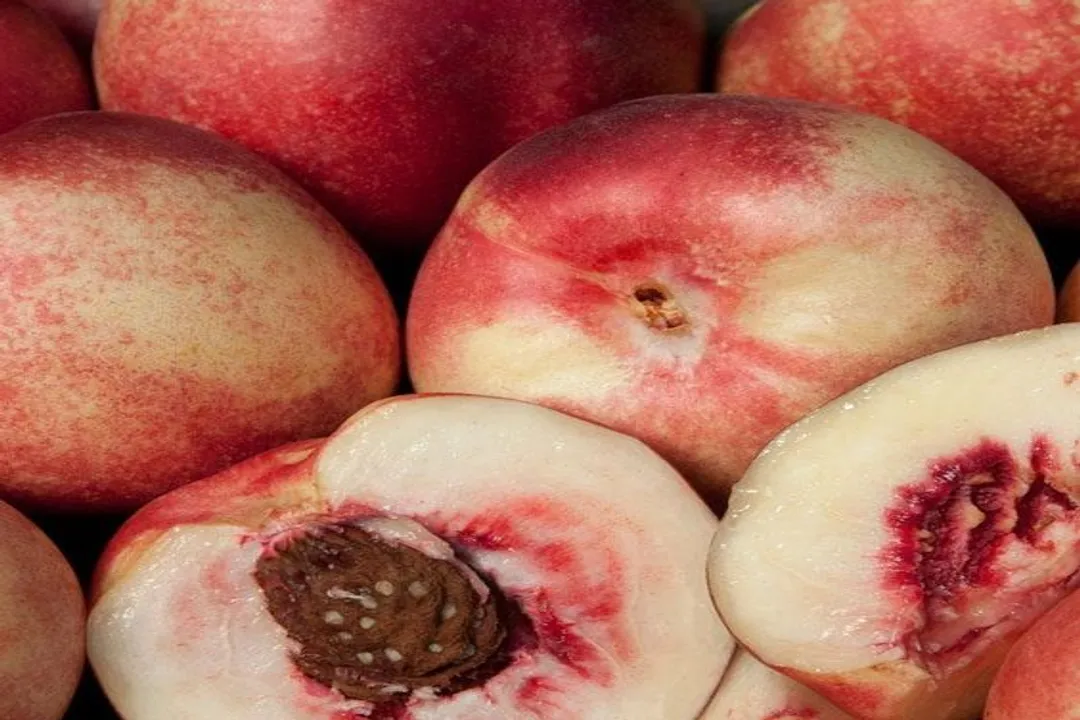
Fiber is fundamental to digestive health, and nectarines offer a healthy dose of this essential nutrient. [1][7] Both soluble and insoluble fiber types are present in the fruit's flesh and skin. [7] Insoluble fiber adds bulk to the stool, helping food pass more quickly through the digestive tract, which can prevent constipation and support regularity. [1][9] Soluble fiber, on the other hand, dissolves in water to form a gel-like substance in the gut. [7] This soluble component can help manage blood sugar levels by slowing the absorption of sugar, and it also feeds the beneficial bacteria in the colon, promoting a healthier gut microbiome. [1][7] Because a medium nectarine offers a good serving of fiber relative to its calorie count, it serves as an excellent, naturally sweet way to increase daily fiber intake without relying solely on processed supplements. [1]
# Antioxidant Defense
The vibrant colors found in nectarines—especially the deep reds and oranges—are visual indicators of powerful antioxidant compounds at work. [4][7] These compounds help the body combat free radicals, unstable molecules that can cause oxidative stress and damage cells over time, potentially leading to chronic conditions. [1][4]
The primary antioxidants found in nectarines are phenolic compounds. [1] In varieties with red skin, you will find higher levels of anthocyanins, which are pigments known for their strong antioxidant and anti-inflammatory properties. [1][7] When considering which nectarine to choose, opting for a deep red variety might slightly increase your intake of these specific protective compounds compared to a paler yellow variety, assuming similar ripeness levels. [7] This means that the skin itself is a concentrated source of these protective phytonutrients, reinforcing the idea that eating the fruit whole is the best approach for maximizing antioxidant benefits. [1]
# Heart Health
The nutritional makeup of nectarines supports cardiovascular wellness through several mechanisms, primarily relating to their mineral content and fiber. [1][2] Nectarines are a good source of potassium. [1][2][7] Potassium is an electrolyte that is essential for maintaining a healthy balance of fluids in the body, and critically, it helps to counteract the effects of sodium on blood pressure. [1] By helping the body excrete excess sodium, adequate potassium intake supports the relaxation of blood vessel walls, contributing to lower blood pressure readings. [2]
Coupled with the fiber content discussed earlier, which aids in lowering LDL ("bad") cholesterol by binding with it in the digestive tract, the fruit offers a dual benefit for the circulatory system. [7] A regular dietary pattern that incorporates potassium-rich fruits like nectarines is a well-established strategy for supporting long-term heart health. [2]
# Hydration Factor
Summer fruits are generally recognized for their high water content, and nectarines are no exception. [1][7] They are composed of a significant percentage of water, which is vital for nearly every bodily process, including nutrient transport, temperature regulation, and lubrication of joints. [1] Eating water-rich foods like nectarines provides hydration that is often more satisfying and easier to maintain than simply drinking plain water alone, especially during physical activity or warm weather. [7] For instance, pairing a handful of nectarines post-workout with a glass of water can assist in replenishing both fluid and essential electrolytes lost through sweat. [1]

# Skin and Eye Wellness
The synergy between Vitamin A (beta-carotene) and Vitamin C provides tangible benefits for the skin and eyes. [1][7] Vitamin C is necessary for the synthesis of collagen, which provides the skin with its structure, elasticity, and strength. [1] By supporting collagen production, regular intake of Vitamin C-rich fruits can contribute to a more resilient complexion. [7]
Simultaneously, the Vitamin A content directly supports eye health. [1][7] Beta-carotene is converted into Vitamin A in the body, a vitamin essential for the formation of rhodopsin, a pigment in the retina that is necessary for low-light vision. [1] Consuming fruits high in these precursors is a proactive dietary step toward preserving vision as one ages. [7]
# Nutritional Comparison and Selection Insights
While nectarines and peaches are nutritional close cousins, their profiles are not perfectly identical, and understanding this can inform your purchasing habits. For example, studies often show that the skin-to-flesh ratio and texture influence nutrient availability and perception. [7] When selecting nectarines, you should prioritize firm but slightly yielding fruit, avoiding any that show significant bruising or soft spots, which indicate over-ripeness or damage. [9]
Here is a snapshot comparison based on typical serving sizes, though exact figures vary widely by cultivar:
| Nutrient | Nectarine (Medium, ~150g) | Primary Role |
|---|---|---|
| Calories | ~60 | Energy Density |
| Fiber | ~2 grams | Digestive Regularity |
| Vitamin C | Significant % DV | Immune Support, Collagen |
| Potassium | Good Source | Blood Pressure Regulation |
| Beta-Carotene | Present | Vision Health |
| Water Content | High (around 89%) | Hydration |
It is interesting to note that although nectarines and peaches are so similar, the lack of fuzz on the nectarine means that residues from topical sprays, if used, might adhere differently than on a fuzzy peach. [6] Therefore, for those concerned about pesticide residue, choosing certified organic nectarines becomes an even more direct way to ensure you are only consuming the fruit's inherent goodness, as washing smooth skin may not dislodge residues as effectively as the fuzz might trap them on a peach. [6] This is a practical consideration when deciding between the two similar fruits at the market.
# Metabolic Support and Weight Management
For individuals monitoring their caloric intake or aiming for weight management, nectarines are an excellent choice due to their nutrient density relative to their energy content. [1][7] A medium nectarine contains relatively few calories, yet it delivers substantial amounts of fiber, water, and essential micronutrients. [1] The combination of water and fiber promotes a feeling of fullness, or satiety, which can naturally reduce the likelihood of overeating later in the day. [7] By swapping out a higher-calorie processed snack for a whole nectarine, you are effectively managing hunger while simultaneously boosting your intake of beneficial vitamins and antioxidants. [1] This substitution is an effortless way to improve overall diet quality without feeling deprived.
# A Note on the Seed
While the flesh of the nectarine is widely celebrated for its benefits, some traditional practices or niche areas of study have explored the kernel or seed found inside the pit. [10] It is important to exercise extreme caution here; the seed of many stone fruits, including nectarines, contains compounds that can be toxic if ingested in large quantities. [10] The primary concern relates to cyanide-producing glycosides. [10] For the general reader focused on nutrition and health maintenance through whole foods, the focus must remain squarely on the fruit's pulp and skin, as the seed should generally be discarded. [10] Stick to the known benefits derived from the edible parts of the fruit for consistent, safe health support.
# Simple Integration Tips
Incorporating these nutritious fruits into your daily routine does not need to be complicated. Since they are a great source of easily digestible energy, slicing them into morning oatmeal or yogurt provides a quick nutrient boost and natural sweetness. [9] For lunch, they pair wonderfully in savory salads; consider tossing them with mixed greens, toasted nuts (which supply healthy fats that can aid in the absorption of fat-soluble vitamins like Vitamin A), and a light vinaigrette. [9] Even freezing slices allows you to create quick, healthy "sorbets" or blend them into smoothies for an on-the-go snack that keeps you hydrated and satisfied. [7] The key is consistency; making nectarines a regular feature, especially when in season, ensures you benefit from their vitamin C and antioxidant load throughout the year, even if you rely on frozen varieties during the off-season. [7]
Related Questions
#Citations
7 Health Benefits of Nectarines, Backed by Science - Healthline
Nectarines: Nutrition and Health Benefits
Top 6 health benefits of nectarines - BBC Good Food
Nectarines are a flavorful and nutritious fruit that offer a range of ...
Benefits of nectarines. - YouTube
Nectarine Uses & Health Benefits That You Should Know
Benefits of Nectarines, According To a Dietitian - Health
Nectarines | Real Life, Good Food
Nectarine Benefits for Digestion, Weight Loss, and Heart Health
Nectarine Seed Benefits 2024: Unlocking the Nutritional and Health ...